
What Is Tencel (Lyocell) Fabric? The Eco-Friendly Fiber Explained

Tencel is a brand name for lyocell, a semi-synthetic fiber made from wood pulp — primarily eucalyptus, beech, and birch trees — through a closed-loop manufacturing process that recovers and reuses 99% of the chemical solvent (N-methylmorpholine N-oxide, or NMMO). Tencel lyocell ranks among the most eco-friendly fibers available because it requires no toxic chemicals in production, uses less water than cotton, and the resulting fabric is fully biodegradable at end of life.
Definition and Quick Overview
Tencel is the Lenzing AG brand name for lyocell fiber — lyocell is the generic fiber type, and Tencel is the branded version sold by the Austrian company that dominates global production. The fiber was first commercially produced in the 1990s, with Tencel originally trademarked in 1992 and large-scale commercial production beginning in 1990 at a Courtaulds facility in Mobile, Alabama. Lenzing AG acquired the Tencel business in 2000 and by 2015 had become the world’s largest lyocell producer at 130,000 tonnes per year.
Made from Cellulose II — the same base polymer as cotton but with a different crystalline structure — Tencel occupies a classification between natural and synthetic fibers. It is bio-based, derived from fast-growing trees in sustainably managed forests (primarily eucalyptus, with some beech and birch), yet it requires chemical processing to become spinnable fiber. The resulting fabric has a soft hand feel often compared to silk or high-quality cotton, and its molecular structure gives it superior moisture management properties compared to most other cellulose fibers.
The development of Tencel was explicitly motivated by environmental concerns — researchers in the 1980s sought to manufacture rayon by means far less harmful than the traditional viscose method, which relies on toxic carbon disulfide. The result is a fiber that delivers performance and comfort while maintaining a significantly lower environmental footprint than conventional regenerated celluloses.
How Tencel Lyocell Is Made: The Closed-Loop Process
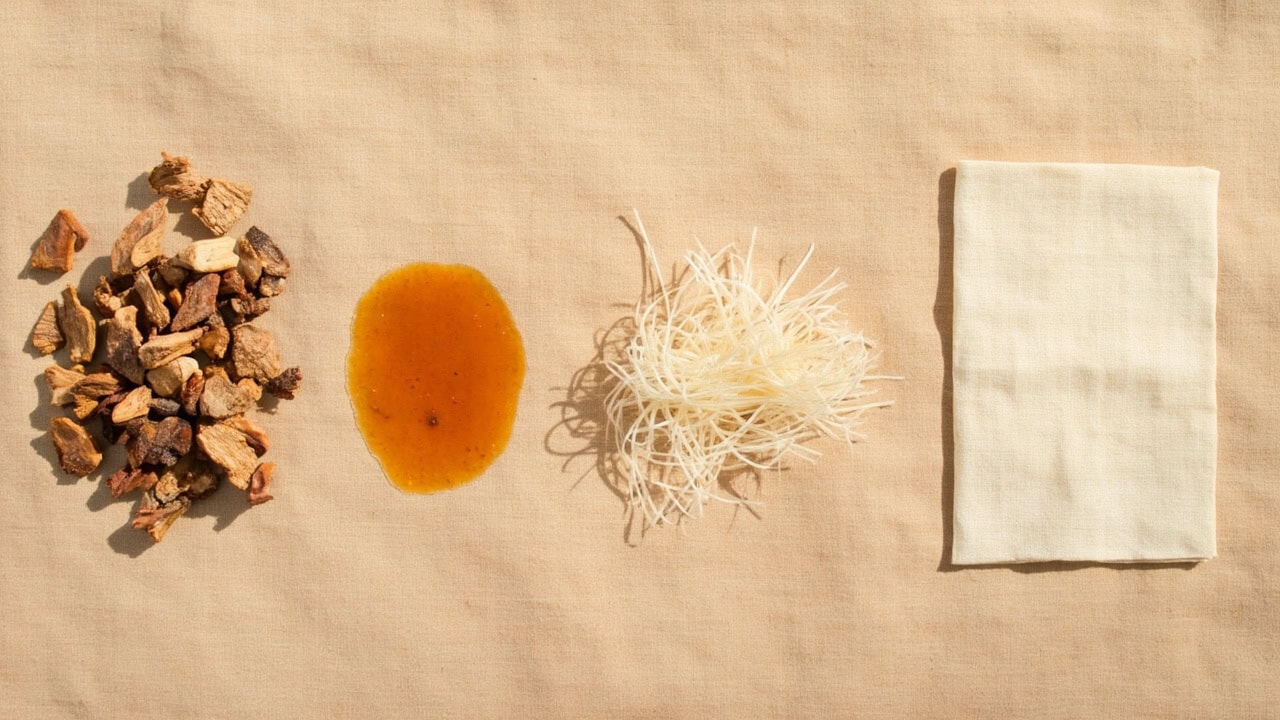
The closed-loop manufacturing process is what separates Tencel from other regenerated cellulose fibers like viscose rayon. In this system, wood pulp (dissolving pulp with high alpha-cellulose content) is dissolved in N-methylmorpholine N-oxide (NMMO) — a tertiary amine oxide solvent that breaks down lignin and hemicellulose without generating toxic byproducts. This creates a solution called “dope,” which is then filtered and pumped through spinnerets into a water bath.
As the cellulose-NMMO solution exits the spinnerets, it enters a coagulation bath where the solvent is diluted by water. This causes the cellulose to solidify into continuous filaments while the NMMO is simultaneously recovered and purified. The recovered NMMO is then fed back into the beginning of the process, creating the closed loop that gives Tencel its environmental advantage.
The key distinction from viscose rayon is critical to understand: while viscose rayon in 70% of global production still uses carbon disulfide (CS2) — a neurotoxin that poses serious occupational health risks and creates hazardous waste — the NMMO system is fundamentally different. NMMO is not a toxic carbon disulfide-based system; it biodegrades without producing harmful products, and the closed-loop design means there are no toxic emissions to air or water when the system operates as designed.
The solvent recovery rate of 99% is the figure that makes this process commercially and environmentally viable. According to Lenzing’s own production data, the energy-intensive nature of the process is offset by the minimal waste output and the fact that virtually no solvent is lost to the environment. The entire journey from raw cellulose to baled fiber takes roughly two hours.
Key Properties of Tencel Lyocell
Tencel lyocell’s technical performance profile makes it stand out among both natural and synthetic fibers. The air-gap spinning technique used during extrusion aligns cellulose molecules along the fiber axis, producing high tensile strength that exceeds most competing fibers in both dry and wet states.
| Property | Tencel Lyocell | Cotton | Viscose Rayon |
|---|---|---|---|
| Tensile strength (dry) | High (35–40 cN/tex) | Medium (20–25 cN/tex) | Low (15–25 cN/tex) |
| Tensile strength (wet) | High (30–35 cN/tex) | Increases ~20% | Drops 30–50% |
| Moisture absorption (RH 65%) | 12–13% | 7–8% | 10–12% |
| Breathability | Excellent | Good | Good |
| Drape | Excellent | Good | Good |
| Softness (hand feel) | Very soft, silk-like | Soft | Soft |
| Heat sensitivity | Moderate (180–200°C max) | High (205°C max) | Low (150°C max) |
| Shrinkage | Low (2–3%) | Moderate (3–5%) | Moderate (3–5%) |
| Biodegradability | Fully biodegradable | Fully biodegradable | Slowly biodegradable |
| Water usage (production) | Low | Very high | Medium |
The moisture absorption performance of Tencel is particularly noteworthy. At standard conditions (65% relative humidity), Tencel absorbs 12–13% of its weight in moisture — approximately 50% more than cotton at 7–8%, and measurably higher than standard viscose rayon at 10–12%. This superior hygroscopicity, combined with the fiber’s ability to transport moisture away from the skin, makes Tencel exceptionally comfortable in warm conditions or during physical activity.
Unlike viscose rayon, which loses 30–50% of its dry tensile strength when wet, Tencel retains most of its strength in wet conditions (dropping only from 35–40 cN/tex to 30–35 cN/tex). This makes Tencel garments significantly more durable through repeated laundering — a major practical advantage over conventional rayon.
Types and Varieties of Tencel/Lyocell
Tencel lyocell is available in several variants, each suited to different textile applications. Understanding these product types helps explain the breadth of the fiber’s use cases across apparel, home textiles, and technical fabrics.
Tencel Lyocell (Standard)
The original branded lyocell from Lenzing, used across a wide range of apparel and home textile products. Standard Tencel lyocell staple fibers are the most versatile variant, providing the characteristic silky hand feel and excellent moisture management in everyday garments. Lenzing’s standard Tencel brand indicates the fiber meets specific performance and sustainability criteria set by the manufacturer.
Tencel Modal
A second-generation lyocell variant developed by Lenzing, Tencel Modal uses finer fibers to achieve an even softer hand feel than standard Tencel. Modal was developed to target next-to-skin applications where maximum comfort is paramount — primarily underwear, loungewear, and activewear. The finer fiber diameter creates a fabric that feels noticeably more supple against bare skin while retaining all the moisture management and biodegradability advantages of the base lyocell process.
Tencel Modal Micro
Ultra-fine modal fibers take softness to the highest level. These micro-denier fibers are specifically engineered for next-to-skin applications where a barely-there sensation is desirable, such as luxury underwear, sleepwear, and high-end athletic base layers. The reduced fiber diameter increases the fabric’s surface area, improving moisture-wicking performance even further.
Tencel Lyocell with Indigo
Pre-colored Tencel fibers with indigo dye built into the fiber matrix during manufacturing. This technology, pioneered for denim production, allows garment makers to achieve rich indigo colors with significantly less water and dye waste than conventional piece-dyeing processes. Major denim brands have adopted Tencel indigo for this reason — the environmental savings are substantial when scaled to the volume of a typical denim mill.
Refibra Technology
Lenzing’s Refibra technology represents an advancement in circular economy textile production. Refibra lyocell incorporates up to 30% recycled cellulose fiber — derived from cotton waste and other pre-consumer cellulose materials — into the virgin wood pulp feedstock. This reduces reliance on virgin raw materials while maintaining the same fiber quality and process integrity as standard Tencel production.
Blends and Filament Variants
Tencel is commonly blended with other fibers to achieve specific performance characteristics. Tencel-cotton blends combine lyocell’s moisture management and drape with cotton’s familiar hand feel. Tencel-linen blends enhance the already-naturally breathable linen fabric while adding softness. Tencel-silk blends are used in luxury fabrics, and Tencel-elastane combinations provide stretch recovery for fitted garments. Tencel is also available as continuous filaments (long, unbroken fibers) alongside the more common staple fiber format, enabling different fabric constructions and end-use applications.
Common Uses and Applications
The combination of silk-like softness, excellent moisture management, and eco-friendly credentials has made Tencel a versatile fiber across a broad spectrum of textile applications.
Apparel
In everyday apparel, Tencel’s excellent drape and silky hand feel make it a preferred choice for shirts, blouses, dresses, trousers, and light jackets. The fabric’s fluid drape — rated excellent in comparative testing against cotton and viscose rayon — creates garments with superior silhouette and movement. Tencel’s moisture absorption and breathability make these garments comfortable across a wide temperature range, from cool mornings to warm afternoons.
Activewear and Sportswear
The moisture management profile of Tencel — absorbing 12–13% of its weight in moisture at standard humidity — makes it well suited for high-sweat garments. Unlike polyester, which repels moisture and can feel clammy against wet skin, Tencel absorbs perspiration and allows it to evaporate away from the body. This moisture-absorption-and-release cycle gives Tencel activewear a more natural, comfortable feel during workouts. The fiber’s wet strength (only slightly lower than dry strength) also means garments maintain their integrity through repeated heavy-laundering cycles common in athletic wear.
Denim
Tencel has become a major fiber in modern denim manufacturing. Major brands including Levi’s have incorporated Tencel into their denim lines, using it to add softness, improve drape, and dramatically reduce water consumption compared to conventional all-cotton denim. Tencel-indigo fibers enable a denim fabric that maintains the classic indigo aesthetic while offering superior comfort from the first wear. The combination of Tencel’s moisture management and cotton’s familiar denim character has proven popular in the women’s denim market especially.
Bedding and Home Textiles
Tencel’s moisture-wicking properties and natural antibacterial character make it an excellent choice for sheets, duvet covers, and towels. The fiber’s smooth continuous filament surface does not harbor bacteria the way some rougher fiber surfaces can, and its hygroscopic nature helps regulate temperature and humidity beneath bedding throughout the night. Tencel sheets are particularly noted for their smoothness and drape, creating a sleeping surface that is cooler and more breathable than standard cotton sheets in warm conditions.
Underwear and Loungewear
The extreme softness of Tencel Modal and Tencel Modal Micro variants — engineered specifically for next-to-skin comfort — has made these fibers popular in underwear and loungewear. The fabrics are gentle enough for individuals with sensitive skin or textile allergies. The breathability and moisture management of Tencel also help prevent the heat and moisture buildup that can cause skin irritation in intimate apparel.
Medical Textiles
Lyocell fibers have been used in medical textile applications including wound dressings and tissue scaffolds, owing to their biocompatibility and the ability to engineer the fiber structure for specific medical requirements. While lyocell’s lack of inherent antibacterial properties limits some medical applications compared to specialized antimicrobial fibers, its biocompatibility — the body accepts the material without adverse reaction — makes it suitable for biodegradable medical implants and advanced wound care products. Research published in biomaterials journals has explored lyocell-based scaffolds for tissue engineering applications.
Pros and Cons of Tencel Lyocell
Like any textile fiber, Tencel presents both advantages and tradeoffs that manufacturers, designers, and consumers should weigh when selecting materials for a given application.
| Pros | Cons |
|---|---|
| Eco-friendly closed-loop production | More expensive than cotton or polyester |
| 99% solvent recovery — minimal waste | Requires careful care (no high heat) |
| Fully biodegradable at end of life | Lower heat resistance than cotton |
| Excellent moisture management | Can shrink if washed incorrectly |
| Silky soft hand feel | Less wrinkle-resistant than synthetic blends |
| Strong wet and dry — durable | Limited availability in some markets |
| Antibacterial properties (natural) | Elastic recovery moderate without elastane |
| Less land and water than cotton | Manufacturing still requires chemical processing |
The most significant advantage of Tencel is its environmental profile. The closed-loop NMMO process recovers 99% of the chemical solvent, produces no toxic emissions under normal operating conditions, and uses substantially less water than cotton cultivation — which requires significant irrigation and often pesticide inputs. Eucalyptus trees used for Tencel production require no irrigation and minimal pesticides, and can be harvested from sustainably managed forests with fast regrowth cycles.
The primary tradeoff is cost and care sensitivity. Tencel garments carry a higher retail price than equivalent cotton or polyester items, reflecting the more complex and energy-intensive manufacturing process. The fiber’s sensitivity to high heat means Tencel garments require more attentive care — cold washing, low-heat drying, and low-temperature ironing are necessary to maintain fabric dimensions and appearance. This care requirement is manageable but represents a departure from the more forgiving handling of cotton or synthetics.
How to Care for Tencel Fabric
Tencel fabric rewards careful laundering with improved longevity and maintained softness. The fiber’s properties mean it actually improves with each wash — unlike some fibers that degrade over time, Tencel becomes softer with repeated laundering while retaining its structural integrity.
- Machine wash cold on a gentle cycle — never wash Tencel in hot water. Hot water causes the fibers to shrink and can damage the fabric’s dimensional stability. Cold water preserves the fiber’s size, shape, and hand feel.
- Air dry flat or on a padded hanger — high heat damages Tencel fibers and can cause shrinkage. A padded hanger helps prevent distortion from the weight of water-soaked fabric.
- Tumble dry low only if necessary — if machine drying is required, use the lowest heat setting and remove garments promptly when the cycle ends to minimize wrinkling and heat exposure.
- Iron on low to medium heat (up to 150°C) — use the synthetics or silk setting on your iron. A pressing cloth prevents shine marks and ensures even heat distribution across the fabric surface.
- Do not bleach — oxygen-based stain removers are safe for Tencel, but chlorine bleach damages the cellulose fibers and should never be used. The fiber’s smooth surface also means most stains release with simple cold water and gentle agitation.
- Hang garments after washing — Tencel wrinkles more easily than polyester blends, but hanging immediately after washing and allowing the fabric to air-dry reduces the need for ironing. The fibers relax and release wrinkles as they dry at room temperature.
- Wash with similar colors and fabrics — Tencel’s smooth surface means it can snag on hardware (zippers, hooks) or on rough-textured companion fabrics. Turning garments inside out before washing provides additional protection.
Tencel’s shrinkage behavior is generally low (2–3%) when laundered correctly in cold water. The primary risk factor is heat — either from wash water temperature above 30°C or from tumble dryer heat settings above low. Following the care guidelines above will maintain fabric dimensions within the expected range through hundreds of wash cycles. Tencel’s resistance to pilling is also good, owing to the long continuous filaments used in quality Tencel fabrics, though pilling can occur with heavy friction over very long use periods.
Frequently Asked Questions
Q: Is Tencel the same as lyocell?
A: Yes and no — Tencel is a brand name owned by Lenzing AG for their specific lyocell fiber. Lyocell is the generic fiber name used globally. All Tencel is lyocell, but not all lyocell is Tencel (some comes from other manufacturers with different quality standards).
Q: Is Tencel fabric eco-friendly?
A: Yes — Tencel lyocell is among the most sustainable fibers available. Its closed-loop manufacturing recovers and reuses 99% of the NMMO solvent, uses significantly less water than cotton, and the fiber is fully biodegradable. Eucalyptus trees used for Tencel require no irrigation or pesticides. However, it is not organic certified like GOTS cotton, and the manufacturing still requires chemical processing.
Q: Does Tencel shrink when washed?
A: Tencel has low shrinkage (2–3%) when washed correctly in cold water. The main risk is heat — washing in hot water or tumble drying on high heat can cause more significant shrinkage. Always wash cold and air dry or tumble dry low to maintain the fabric’s dimensions.
Q: Can you iron Tencel fabric?
A: Yes — Tencel can be ironed on low heat (up to 150°C). Use the synthetics or silk setting on your iron. A pressing cloth prevents shine and ensures even heat distribution. Steaming is also effective and gentler than direct ironing. Tencel responds well to steam, which relaxes the fibers and removes wrinkles without direct contact.
References
- Fibre2Fashion. (2024). Tencel Lyocell: The Sustainable Fiber. Fibre2Fashion.
- Lenzing AG. (2024). Sustainability and Closed-Loop Production. Lenzing AG.
- Textile Exchange. (2024). Preferred Fiber & Materials Intelligence: Lyocell. Textile Exchange.
- Wikipedia. (2024). Lyocell. Wikimedia Foundation.
- CottonWorks. (2024). Tencel Sustainable Fiber Resource. Cotton Incorporated.
- Mawar, S., & Haghighat, E. (2019). Lyocell Fiber Production: Ecological Benefits and Manufacturing Challenges. ResearchGate.


