
Twill Weave: How 2/1 and 3/1 Patterns Create Diagonal Ribs and Durability

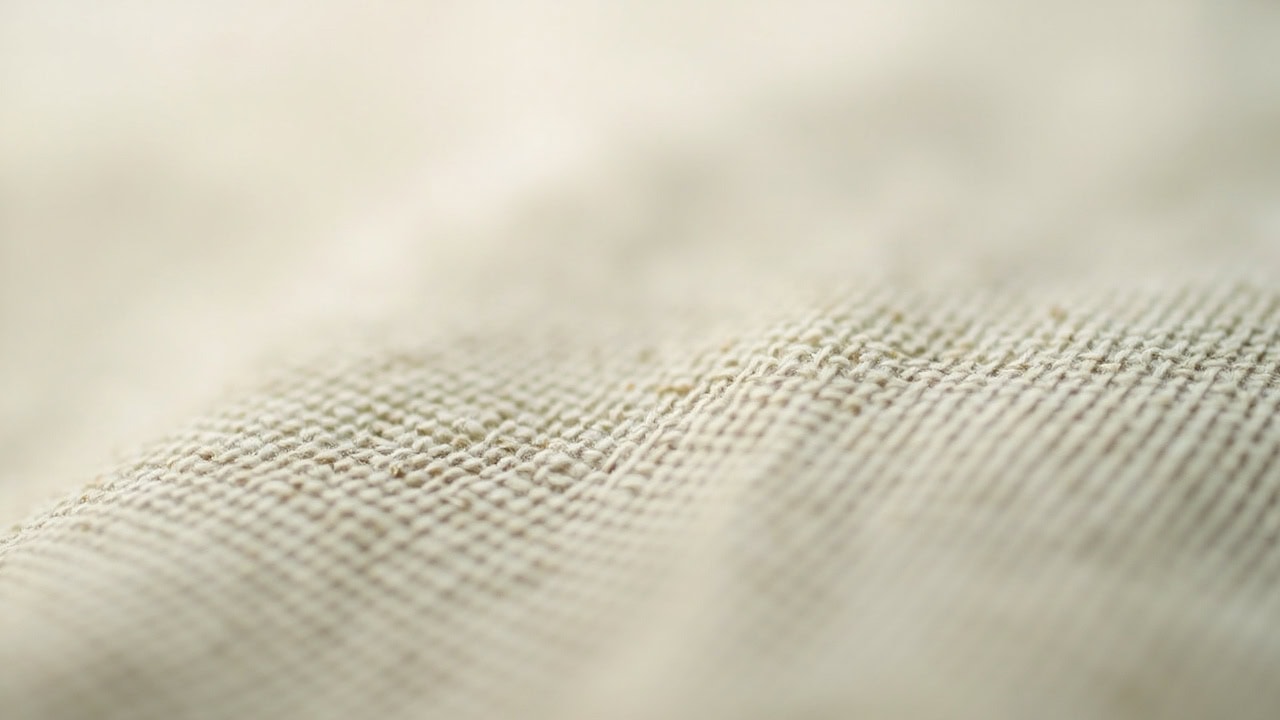
Twill weave fabric is a fundamental textile construction characterized by diagonal ribs running at 45° angles across the fabric surface, created by interlacing warp and weft yarns in precise 2/1 or 3/1 ratios. The 3/1 twill construction—where three warp threads pass over each weft shot—produces denim’s signature sturdy diagonal grain, while 2/1 twill creates chino’s smoother, more refined diagonal line. Both constructions deliver significantly higher durability and tear resistance than plain weave, making twill the preferred structure for workwear, formal trousers, and heavy-duty upholstery.
What Is Twill Weave? Definition and Core Mechanics
Twill weave is one of three fundamental weave structures in textiles, alongside plain weave and satin weave. Unlike plain weave’s simple over-one-under-one pattern where both fabric sides appear identical, twill weave creates a distinct technical face and back with a directional grain. The defining characteristic is diagonal lines called wales or twill lines that run across the fabric at 45° angles—known as the twill angle.
Twill weave is designated using fractional notation where the numerator indicates how many harnesses are raised and the denominator indicates how many are lowered during each weft insertion. A 2/1 twill reads as “two up, one down” and requires three harnesses total. A 3/1 twill—used exclusively in denim production—reads as “three up, one down” and requires four harnesses. This consistent float pattern, where each yarn passes over multiple perpendicular yarns before passing under, creates the characteristic diagonal structure that distinguishes twill from other weave types.
The diagonal direction itself defines twill classification: Z-twill runs from bottom-left to top-right (the most common direction), while S-twill runs from bottom-right to top-left. This directional grain gives twill fabrics their characteristic drape and allows weavers to create decorative patterns by alternating diagonal directions within a single fabric.
The 2/1 vs 3/1 Twill Construction System
The twill construction ratio directly determines fabric weight, durability, surface texture, and end-use application. Understanding the difference between 2/1 and 3/1 twill is essential for selecting the appropriate fabric for any project.
3/1 Twill (Warp-Faced)
In 3/1 twill construction, three warp yarns float over each weft insertion, creating a warp-dominant face where the warp threads cover approximately 75% of the fabric surface. This elongated float structure produces a sturdy, durable fabric surface with high abrasion resistance—the warp floats absorb wear stress across their length rather than at frequent intersection points. Denim exemplifies 3/1 twill, with typical GSM (grams per square meter) ratings between 300 and 450 gsm for standard denim weights. The extended float length means fewer interlacements per unit area, allowing yarns to pack more densely and creating fabrics with excellent tear strength and structural integrity.
2/1 Twill (Warp-Faced with Shorter Float)
2/1 twill construction features two warp yarns passing over each weft shot, producing a shorter float length than 3/1 twill. This results in a smoother diagonal line with greater weft visibility on the fabric face—the weft threads appear as narrow diagonal stripes between the warp floats. Fabrics using 2/1 twill construction, such as chino and gabardine, typically weigh between 150 and 300 GSM, offering medium weight with excellent drape. The reduced float length increases fabric flexibility and gives 2/1 twill a softer hand feel compared to the firm, boardy character of 3/1 twill.
1/2 Twill (Weft-Faced Variant)
The less common 1/2 twill reverses the dominant yarn direction, with weft threads covering approximately 67% of the fabric face. This produces a smoother surface with the weft direction controlling visual appearance. 1/2 twill fabrics drape differently than their warp-faced counterparts and are less commonly encountered in consumer textiles, though they serve specialized applications where weft-dominant surface properties are desirable.
Key Properties of Twill Weave Fabrics
| Property | 3/1 Twill (Denim) | 2/1 Twill (Chino) | Plain Weave (Comparison) |
|---|---|---|---|
| Weight | Heavy (300–450 GSM) | Medium (150–300 GSM) | Light-Medium (100–200 GSM) |
| Durability | Very High | High | Medium |
| Tear Strength | Excellent (25–40 N) | Good (15–25 N) | Moderate (10–15 N) |
| Breathability | Good | Very Good | Excellent |
| Drape | Firm | Soft | Crisp |
| Stain Hiding | Excellent | Good | Poor |
| Diagonal Visibility | Very Prominent | Subtle | None |
| Common Fabrics | Denim, Jean, Drill | Chino, Gabardine, Tweed | Poplin, Muslin, Chintz |
The reduced interlacings in twill weave construction allow yarns to move more freely than in plain weave, resulting in fabrics that drape better and recover from creasing more effectively. The technical face side—where the warp floats dominate—exhibits superior durability and serves as the fashion side in garment production. Twill’s uneven surface texture makes soiling and minor wear marks less visible than on the flat, uniform surface of plain weave fabrics.
Types and Varieties of Twill Fabric
By Construction Pattern
- 3/1 Twill: Denim, drill, and jean fabrics feature heavy-duty, warp-dominant surfaces with maximum abrasion resistance for workwear and casual apparel.
- 2/1 Twill: Chino, gabardine, and surfeit constructions offer balanced drape with slightly weft-visible diagonals suited for formal and semi-formal trousers.
- 2/2 Twill (Baton Fabric): Equal floats in both warp and weft directions create reversible fabrics with symmetrical properties—used extensively in tartan plaids, blankets, and shawls.
- 4/1 S-Twill: Herringbone variants with elongated floats create distinctive V-pattern textures found in premium suiting materials.
By Pattern Direction
- Z-Twill: The most common twill direction with diagonals running from bottom-left to top-right, named after the middle section of the letter “Z.”
- S-Twill: Diagonal lines run from bottom-right to top-left, named for the middle section of the letter “S.”
- Herringbone (Chevron): Alternating Z-twills and S-twills create a V-shaped zigzag pattern resembling fish bones. Herringbone dominates wool suiting, tweed jackets, scarves, and upholstery fabrics. The alternating pattern also reduces garment leg-twist—a critical issue in fitted trousers.
- Broken Twill: Irregular twill patterns that prevent the leg-twist phenomenon in denim while creating visually interesting surface textures.
By Fiber Content
- Cotton Twill: Denim and chino represent the most recognizable cotton twill applications, prized for durability and comfort in casual and work apparel.
- Wool Twill: Suiting, coating, and flannel fabrics utilize wool twill’s excellent draping properties and natural temperature regulation for formal attire.
- Silk Twill: Dress fabrics and linings benefit from silk twill’s lustrous surface and lightweight drape, commonly seen in designer scarves and high-end apparel.
- Synthetic Twill: Polyester and nylon twill constructions serve performance wear, activewear, and heavy-duty upholstery with enhanced wrinkle resistance and moisture management.
Common Uses and Applications
Apparel Applications
Twill weave dominates workwear and formal trouser categories due to its exceptional durability-to-comfort ratio. Denim jeans and jackets constructed from 3/1 twill can last 5–10 years with proper care, outperforming any plain weave alternative in abrasion-prone applications. Chino trousers in 2/1 twill provide the formal appearance needed for business casual environments while maintaining the durability expected in everyday wear. Wool twill remains the traditional choice for suits and blazers, offering elegant drape and natural fiber benefits.
Home Furnishing Applications
Upholstery fabrics rely on twill construction for its high thread count potential and superior tear resistance under tension—critical for furniture that undergoes daily stress. Curtains and draperies benefit from twill’s excellent drape and light-blocking properties when densely woven. Table linens and mattress ticking utilize twill’s stain-hiding characteristics and washability.
Technical and Industrial Applications
Industrial conveyor belts require twill’s high tear strength and dimensional stability under continuous stress. Tarpaulins and protective covers benefit from twill’s water resistance when combined with appropriate coatings. Sail fabrics engineered from twill constructions balance strength-to-weight ratios essential for marine applications.
Twill dominates these application categories because the elongated float structure distributes stress across yarn lengths rather than concentrating it at intersection points. The diagonal grain orientation adds tear resistance perpendicular to the wale direction—a property critical for textiles subject to snagging and directional stress. The uneven surface texture masks everyday soiling, extending cleaning intervals and maintaining appearance through extended use.
Twill Weave vs. Other Weave Structures
Twill vs. Plain Weave
Plain weave produces a 50/50 interlacing ratio where warp and weft alternate every thread, creating identical fabric faces with no diagonal direction. This simple over-under construction results in reversible fabrics with flat, uniform surfaces. Plain weave fabrics are lighter (typically 100–200 GSM), more breathable, and create crisp, paper-like drapes ideal for summer apparel and printed fabrics. However, plain weave exhibits lower tear strength and abrasion resistance than twill—the frequent interlacings create stress concentration points rather than distributing load across float lengths.
Twill advantages over plain weave include higher tear strength (25–40 N for 3/1 twill versus 10–15 N for comparable plain weave), better durability in heavy-wear applications, superior stain hiding due to the uneven surface, and softer drape from reduced interlacings. Plain weave advantages include better breathability, crisper aesthetic, smoother printing surface, and lower production costs.
Twill vs. Satin Weave
Satin weave utilizes long floats of 4+ threads passing over single perpendicular threads, creating smooth, glossy surfaces without any diagonal visibility. The extended float structure allows maximum yarn reflectiveness, producing the lustrous appearance prized in silk and acetate dress fabrics. Satin drape is fluid and elegant, ideal for formal evening wear and luxury linings.
Twill’s shorter, consistent floats (2–4 threads) create the visible diagonal structure that distinguishes it from satin. Twill offers higher durability due to shorter floats providing more frequent interlacement points. The diagonal grain adds tear resistance perpendicular to the wale—a property satin lacks entirely. Twill production is also less complex, requiring fewer harnesses and simpler loom setups than satin weave structures.
Pros and Cons of Twill Weave Fabrics
Advantages
- High durability and tear resistance: The float structure distributes stress across longer yarn segments, providing 2–3× greater tear strength than plain weave alternatives. Properly constructed 3/1 twill denim achieves tear strengths of 25–40 Newtons.
- Excellent longevity: Denim garments constructed from 3/1 twill last 5–10 years with proper care—significantly longer than plain weave garments subjected to equivalent wear.
- Diagonal grain hides soiling: The uneven surface texture masks everyday stains, dust, and minor wear marks, maintaining appearance through extended use cycles.
- Superior drape: Fewer interlacings allow yarns to move independently, creating softer, more fluid fabric drape than plain weave.
- Versatility: Twill construction scales from lightweight shirting (120 GSM) to heavyweight canvas (600+ GSM), serving applications from summer blazers to industrial tarpaulins.
Disadvantages
- Higher production cost: Twill looms operate more slowly than plain weave looms, and the additional harnesses required for 3/1 and 4/1 constructions increase capital investment and setup time.
- Initial stiffness: 3/1 twill fabrics—particularly denim—can feel stiff before breaking in. New denim requires 2–4 weeks of regular wear to soften as the yarns flex and conform to body movement.
- Care requirements: Denim specifically benefits from reduced washing frequency to preserve color and prevent shrinkage—infrequent washing conflicts with hygiene expectations in some markets.
- Dry cleaning for wool: Wool twill suits and tailored garments typically require dry cleaning, adding maintenance cost and environmental concerns.
- Heat retention: Heavier twill weights (300+ GSM) can be uncomfortably warm in hot climates due to the dense yarn packing and reduced breathability.
Care Summary for Twill Fabrics
Cotton Twill (Denim and Chino)
Machine wash cold (30°C maximum) on gentle cycle to minimize color loss and prevent excessive shrinkage. Hang drying preserves fit and extends garment life—tumble drying accelerates wear at stress points. For raw denim specifically, washing should be delayed 6+ months after purchase to develop personalized fading patterns. Spot cleaning minor stains preserves the fabric’s character and reduces wash frequency.
Wool Twill (Suiting and Coating)
Dry cleaning is recommended for wool twill suits and tailored garments. Spot cleaning with a damp cloth removes minor marks without full immersion. Steam pressing refreshes fabric appearance between cleanings. Wool’s natural wrinkle resistance means twill suits require less maintenance than plain weave alternatives.
Synthetic Twill (Performance Wear)
Machine wash warm (40°C) with standard detergent. Synthetic twill dries quickly and often requires no ironing—tumble dry low if needed. Many synthetic twill fabrics incorporate wrinkle-resistant finishes that maintain appearance through repeated laundering.
Always verify care label instructions—twill construction alone does not determine care requirements. Fiber content, dye type, and finishing treatments often override weave-specific guidelines.
Frequently Asked Questions
Q: What is twill weave fabric used for?
A: Twill weave fabric is used primarily for durable apparel like denim jeans (3/1 twill) and chino trousers (2/1 twill), as well as suits and blazers in wool twill, workwear, uniforms, upholstery, and home furnishings. The weave structure provides high tear resistance and longevity, making it ideal for items that undergo heavy wear.
Q: What is the difference between 2/1 twill and 3/1 twill?
A: The difference lies in the float length: 3/1 twill has three warp threads passing over each weft thread, creating a warp-dominant, heavy-duty surface (denim’s signature sturdy diagonal), while 2/1 twill has only two warp threads over each weft, producing a smoother, slightly lighter diagonal with better drape (chino and gabardine). Both are warp-faced twills but differ in weight, texture, and durability.
Q: Is twill weave better than plain weave?
A: Twill weave offers superior durability and tear resistance compared to plain weave due to its elongated float structure and diagonal grain. Plain weave provides better breathability and a crisper surface. For applications requiring longevity and heavy wear such as jeans, workwear, and upholstery, twill is better. For lightweight, breathable, or printed fabrics, plain weave is preferable.
Q: What is herringbone twill?
A: Herringbone is a twill variant where the diagonal direction alternates between Z-twills and S-twills at regular intervals (typically every 2-5 centimeters), creating a distinctive V-shaped zigzag pattern resembling fish bones. Herringbone is common in wool suiting, tweed jackets, scarves, and upholstery—it offers the durability of twill with a more decorative surface pattern and reduced leg-twist tendency in garments.
References
- Collier, B. J., & Tortora, P. G. (2018). Understanding Textiles (8th ed.). Pearson.
- International Wool Textile Organization. (2021). Wool Textile Specifications and Testing Standards. IWTO.
- ASTM International. (2022). ASTM D3822 – Standard Specification for Textile Fabric. ASTM International.
- Textile Exchange. (2023). Preferred Fiber & Materials Market Report. Textile Exchange.


