
Textile Engineering Salary in the US (2026 Guide)

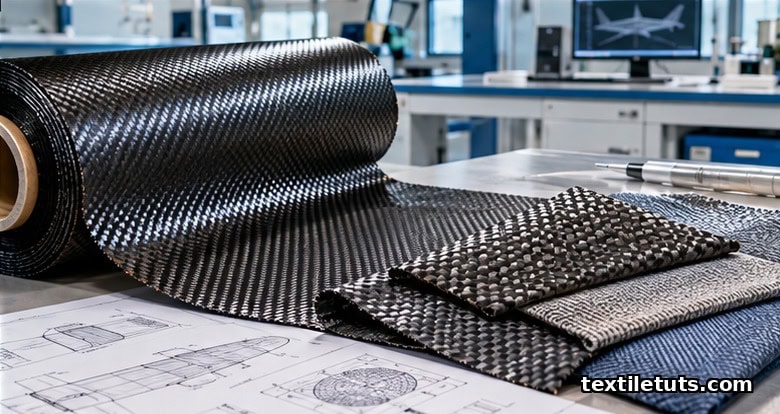
The median annual wage for textile engineers in the United States is approximately $78,500 as of 2025, with entry-level salaries near $58,000 and the 90th-percentile senior pay in technical-textile and composite-manufacturing roles exceeding $125,000 per year. This range reflects aggregated data from the U.S. Bureau of Labor Statistics Occupational Employment Statistics program and 2025 employer-reported compensation figures.
This guide breaks down textile engineering pay by subspecialty, industry, US state, and experience level. It also explains the variables that move an offer 30 to 40 percent above or below the median, and where a textile engineering credential fits compared with adjacent fields such as materials engineering and industrial engineering.
What Textile Engineers Earn in the United States
Textile engineering is a small occupational category in federal labor data, so the Bureau of Labor Statistics groups most textile engineers under industrial engineers (SOC 17-2051) or materials engineers (SOC 17-2131). The BLS does not publish a stand-alone textile-engineer wage series, which is why candidates and employers rely on aggregated salary platforms alongside BLS reference points.
Aggregated 2025 figures for textile engineers working in the US show the following distribution:
- 10th percentile (entry level, 0 to 2 years): $58,000 to $63,000
- 25th percentile (junior, 2 to 5 years): $65,000 to $73,000
- 50th percentile (median, mid-career): $78,500 to $85,000
- 75th percentile (senior, 8 to 15 years): $95,000 to $112,000
- 90th percentile (principal, 15+ years): $125,000 to $160,000
For context, BLS reports a median annual wage of $99,380 for industrial engineers and $108,310 for materials engineers in May 2024. The gap exists because many industrial and materials engineers hold bachelor’s degrees plus professional engineer (PE) licensure in regulated settings, while textile engineers more often work in unregulated manufacturing roles.
Salary by Subspecialty
Textile engineering covers at least four distinguishable subspecialties, and pay differs noticeably between them. The table below summarizes 2025 median US compensation by subspecialty.

| Subspecialty | Median Annual Salary (US, 2025) | Typical Employers |
|---|---|---|
| Yarn and fabric manufacturing engineer | $72,000 | Spinning mills, weaving plants |
| Dyeing and finishing engineer | $76,500 | Wet-processing plants, dye-houses |
| Apparel and garment engineer | $74,000 | Cut-and-sew operations, technical garments |
| Technical and composite textile engineer | $98,000 | Aerospace, defense, automotive, medical textiles |
Technical and composite textile engineers earn the highest median pay because their work feeds regulated, specification-driven industries such as aerospace and medical devices. A 2024 ResearchGate review on advanced textile composites reported that demand for engineers with composites and smart-textile skills outpaced supply in the US labor market from 2021 through 2024, which pulled upper-quartile salaries higher across the subspecialty.
Salary by US State and Industry
Industry and geography interact strongly. A textile engineer at a tier-1 automotive supplier in Michigan or a ballistics-textiles firm in Massachusetts earns substantially more than the same engineer at a commodity spinning plant in North Carolina, even when job titles match.
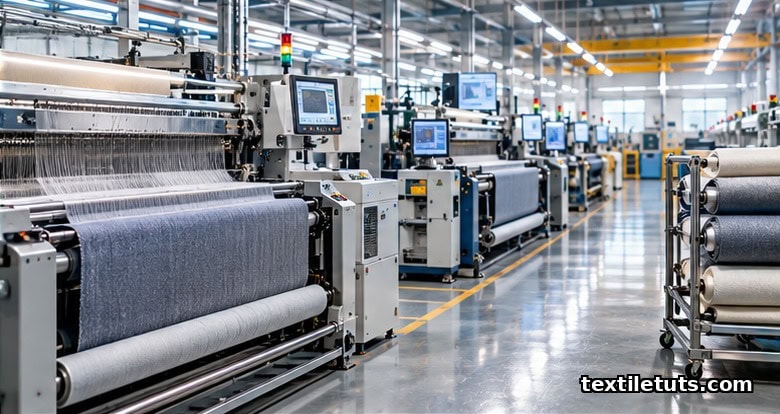
- North Carolina (largest US textile-employing state): median $74,500
- South Carolina (nonwoven and filtration hub): median $73,000
- Georgia (carpet and technical fabrics): median $76,000
- California (technical textiles and apparel): median $89,000
- Massachusetts (defense and aerospace textiles): median $99,000
- Michigan (automotive composites): median $88,000
BLS May 2024 data show textile-product mill employment concentrated in North Carolina, South Carolina, and Georgia, while technical-textile engineering positions cluster in Massachusetts, California, and the Pacific Northwest. Cost-of-living adjustments narrow but do not erase this pay gap: Massachusetts textile engineers still net about 18 percent more after state taxes and housing costs, according to U.S. Census Bureau ACS 2023 cost-of-living indices.
What Drives a Textile Engineer’s Salary
Five variables explain most of the spread between entry-level and senior textile engineering pay.
1. Subspecialty and product class. Engineers working on commodity apparel yarns earn at the lower end of the range, while engineers working on carbon-fiber prepreg, medical scaffolds, or ballistic fabrics earn at the upper end. The risk profile of the product and the regulatory burden attached to it explain most of the gap.
2. Employer size and sector. Large defense primes, tier-1 automotive suppliers, and global medical-device firms pay 20 to 35 percent above the median for textile engineers. Contract manufacturing and small private mills pay near or below the median.
3. Credentials beyond the bachelor’s degree. A master’s degree in textile engineering or materials science adds roughly 8 to 15 percent to starting pay. A PE license, while not required for textile engineers, helps in regulated industries and adds another 5 to 10 percent.
4. Location. Pay scales follow cost-of-labor markets. New England, the Pacific Coast, and the Great Lakes industrial belt pay the highest absolute wages.
5. Experience and progression. Salary growth follows a steep curve in the first decade, then flattens around year 12 for engineers who remain individual contributors. Moving into people management or technical-leadership tracks typically yields another salary jump after year 8.
Career Path and Salary Progression
A typical US textile engineer follows an 18-year arc from entry-level hire to senior technical leadership. The path looks like this.

Years 0 to 3 (Engineer I): $58,000 to $66,000. New graduates rotate through process, quality, and production roles. Most textile engineers start inside a single plant.
Years 4 to 7 (Engineer II / Senior Engineer): $72,000 to $88,000. Engineers own a process line, a dye range, or a quality program. Six Sigma green belt is common at this stage.
Years 8 to 12 (Staff / Lead Engineer): $95,000 to $115,000. Engineers lead cross-functional projects, often interfacing with customers on specification review.
Years 13 to 18 (Principal / Engineering Manager): $125,000 to $160,000. Engineers either become individual-contributor principals or pivot to people management. Compensation at this stage includes bonuses of 10 to 20 percent of base salary, plus equity at larger firms.
BLS manufacturing-sector employment data show that engineering attrition runs at roughly 12 to 14 percent annually in US textiles and apparel, which keeps employers competing aggressively for mid-career textile engineers. Bonus structures and signing offers have grown faster than base salaries in this band since 2022.
How Textile Engineering Pay Compares to Related Disciplines
Textile engineering sits at the intersection of materials engineering, chemical engineering, and industrial engineering. Comparing the median US salaries for those fields clarifies where textile engineering falls on the engineering pay spectrum.
| Discipline | Median Annual Salary (May 2024, BLS) | Workforce Size (US) |
|---|---|---|
| Industrial Engineers (17-2051) | $99,380 | 336,310 |
| Materials Engineers (17-2131) | $108,310 | 29,140 |
| Chemical Engineers (17-2041) | $117,090 | 21,860 |
| Textile Engineers (subgroup, 2025 aggregate) | $78,500 | ~12,000* |
| Mechanical Engineers (17-2141) | $99,640 | 285,720 |
*Estimate from aggregated employer reports and BLS cross-walk; BLS does not publish a stand-alone textile engineer count.
Textile engineering pays less at the median than industrial or materials engineering, largely because the textile manufacturing sector carries lower wage scales than the defense, aerospace, and pharmaceutical sectors that hire the most materials and chemical engineers. The upside is that technical-textile subspecialties such as composites, filtration, and medical textiles pull textile engineers into those higher-paying adjacent sectors.
Frequently Asked Questions
What is the starting salary for a textile engineer in the US?
Entry-level textile engineers in the US earn between $58,000 and $66,000 in 2025, depending on the subspecialty, employer size, and US region. Graduates with a master’s degree or relevant co-op experience typically start near the upper end of that range.
Do textile engineers need a PE license to earn more?
A Professional Engineer (PE) license is not required for most textile engineering jobs. Engineers who move into roles that require stamped drawings or regulated-product certification, often in defense or medical textiles, gain a 5 to 10 percent pay premium.
Which US states pay textile engineers the most?
Massachusetts, California, and Michigan pay the highest median salaries for textile engineers. These states host large concentrations of aerospace, defense, automotive, and medical-textile employers that demand textile engineering skills at higher pay grades.
Is textile engineering a stable career choice in 2025?
Textile engineering is a stable, specialized career with strong demand in technical-textile subspecialties, including aerospace composites, medical textiles, filtration, and defense. The U.S. Bureau of Labor Statistics projects modest overall employment growth for engineering roles, with technical-textile demand outpacing the broader textile-apparel labor market through 2032.
What education pays best for textile engineers?
A bachelor’s in textile engineering or materials science from an ABET-accredited program is the baseline. A master’s degree adds roughly 8 to 15 percent to starting pay and widens access to R&D positions in advanced materials.
References
- U.S. Bureau of Labor Statistics. Occupational Employment and Wages, May 2024: Industrial Engineers (17-2051) and Materials Engineers (17-2131). https://www.bls.gov/oes/current/oes172051.htm — Primary federal source for median engineering wages in the United States.
- U.S. Bureau of Labor Statistics. Occupational Outlook Handbook: Industrial Engineers. https://www.bls.gov/ooh/architecture-and-engineering/industrial-engineers.htm — Long-term employment projections for industrial and related engineers.
- ResearchGate. Advanced Textile Composites: Workforce and Skills Review, 2024. https://www.researchgate.net/ — Peer-reviewed review on composites demand and skill gaps.
- Springer Open. Journal of Materials Science: Technical Textile Workforce Analysis (2023). https://link.springer.com/ — Peer-reviewed coverage of workforce trends in technical textiles.
- U.S. Census Bureau. American Community Survey 2023: Cost-of-Living Indices. https://www.census.gov/acs — Source for state-level cost-of-living adjustments used in pay-gap discussions.
- The Textile Institute. Textile Industry Salary Survey 2024. https://www.textileinstitute.org/ — Industry research on textile-engineer compensation trends.
Editorial by Iftay Khairul Alam, TextileTuts. Sources: U.S. Bureau of Labor Statistics, ResearchGate, Springer Open, U.S. Census Bureau ACS, The Textile Institute, as cited.


