
How to Stretch Out a Dri-Fit Shirt: Different Methods

To stretch a Dri-Fit shirt, wash and rinse it first, then iron it while still damp at a medium heat setting of approximately 150–170°C (300–340°F) while stretching the fabric to your desired fit, and peg it so it dries in the stretched position over 2–4 hours at room temperature. Dri-Fit fabric is typically constructed from 85–100% polyester microfiber with a specialized grid-pattern interior that promotes airflow and moisture evaporation, and polyester becomes pliable when exposed to heat and moisture above its glass transition temperature of approximately 67–75°C.
Several proven methods exist for stretching a Dri-Fit shirt, ranging from simple wash-and-iron techniques to more involved soaking and conditioning approaches.
| Method | Temperature | Time | Difficulty |
|---|---|---|---|
| Normal Wash and Iron | 40–50°C wash / 150–170°C iron | 2–4 hours | Easy |
| Hot Water Soak | 50–60°C | 3–4 hours | Easy |
| Tumble Dryer | 50–60°C | 35–45 minutes | Easy |
| Hand Stretching | Low heat (50–60°C) | 15–20 minutes | Moderate |
| Fabric Softener | 50–60°C dry | 60–70 minutes | Easy |
Dri-Fit Shirt Fit and Design
Dri-Fit shirts are designed to be somewhat tight because the compression fit provides muscle stabilization and support during physical activity. The fabric should not be uncomfortably tight. Dri-Fit shirts can be worn alone for exercise or used as a base layer under other garments. The polyester construction ensures the shirt retains its shape better than natural fibers, but repeated washing and wear cycles can cause the fabric to gradually tighten.
How to Stretch Out a Dri-Fit Shirt
Multiple methods exist for stretching a Dri-Fit shirt. The following sections outline the most effective techniques for making a Dri-Fit shirt bigger:
Normal Wash and Iron Method

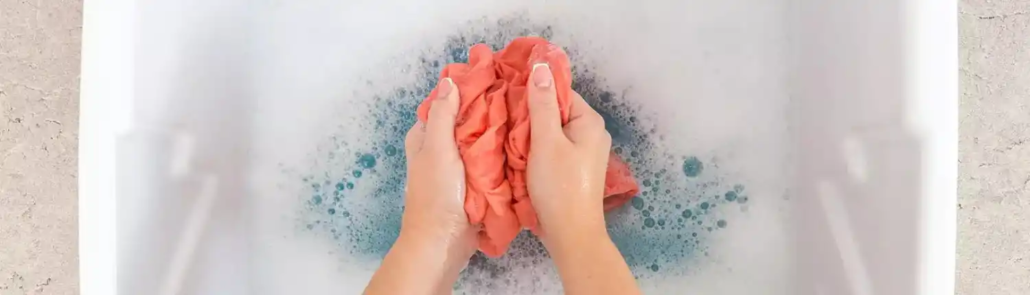
Wash and rinse your Dri-Fit in warm water at approximately 40–50°C (104–122°F). Iron the shirt while still damp using a medium heat setting of 150–170°C (300–340°F). Stretch the fabric to your desired fit, then peg it in place on a flat surface or hang it with weights attached to the hem. Allow it to dry completely over 2–4 hours at room temperature. This method is effective because the combination of heat and moisture relaxes the polyester fibers, allowing them to be reshaped.
Hot Water Soak Method
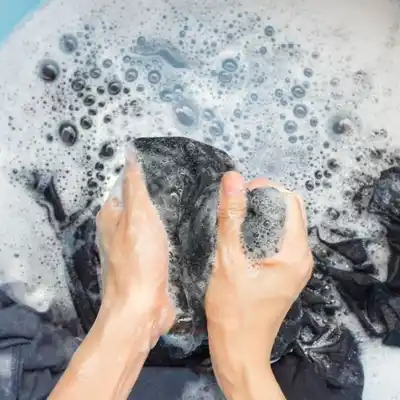
Fill a basin with hot water at 50–60°C (122–140°F) and submerge the Dri-Fit shirt for 15–20 minutes. The heat raises the temperature of the polyester fibers above their glass transition point, making them pliable. Carefully remove the shirt and gently stretch it in all directions to the desired size. Peg the shirt in place on a flat surface and allow it to air dry for 3–4 hours. The stretched fibers will set as the fabric cools and dries.
Tumble Dryer Method

Dampen the Dri-Fit shirt with warm water and place it in the tumble dryer on a low heat setting of approximately 50–60°C (125–140°F). Run the dryer for 25–30 minutes. The combination of heat and tumbling action makes the fabric more flexible. Remove the shirt immediately after the cycle ends and stretch it to the desired fit before it cools. Place it back in the dryer on the same low heat setting for an additional 10–15 minutes to set the stretch.
Hand Stretching After Drying
Remove the shirt from the tumble dryer and lay it flat on a clean surface. Grasp the fabric firmly with both hands and stretch it systematically — work from the shoulders outward, then stretch the torso area side to side. Apply steady, even pressure for 30–60 seconds per section. After stretching, return the shirt to the dryer on a low heat setting for 15–20 minutes to set the expanded shape. This method works best on slightly damp fabric.
Fabric Softener Method
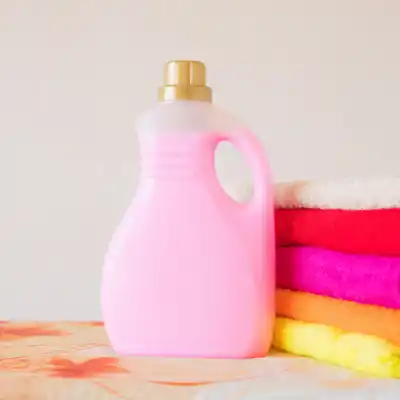
Soak the shirt in a solution of warm water and liquid fabric softener (typically 3–5% cationic surfactant concentration in commercial products) for 40–45 minutes. The softener lubricates the polyester fibers, reducing friction between them and making the fabric more pliable. Rinse the shirt thoroughly with cool water to remove residue. Stretch the shirt to the desired fit, then tumble dry on low heat at 50–60°C (125–140°F) for 20–25 minutes to set the new shape.
Stretching Polyester Fabric
Polyester is a synthetic fabric made from long-chain polymers (polyethylene terephthalate). It is widely used in athletic apparel because it is lightweight, breathable, quick-drying, and resistant to shrinking and wrinkling. Polyester is hydrophobic, meaning it repels water rather than absorbing it, which contributes to its moisture-wicking properties in Dri-Fit clothing. The fabric’s durability and elasticity make it ideal for high-performance sportswear.

These methods are effective for stretching polyester garments:
Hot Water Wash and High Heat Dry
Wash the garment in hot water at 60–70°C (140–158°F) — the upper safe range for polyester that approaches the fiber’s glass transition temperature. Tumble dry on high heat at 70–80°C (160–175°F) for 30–40 minutes. The combination of hot water and high heat causes the polyester fibers to relax and expand. The fabric should emerge noticeably more flexible and slightly larger.
Dampening and Manual Stretching
Dampen the garment with warm water at approximately 40°C (104°F) using a spray bottle or by briefly submerging it. While the fabric is damp, manually stretch it in the desired direction — apply steady pressure for 20–30 seconds per section. A clothes steamer held 15–20 cm (6–8 inches) away from the fabric can supplement this method by heating the fibers to make them more pliable. The heat from the steamer raises the fabric temperature above the glass transition point, allowing the fibers to be reshaped.
Hair Dryer Heat Stretching

Hold a hair dryer set to high heat approximately 10–15 cm (4–6 inches) from the shirt while simultaneously stretching the fabric with your hands. The direct heat targets specific areas that need expansion. Continue heating and stretching for 2–3 minutes per section. This method provides more controlled, localized stretching compared to submersion methods. Allow the fabric to cool for 30–60 seconds before moving to the next section.
How to Stretch Any Tight Shirt
Multiple techniques exist for stretching a tight shirt, regardless of fabric type. The following methods represent the most effective and proven approaches.
Using a Clothes Steamer
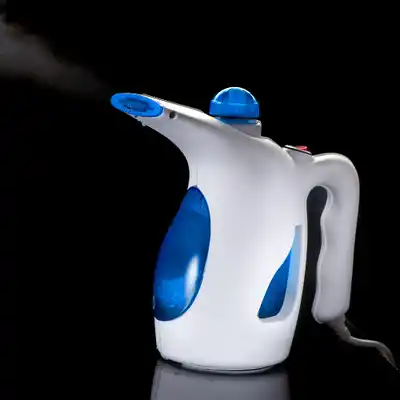
Hang the shirt on a sturdy hanger and hold a clothes steamer 15–20 cm (6–8 inches) away from the fabric. Move the steamer in a back-and-forth motion, allowing steam to saturate the entire shirt for 3–5 minutes. The steam raises the fabric temperature to approximately 100°C (212°F), causing the fibers to expand. Immediately put the shirt on after steaming — the body heat helps set the expanded shape as the fabric cools.
Wearing Damp Shirts
Wet the shirt using a spray bottle filled with warm water or by briefly dunking it in a basin. Put the damp shirt on and wear it for 1–2 hours while moving around normally. As the fabric dries, it gradually expands and conforms to your body shape. This method is ideal for shirts that are only slightly too tight. The expansion occurs because the damp fabric is more pliable when wet and relaxes further as it dries.
Freezer Stretching Method
Wet the shirt with cool water, put it on, and wear it for 45–60 minutes. Then, without removing the shirt, place yourself in front of a fan or air-conditioned space at approximately 20–22°C (68–72°F). The cool air slowly dries the fabric while it is in the stretched position on your body. Alternatively, wet the shirt, place it in a sealable plastic bag, and freeze it for 2–3 hours. Remove the frozen shirt, stretch it manually while it thaws at room temperature for 15–20 minutes, then wear it until it reaches body temperature.
Using a Stretching Tool
Commercial shirt-stretching devices work by applying consistent, even pressure across the fabric to permanently expand the garment. These tools are inserted into the shirt and expanded using a screw mechanism or ratchet system. Leave the tool in place for 24–48 hours. The controlled pressure slowly elongates the fibers without the risk of over-stretching or distorting the fabric that can occur with manual methods.
Hair Conditioner Treatment

Wet the shirt with warm water and massage a generous amount of hair conditioner (containing hydrolyzed proteins and emollients) into the fabric. Allow it to sit for 5–10 minutes. The conditioner lubricates the fibers and reduces inter-fiber friction, making the fabric more pliable. Rinse the shirt thoroughly with cool water, then stretch it to the desired fit and air dry. The conditioner residue keeps the fibers slippery, allowing them to slide past each other more easily during the stretching process.
Dri-Fit Shirt Fit Over Time
Dri-Fit shirts are engineered for a compression fit, so they may feel constricting when new. After being worn and washed 3–5 times, the fabric typically relaxes and conforms to your body shape. The polyester fibers gradually yield slightly under repeated use and body heat. If a Dri-Fit shirt remains uncomfortably tight after several wears, one of the stretching methods described above will effectively increase the garment’s dimensions.
Stretching a Dri-Fit Jersey
Dri-Fit jerseys can be stretched using the same methods as regular Dri-Fit shirts. The most effective approach combines heat and manual stretching.
Wet the jersey with warm water and put it on. While wearing the damp jersey, move your arms and torso in exaggerated motions to stretch the fabric in all directions. Hook your thumbs under the hem and pull upward. Wear the damp jersey for 30–45 minutes while moving around. The fabric will stretch as it air dries, providing a looser fit.
References
- American Society of Testing and Materials. (2021). Standard Guide for Care and Maintenance of Fleece Fabrics. ASTM International.
- University of Illinois Extension. (2022). Fabric Care and Safe Laundering Practices. University of Illinois.


