
Is 95% Polyester 5% Elastane Stretchy?

95% Polyester 5% Elastane Stretchy — The Definitive Guide
Yes, 95% polyester 5% elastane is definitively stretchy. The 5% elastane content provides reliable elasticity that overrides polyester’s minimal inherent stretch, delivering 15-30% four-way stretch with complete recovery to original dimensions. This blend combines polyester’s durability and structure with elastane’s exceptional elastic recovery, making it ideal for garments that need to move with your body while maintaining their shape.
This guide covers everything you need to know about 95% polyester 5% elastane fabric, from its stretch properties and key specifications to practical care tips and common uses.
95% Polyester 5% Elastane Key Specifications
| Property | Value | Notes |
|---|---|---|
| Stretch Capability | 15-30% | Four-way stretch in both directions |
| Elastic Recovery | >95% | Returns to within 5% of original dimensions |
| Elastane Stretch Limit | Up to 500% | Elastane fiber stretches to 5x original length |
| Fabric Weight (GSM) | 180-350 GSM | Depending on knit construction and intended use |
| Polyester Tensile Strength | 4.0-7.0 cN/dtex | High durability and longevity |
| Moisture Absorption | 0.3-0.4% | Quick-drying properties |
| Safe Iron Temperature | 150-170°C (302-338°F) | Medium heat with steam |
| Elastane Lifespan | 500-1,000 cycles | Before gradual elastic degradation begins |
What is 95% Polyester 5% Elastane?
95% polyester 5% elastane is a synthetic fabric blend that combines polyester’s durability with elastane’s exceptional elasticity. This 95/5 ratio creates a fabric that is predominantly polyester (providing structure, wrinkle-resistance, and wind protection) while elastane adds significant stretch and recovery properties. The blend typically weighs between 180-280 GSM depending on the knit construction.
What is Elastane?
Elastane (also known as spandex or Lycra) is a synthetic polyether-polyurea copolymer. It stretches up to 500% of its original length and recovers completely to its original dimensions. This remarkable elastic recovery comes from its unique molecular structure, which allows the polymer chains to unfold under stress and spring back into place.
Elastane provides additional beneficial properties: it dries faster than natural fibers, resists wrinkling, and maintains its elasticity through thousands of stretch cycles. Garments containing elastane offer enhanced pressure comfort and ease of body movement, making them ideal for fitted apparel.
The 95/5 Ratio Explained
The 95% polyester 5% elastane ratio means the fabric contains 95 parts polyester and 5 parts elastane by weight. Polyester provides the fabric’s primary characteristics: high tenacity (2.5-7.0 cN/dtex), low water absorption (0.3-0.4%), and excellent color retention with disperse dyes. Elastane contributes its stretch recovery, allowing the fabric to stretch to approximately 125-150% of its original dimensions while returning to shape.
This specific ratio creates a four-way stretch fabric where the 5% elastane content is sufficient to provide meaningful elasticity without compromising polyester’s beneficial properties. The result is a fabric with approximately 15-30% stretch capability depending on the specific construction.
Combination of Synthetic Materials
Both polyester and elastane are synthetic materials, which simplifies their combination. The compatibility of these polymers allows manufacturers to create uniform blends with consistent stretch properties across production batches. Solution spinning processes for elastane and melt-spinning for polyester enable efficient large-scale production of this fabric blend.
Is 95% Polyester 5% Elastane Stretchy?
95% polyester 5% elastane is definitively stretchy. The 5% elastane content provides reliable elasticity that overrides the minimal inherent stretch of polyester. This blend delivers approximately 15-30% stretch across the fabric width and length, with complete recovery to original dimensions.
The Stretch Properties of Polyester
Polyester alone has minimal stretch — typically only 1-3% elongation at break depending on the yarn type. The common perception of polyester as stretchy comes from blended fabrics like 90% cotton 10% polyester or 65% polyester 35% cotton, where the cotton or other natural fibers contribute to overall elasticity. Pure polyester woven fabrics provide little stretch, while polyester knits offer moderate stretch from their loop structure.
Polyester’s mechanical properties include high tensile strength (4.0-7.0 cN/dtex), low moisture absorption (0.3-0.4%), and excellent resistance to wrinkling and environmental factors. However, it does not possess the elastic recovery that elastane provides.
The Stretch Properties of Elastane
Elastane is one of the most elastic materials available for textile production. It stretches to 500% of its original length under load and recovers fully when the stress is removed. This means a 10-inch elastane fiber can stretch to 50 inches and return to exactly 10 inches after release. Pure elastane fabrics are not practical for everyday wear because the material lacks durability on its own and does not provide sufficient structure.
Elastane maintains its elastic properties through approximately 500-1,000 stretch cycles before gradual degradation begins. This lifespan makes it ideal for athletic wear and frequently-worn garments where consistent stretch recovery is essential.
The Stretch Performance of 95% Polyester 5% Elastane Fabric
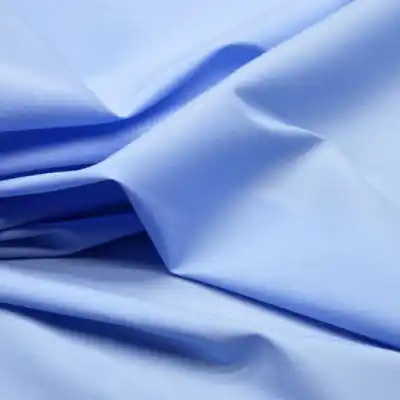
The 95% polyester 5% elastane blend achieves a balance where polyester provides structure while elastane delivers stretch. This fabric combination offers 15-30% stretch in both directions, with four-way stretch characteristics that move naturally with the body. The recovery rate exceeds 95%, meaning the fabric returns to within 5% of its original dimensions after stretching.
Studies indicate that an estimated 80% of U.S. clothing contained spandex/elastane in some form by 2010, demonstrating the widespread adoption of this technology in everyday apparel. The 95/5 polyester-elastane ratio specifically has become a standard for winter garments, sportswear, and fitted apparel requiring both comfort and shape retention.
How to Stretch 95% Polyester 5% Elastane
You can stretch 95% polyester 5% elastane garments beyond their natural recovery with targeted techniques. The elastane component responds well to heat and moisture, allowing temporary or semi-permanent dimension increases with proper application.
Warm Water and Heat Methods
Exposing 95% polyester 5% elastane fabric to temperatures of 40-60°C (104-140°F) softens the elastane fibers and allows them to be stretched beyond their natural dimensions. The most effective method involves soaking the garment in warm water for 15-20 minutes, then gently stretching it to the desired dimensions while damp. Hold the stretch for 30 minutes while the fabric dries.
For ironing applications, set the iron to medium heat (150-170°C / 302-338°F) and use steam functionality. Place a pressing cloth between the iron and fabric to prevent shine or scorching. Iron in smooth, stretching motions rather than pressing down statically.

Permanent Stretch Limitations
95% polyester 5% elastane fabric cannot be stretched permanently. Elastane is designed to return to its original configuration after stretching — this elastic recovery is a fundamental property of the material. Even with heat and moisture treatment, the fabric will gradually return to its original dimensions with wear and washing cycles.
The elastane fibers maintain a “muscle memory” that pulls them back to baseline dimensions. This is why 95% polyester 5% elastane garments retain their shape through repeated wearing and washing — the same property that prevents permanent stretching also prevents permanent shrinking.
Stretching After Wearing
Garments made from 95% polyester 5% elastane will naturally expand slightly with body heat and movement during wear. The fabric conforms to your body shape, providing a personalized fit after the first few wears. For optimal fit, select your true size rather than sizing down expecting the garment to stretch significantly.
The fabric typically reaches its maximum conformed dimension within 2-3 hours of wear. Subsequent wearing will not produce additional stretching — the garment stabilizes at its “worn” fit, which is usually 5-10% larger than the original flat measurement.
What is 95% Polyester 5% Elastane Used for?
95% polyester 5% elastane serves multiple applications where stretch, recovery, and durability are essential. This blend appears across garment categories from performance sportswear to everyday winter apparel.
Winter Garments
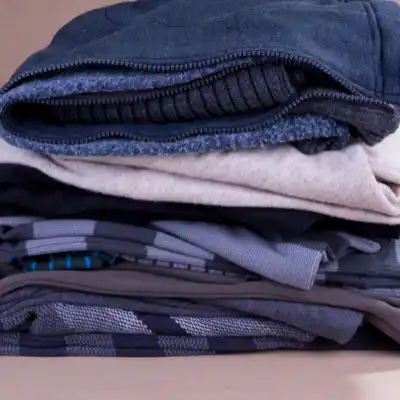
Winter sweaters, jackets, and sweatshirts frequently use 95% polyester 5% elastane because the blend provides warmth without restrictive fit. The polyester component offers wind resistance and thermal retention, while elastane allows for comfortable layering and unrestricted movement. Typical winter garment weights range from 200-350 GSM for this blend.
This fabric combination resists pilling better than pure wool alternatives and maintains its appearance through multiple wash cycles. The wrinkle-resistant properties of polyester mean winter garments retain their smooth appearance even after packing and travel.
Sportswear and Athletic Apparel
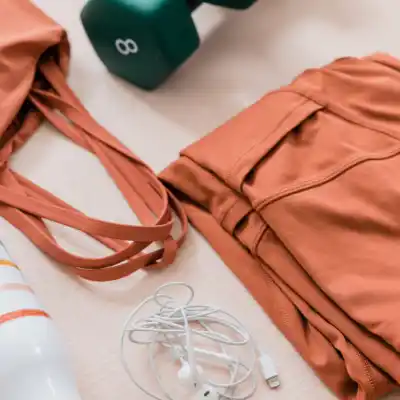
Athletic wear relies heavily on 95% polyester 5% elastane for its combination of moisture management, stretch, and durability. The fabric’s low water absorption (0.3-0.4%) allows it to dry quickly, while the 15-30% stretch range accommodates full range of motion during exercise. Gym leggings, running shorts, cycling jerseys, and athletic base layers commonly use this blend.
The durability of polyester combined with elastane’s recovery means athletic garments maintain their compression qualities and shape through hundreds of wear and wash cycles. This makes 95% polyester 5% elastane cost-effective for high-frequency athletic use.
Body-Fitting Dresses and Formal Wear
Sheath dresses, cocktail dresses, and formal gowns frequently use 95% polyester 5% elastane to achieve smooth, figure-hugging silhouettes. The fabric creates clean lines without bunching or gapping, while the stretch ensures comfortable wear during extended events. The polyester component provides the structure necessary for formal appearances, while elastane allows sit-down comfort.
Stretch formal wear using this blend typically ranges from 180-250 GSM and often includes additional lining for opacity and comfort. The fabric’s high color retention means formal garments maintain their rich appearance through storage and occasional cleaning.
95% Polyester 5% Elastane vs 95% Polyester 5% Spandex Stretch Comparison
95% polyester 5% elastane and 95% polyester 5% spandex are identical in terms of stretchiness. Elastane and spandex are the same material — “spandex” is the North American term while “elastane” is the international ISO-approved name. Both fabrics provide the same 15-30% stretch and complete recovery because they contain the same elastic polymer at the same concentration. The stretch percentage depends on the fabric construction, not the naming convention used.
Final Words
95% polyester 5% elastane is definitively stretchy — the 5% elastane content delivers 15-30% four-way stretch with excellent recovery. This fabric is an excellent choice for winter clothing, athletic wear, and body-hugging garments where comfort and shape retention are priorities. The polyester component ensures durability, wrinkle-resistance, and wind protection, while elastane provides the stretch and recovery that makes these garments comfortable for all-day wear.
For related fabric information, read our guide on is 65% polyester 35% cotton stretchy.


