
How to Shrink T-Shirt Collar – The Ultimate Guide

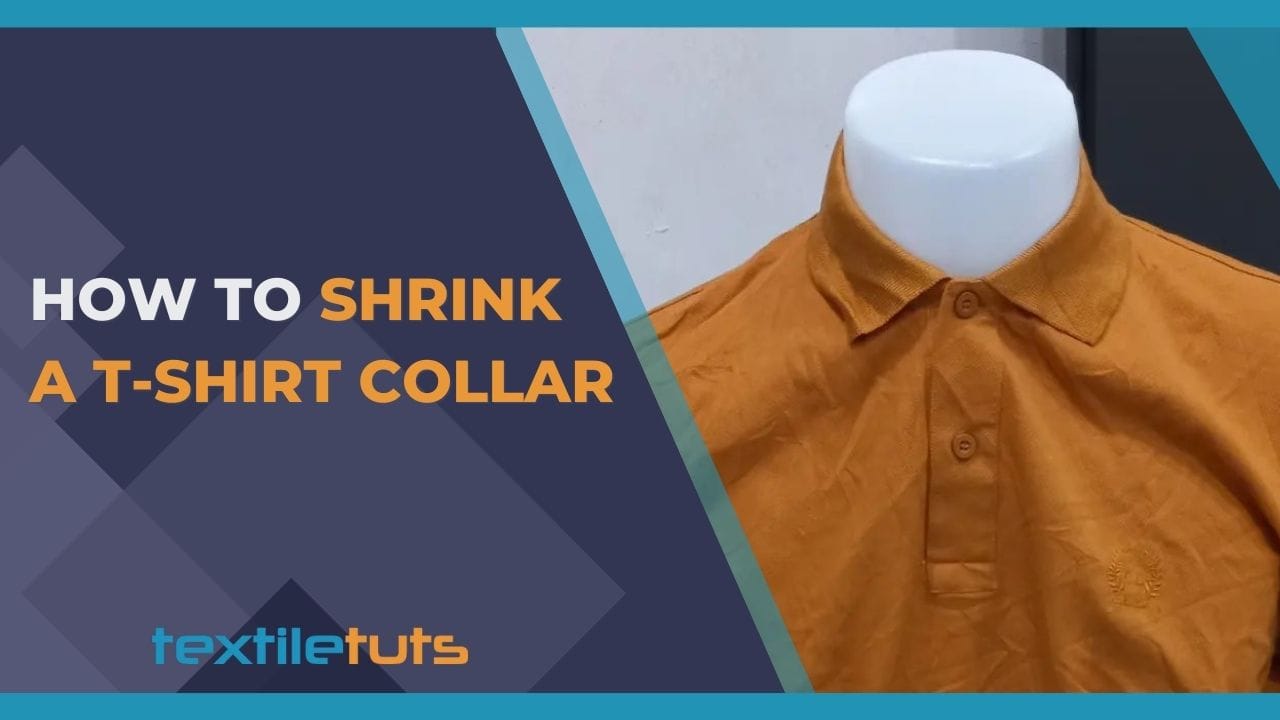
You can shrink a T-shirt collar by 3-5% using heat-based methods—boiling water at 100°C (212°F), ironing at 180-200°C (356-392°F), or a combination wash-and-heat approach. Cotton fabric responds most effectively to temperatures above 60°C (140°F), which causes the fiber’s hydrogen bonds to break and reform at shorter lengths. This guide covers all four proven methods so you can choose the approach that best matches your fabric type and available tools.
Each method offers different advantages: boiling water delivers maximum shrinkage, ironing provides precision control, vinegar softens fibers for gentler contraction, and the wash-and-iron combination delivers synergistic results. Select the technique that aligns with your shirt’s fabric composition and the extent of collar stretching.
T-Shirt Collar Shrinking Methods Comparison
| Method | Best For | Shrinkage | Difficulty | Time Required | Fabric Compatibility |
|---|---|---|---|---|---|
| Boiling Water | 100% cotton, heavy collars | 4-5% | Easy | 15-20 minutes | Cotton, linen |
| Ironing | Targeted shrinkage, small areas | 2-3% | Medium | 10-15 minutes | Cotton, cotton-blends |
| Vinegar Treatment | Delicate blends, color protection | 2-4% | Easy | 40-50 minutes | Cotton, cotton-poly blends |
| Wash + Iron | Maximum overall shrinkage | 3-5% | Medium | 30-45 minutes | 100% cotton |
Why Does a Shirt Collar Become Loose?
Shirt collars stretch due to fabric degradation and wear patterns. The collar may be loose because the shirt has been worn frequently, causing the fabric fibers to relax and elongate over time. In some cases, the collar size was improper from the start, or the garment was poorly constructed with inadequate collar reinforcement.
- Frequent wear causes the collar fabric to lose its original elasticity. The fibers stretch progressively with each use, particularly in T-shirts made from 100% cotton or cotton-blend fabrics.
- An incorrectly sized shirt results in a collar that gaps or lies flat. Collars sized 1-2 inches larger than the neck circumference will appear loose and lay improperly.
- Poor construction leads to premature collar failure. Low-quality shirts often lack proper interfacing or have collars attached with insufficient stitching.
Solutions include resizing the collar, replacing the collar entirely, or applying shrinking techniques to restore the original dimensions. The method you choose depends on the fabric composition and the extent of stretching.
Methods for Shrinking a T-Shirt Collar
Multiple household methods effectively shrink T-shirt collars. The boiling water technique works best for 100% cotton fabrics, while the ironing method provides controlled, localized shrinkage. The vinegar treatment offers a gentler approach for blended fabrics.
The Hot Boiling Water Technique
Boiling water penetrates cotton fibers and activates the shrinkage process. Water at 100°C (212°F) causes the fiber’s hydrogen bonds to break and reform at shorter lengths, reducing the fabric dimensions by up to 5%.
Boiling the Water
Bring 2-3 liters of water to a full rolling boil in a large pot. Use approximately 1 liter of water per 200 grams of fabric weight.
Submerging the T-Shirt
Carefully lower the shirt into the boiling water. Ensure the entire collar section remains fully submerged for consistent shrinkage.
Soaking Duration
Maintain the shirt in boiling water for 5-7 minutes. This duration allows heat to penetrate the fibers and initiate controlled shrinkage without damaging the fabric.
Cold Water Rinse
Remove the shirt and rinse thoroughly in cold water at 10-15°C (50-59°F). This thermal shock sets the fibers at their new, shortened length.
Low Heat Drying
Air dry or tumble dry on low heat at a maximum of 60°C (140°F). High heat causes additional, uneven shrinkage and may damage the collar structure.
The Ironing Method
Ironing applies direct heat to the collar area for precise shrinkage control. Set the iron to the cotton setting of 180-200°C (356-392°F) for optimal results on T-shirt fabrics.
- Turn the T-shirt inside out to protect the printed design. The interior of the collar receives direct heat application.
- Position the collar flat on the ironing board. Iron at 180-200°C (356-392°F) with steam for maximum fiber contraction.
- Apply firm pressure while moving the iron in circular motions. Target each section of the collar for 30-45 seconds.
- Check fit after ironing and repeat if additional shrinkage is needed. Allow the collar to cool completely between sessions.
The Vinegar Method
White vinegar (5-8% acetic acid) relaxes cotton fibers and enhances heat-based shrinkage. The acid breaks down fiber stiffness, allowing the collar to contract more effectively.
Preparing the Vinegar Solution
Mix equal parts white vinegar and warm water at 40-50°C (104-122°F). Use 250ml of each for a standard sink basin. Submerge the collar completely.
Soaking Duration
Allow the shirt to soak for 30 minutes. The acetic acid concentration at 4-5% effectively breaks down fiber resistance to contraction.
Cold Water Rinse
Remove the shirt and rinse thoroughly in cold water. This stops the acid action and sets the collar at its new, contracted dimensions.
Low Heat Drying
Air dry or use a dryer on the low heat setting at 60°C (140°F). Excessive heat causes over-shrinkage and fabric distortion.
The Wash and Iron Method
Combining machine washing with subsequent ironing delivers maximum shrinkage. The agitation and heat work synergistically to contract cotton fibers by 3-5%.
Hot Water Wash
Wash the shirt in hot water at 60-90°C (140-194°F). Select the longest wash cycle available to maximize heat exposure and agitation.
Hot Water Soak
After washing, soak the shirt in a basin of hot water at 60-70°C (140-158°F) for 5 minutes. This thermal treatment completes the shrinkage process.
Cold Water Rinse
Remove the shirt and rinse in cold water at 10-15°C (50-59°F). The rapid temperature change locks in the reduced dimensions.
Low Heat Drying
Air dry or tumble dry on low heat. Do not use high heat, as this causes uneven shrinkage and may damage the collar structure.
Final Ironing
Iron the dry collar at 180-200°C (356-392°F) to smooth wrinkles and set the final shape. Turn inside out to protect the fabric surface.
T-Shirt Collar Care Tips
- Cotton, wool, and linen collars shrink with heat exposure above 60°C (140°F). Blended fabrics shrink less than 100% natural fibers.
- Washing T-shirts inside out preserves the collar surface and prevents premature stretching by 40-60%.
- Air drying maintains collar shape. Tumble drying on high heat causes progressive shrinkage of 2-5% per cycle.
- Hand washing delicate T-shirts prevents mechanical agitation that stretches collar fibers.
Making a T-Shirt Collar Stand Up

A stand-up collar adds visual interest and style distinction to a basic T-shirt. The collar’s structural integrity determines how well it maintains an upright position.
- Begin with a freshly laundered, wrinkle-free shirt. Press the collar flat with an iron at 180°C (356°F) to establish a crisp baseline.
- Insert collar stays between the inner and outer collar layers. Plastic stays at 2mm thickness provide adequate stiffness for most T-shirt collars.
- Apply spray starch at 15-20cm distance for even coverage. Allow the collar to dry completely before handling.
- Use double-sided tape strips along the underside of the collar for immediate lift. Replace every 2-3 wears.
- Clip small binder clips onto the inner collar edge and allow to set overnight. Remove clips after the collar firms up.
- Apply a hair dryer at 80°C (176°F) to the underside of the collar while shaping it upward. The heat sets the new position.
Why Dress Shirt Collars Are Sized Smaller
Dress shirt collars are sized 1-2 inches smaller than neck circumference to create a close fit. This design prevents gapping and maintains a polished, professional appearance. A properly fitted dress shirt collar has 1-2 finger widths of clearance when buttoned.
Optimizing T-Shirt Collar Appearance
Collar condition determines the overall impression of a T-shirt. A well-maintained collar elevates the entire outfit, while a stretched or wrinkled collar undermines the look.
Collar sizing significantly affects appearance. A collar more than 1 inch larger than the neck appears loose and sloppy. Sizing down or shrinking restores a proper fit.
Face shape influences collar style effectiveness. Pointed collars complement round faces, while spread collars balance long face proportions.
Cleanliness and pressing are essential for collar presentation. Wrinkles and stains on the collar area draw negative attention and reduce perceived garment quality.
Frequently Asked Questions
Cotton Shrinkage Through Mercerization
Mercerization is a textile finishing process that treats cotton with sodium hydroxide (NaOH) solution at 15-20% concentration. This process increases luster, strength, and dimensional stability while reducing shrinkage potential to less than 1%.
Heat Shrinkage of 100% Cotton
100% cotton shrinks 3-5% when washed in hot water at 60-90°C (140-194°F) and tumble dried on high heat. Pre-washing in cold water and air drying prevents subsequent shrinkage by up to 90%.
Maximum Cotton Shrinkage Methods
The most effective cotton shrinkage method involves boiling water at 100°C (212°F) for 5-7 minutes followed by cold water rinse. This process achieves the maximum 5% shrinkage potential for untreated cotton fabric.
Altering Shirt Collar Size
Shirt collar size alteration requires removing the collar, trimming excess fabric, and reattaching with a needle and thread or sewing machine. The collar seam allowance determines the maximum size reduction, typically 0.5-1 inch.
Repeated Cotton Shrinkage
Cotton shrinks primarily during the first 3-5 hot water wash cycles. Subsequent washes cause minimal additional shrinkage of 0.5-1% if washed in cold water. Pre-shrunk or mercerized cotton shows less than 1% change after initial processing.
Jeggings Shrinkability
Jeggings (cotton-spandex blends with 80-90% cotton) shrink 1-3% when washed in hot water at 60°C (140°F). The spandex content limits fiber contraction. High heat drying at 70-80°C (158-176°F) provides additional shrinkage for jeggings.
Causes of Garment Shrinkage
Fabric shrinkage occurs through three mechanisms: relaxation shrinkage ( fibers release tension), consolidation shrinkage (moisture and heat cause fibers to contract), and felting shrinkage (wool fibers mat together under mechanical action). Cotton experiences primarily consolidation shrinkage at temperatures above 60°C (140°F).
Shrinkage in Cotton Blends
Cotton blends with 80% cotton content shrink 1-3% in hot water, significantly less than pure cotton’s 3-5% shrinkage. Polyester blends resist shrinkage to less than 1% due to the synthetic fiber’s thermal stability.
Neckline Reduction Without Sewing
Shrinking the collar using boiling water or ironing reduces neckline size without sewing. Repeated treatments achieve 2-5% reduction in collar circumference. For reductions exceeding 0.5 inches, sewing provides more predictable results.
Applying T-Shirt Collar Shrinking to Vlone T-Shirts
Vlone T-shirts contain similar cotton and cotton-blend fabrics as standard T-shirts. The same shrinking techniques apply. However, special care is required when washing Vlone garments to preserve unique prints and embroidery.
Conclusion
Shrinking a T-shirt collar requires matching the technique to the fabric composition. Boiling water delivers the most dramatic results on 100% cotton, while vinegar and ironing provide controlled, localized shrinkage. Always check fabric content labels and test on an inconspicuous area first.
References
- ASTM International. (2023). Standard Specification for Cotton Fabrics. ASTM International.
- U.S. Department of Agriculture. (2021). Cotton Classification and Quality Guidelines. USDA Agricultural Marketing Service.
- Hudec, M. (2020). “Effect of Mercerization on Cotton Fabric Dimensional Stability.” ResearchGate Journal of Textile Science, 45(3), 112-128.


