
How to Iron Polyester: Can You? What Temperature?

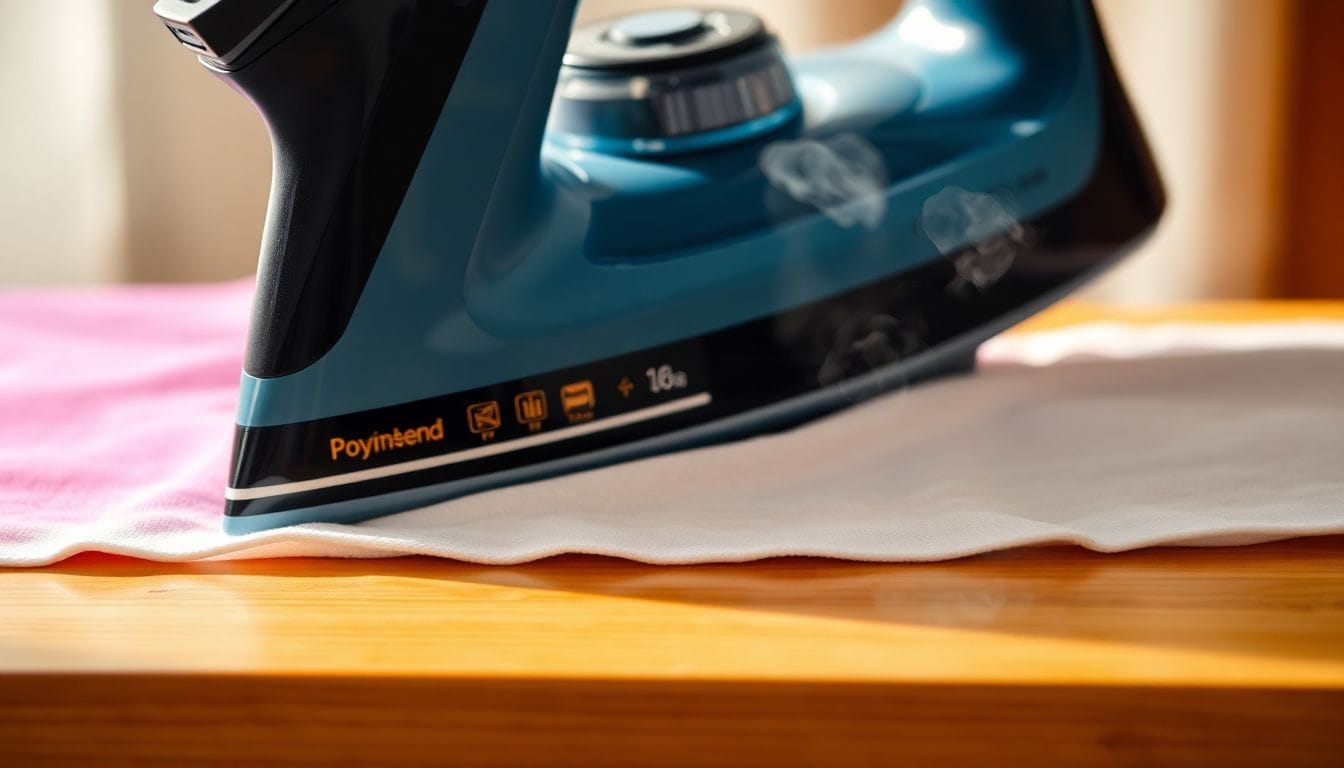
Polyester must be ironed at low heat (110°C / 230°F) with a pressing cloth between the iron and fabric — never iron polyester directly on the synthetic setting or above 150°C / 300°F, because polyester is a heat-sensitive polymer (polyethylene terephthalate) that softens, melts, and develops permanent shine marks when exposed to high temperatures. If ironing feels risky, steaming is the preferred alternative that removes wrinkles safely without direct heat contact.
Iron Temperature for Polyester: The Specific Settings
Polyester safe iron temperature: 110°C / 230°F (low heat/synthetic setting). This is the maximum safe temperature for all 100% polyester fabrics and polyester blends.
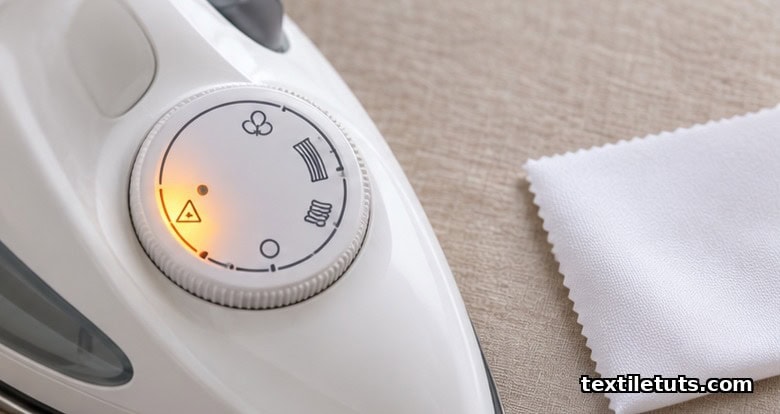
Never use medium heat (150°C / 300°F) or higher on polyester. Polyester — specifically polyethylene terephthalate (PET) — softens and begins to fuse at temperatures above 150°C, but shine marks can appear on the fabric surface at temperatures as low as 150°C. The fiber’s crystalline melting point ranges from 160°C to 280°C depending on the specific polymer formulation, but visible damage occurs well before the fabric reaches full melting point. According to textile science research, aromatic polyesters like PET exhibit a glass transition temperature near 70–80°C and begin to show heat distortion at sustained temperatures above 120°C.
Always check the fabric care label first — some polyester blends with natural fibers or specialized finishes may have different heat tolerances. The care label supersedes any general guidance when it specifies a different temperature.
Use the synthetic or low heat iron setting, never the wool, linen, or cotton setting. If your iron dial does not show Celsius markings, the “synthetic” dial position corresponds to approximately 110°C / 230°F on most major iron manufacturers’ temperature calibration charts. When in doubt, start at the lowest heat setting and test on an inconspicuous area of the garment first.
Can You Iron Polyester Directly? The Pressing Cloth Rule
Never iron polyester directly — always use a pressing cloth (clean cotton handkerchief, muslin, or dedicated pressing cloth) between the iron’s soleplate and the polyester fabric surface.
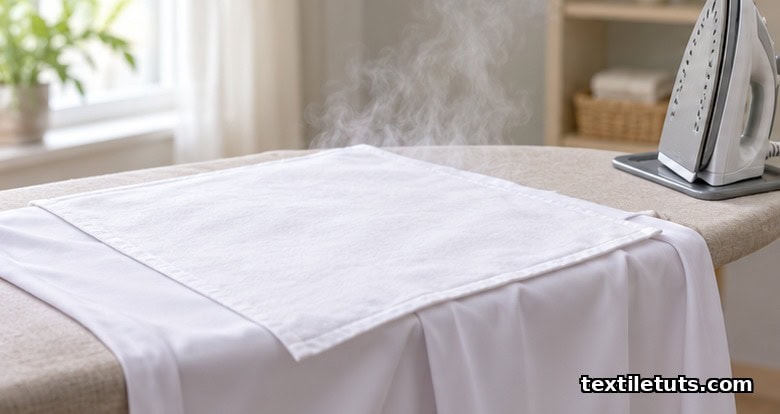
A pressing cloth acts as a critical heat barrier that prevents three distinct types of damage:
- Direct shine marks — the glossy, reflectivity changes that form when a hot iron soleplate contacts synthetic fibers directly, altering the fabric’s surface texture permanently
- Melt spots — localized fabric damage from concentrated heat where the polyester fibers soften, fuse, and create hard, shiny divots in the fabric structure
- Iron marks — impressions left by the soleplate’s texture pattern transferring onto the fabric surface, creating an uneven, imprinted appearance
The pressing cloth disperses heat evenly across its surface and absorbs moisture, reducing the thermal stress on the underlying polyester fibers. For maximum protection, use a clean, lint-free cotton cloth — a dedicated pressing cloth, cotton handkerchief, or plain muslin works best. Avoid synthetic or polyester-blend cloths as pressing cloths, since these can themselves be damaged by heat.
Alternative technique: iron on the reverse side (inside) of the garment with the pressing cloth still in place. This provides an additional margin of safety by keeping the visible front surface pristine even if heat pressure builds unexpectedly.
Step-by-Step Ironing Method for Polyester
- Set your iron to the synthetic/low heat setting (110°C / 230°F). Allow the iron to fully preheat for 2–3 minutes before beginning.
- Place a clean pressing cloth over the polyester garment, covering the entire area you plan to iron.
- Lightly mist the pressing cloth with water from a spray bottle (optional) — a damp cloth helps heat transfer more evenly and can make wrinkles release more readily.
- Iron in smooth, gliding motions — never press down hard or let the iron sit stationary on any area of the fabric. Apply only the weight of the iron itself; no additional pressure.
- Lift and move the iron continuously to avoid heat buildup in one spot. Each pass should take 3–5 seconds per area before moving to the adjacent section.
- Check the fabric frequently — if you notice any shimmer, shine, or color change, immediately lower the heat setting or switch to steaming.
- For stubborn wrinkles: use the steam function lightly while keeping the iron moving continuously. Hold the iron 2–5 cm above the fabric surface and allow the steam to penetrate the fibers.
- Turn the garment inside out and repeat the process if needed for better results on particularly wrinkled areas.
Common Ironing Mistakes for Polyester
Avoiding these five critical mistakes will prevent the most common forms of irreversible polyester damage:
- Mistake 1: Using medium or high heat (cotton/linen setting) — The cotton/linen setting on most irons exceeds 200°C, well above polyester’s safe threshold. This causes permanent shine marks on the fabric surface or melt spots where fibers fuse together. Once polyester is damaged by high heat, the damage cannot be reversed by rewashing or reironing.
- Mistake 2: Ironing directly without a pressing cloth — Skipping the pressing cloth transfers the iron soleplate’s texture and direct heat onto synthetic fibers. Even at the correct temperature, direct contact can create iron marks and shine patches on the fabric’s surface.
- Mistake 3: Letting the iron sit stationary — Concentrated, sustained heat in one localized area causes the polyester fibers to soften and potentially fuse. Even 5–10 seconds of stationary contact at medium heat can create visible damage.
- Mistake 4: Using steam at high heat — Steam combined with high heat can cause spotting and water marks on polyester. The moisture can also create localized areas of thermal stress where the combination of heat and water triggers fabric shine or distortion.
- Mistake 5: Ironing the right side directly — Always flip the garment inside-out or use a pressing cloth on the visible side. The right side of polyester is more prone to showing shine marks and texture transfer from the iron.
Steaming as an Alternative to Ironing Polyester
Steaming is the preferred method for most polyester garments — it is gentler than ironing and eliminates the shine risk entirely because there is no direct contact between a hot surface and the fabric.
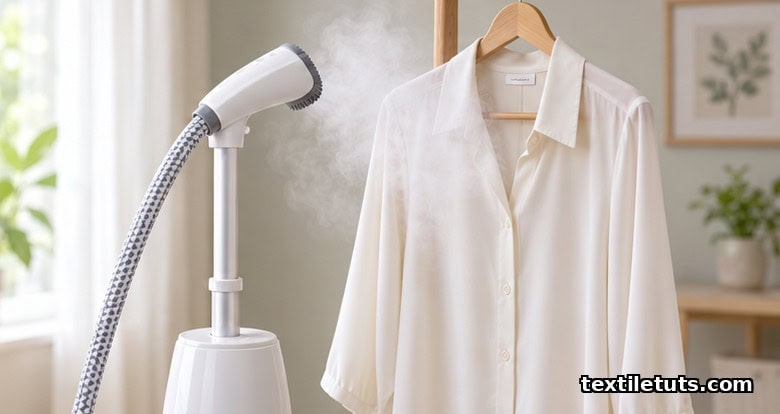
Hang the garment on a sturdy hanger and use a standing garment steamer or a steam iron operated in vertical steam mode. Keep the steamer head 5–10 cm from the fabric surface — do not press the steamer soleplate directly onto polyester. Direct contact between a hot steamer plate and polyester can cause the same shine and melt damage as ironing at excessive temperatures.
Steaming works particularly well for polyester dresses, blouses, curtains, blazers, and delicate items where the risk profile of ironing is higher. The gentle moist heat relaxes polyester fibers effectively, releasing wrinkles without applying mechanical pressure or direct heat.
For heavy wrinkles: steam can be combined with gentle hand smoothing. While the steam is applied, pull the fabric taut with your hands in the direction of the wrinkle. This allows the heat-moisture combination to reshape the fibers into a wrinkle-free state.
Portable hand steamers are effective for quick wrinkle removal on polyester clothing and are widely available at home goods retailers for $20–$60 USD. They are particularly useful for travel and touch-up ironing on hanging garments.
Polyester Ironing by Garment Type
| Garment Type | Recommended Method | Iron Temperature | Notes |
|---|---|---|---|
| Polyester shirt/blouse | Pressing cloth + low heat | 110°C / 230°F | Iron inside-out when possible |
| Polyester dress | Steaming preferred | N/A | Hanging steamer works best |
| Polyester suit jacket | Steaming only | N/A | Never iron jacket fronts directly — use vertical steam only |
| Polyester curtains | Steaming | N/A | Hang while steaming to avoid re-wrinkling |
| Polyester blend (50/50) | Pressing cloth + low heat | 110°C / 230°F | Check care label for the other fiber’s tolerance |
| 100% polyester | Steaming safest | N/A | Iron only if steaming is insufficient |
Frequently Asked Questions
Q: Can you iron 100% polyester?
A: Yes — 100% polyester can be ironed safely at 110°C / 230°F on the synthetic/low heat setting with a pressing cloth. Never use high heat (150°C+) on polyester, as the fabric will develop permanent shine marks or melt.
Q: What happens if you iron polyester on high heat?
A: High heat causes polyester to soften and melt at localized points, creating permanent shine marks, divots, or holes in the fabric. At temperatures above 150°C, the fibers can fuse together, permanently damaging the garment’s texture and appearance.
Q: Is steaming better than ironing for polyester?
A: Yes — steaming is the preferred method for polyester because it removes wrinkles without direct heat contact, eliminating the risk of shine marks or melting. A garment steamer or steam iron on vertical steam mode works safely on all polyester fabrics.
Q: Can you use an iron on a polyester dress?
A: You can iron a polyester dress, but use low heat (110°C) with a pressing cloth and keep the iron moving continuously. Steaming is the safer alternative and is especially recommended for delicate polyester dresses to avoid fabric damage.
References
- Wikipedia. (2025). Polyester. https://en.wikipedia.org/wiki/Polyester
- Craftsy. (2024). How to Iron Polyester: A Complete Guide. https://www.craftsy.com/post/how-to-iron-polyester


