
Does Ralph Lauren Shrink? Polo Shirt and Knitwear Care

Does Ralph Lauren Shrink? Polo Shirt and Knitwear Care
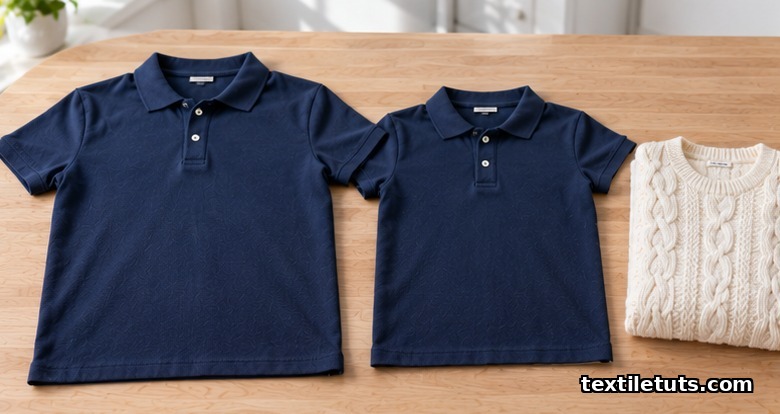
Ralph Lauren’s iconic Polo Ralph Lauren cotton piqué shirts shrink 2–4% in warm water — less than many comparable shirts because Ralph Lauren uses higher-quality cotton in their core product. Their cashmere and merino knitwear, however, carries the same extreme felting risk as all wool: machine washing any Ralph Lauren wool or cashmere item causes irreversible damage. Understanding how each Ralph Lauren label tier handles laundering protects your investment in these garments.
Ralph Lauren Brand Tiers and Their Fabric Quality
Ralph Lauren operates multiple distinct label tiers, each using different fabric specifications and care requirements. Knowing which label you own determines the correct approach to shrinkage risk.
Polo Ralph Lauren (Core Label)
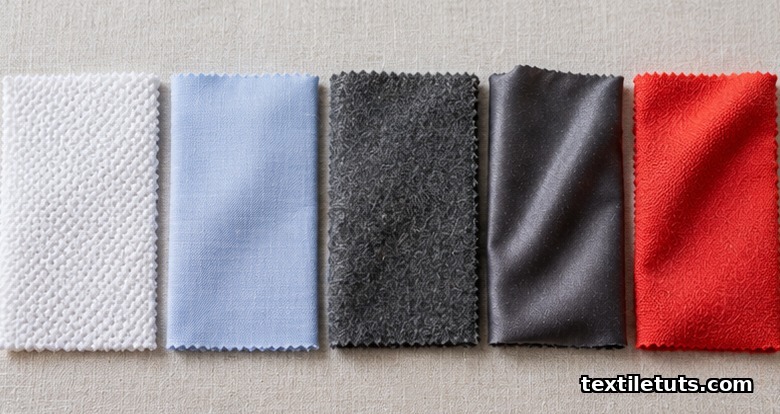
Polo Ralph Lauren is the brand’s core label and the most widely recognized tier. Main products include polo shirts, chinos, Oxford shirts, and knitwear. The cotton quality is typically Pima cotton or combed cotton — processes that remove shorter fibers and produce a smoother, stronger, more dimensionally stable yarn. This construction delivers slightly better dimensional stability than mass-market cotton, controlling shrinkage without eliminating it entirely.
Ralph Lauren Purple Label (Luxury)
Purple Label represents Ralph Lauren’s luxury tier, using the finest materials available — including Sea Island cotton, cashmere, and silk blends. These fabrics demand professional-level care. Dry clean or hand wash only applies to the vast majority of Purple Label items. Never machine wash Purple Label knitwear — the agitation and temperature exposure causes irreversible damage to the fine fibers.
Ralph Lauren Collection (Women’s Luxury)
The Ralph Lauren Collection line mirrors Purple Label in its material quality and care requirements. A high proportion of silk, cashmere, and fine wools means dry cleaning is the standard recommendation. Attempting home laundering on these pieces risks both shrinkage and fiber destruction.
Polo Sport / RLX (Performance)
Polo Sport and the RLX line are performance-focused divisions using synthetic fibers — primarily polyester or polyester-elastane blends. Polyester is inherently dimensionally stable and highly resistant to shrinkage. Garments in these lines can generally be machine washed at standard temperatures with minimal risk of size change.
Shrinkage by Garment Type
Different Ralph Lauren garments carry fundamentally different shrinkage and felting risks depending on their fiber composition. Here is the complete breakdown.
Polo Shirts (Cotton Piqué)
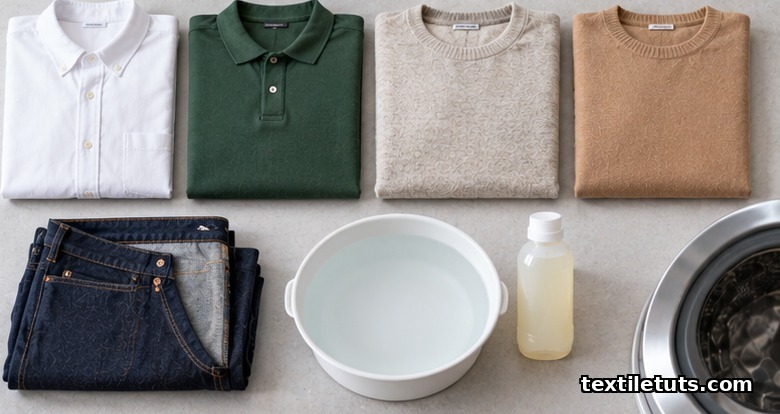
Polo Ralph Lauren polo shirts are made from 100% cotton piqué — a woven fabric with a distinctive ribbed texture that provides breathability and structure. In the first warm wash, these shirts experience 2–4% shrinkage. Cotton-elastane polo variants — which add 2–5% elastane for stretch and shape retention — shrink 2–3%, though higher heat poses a risk to the elastane fibers, causing them to degrade over time.
Care recommendation: Machine wash on the warm cycle (40°C / 104°F). Tumble dry on low heat. Iron on medium heat while the garment is still slightly damp to restore the collar’s crisp structure. Removing polo shirts promptly from the dryer and smoothing them flat prevents collar distortion as the fabric cools.
Cotton Oxford Shirts
Ralph Lauren Oxford shirts are typically made from 100% cotton twill or poplin weaves. Approximately 60–70% of Ralph Lauren Oxford shirts undergo a pre-washing process during manufacturing that pre-shrinks the fabric and softens the hand feel. Even pre-washed variants may experience 1–2% residual shrinkage on the first warm wash. Non-pre-washed varieties show 2–4% shrinkage on the first warm wash.
Care recommendation: Machine wash warm. Iron on medium-high heat with steam to restore crispness. For best results, remove from the dryer while still slightly damp and iron immediately.
Merino Wool Knitwear
Merino is a fine wool fiber — typically 17–22 microns in diameter — that is more prone to felting when subjected to mechanical action and heat than standard wool. This fine fiber diameter gives merino its soft hand feel but also makes it susceptible to irreversible felting when exposed to standard machine wash cycles. Felting is the matting of wool fibers that causes fabric to shrink, thicken, and lose its shape permanently. For proper merino wool care, hand washing in cold water with a wool-specific detergent is mandatory.
Hand washing in cold water with a wool-specific detergent is the recommended method. Lay the garment flat to dry, reshaping gently while damp. Never hang wet merino knitwear — the weight of absorbed water stretches the fibers.
Care recommendation: Hand wash in cold water (30°C / 86°F or below). Use a wool-specific detergent. Lay flat to dry. Do not machine wash unless the garment is explicitly labeled “machine washable merino.”
Cashmere Sweaters
Cashmere — harvested from the undercoat of Capra hircus goats — is among the finest and most delicate natural fibers used in apparel. Single-ply cashmere garments are extremely susceptible to felting. One machine wash cycle causes irreversible felting, compressing the garment to a fraction of its original size and destroying the softness that defines the fiber.
The International Wool Textile Organisation (IWTO) notes that cashmere fibers average 14–16 microns in diameter, making them finer and more fragile than merino. This extreme fineness demands the gentlest care possible. Hand washing in cold water only, with a detergent specifically formulated for cashmere or wool, is mandatory. After washing, never wring the garment — press water out gently with a towel and lay flat to dry.
Storage is equally important: body oils left in cashmere attract moth larvae, which can destroy a garment in storage. Always clean cashmere before seasonal storage. Store folded with cedar blocks or lavender sachets — never hang cashmere knitwear, as the weight stretches the shoulders. Replace cedar blocks annually to maintain their moth-repellent effectiveness.
Denim (Polo Denim)
Ralph Lauren Polo Denim jeans are typically pre-washed or enzyme-washed during manufacturing, which pre-shrinks the fabric and reduces residual shrinkage to near zero. The indigo dye may bleed in the first few washes but stabilization occurs quickly.
Care recommendation: Wash inside out in cold water on a gentle cycle. Line dry is preferred to preserve the dye and minimize any residual shrinkage. Tumble dry low if needed.
High-Value Ralph Lauren Care Tips
Protecting your Ralph Lauren garments goes beyond wash temperature. These care practices extend the life of every Ralph Lauren piece you own.
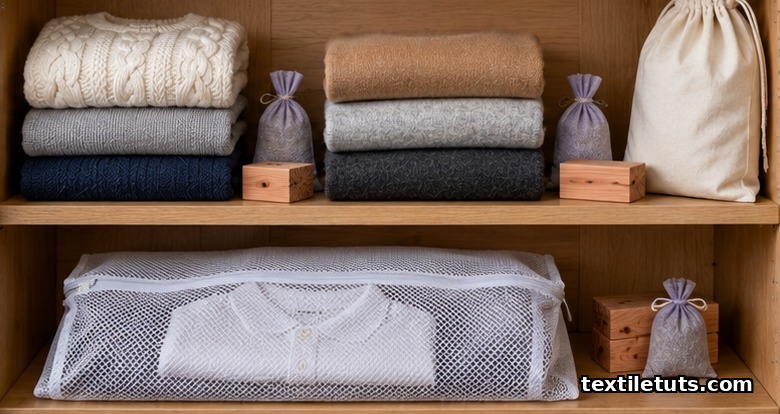
- Always store Ralph Lauren knitwear folded, never hung. Hanging wool or cashmere knitwear causes the garment to stretch under its own weight, distorting the shoulder shape and lengthening the body.
- Use cedar blocks or lavender sachets for cashmere and wool storage. These natural repellents deter moth larvae without the chemical odor of traditional mothballs. Replace cedar blocks annually to maintain effectiveness.
- Clean cashmere before seasonal storage — body oils attract moth larvae. Even a single wear without washing leaves enough skin oils and perspiration to feed moth larvae over a storage season. Always wash before storing.
- For Polo shirts: remove promptly from the dryer and smooth flat. The collar is the most heat-sensitive part of the polo shirt. Removing it while the fabric is still warm and smoothing the collar flat prevents permanent distortion as the garment cools.
- Use a garment bag for machine washing cotton polos. If you must machine wash, placing polo shirts in a large mesh laundry bag reduces mechanical agitation that can accelerate fiber wear and collar distortion.
- For proper garment storage of knitwear: Always fold and never hang. Use breathable cotton storage bags rather than plastic to prevent moisture buildup and fiber damage.
Frequently Asked Questions
Does hanging wool knitwear cause stretching?
Yes — hanging wet wool or cashmere knitwear stretches the fibers under the weight of absorbed water, distorting shoulder shape and lengthening the body. Always lay these garments flat to dry, reshaping gently while damp.
How do I remove pilling from Ralph Lauren polo shirts?
Use a fabric shaver or sweater comb to remove pills from cotton piqué polo shirts. Pilling occurs when short cotton fibers ball up on the fabric surface — it is normal wear behavior, not a defect. Removing pills with a fabric shaver restores the smooth appearance without damaging the fabric.
What is the best way to store cashmere off-season?
Clean cashmere before seasonal storage — body oils attract moth larvae that can destroy garments. Fold and store with cedar blocks or lavender sachets. Replace cedar blocks annually. Never hang cashmere knitwear; the weight stretches the shoulder fibers.
References
- International Wool Textile Organisation (IWTO). (n.d.). Wool Care Guide. https://www.woolmark.com/care/
- Cotton Incorporated. (n.d.). Cotton Fabric Properties and Care. https://www.cottonworks.com/fabric-care/cotton-fabric-properties/
- AATCC — American Association of Textile Chemists and Colorists. (n.d.). Textile Care Standards and Test Methods. https://www.aatcc.org/
- ASTM International. (n.d.). Fabric Care Labeling Standards (ASTM D3136). https://www.astm.org/


