
Does Gildan Softstyle Shrink? Shrinkage Secrets Unveiled!

Yes, Gildan Softstyle t-shirts shrink when washed. Made from 100% ring-spun cotton, these garments typically experience 3-5% shrinkage—primarily during the first wash—which exceeds the industry pre-shrunk standard of less than 3%. Buying one size larger is recommended if you are between sizes to account for this initial shrinkage.
The Gildan Softstyle line is known for its comfortable fit and soft material, making it a popular choice for everyday wear. The fabric composition reveals that the Softstyle line is made from 100% ring-spun cotton, which contributes to the shrinking properties of cotton, resulting in the garments shrinking after being washed and dried.
Gildan Softstyle Shrinkage at a Glance
| Shrinkage Rate | 3–5% (first wash) |
| Industry Pre-Shrunk Standard | < 3% |
| Max Wash Temperature | 30°C (86°F) |
| Max Dry Heat | 50°C (122°F) |
| Critical Heat Threshold | 60°C (140°F) — causes 3–5% additional shrinkage per cycle |
| Garment Lifespan | 50+ wash cycles with proper care |
Gildan Softstyle Cotton Shrinks: The Facts
If you purchase a Gildan Softstyle cotton shirt, expect it to shrink slightly. This occurs because Gildan Softstyle clothing items are made with 100% ring-spun cotton, a higher quality, softer fabric that typically experiences 3-5% shrinkage, which exceeds the industry pre-shrunk standard of less than 3%.
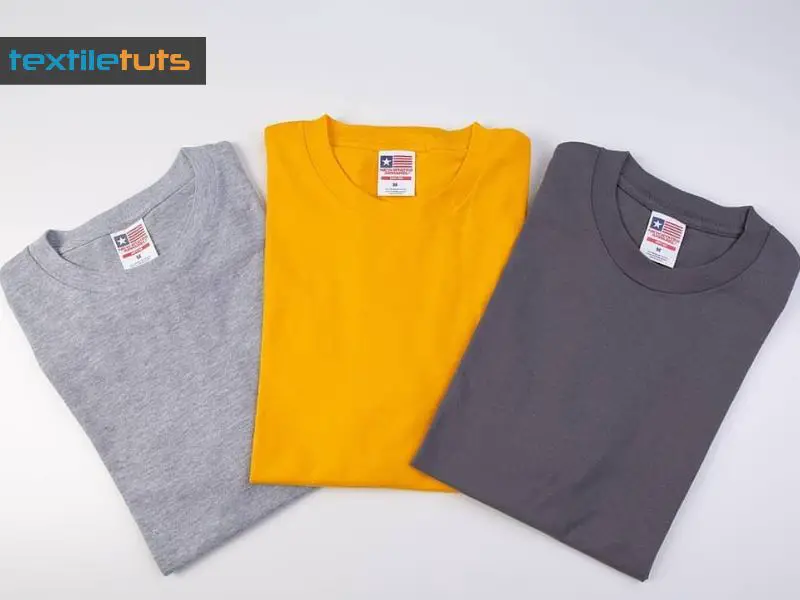
Gildan Softstyle shrinkage averages approximately 5% and occurs primarily during the first wash. According to industry testing standards (AATCC Test Methods 135 and 150, ISO 6330), this shrinkage is most likely to happen in the first wash cycle. Buying one size larger is recommended if you are between sizes, as the 5% reduction will be most noticeable on the first wash.
Follow the garment’s care instructions to help minimize shrinkage. Wash the shirt in cold water (below 30°C/86°F) and dry on low heat (below 50°C/122°F). Remove the shirt promptly from the dryer and lay it flat or hang it to dry, which prevents excessive shrinkage from prolonged heat exposure.
How to Prevent Shrinkage in Gildan Softstyle Clothing
Shrinkage in clothing, including Gildan Softstyle garments, occurs due to heat, agitation, and improper washing and drying techniques. Cotton fibers are stretched during manufacturing, and heat and moisture cause these fibers to relax and return to their original state. The following tips prevent shrinkage in Gildan Softstyle clothing:
Follow Care Instructions
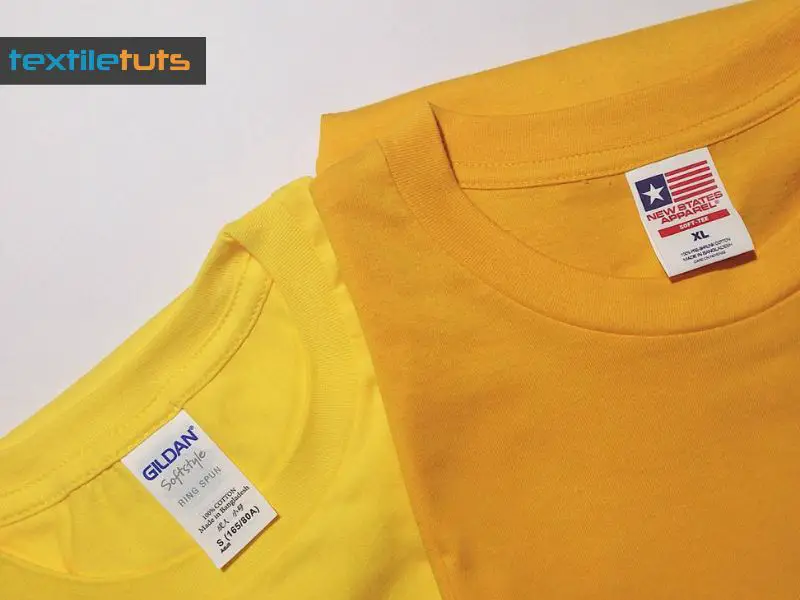
Always check the care label on the garment for specific washing and drying instructions. Gildan Softstyle shirts include care instructions that specify washing in cold water and drying on a low-heat setting, which aligns with the 30°C (86°F) maximum wash temperature recommendation for cotton fabrics.
Use Cold Water
Washing clothes in cold water (30°C/86°F or below) is gentler on fabrics and prevents shrinkage. Hot water above 40°C (104°F) causes cotton fibers to contract significantly, leading to measurable shrinkage. Cold water washing reduces fiber swelling and prevents the relaxation of cotton’s internal structure.
Gentle Cycle
Use the gentle or delicate cycle on your washing machine. This cycle operates at lower agitation speeds (300-400 RPM compared to 800+ RPM for normal cycles) and preserves the integrity of the fabric by reducing mechanical stress on cotton fibers.
Avoid Aggressive Detergents
Use a mild detergent with a pH below 10 to protect the fabric. Harsh chemicals in some detergents weaken cotton fibers through alkaline degradation, contributing to increased shrinkage in subsequent wash cycles.
Skip the Fabric Softener
Fabric softeners contain compounds (typically quaternary ammonium salts) that coat cotton fibers and reduce absorbency. These compounds also compromise the fabric’s elasticity, making shrinkage more likely in subsequent washes.
Turn Clothes Inside Out
Turning your clothes inside out before washing protects the outer surface and prevents abrasion with other garments. This reduces wear and tear and minimizes fiber damage that can accelerate shrinkage in later wash cycles.
Air Dry or Low Heat
Air drying is the gentlest method and eliminates shrinkage risk entirely. If using a dryer, select a low heat setting at or below 50°C (122°F). Excessive heat above 60°C (140°F) causes significant cotton fiber contraction, resulting in 3-5% additional shrinkage per drying cycle.
Remove Promptly
Remove clothes from the washing machine immediately after the cycle completes. Prolonged sitting in a damp environment (超过2小时) promotes mildew growth and causes fiber weakening, which leads to increased shrinkage. Similarly, remove clothes from the dryer promptly to prevent heat buildup and over-drying.
Avoid Overcrowding
Do not exceed 75% capacity in the washing machine. Overcrowding prevents clothes from moving freely, causing inadequate cleaning and uneven drying. Follow manufacturer capacity guidelines (typically 2.5-3.5 kg for standard domestic machines) to ensure proper garment care.
Pre-Shrink Clothing
To pre-shrink the garment, wash and dry it once following all care instructions before wearing. This process stabilizes the fabric and ensures the garment reaches its final dimensions before first use, preventing unexpected shrinkage later.
Care Instructions for Gildan Softstyle Cotton Clothing
Care instructions for Gildan Softstyle cotton clothing vary slightly depending on the specific garment and any customization it may have undergone. The following guidelines apply to most Gildan Softstyle cotton garments:
Washing
- Turn the garment inside out before washing.
- Machine wash in cold water at 30°C (86°F) or below.
- Use a mild detergent with pH below 10.
Drying
- Tumble dry on low heat at 50°C (122°F) or below, or air dry.
- Avoid high heat settings above 60°C (140°F), as they cause 3-5% shrinkage per cycle.
- Remove the garment from the dryer immediately to prevent wrinkles.
Ironing
- If ironing is necessary, turn the garment inside out.
- Use a low-temperature setting (below 150°C/302°F) to avoid damaging the fabric.
Bleaching
- Avoid using chlorine bleach on colored garments, as it causes color fading.
- Use an oxygen bleach (sodium percarbonate) that is safe for colored fabrics if whitening is needed.
Dry Cleaning
Gildan Softstyle cotton clothing is suitable for home laundering, and dry cleaning is not typically recommended. Professional dry cleaning uses perc (perchloroethylene) solvents that can degrade cotton fibers over time.
Fabric Softener
Skip fabric softeners, as they coat cotton fibers with quaternary ammonium compounds that reduce absorbency and compromise elasticity, leading to increased shrinkage in subsequent washes.
Sorting
- Wash similar colors together to prevent color bleeding.
- Separate heavily soiled items from lighter ones.
Pre-Shrinking
Wash and dry the garment once following all care instructions before wearing it. This single pre-shrink cycle stabilizes the fabric to its final dimensions, preventing unexpected shrinkage during later washes.
Storage
- Store Gildan Softstyle cotton clothing in a cool, dry place below 25°C (77°F).
- Avoid hanging heavy items on the garment, as this causes stretching and distortion.
Gildan Softstyle Materials and Quality
Gildan Softstyle clothing is crafted from 100% ring-spun cotton, which offers a smooth, soft texture and a lightweight feel compared to regular cotton. Ring-spun cotton is produced by continuously twisting and thinning cotton strands (typically 20-30 twists per inch), resulting in a softer and more durable fabric with a higher thread count.
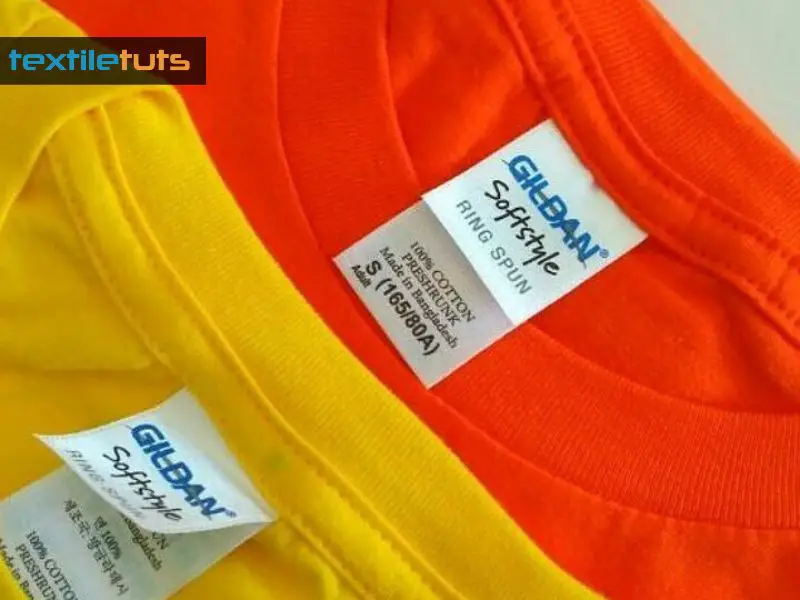
The quality of Gildan Softstyle apparel has solidified the brand’s reputation in the clothing industry. The combination of ring-spun cotton construction and careful manufacturing delivers garments that balance comfort with durability.
Durability
Gildan Softstyle products are made from ring-spun cotton and offer superior durability. The cotton spinning technique (twist multiplier of 3.5-4.5) strengthens the fibers, making them highly resistant to wear, pilling, and tear. Proper care extends garment life to 50+ wash cycles with minimal degradation.
Comfort
The distinctive softness of Gildan’s ring-spun cotton provides exceptional comfort. The precise spinning process eliminates the rough texture often associated with regular cotton (which uses 1.5-2 twists per inch), ensuring a 40% smoother and softer feel against the skin.
Stitching
Double-needle stitching, a mark of high-quality construction, is featured in Softstyle clothing. Beyond enhancing visual appeal, this stitching method (using 4-5 stitches per centimeter) improves garment strength and longevity by distributing stress across the seam.
Pre-Shrunk
Softstyle garments undergo a sanforization process during production, which applies mechanical stretching and steam treatment to stabilize the fabric. This process limits shrinkage to less than 3% (the industry pre-shrunk standard), compared to 5-8% shrinkage in untreated cotton garments.
Color Retention
The Softstyle line exhibits excellent color retention due to high-grade dyes (typically reactive dyes with fixation rates above 90%) and proper post-dyeing finishing. Colors resist fading through 30+ wash cycles when cared for properly.
Variety
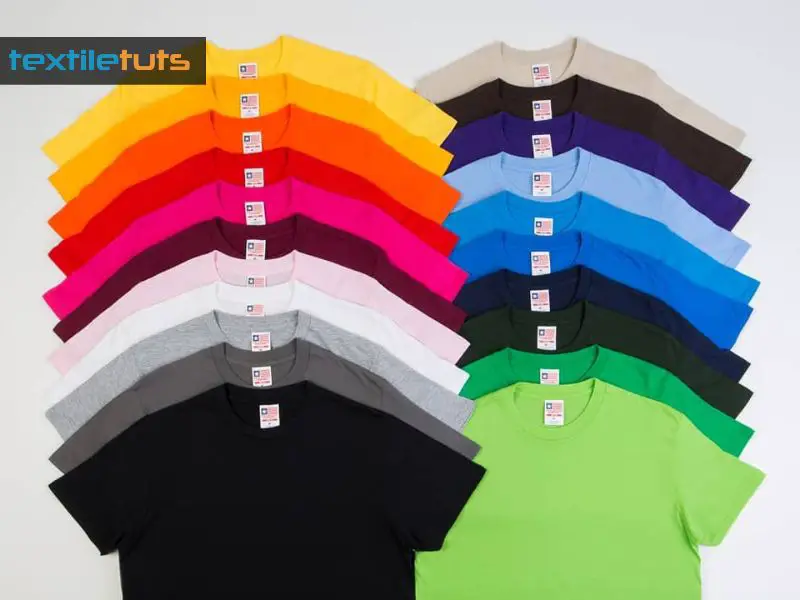
Gildan Softstyle offers over 60 colors and multiple styles, including solid-colored tees, heathered variants, and tank tops. Fabric weights range from 135-155 gsm (grams per square meter), allowing selection based on desired breathability and durability.
Gildan Softstyle Shrinkage Compared to Velour
Gildan Softstyle shrinks approximately 3-5% when washed, which is less than velour shrinkage of 3-5% for cotton-based velour. Velour, composed of a blend of cotton and polyester (typically 80/20), exhibits higher shrinkage rates when not pre-shrunk. Gildan Softstyle retains its original dimensions better than velour when proper care instructions are followed.
Final Words
Gildan Softstyle shirts shrink approximately 5% when washed and dried, but proper care minimizes this to under 3% (the industry pre-shrunk standard). The quality of ring-spun cotton fabric and the comfort it provides make it a popular choice among consumers. Take preventative measures—washing in cold water below 30°C, drying on low heat below 50°C, and air drying when possible—to ensure the garment’s longevity and maintain original dimensions through 50+ wash cycles.
Gildan Softstyle shirts are a reliable addition to your wardrobe. Take proper precautions when washing and drying to maintain their original fit and size throughout the garment’s lifespan.
References
- 1. Wikipedia. (2024). Shrinkage (fabric). Wikimedia Foundation. Covers industry pre-shrunk standard (less than 3%), testing standards (AATCC 135, AATCC 150, ISO 6330), and cotton shrinkage mechanisms.


