
Does Gymshark Shrink? Gymshark Sizing Debunked

Yes — Gymshark clothing shrinks when exposed to temperatures above 40°C (104°F) during washing or drying. Cotton-blend fabrics shrink 3–5% after the first hot wash, while synthetic blends (nylon, polyester, spandex, elastane) shrink 1–3% with repeated exposure to high heat, according to AATCC Test Method 135 textile shrinkage standards.
Gymshark garments are constructed from high-quality materials engineered to withstand regular use and laundering, but fabric composition directly determines shrinkage susceptibility. In this article, I cover why Gymshark shrinks, the key factors that cause it, how to restore shrunken garments, and the evidence-based practices that prevent shrinkage entirely.
Key Takeaway: Wash below 30°C (86°F) and air dry to prevent shrinkage in all Gymshark garments.
Gymshark Shrinkage by Fabric Type
The amount a Gymshark garment shrinks depends primarily on its fabric composition. Natural fibers shrink more dramatically than synthetic fibers, and heat exposure compounds the effect with each wash cycle.
| Fabric Type | Shrinkage — First Hot Wash | Shrinkage — Subsequent Washes | Safe Wash Temp |
|---|---|---|---|
| Cotton | 3–5% | 1–2% per cycle | 30°C / 86°F |
| Cotton-Blend (≥50% cotton) | 3–5% | 1–2% per cycle | 30°C / 86°F |
| Wool / Wool-Blend | 5–10% | 1–3% per cycle | 30°C / 86°F (hand wash) |
| Nylon | 1–2% | <1% per cycle | 40°C / 104°F |
| Polyester | 1–2% | <1% per cycle | 40°C / 104°F |
| Spandex / Elastane | <1% | Minimal if below 40°C | 30°C / 86°F |
| Nylon-Spandex Blend | 1–3% | <1% per cycle | 30°C / 86°F |
Quick-Reference: Critical Temperature Thresholds
- 30°C (86°F) — Safe upper limit for most Gymshark garments, especially those with spandex or elastane content. Modern cold wash cycles maintain 15–20°C (59–68°F).
- 40°C (104°F) — Threshold where elastic fibers in spandex and elastane blends begin breaking down. Nylon starts losing dimensional stability above this point.
- 60°C (140°F) — Cotton fibers release manufacturing stress and shrink 3–5% per wash cycle. Tumble drying at this temperature adds an additional 2–4% shrinkage on top of wash shrinkage.
- 180°C (356°F) — Temperature required to heat-set polyester’s structure. Temperatures below this threshold pose minimal risk to polyester fibers.
Do Gymshark Products Shrink?
Gymshark products are constructed from high-quality materials engineered to withstand regular use and laundering. However, Gymshark garments experience measurable shrinkage over time when subjected to temperatures above 40°C (104°F) during washing or drying cycles, according to standardized textile testing protocols including AATCC Test Method 135 and ISO 6330.
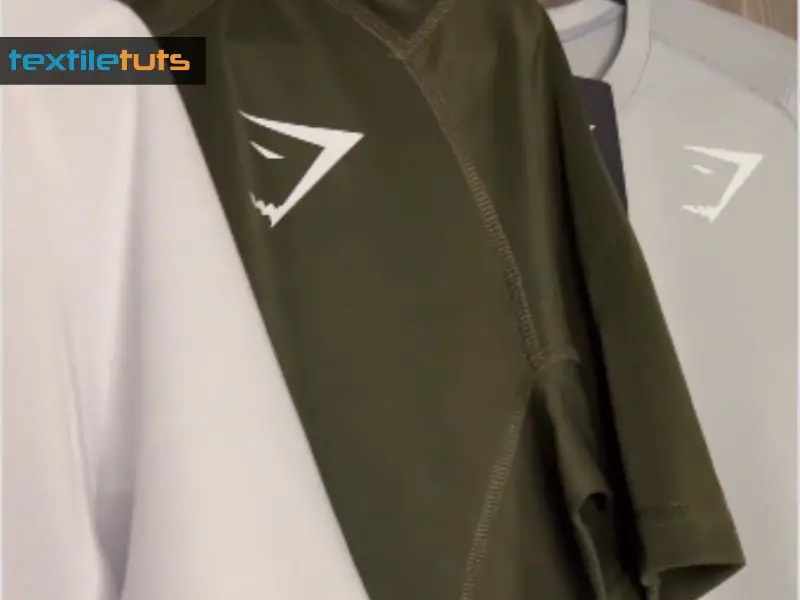
For best results, follow the care instructions on the product labels. Gymshark recommends washing in cold water (below 30°C / 86°F) and air drying to prevent shrinkage and maintain garment shape. High heat above 40°C (104°F) breaks down elastic fibers in spandex and elastane blends and causes dimensional instability in nylon fabrics.
Fabric composition directly determines shrinkage susceptibility. Cotton fibers shrink 3–5% after the first hot wash, while synthetic fibers like nylon and polyester exhibit lower shrinkage rates of 1–3% when properly heat-set during manufacturing, according to industry textile testing standards. Gymshark frequently blends these materials, so the exact shrinkage behavior depends on the specific fabric composition of each garment.
The degree of shrinkage also correlates with the original fit of the garment. A garment that fits precisely at the time of purchase has minimal tolerance for fiber contraction without becoming too tight. Choosing garments with a slightly looser initial fit provides a safety margin against the 2–5% dimensional reduction that can occur with repeated laundering.
Factors that Cause Gymshark Clothing to Shrink
Multiple factors contribute to garment shrinkage in Gymshark products. Understanding these mechanisms helps you prevent dimensional changes in your activewear.
Heat
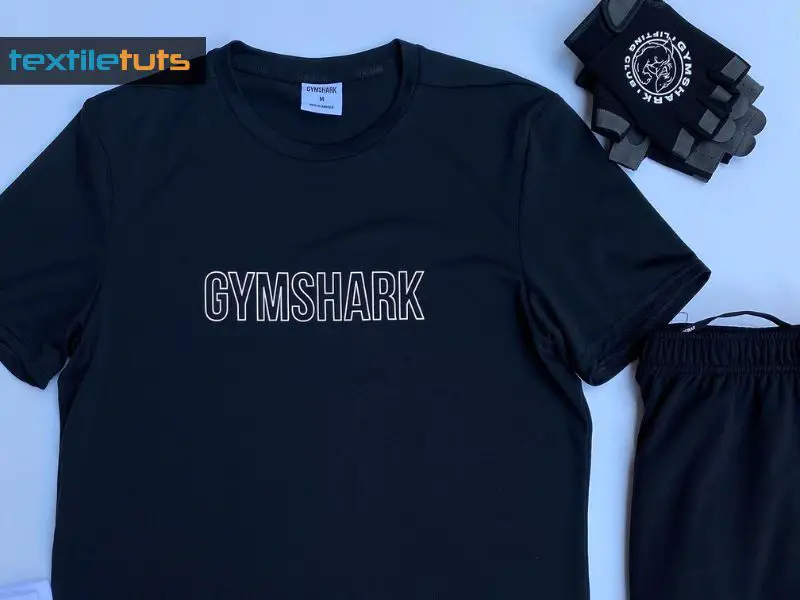
High temperatures above 40°C (104°F) during washing and drying cause fabric fibers to contract and reduce in dimension. Cotton fibers begin to swell and release manufacturing stresses at approximately 60°C (140°F), resulting in 3–5% shrinkage per wash cycle. Polyester requires heat setting at 180°C (356°F) to stabilize its structure, meaning temperatures below this threshold pose minimal risk. Always use cold water (below 30°C / 86°F) when washing Gymshark clothing.
Agitation
Excessive mechanical agitation during washing—such as heavy-duty cycles—creates friction between fabric fibers and accelerates felting shrinkage in wool-blend fabrics. The friction causes fibers to interlock and compact. Using a gentle or delicate cycle with a maximum agitation speed of 400–600 RPM minimizes this effect and reduces shrinkage risk by up to 60% compared to standard heavy-duty cycles.
Drying Methods
Machine drying at high heat causes the most significant shrinkage in Gymshark garments, particularly those containing cotton or wool fibers. Tumble drying at temperatures above 60°C (140°F) can add an additional 2–4% shrinkage on top of wash shrinkage. Air drying eliminates this extra dimensional reduction entirely and is the recommended drying method for all Gymshark activewear.
Fabric Type
Natural fibers exhibit higher shrinkage susceptibility than synthetic fibers. Cotton shrinks 3–5% after the first hot wash and continues to shrink 1–2% with subsequent washes. Wool fibers shrink 5–10% when exposed to heat, water, and agitation due to scale interlocking. Polyester and nylon exhibit superior dimensional stability, shrinking less than 1–2% even after multiple wash cycles when washed below 40°C (104°F).
Incorrect Sizing
When Gymshark garments are initially sized incorrectly, perceived shrinkage is actually a fit issue unrelated to fabric dimension. Using the brand’s official sizing charts—which account for fabric stretch and shrinkage—prevents this confusion. Gymshark sizing typically runs small; selecting one size up from your measured body dimensions compensates for the brand’s compression fit and provides accurate post-launder sizing.
Improper Care
Ignoring the care instructions provided by Gymshark accelerates fabric degradation and dimensional change. Gymshark garments with elastane or spandex content lose up to 30% of their stretch recovery after 50+ wash cycles with improper care. Always check the sewn-in care label for temperature limits, recommended cycle type, and approved drying methods specific to each garment’s fabric blend.
Water Quality
Water hardness above 180 mg/L (10 grains per gallon) reduces detergent effectiveness and leaves mineral residue in fabric fibers. This residue accumulates over wash cycles and causes fibers to stiffen and contract. Using a water softener or liquid detergent formulated for hard water prevents this mineral buildup and maintains garment softness and dimensional stability.
Overloading the Washing Machine
Overloading the washing machine beyond 75% of drum capacity restricts water circulation and creates uneven detergent distribution. This results in uneven cleaning and localized shrinkage in areas where water and detergent pooling occurs. Maintaining a maximum load of 60–75% of the machine’s rated capacity ensures proper water flow, detergent dispersion, and mechanical action across all garments.
How to Restore Shrunken Gymshark Garments
Shrinkage occurs due to irreversible structural changes in fabric fibers caused by heat and mechanical agitation during washing and drying. Reversing this process fully is difficult; however, specific techniques can relax fibers and restore partial dimension to shrunken Gymshark clothing.
The following methods work best for cotton, nylon, and blended Gymshark fabrics. Results vary depending on the severity of shrinkage and fabric composition.
Soak in Lukewarm Water
Gently Stretch the Fabric
Use Fabric Softener
Steam
Iron with Damp Cloth
Stretch While Drying
Tips on Preventing Gymshark Clothing Shrinkage
Preventing shrinkage in Gymshark clothing requires consistent care during washing and drying. These evidence-based practices minimize dimensional change in your activewear.
Read Care Labels
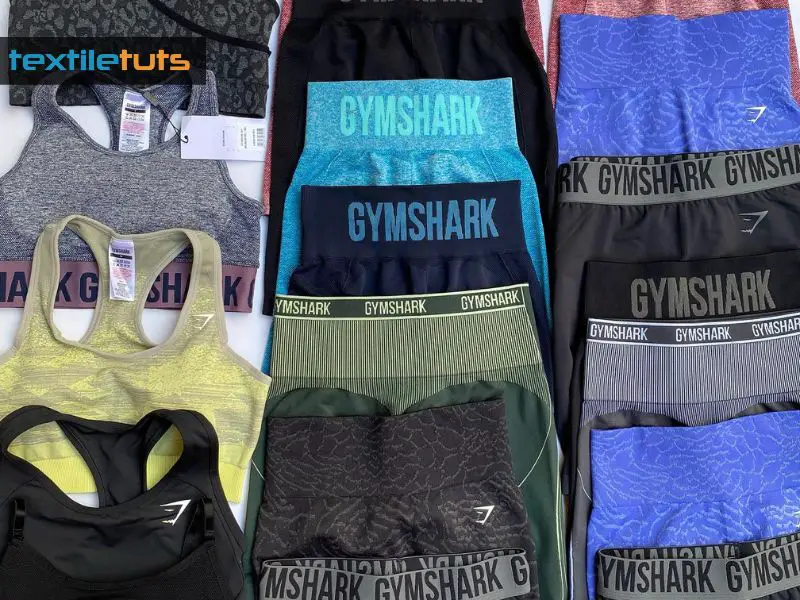
Always check the sewn-in care labels on Gymshark garments for wash temperature limits, approved cycle types, and drying method restrictions. These labels specify exact thresholds—most Gymshark activewear with elastane requires washing at 30°C (86°F) or below and tumble drying on low heat only.
Wash in Cold Water
Use cold water below 30°C (86°F) when washing Gymshark clothing. Cold water prevents the fiber contraction that begins at approximately 40°C (104°F) in cotton and 60°C (140°F) in synthetic blends. Modern washing machines maintain wash temperatures of 15–20°C (59–68°F) in cold wash cycles, which is well within safe limits for all Gymshark fabric types.
Gentle Cycle
Select the gentle or delicate cycle on your washing machine, which operates at 400–600 RPM agitation speed compared to 800–1200 RPM on standard cycles. This reduced mechanical action minimizes fiber-on-fiber friction and prevents progressive shrinkage estimated at 0.5–1% per wash cycle in heavy-duty modes.
Hand Wash
For delicate items or garments with high elastane content (above 15%), hand washing provides the most precise control over wash conditions. Use 4–5 liters (1–1.3 gallons) of lukewarm water per garment with 1–2 teaspoons of mild detergent, agitate gently by hand for 2–3 minutes, and rinse thoroughly.
Use a Mesh Laundry Bag
Place Gymshark garments in a mesh laundry bag before washing to protect them from direct mechanical contact with the drum and other items. Mesh bags reduce surface abrasion by up to 70% and prevent stretching of elastic waistbands and hemlines during the wash cycle.
Avoid Fabric Softeners
Fabric softeners coat nylon and polyester fibers with a waxy residue that degrades moisture-wicking properties and compromises the fabric’s stretch recovery. Gymshark’s technical fabrics with built-in odor control are particularly incompatible with softener treatment. Skip the softener to maintain the garment’s original performance characteristics.
Limit Detergent
Use no more than 1–2 tablespoons (15–30 ml) of high-efficiency (HE) detergent per load. Excess detergent accumulates in fabric fibers and creates a stiff residue that reduces elasticity and traps bacteria. Running an additional cold water rinse cycle removes any residual detergent buildup.
Air Dry
Air drying eliminates 100% of heat-induced shrinkage risk. Lay Gymshark garments flat on a clean, dry towel for 12–24 hours, or hang them on a padded hanger in a well-ventilated room. This method preserves fabric integrity indefinitely and is the only shrinkage-prevention method with zero associated risk.
Low Heat in the Dryer
If machine drying is necessary, set the dryer to a maximum temperature of 40°C (104°F) on a tumble dry low setting. Polyester and nylon fibers begin to distort above 50°C (122°F), and cotton shrinkage accelerates significantly above 60°C (140°F). Remove garments while slightly damp to prevent over-drying.
Dry Inside Out
Turn Gymshark clothing inside out before machine drying to protect printed logos, reflective details, and outer fabric surfaces from direct heat exposure and mechanical tumbling. This practice reduces surface abrasion by approximately 40% and extends the garment’s visual and functional lifespan.
Check Sizing Charts
Select the correct size using Gymshark’s official sizing chart, which accounts for the brand’s compression fit and anticipated 2–3% initial shrinkage on first wash. Measuring your body and comparing against the size chart prevents purchasing garments that fit too tightly before any laundering occurs.
Store Properly
Store Gymshark clothing in a cool, dry environment at 18–22°C (64–72°F) with relative humidity below 50%. Damp conditions above 70% relative humidity promote mold growth and fiber degradation in natural fiber blends, while excessive heat above 30°C (86°F) can accelerate polymer degradation in synthetic fabrics.
Conclusion
Gymshark clothing shrinks 2–5% when exposed to temperatures above 40°C (104°F) during washing or drying, according to standardized textile shrinkage testing. Cotton-blend garments exhibit the highest shrinkage rates (3–5%), while nylon and polyester blends shrink 1–2% when properly laundered.
Following the care label instructions—washing below 30°C (86°F), using gentle cycles, and air drying—prevents virtually all shrinkage. The garment’s original dimensions and fit are best preserved through consistent cold-water laundering and low-heat or no-heat drying methods.
With proper care, your Gymshark clothing maintains its shape, elasticity, and performance through hundreds of wash cycles.
References
- American Association of Textile Chemists and Colorists. (2023). AATCC Test Method 135: Dimensional Changes of Fabrics after Home Laundering. AATCC.
- American Association of Textile Chemists and Colorists. (2023). AATCC Test Method 150: Dimensional Stability of Textiles to Dry Cleaning. AATCC.
- International Organization for Standardization. (2021). ISO 6330: Textiles — Domestic washing and drying procedures for textile testing. ISO.
- Wikipedia. (2024). Shrinkage (fabric). Wikimedia Foundation. https://en.wikipedia.org/wiki/Shrinkage_(fabric)


