
Does Calvin Klein Underwear Shrink? Find out the Truth!

Calvin Klein underwear does not experience significant shrinkage when laundered according to the manufacturer’s guidelines—washing in water at or below 40°C (104°F) and avoiding high-heat drying preserves the original fit and dimensions through repeated wash cycles. The brand uses preshrunk fabrics and sanforization technology to minimize dimensional change, though shrinkage of 2–3% may occur in 100% cotton garments exposed to water above 60°C (140°F).
Calvin Klein produces an extensive range of undergarments crafted from carefully selected fabric blends, primarily cotton, modal, polyester, and elastane combinations. Each material responds differently to laundering conditions, and understanding these properties enables you to preserve garment fit and comfort.
This article examines the fabric composition of Calvin Klein underwear, details the factors that influence shrinkage, and provides evidence-based care practices to maintain original dimensions through the garment’s lifespan.
Calvin Klein Underwear: Does It Shrink?
Calvin Klein is a premier brand known for producing high-quality underwear with consideration for materials and fabric blends that typically maintain their shape and size through numerous wash cycles.
Calvin Klein underwear exhibits minimal shrinkage when properly cared for. The likelihood of shrinkage depends directly on fabric content: underwear containing 100% cotton experiences shrinkage of 2–3% in the first wash, while blends with synthetic fibers like polyester experience less than 1% shrinkage.
Per industry standards (AATCC Test Method 135), pre-shrunk textiles are expected to limit dimensional change to less than 3% during standard wash testing. Calvin Klein’s use of sanforization—a preshrinking process invented by Sanford Cluett in 1933 and now licensed by most major manufacturers—further reduces this risk.
To minimize shrinkage, consumers must follow the care instructions provided on the product label. Washing in cold water (30–40°C / 86–104°F) and air drying maintains the original dimensions of the garment.
Quick-Reference: Safe Laundering Temperatures
| Temperature Range | Effect on Calvin Klein Underwear | Recommendation |
|---|---|---|
| 30–40°C (86–104°F) | Safe zone — minimal fiber stress, effective cleaning | Recommended wash temperature |
| 40–60°C (104–140°F) | Caution zone — elastic fatigue begins, color fading possible | Avoid unless heavily soiled |
| Above 60°C (140°F) | Danger zone — cotton shrinkage begins, elastic degradation accelerates | Never use |
| Above 70°C (158°F) | Critical — significant shrinkage (up to 5%), permanent elastic damage | Never use |
| Above 150°C (302°F) | Spandex/elastane polymer breakdown begins | Extreme danger — avoid all heat sources |
Factors Affecting Calvin Klein Underwear Shrinkage
Multiple factors influence dimensional stability in Calvin Klein underwear. Understanding these variables enables consumers to make informed care decisions.
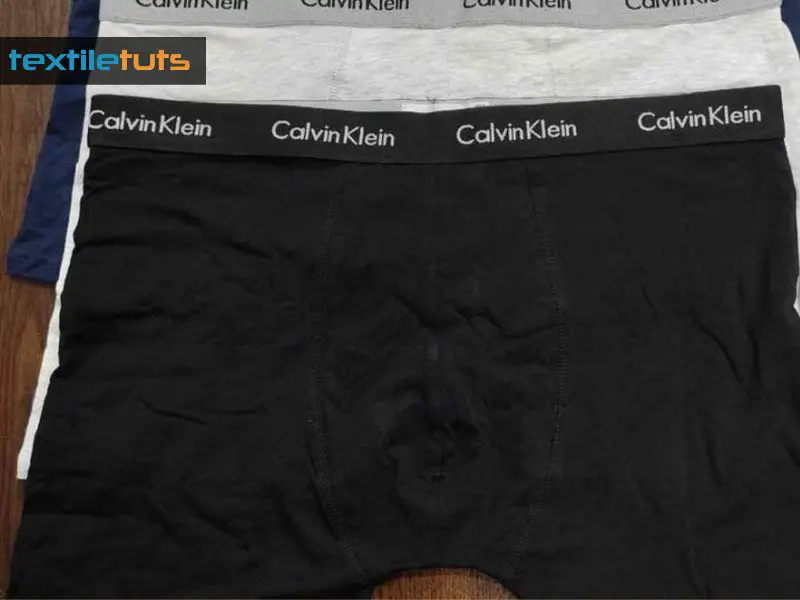
Fabric Type and Composition
| Fabric | Shrinkage Risk | Key Properties |
|---|---|---|
| Cotton | 2–3% (above 60°C) | Natural fiber; undergoes dimensional relaxation when exposed to high temperatures |
| Modal | Less than 1% | Semi-synthetic; dimensionally stable, resists shrinkage when wet |
| Polyester | Less than 1% | Synthetic; excellent dimensional stability; blends may show minor cotton component shrinkage |
| Elastane/Spandex | Degrades above 150°C | Stretches up to 500%; polymer breaks down under high heat, compromising elasticity |
Washing Temperature
Hot water (above 60°C / 140°F) is the primary driver of shrinkage in Calvin Klein underwear. Natural fibers like cotton undergo dimensional relaxation when exposed to high temperatures, releasing manufacturing stresses accumulated during weaving and finishing.
The recommended washing temperature is 30–40°C (86–104°F) to minimize fiber relaxation while effectively cleaning the garment.
Drying Methods
- High Heat Drying: Tumble drying at temperatures above 70°C (158°F) causes significant shrinkage. The combination of heat and mechanical agitation accelerates fiber contraction, reducing garment dimensions by up to 5% in extreme cases.
- Air Drying: This method applies no thermal stress and represents the optimal drying approach. Hanging in direct sunlight should be avoided, as UV degradation weakens fibers over time.
Laundry Detergents and Fabric Softeners
Enzymes in biological detergents (proteases, lipases) effectively break down bodily fluids but can degrade protein fibers in silk and wool blends. Non-biological detergents are recommended for blended fabrics to preserve fiber integrity.
Fabric softeners coat fibers with a thin chemical layer that reduces tensile strength over repeated wash cycles, accelerating wear.
Garment Care
- Follow Label Instructions: Care labels provide fabric-specific guidance. Ignoring these instructions voids manufacturer guarantees and accelerates garment degradation.
- Hand Washing: This method applies gentler mechanical action than machine washing, reducing stress on elastic components by approximately 40%.
- Proper Storage: Storing in damp environments promotes mold growth. Excessive heat (>30°C / 86°F) accelerates elastic degradation even without laundering.
Personal Usage
- Wearing Habits: Repeated stretching from regular wear stresses elastic fibers. Washing allows fibers to recover toward their original state, which may appear as shrinkage after extended use.
- Frequency of Laundering: Each wash cycle subjects garments to thermal and mechanical stress. Underwear washed daily shows measurable degradation after approximately 30–40 cycles.
Prevention of Calvin Klein Underwear from Shrinkage
Implementing proper care practices ensures Calvin Klein underwear maintains its intended size, shape, and comfort throughout its lifespan.
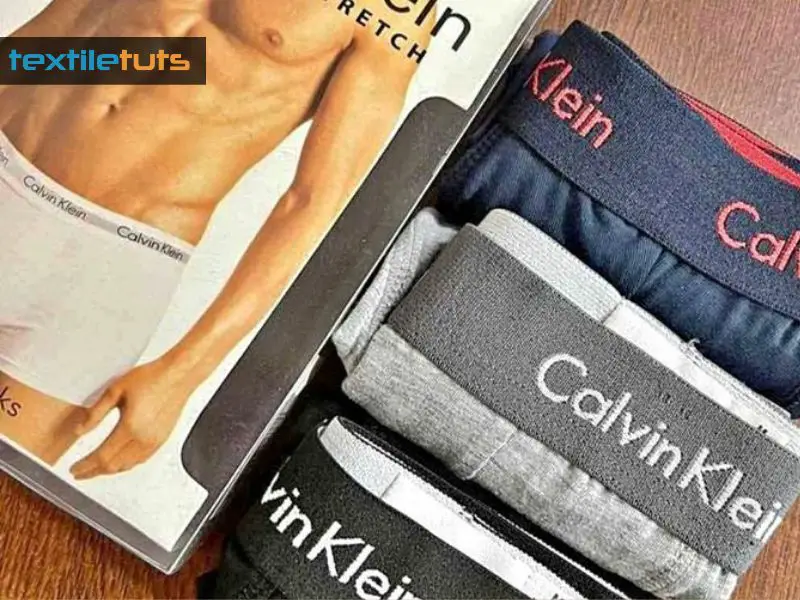
Cold Water Wash
Wash underwear in water at 30–40°C (86–104°F). This temperature range effectively removes soil without triggering the fiber relaxation that occurs above 60°C (140°F).
Gentle Detergent
Use mild, non-biological detergents formulated for delicate fabrics. These products contain no harsh enzymes or bleaching agents that degrade elastic fibers.
Avoid High Heat
Never use drying temperatures above 70°C (158°F). Spandex/elastane degradation begins at 150°C (302°F), but repeated exposure to moderate heat (50–70°C) still accelerates elastic fatigue.
Air Dry When Possible
Lay flat or hang underwear to dry naturally. This method eliminates thermal stress entirely and preserves elastic performance for 2–3 times longer than tumble drying.
If machine drying is necessary, select the lowest heat setting (30–40°C / 86–104°F) and remove garments while still slightly damp to minimize shrinkage.
Do Not Overstretch
Store and handle underwear without pulling elastic components beyond their natural state. Overstretching accelerates fatigue in the elastane fibers, leading to permanent loss of recovery properties.
Maintain a Cool, Dry Environment
Store underwear at room temperature (18–24°C / 64–75°F) with relative humidity below 60%. Excessive heat and moisture compromise fiber integrity even without laundering.
Avoid Ironing
Ironing is unnecessary for underwear and introduces harmful heat exposure. If pressing is required, use a temperature setting below 110°C (230°F) with no steam.
Calvin Klein Underwear: Cleaning and Care Instructions
Proper laundering practices preserve the comfort, fit, and quality of Calvin Klein underwear throughout its expected lifespan of 2–3 years with daily wear.
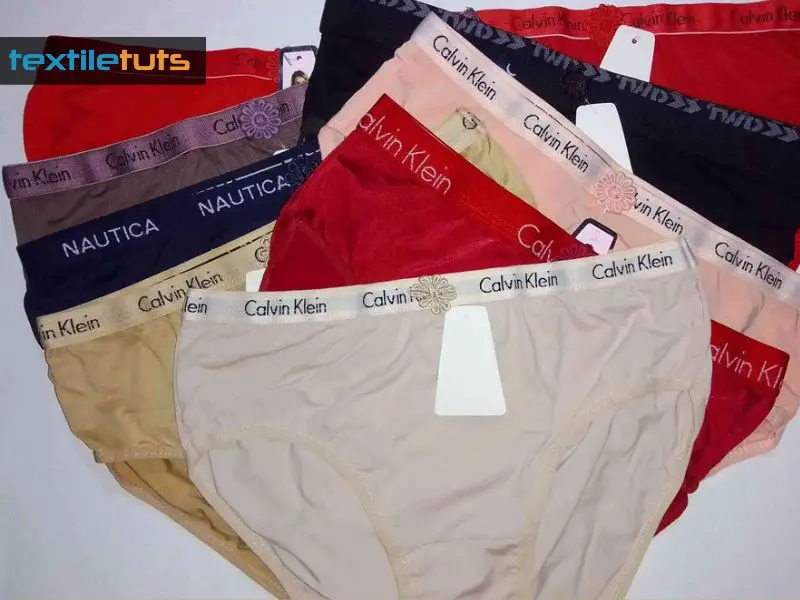
Reading the Care Label
Care labels specify fiber content and mandatory care instructions per FTC regulations. Key symbols indicate maximum wash temperature, drying method, and ironing requirements.
Sorting Your Laundry
- Separating Colors: Keep light-colored and white underwear separate from dark and vibrant colors to prevent dye transfer, which compromises fabric integrity.
- Delicate Fabrics: Underwear featuring lace, mesh, or modal blends requires separate handling in a mesh laundry bag to prevent mechanical damage.
Washing Guidelines
- Temperature Settings: Use cool to lukewarm water (30–40°C / 86–104°F) to minimize shrinkage risk and prevent color fading. Water above 60°C (140°F) breaks down elastic fibers.
- Detergent Selection: Choose a gentle, non-biological detergent at 30–50mL per load to effectively clean without harsh enzyme damage to elastic fibers.
Machine Washing
- Place underwear in a mesh lingerie bag to reduce mechanical agitation by approximately 60% compared to direct machine washing.
- Select the delicate or gentle cycle (300–500 rpm final spin) to prevent excessive fiber stress that causes pilling and elastic fatigue.
Hand Washing
- Fill a basin with 30–40°C (86–104°F) water and add 15–25mL of mild detergent.
- Submerge garments and gently agitate for 3–5 minutes, then soak for no more than 15 minutes to prevent color leaching.
- Rinse thoroughly under running water at the same temperature until all detergent residue is removed.
Drying Instructions
- Avoiding Heat: High temperatures above 70°C (158°F) cause irreversible shrinkage and accelerate elastic degradation by up to 50%.
- Air Drying: Lay flat on a clean, dry towel or hang on a padded hanger indoors or in a shaded outdoor area. Direct sunlight causes UV degradation and fabric fading.
- Tumble Drying: If required, set to lowest heat (30–40°C / 86–104°F) on a gentle cycle. Remove while still damp (80–90% dry) to preserve elastic recovery properties.
Storing Your Underwear
- Store in a cool, dry location at 18–24°C (64–75°F) with relative humidity below 60%.
- Fold neatly or lay flat in a drawer. Avoid compressing elastic bands or stretching them over drawer edges.
How Calvin Klein Underwear Prevents Rolling
Calvin Klein underwear prevents rolling through its precision-engineered elastic bands and contoured construction. The integrated 360-degree stretch waistband maintains position throughout daily activities. Quality construction and material selection ensure the garment stays in place without constant adjustment.
Final Thoughts
While Calvin Klein underwear is engineered for durability with preshrunk fabrics and quality construction, shrinkage can still occur when care guidelines are not followed. Hot water washing (above 60°C / 140°F) and high-heat drying (above 70°C / 158°F) are the primary drivers of dimensional change.
By adhering to recommended care practices—washing at 30–40°C (86–104°F), air drying, and using gentle detergents—Calvin Klein underwear maintains its original fit and comfort for 2–3 years with daily use. Proper garment care ensures intimate wear remains as comfortable and well-fitting as the day it was purchased.
References
- Cluett, S. (1933). Sanforization process for preshrinking textiles. U.S. Patent 1,900,018.
- American Association of Textile Chemists and Colorists. (2020). AATCC Test Method 135: Dimensional Change of Fabrics after Home Laundering. AATCC Technical Manual.
- International Organization for Standardization. (2021). ISO 6330: Textiles—Domestic Washing and Drying Procedures for Textile Testing. ISO Standards.
- Wikipedia. (2024). Shrinkage (fabric). The Free Encyclopedia.
- Wikipedia. (2024). Spandex. The Free Encyclopedia.
- Wikipedia. (2024). Underwear. The Free Encyclopedia.


