
Can You Tie Dye 50 Cotton and 50 Polyester? Tie Dye Tips

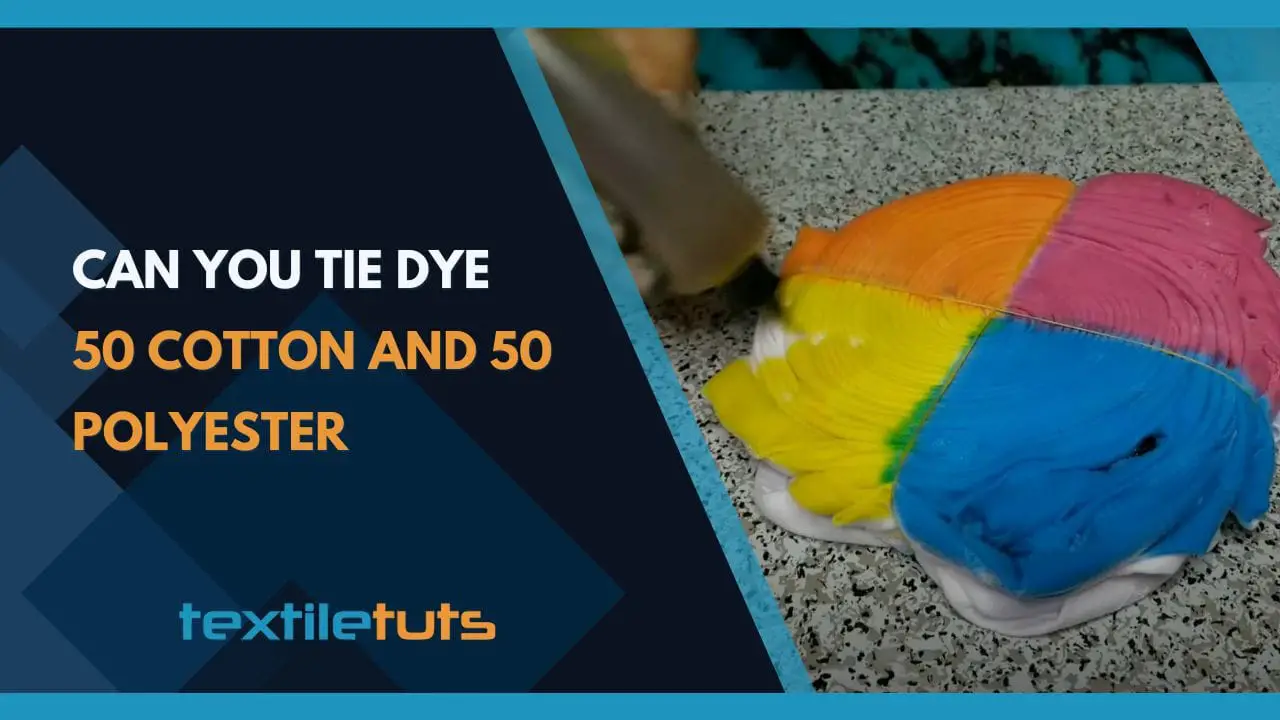
Yes, you can tie-dye a 50% cotton and 50% polyester blend — but expect different color saturation on each fiber type. The cotton fibers absorb approximately 70-80% of applied dye and display bright, vibrant colors, while the polyester fibers absorb significantly less due to their hydrophobic molecular structure, resulting in muted, heathered tones. This two-tone effect is characteristic of blended fabric tie-dyeing and is impossible to achieve on pure cotton.
This guide covers the science behind fiber absorption, the best dye options for cotton-polyester blends, and step-by-step techniques for achieving optimal results with your tie-dye project.
Tie-Dyeing Cotton and Polyester Blend: Understanding the Science
A 50% cotton and 50% polyester blend can be tie-dyed, but the two fibers respond to dye through fundamentally different chemical processes. Understanding this difference is essential for setting realistic expectations.
Cotton is a natural cellulosic fiber with a hydrophilic structure. Its polymer chains contain multiple hydroxyl groups (-OH) that form strong chemical bonds with fiber-reactive dyes, such as Procion MX dyes. This reaction, known as covalent bonding, produces bright, permanent colors with wash-fastness ratings typically exceeding 4-5 on the grey scale.
Polyester is a synthetic polymer (polyethylene terephthalate) with a hydrophobic structure. Its tightly packed molecular chains lack the functional groups necessary for water-based dye bonding. Only disperse dyes—which penetrate polyester through high-heat diffusion—can color this fiber effectively.
When tie-dyeing a 50/50 blend, the cotton fibers absorb approximately 70-80% of applied dye while polyester absorbs significantly less, often appearing 30-50% lighter in saturation. This differential absorption creates the characteristic two-tone effect characteristic of blended fabric tie-dyes.
Quick-Reference: Heat-Setting Temperatures for Polyester Dye
| Method | Temperature | Duration | Best For |
|---|---|---|---|
| Dryer | 200°F (93°C) | 30-45 minutes | Large items, multiple pieces |
| Steam Iron | Medium-high heat | 5-10 min per section | Small projects, spot fixing |
| Stovetop Simmer | 200-212°F (93-100°C) | 30-60 minutes | Thorough, even coverage |
Important: Never exceed 250°F (121°C) with polyester — this causes dye migration, color bleeding, and potential fabric damage.
Techniques for Successful Tie-Dye on Cotton and Polyester Blend
Standard tie-dyeing techniques require modification when working with cotton-polyester blends. The synthetic fiber content demands special handling to achieve acceptable color uptake.
Select Appropriate Dyes
When working with a cotton-polyester blend, use dyes specifically formulated for both natural and synthetic fibers. All-purpose dyes, such as Rit All-Purpose Dye, or polyester-blend formulations provide adequate color saturation across both fiber types.
Pre-Wash and Prepare Fabric
Pre-wash the fabric in warm water at 104°F (40°C) without fabric softener to remove sizing, finishes, and manufacturing residues that interfere with dye bonding. Allow the fabric to dry completely before applying dye.
Apply Dye Using Appropriate Method
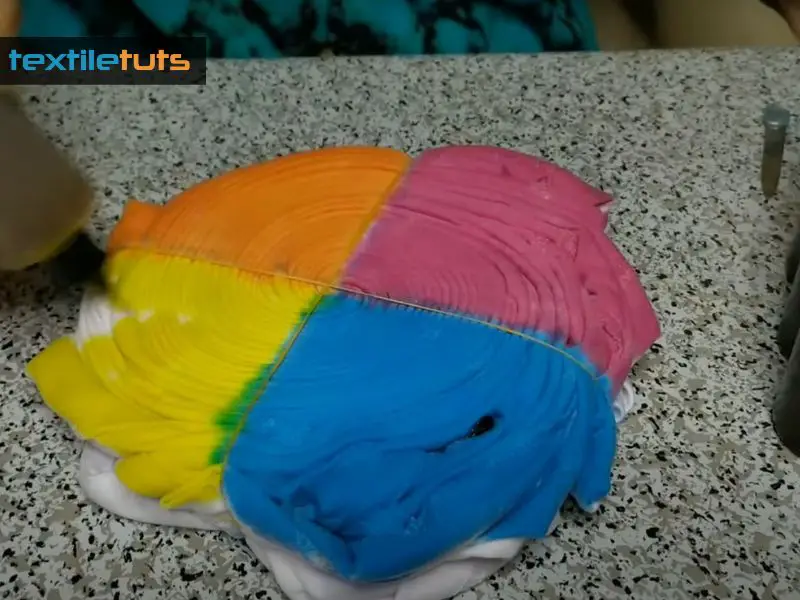
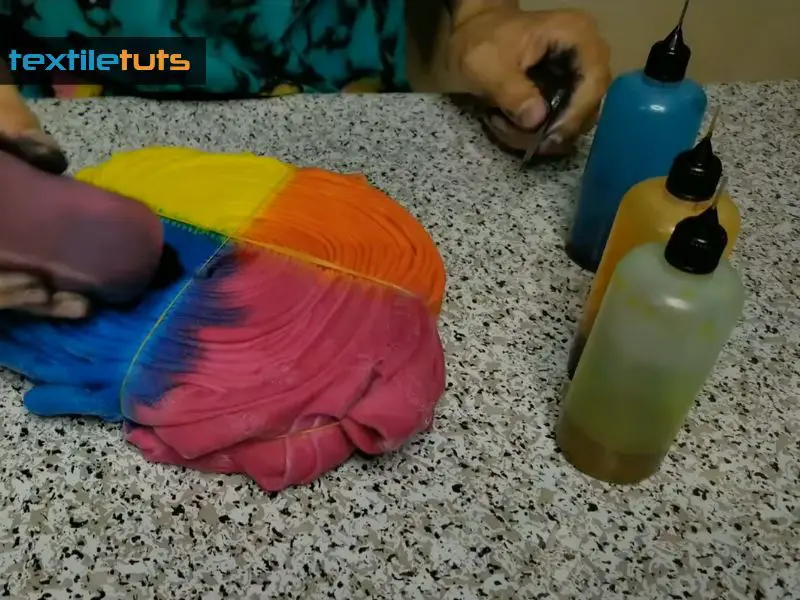
Apply dye using squeeze bottles or spray bottles. For blends, multiple thin applications produce more even coverage than a single heavy application. Ensure dye penetrates the fabric thoroughly.
Heat-Set the Dye Properly
Polyester requires heat to properly set disperse dyes. After applying dye, heat-set the fabric using one of these methods: dryer at 200°F (93°C) for 30-45 minutes, steam iron at medium-high heat for 5-10 minutes per section, or boiling for 30-60 minutes.
Account for Fiber Differential Absorption
The cotton and polyester fibers will display visibly different color saturation levels. Cotton typically appears 40-60% more saturated than polyester in the same dye bath. This creates an attractive heathered effect rather than a flaw.
Test on Fabric Scraps First
Always test the dye formula on a 4-inch fabric scrap from the same blend before committing to the full project. This reveals the actual color outcome and allows formula adjustments.
Best Dyes for Cotton and Polyester Blends
Selecting the correct dye type determines approximately 60% of your final result quality. Different dye chemistries interact differently with each fiber type in the blend.
Fiber-Reactive Dyes
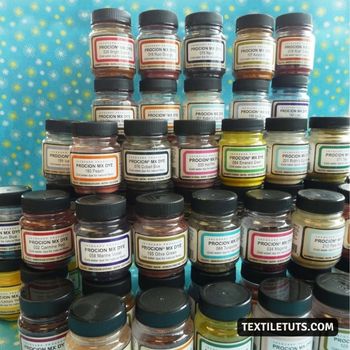
These dyes form covalent bonds with the hydroxyl groups in cotton cellulose at room temperature (68-77°F / 20-25°C). They produce vibrant, wash-fast colors on the cotton portion of blends but have minimal effect on polyester. Best used when combined with a polyester-compatible dye for full-spectrum results.
Disperse Dyes
These dyes are specifically engineered for hydrophobic synthetic fibers like polyester. They work through a dispersion process where dye particles penetrate the polyester micro-structure. Application requires heat at 200-212°F (93-100°C) for proper fixation. Works on polyester but has limited effectiveness on cotton.
Acid Dyes
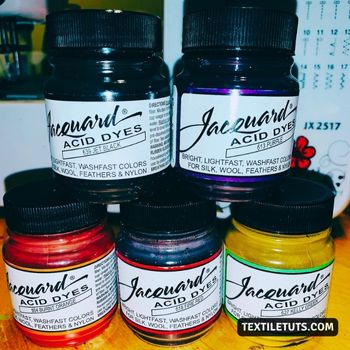
These dyes perform best on protein fibers (wool, silk, nylon) but provide moderate results on cotton-polyester blends. They require application at 180-200°F (82-93°C) with an acid bath. Results on the cotton component are typically muted compared to fiber-reactive dyes.
All-Purpose Dyes
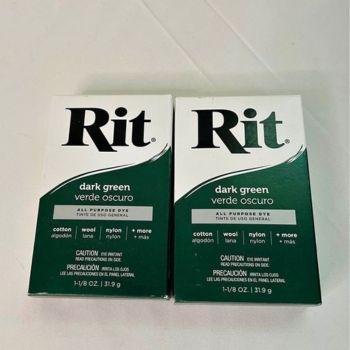
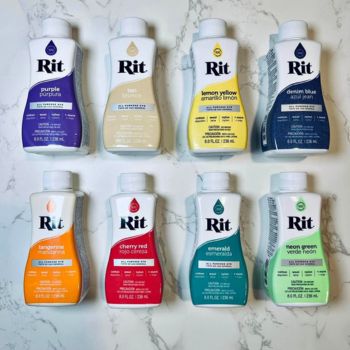
Rit All-Purpose Dye and similar formulations combine multiple dye types to work across fiber categories. They produce moderate results on both cotton and polyester in a blend—less vibrant on cotton than fiber-reactive dyes alone, but more effective on polyester. Application at 200°F (93°C) for 30 minutes provides adequate fixation.
Step-by-Step Guide for Tie-Dyeing a Cotton and Polyester Blend
Creating a tie-dye design on a 50/50 cotton-polyester blend follows a similar process to pure cotton tie-dyeing, with modifications to accommodate polyester’s heat requirements.
Materials Required
Step 1: Pre-Wash the Fabric
Wash the fabric in warm water at 104°F (40°C) without fabric softener. This removes manufacturing sizing and chemical finishes that block dye absorption. Allow the fabric to dry completely before proceeding.
Step 2: Mix the Dye Solution
Prepare the dye according to package instructions. For blend fabrics, use approximately 1.5 times the dye concentration used for pure cotton to compensate for reduced polyester absorption.
Step 3: Set Up Your Work Area
Cover the workspace with plastic sheeting. Put on gloves to protect your hands. Have plastic bags ready for wrapping dyed fabric.
Step 4: Select and Execute Tie-Dye Pattern
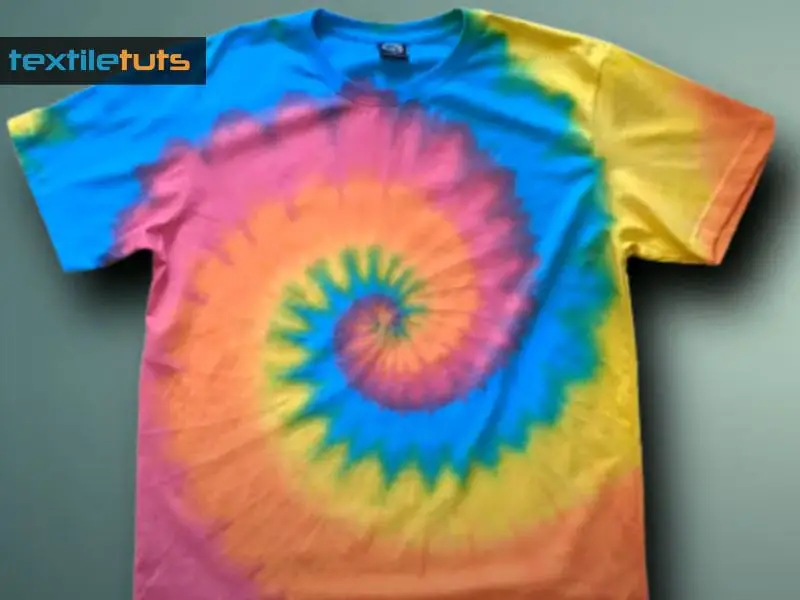
Choose a pattern such as spiral, crumple, accordion fold, or bullseye. Bind the fabric with rubber bands according to your chosen technique.
Step 5: Apply the Dye
Apply dye liberally to each section, ensuring the dye saturates through to the back. For best results on blends, apply at 200-212°F (93-100°C) solution temperature.
Step 6: Wrap and Cover the Fabric
Wrap the dyed fabric in plastic bags or plastic wrap. Seal the edges to prevent drying, which would reduce dye absorption.
Step 7: Allow Proper Fixation Time
Let the wrapped fabric sit for 6-24 hours at room temperature. For maximum color intensity on polyester, allow the full 24-hour period.
Step 8: Rinse and Remove Rubber Bands
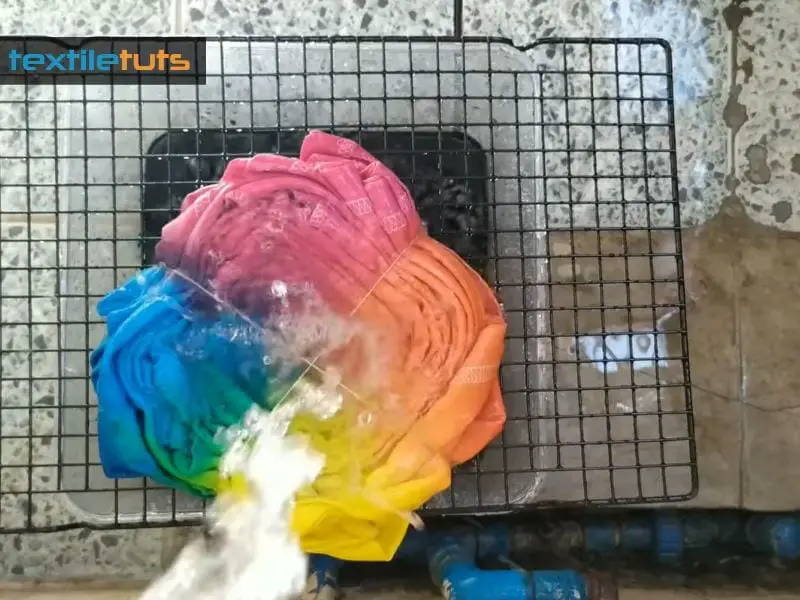
Rinse under cold running water, gradually increasing temperature to warm. Remove rubber bands only after initial cold rinse. Continue rinsing until water runs completely clear.
Step 9: Heat-Set the Dye
Heat-set using one of these methods: place in a dryer at 200°F (93°C) for 30-45 minutes; steam iron at medium-high heat for 5-10 minutes per section; or simmer in water at 200-212°F (93-100°C) for 30-60 minutes.
Step 10: Launder and Dry
Wash separately in cold water with mild detergent. Avoid fabric softener. Dry on low heat or line dry.
Step 11: Final Results
Once dry, the fabric displays the characteristic two-tone effect of blended fiber tie-dyeing, with cotton showing higher saturation and polyester showing softer, muted tones.
Fiber Blend Comparison: Which Blends Tie-Dye Best
| Blend Type | Cotton % | Dye Absorption | Color Vibrancy | Best For |
|---|---|---|---|---|
| 100% Cotton | 100% | Excellent | Maximum | Bright, bold designs |
| Cotton-Rayon | 60-80% | Very Good | High | Vibrant, soft drape |
| Cotton-Polyester | 50-65% | Good | Moderate | Heathered, two-tone effects |
| Cotton-Linen | 50-70% | Good | Moderate | Subtle tonal variations |
| Cotton-Spandex | 90-95% | Good | High (cotton areas) | Stretch garments |
Advantages and Disadvantages of Tie-Dyeing Cotton and Polyester Blend
Tie-dyeing a 50/50 cotton and polyester blend presents unique trade-offs due to the fundamental differences in fiber chemistry.
Advantages
Unique Visual Effect
The differential dye absorption creates a distinctive heathered, multi-dimensional appearance that is impossible to achieve on pure cotton. The subtle color variations add visual depth to each piece.
Enhanced Durability
Polyester adds significant tear and abrasion resistance to the fabric. The blend maintains its shape better than pure cotton and resists shrinkage by approximately 50% during washing.
Reduced Wrinkling
The polyester content provides inherent wrinkle resistance, eliminating the need for ironing in most cases. This extends the fabric’s aesthetic lifespan significantly compared to pure cotton.
Disadvantages
Reduced Color Vibrancy on Polyester
Polyester’s hydrophobic structure absorbs significantly less dye than cotton, typically producing colors 40-60% less saturated on the polyester portions. This creates an inherent color differential that may appear uneven to some observers.
Heat-Setting Requirement
Unlike cotton tie-dyeing, achieving acceptable results on polyester requires heat-setting at 200-212°F (93-100°C) for 30-45 minutes. This adds time and equipment requirements that simple room-temperature tie-dyeing does not.
Less Predictable Outcomes
The dual-fiber chemistry means color distribution appears less uniform than on pure cotton. Intricate designs that rely on precise dye placement often lose definition on blends due to the differential absorption rates.
Dye Migration Risk
Polyester exhibits higher dye migration under high heat exposure compared to cotton. Colors may shift or bleed if the fabric is exposed to temperatures exceeding 250°F (121°C) during washing or ironing.
Texture Differential
The two fiber types have noticeably different textures—cotton is matte and absorbent while polyester is smoother and slightly glossy. This can create subtle visual inconsistencies in how light reflects off the dyed fabric.
Best Fabric Blends for Tie-Dyeing
Not all cotton blends respond equally to tie-dyeing. The percentage of cotton in the blend directly correlates with achievable color intensity.
Cotton-Rayon Blend
Cotton-rayon blends with 60-80% cotton produce excellent results. Rayon (a regenerated cellulose fiber) accepts dye nearly as well as cotton, yielding vibrant, soft-handling fabrics with good drape.
Cotton-Linen Blend
Linen and cotton blends at 50-70% cotton provide good dye absorption. Linen absorbs dye more slowly than cotton, creating subtle tonal variations within the same color.
Cotton-Bamboo Blend
Bamboo-cotton blends (typically 70% bamboo, 30% cotton) offer excellent eco-friendly tie-dyeing results. Bamboo fibers absorb dye efficiently while adding antimicrobial properties to the fabric.
Cotton-Spandex Blend
Cotton-spandex blends with 5-10% spandex work well when stretch recovery is desired. The spandex component does not absorb dye, creating a subtle heathered effect.
Cotton-Viscose Blend
Viscose (another name for rayon) blends with cotton-dominant compositions (70%+ cotton) produce the best results. Higher viscose content reduces color intensity.
Cotton-Modal Blend
Modal (beechwood rayon) blended with cotton at 50-70% cotton ratios yields soft, luxurious fabrics with good dye absorption. Modal’s fine fiber diameter creates smooth, even color distribution.
Tie-Dyed Fabric Care and Maintenance
Proper care preserves both the vibrant colors and the fabric integrity of tie-dyed cotton-polyester blends for years of wear.
Initial Care After Dyeing
Washing Guidelines
Drying Recommendations
Ironing Guidelines
Long-Term Storage
Stain Treatment
Chemical Avoidance
Spot Testing
General Handling
Follow Care Labels
Conclusion
Tie-dyeing a 50/50 cotton and polyester blend produces unique, multi-dimensional results impossible to achieve on pure cotton fabrics. The characteristic heathered effect emerges from the fundamental difference in how each fiber type absorbs and retains dye.
The cotton fibers bond with approximately 70-80% of applied dye, displaying high color saturation, while polyester absorbs significantly less due to its hydrophobic molecular structure, resulting in muted tones that complement the brighter cotton sections.
Success requires using appropriate dyes (all-purpose or blend-specific formulations work best), accounting for the heat-setting requirement specific to polyester, and adjusting expectations to embrace the inherent two-tone character of the blend.
When approached with appropriate technique and realistic expectations, cotton-polyester blends yield distinctive, durable tie-dye creations that combine the comfort of cotton with the wrinkle-resistance and shape retention of polyester.
References
- Textile Fiber Council. (2024). Polyester – Wikipedia. Wikimedia Foundation.
- Rit Dye. (2024). Tie-Dyeing Tips and Tricks. Rit Dye.


