
Can You Dye Underwear

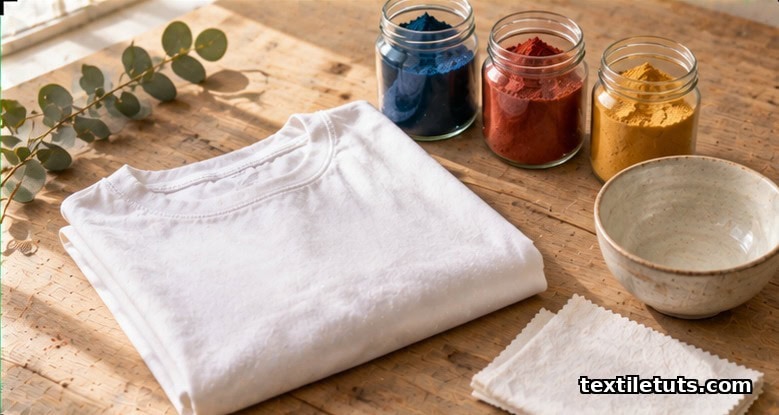
Whether it’s a creative project or just a way to spruce up old clothing, many craft lovers often ponder: Can you dye underwear?
The answer is a resounding yes. You can indeed dye underwear provided the material is dye-friendly. Natural fabrics such as cotton, silk, wool, or linen are ideal candidates for dyeing. However, synthetic materials like polyester might not yield the best results.
Ready to dive into the world of DIY clothes dyeing? Read on as we detail the how-to of successfully dyeing your underwear.
Dyeing 101: The Basics of Changing the Color of Fabric
Changing the color of your underwear is doable, and you can manage it with the right kind of dye and proper preparation. In this section, we have covered the basics of fabric dyeing that are necessary to consider.
What Kind of Dye to Use
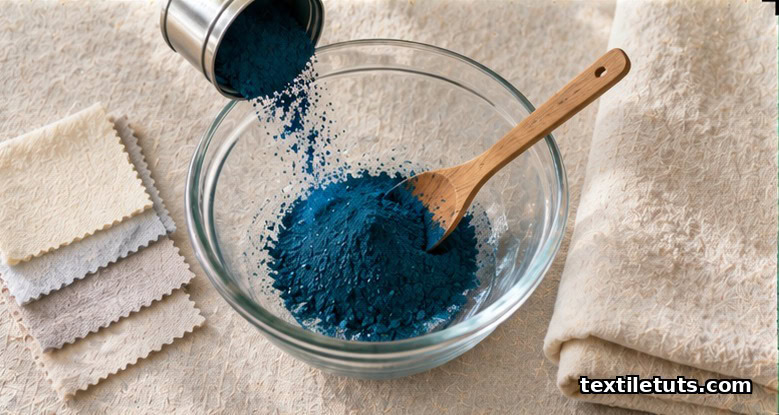
The first step is picking the right dye. One of the most popular options for dyeing fabrics at home is using a reactive dye, like Procion MX, which is best suited for plant-based fibers such as cotton, linen, and rayon. It’s easy to use and readily available at most craft stores. If your underwear is made of synthetic fibers like polyester or nylon, an acid dye or disperse dye would be most effective.
Necessary Preparations before Dyeing
Before you plunge your underwear into the dye bath, there are several key steps you should follow to prepare both the fabric and the dye.
The Importance of Pre-washing
Pre-washing your underwear before dyeing is crucial. Oils, dirt, and finish on new underwear can prevent dye absorption, leading to uneven coloration. So always wash your underwear first using a small amount of laundry detergent; this removal of foreign substances ensures a clean slate for the dye to adhere to.
Preparing Your Dye Bath
To start preparing your dye bath, always make sure to follow the instructions on your dye package. This generally involves dissolving the dye in warm water. How much water and how much dye you need will depend on the size and number of items you’re dyeing. Some dyes also require the addition of other substances, such as salt, to help the dye bond to the fabric. Once your dye bath is ready, fully submerge your damp, pre-washed underwear, ensuring it’s evenly soaked in the dye mixture.
Bear in mind whilst dyeing, all materials used must be non-reactive; this means avoid using materials like iron or aluminum which may react with the dye and negatively affect the dyeing process or the color result.
Beyond these basics, there are other factors that can influence your dyeing process – the dyeing time, the temperature of the dye bath, stirring, and aftercare. But with these basic steps covered, you’re well-prepared to start your underwear dyeing adventure.
The Process: Can You Really Dye Your Underwear?
Under times of creative fun or out of necessity, you may find yourself wondering if it’s possible to dye your underwear. The answer is a resounding “Yes”. You can certainly put a bit of a personal touch on your briefs, thongs, boxers, or any form of undergarments you prefer. Below is a step-by-step guide laying out how to dye your underwear.
Step-by-Step Guide to Dyeing Underwear
Mixing the Dye
Start by choosing your dye. Keep in mind that dyes produce different results on different fabrics. For a DIY approach, you can use a packet of dye powder or liquid concentrated dye. Always remember to read the instructions on the dye packet first. Mix the dye in a bowl or basin expansive enough for easy maneuvering of the underwear. You may have to dilute the dye solution with water or add salt depending on the instructions or type of fabric.
The Soaking Phase
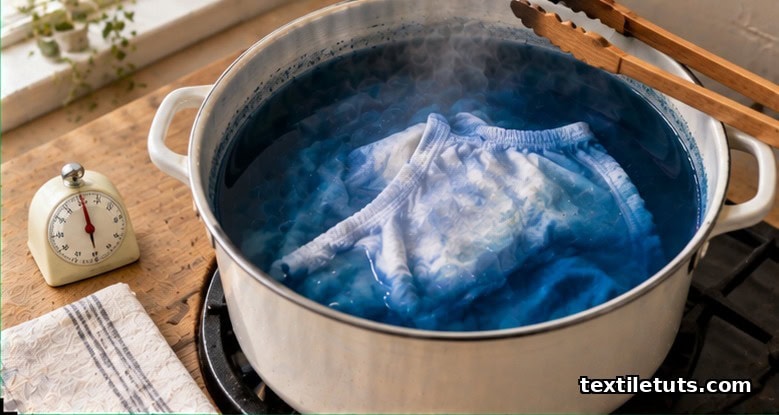
Before introducing the underwear to the dye mixture, it’s best if they’re damp – this helps the dye evenly spread across the fabric. Submerge the underwear in the dye solution, ensuring all parts soak evenly. Let it sit for the amount of time specified in the dye instructions. Keep an eye on the fabric during this process to see how well the color is being absorbed.
Rinsing and Washing After Dyeing
After your chosen dyeing time, carefully remove the underwear from the mixture, and rinse thoroughly under cold water. Continue rinsing until the water runs clear, which indicates that the excess dye has been removed. Then, you should wash the dyed underwear separately from other clothes to avoid any inadvertent color transfer.
Specific Procedures for Different Materials
Dyeing Cotton Underwear
Cotton takes dye relatively well, making it an ideal fabric for dyeing. Ensure you use a dye that’s best suited for natural fibers like cotton. After preparing the dye bath, as detailed above, soak your cotton underwear for at least 30 minutes to an hour. Remember to rinse thoroughly before washing.
Variance when Dyeing Synthetic Materials
Synthetic materials such as nylon or polyester can be a tad bit tricky to dye. They may require specially-formulated dyes and a longer soaking time than natural fibers. Furthermore, some synthetic fabrics may have reactions to dye, such as becoming discolored or not taking the dye at all. As such, it’s highly recommended to do a small test run before dyeing the entire underwear piece.
Common Mistakes to Avoid
When dyeing underwear, it’s crucial to be aware of some common mistakes that can result in unsuccessful results. Here are a couple of pitfalls to avoid:
The Influence of Original Color
The color of the underwear you start with significantly impacts the final result of the dyeing process. Using bleach to remove the original color before dyeing might seem like a good idea, but it can damage the fabric and lead to uneven color.
Essentially, dyeing is a subtractive process. That means the original color of the fabric subtracts from the color of the dye. For instance, if your underwear is yellow and you dye it with blue, you may end up with a greenish hue rather than the expected blue. Think back to your elementary school color mixing lessons – it works much the same way.
Overcrowding Your Dye Bath
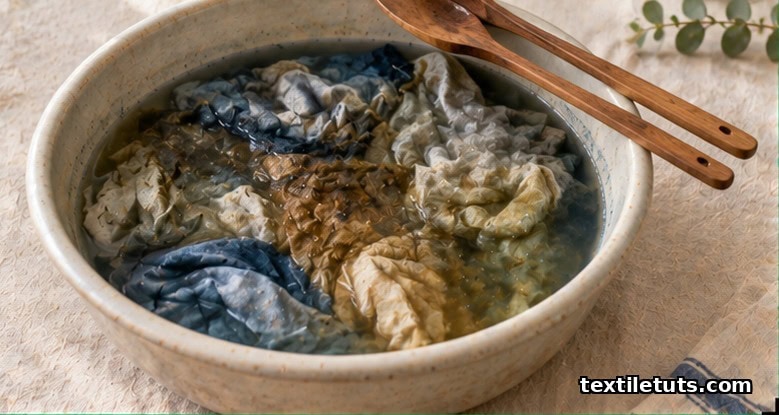
The amount of fabric you dye at once also hugely influences the outcome. Just like in cooking, overcrowding your dye bath can lead to uneven coloration. The pieces of the garments should move freely in the bath. Overcrowded items won’t get an equal amount of exposure to the dye, resulting in blotchy, inconsistent results.
As a simple rule, use enough water in the bath so that your underwear can move freely. If you’re dyeing multiple undergarments at once, use a bigger pot or tub. Depending on the size and number of the underwear, for a typical home dye project, you might need a pot that holds between 8 to 12 quarts.
Moreover, make sure to stir your garments regularly in the dye bath. That ensures they soak up the dye evenly and you don’t end up with any unwanted patterns and spots.
Tips and Tricks for a Stellar Dye Job
Dyeing your underwear can be a creative and fun way to add a personal touch to your intimate garments. In this section, we’ll explore some tips and tricks to ensure a successful dye job, from choosing the right colors to maintaining their richness over time.
Choosing Colors that Work
Choosing the right colors for your underwear is crucial. The colors should not only make you feel good, but also be suitable for the type of fabric your underwear is made from. Here are a few tips:
- Light colors on light fabric: If your underwear is a light shade, such as white or beige, you can dye it any color. Light fabrics are also best for pastel shades.
- Dark colors on dark fabric: If you have dark underwear, you should choose deep, *dark]
colors, such as navy blue, black or burgundy. Dyeing dark fabric with light colors often ends up in a muddy, insipid result. - Consider the fabric: Different fabrics absorb dye differently. For example, cotton and other natural fibers typically hold dye better than synthetic materials.
- Test first: If you’re unsure about a color, test it on a small, hidden area of the garment first.
Maintaining the Color Intensity over Time
The next challenge after dyeing your underwear is maintaining the color intensity. Even with the best dyeing techniques, colors can fade over time due to multiple washes and wear. Here’s how you can preserve the color intensity:
- Wash less frequently: Try to reduce the number of times you wash your underwear. Over-washing can lead to rapid color fade.
- Use cold water: Washing your dyed underwear in cold water helps to keep the color vibrant. Hot water can cause the dye to bleed out faster.
- Avoid harsh chemicals: Detergents with bleaching agents or brighteners can strip color from your underwear. Choose a gentle detergent formulated for colored clothing instead.
- Hang to dry: Rather than using a machine dry that can heat and fade the color, hang your underwear to dry naturally.
Remember, the key to an excellent dye job is patience and practice. So don’t be disheartened if your first few attempts don’t turn out exactly as you’d hoped. Keep experimenting with different techniques and colors, and you’re bound to master the art of dyeing underwear in no time.
Why Dye Your Underwear?
There are numerous reasons why you might want to consider dying your underwear. Here are a couple of motivations that may influence your decision.
The Fun of Personal Expression
Firstly, dying your underwear can be a fantastic means of personal expression. Unlike outerwear, undergarments are often hidden, providing a unique canvas for your individual creativity and style.
The colors and designs you choose are personal to you, offering an avenue for you to freely express your character and personality. The process can be therapeutic and enjoyable, as it involves the blend of various colors, patterns, and techniques that transform your simple white underwear into unique pieces of personal attire. It essentially adds an element of surprise and fun to an everyday piece of clothing.
Environmental Impact: Renew Instead of Replacing
Secondly, there is an environmental advantage to dying your underwear. In times where sustainability and lower waste production are imperative, reusing or renewing our items instead of replacing them is a crucial step in the right direction.
A lot of waste comes from the fashion industry. According to the Environmental Protection Agency, an estimated 16.9 million tons of textile wastes were generated in 2017. Dying your worn-out underwear gives it a new lease of life, minimizing the impact on the environment, and reducing the number of garments that end up in landfill each year.
- Year: 2017
- Textile Waste Generated: 16.9 million tons
Furthermore, opting to dye your underwear might even help you to save money. Instead of spending on new pieces of underwear when the old ones look worn-out, you can simply update them with different colors and patterns, making them look as good as new.
The key to achieving great results lies in following the correct dying process. Ensure you choose the right fabric dye and follow the specific instructions for best results. With a little bit of patience and creativity, you can transform your underwear into a personal work of art while making a positive contribution to the environment.
Dyeing Underwear: Not Just a Do-It-Yourself Project
You might think dyeing underwear is a simple task of just purchasing a dye kit, following the instructions and, presto, your intimates are transformed. Indeed, that’s one way to dye underwear at home. However, dyeing delicate items, such as underwear, can be a tricky process, especially if you want the color to look even and the fabric to stay soft and comfortable. Even some materials may not hold dye well or may react adversely to the chemicals in the dye. That’s where professional services come in.
Professional Services for Dyeing Delicate Items
There are professionals who specialize in dyeing delicate materials, including underwear. These experts understand the intricacies associated with different fabrics, ensuring the dye evenly penetrates the material and fixates properly. They also employ professional-grade dyes that are suitable for intimate apparel.
Generally, these services provide options for you to choose your desired color. They then take care of the entire process, from preparing the underwear for dyeing to the actual dyeing and finally the rinsing and drying process. All these steps are crucial in ensuring the color’s longevity and the material’s durability.
Pre-Dyed Underwear Options on the Market
If professional dyeing seems too much of a stretch and you’re not confident in your DIY skills either, there’s still another option for you: buying pre-dyed underwear. These underwear are a popular trend today and they offer a wide variety of bold and vibrant colours to choose from.
Pre-dyed underwear is generally colourfast, meaning the dye doesn’t run or fade easily. This is because manufacturers use industrial-level dyeing machines and textile dyes that promise solid and long-lasting colors. With pre-dyed underwear, you don’t have to worry about the hassles of dyeing at home or the costs of professional services.
Whether you use professional services, do it yourself, or buy pre-dyed underwear, remember the main goal is to have underwear that makes you feel good and comfortable!


