
Can You Dye Stitching on Clothes

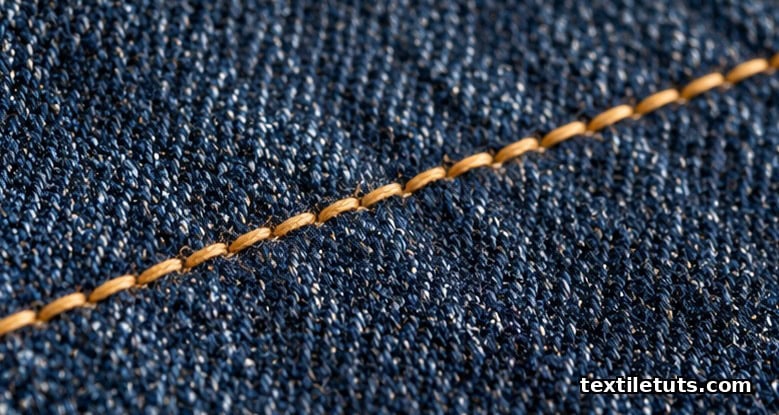
When sprucing up a garment, one might wonder: can you dye stitching on clothes? It’s a common question, often asked by both home crafters and fashion enthusiasts alike.
Yes, it’s possible to dye the stitching on clothes, but the outcome will largely depend on the type of thread used in the stitching. Natural fibers like cotton or silk usually accept dye well, while synthetic ones like polyester do not.
Ready for a deeper dive? Buckle up, we’ll examine the specifics involved in dyeing stitches and the factors that may affect the process and results.
The Art of Dyeing: An Overview
Dyeing is an ancient art form that has been practised for thousands of years. The process involves adding colour to textile products, most commonly fabrics, by soaking them in a solution that contains a dye.
Historical Background of Dyeing
Dyeing dates back to the Neolithic period, as the earliest evidence suggests that people dyed fabrics as early as 6000 BC. Originally, dyes were obtained from natural sources such as plants, insects, and molluscs. The process was labour-intensive and time-consuming. The invention of synthetic dyes in the mid-19th century revolutionised the dyeing industry, making the process cheaper, faster and offering a wider range of colours.
Different Types of Dyeing Techniques
Various dyeing techniques have been used throughout history, including vat dyeing, resist dyeing, and direct application. The technique used often depends on the type of fabric, the dye used, and the desired effect.
- Vat dyeing: This is the process of dyeing in a large pot or vat. It’s commonly used for wool and cotton fabrics.
- Resist dyeing: In this technique, certain parts of the fabric are covered to “resist” the dye, resulting in patterns and designs. Methods of resist dyeing include tie-dyeing and batik.
- Direct application: The dye is painted or printed directly onto the fabric. This is often used for intricate designs and patterns.
Dyeing in the Fashion Industry
In the fashion industry, dyeing plays a crucial role in adding colours and designs to clothes. However, it’s important to mention that not every material used in a garment will absorb dye in the same way. Take for instance, the stitches used to sew clothes together. They are often made from polyester, a material that does not dye easily with traditional dyes.
So, can you dye stitching on clothes? Yes, but it’s challenging. You need to know the material of the thread and treat it with a specific dye, suitable for the thread. For example, polyester threads require a disperse dye, which is hotter and more intense than the typical fabric dye. It might not be a simple process, but with the right technique and materials, it can be achieved.
Can You Dye Stitching on Clothes?
Yes, you can indeed dye the stitching on clothes. This fashion hack allows you to refresh worn-out or faded clothing items by giving them a new and vibrant look. However, the success of this process primarily depends on the type of stitching materials used in the clothing. Typically, stitches made from natural fabrics like cotton, silk, or wool can take dye efficiently, while synthetic materials can be more challenging to dye.
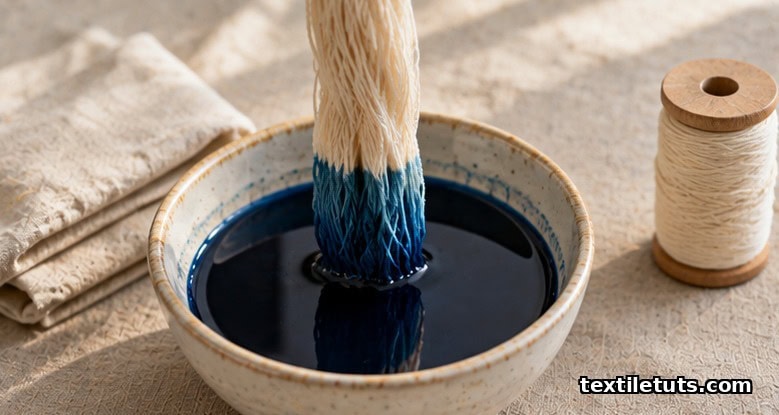
The Process of Dyeing Stitching
The entire process of dyeing stitches on clothes involves strategic preparation and precise execution to ensure you attain the desired results. Below is a brief guide on how to effectively dye stitching on clothes.
Preparation: Choosing the Right Materials
Your first step is to choose the right materials. While there are many types of dye available in the market, it’s crucial to select a fabric dye that is appropriate for the type of fibre content in your stitching thread. For example, if the thread is cotton, use a dye suitable for cotton fabrics like reactive or direct dyes.
If unsure about the type of thread used in your item of clothing, opt for either a union dye which is suitable for mixed fibres, or a multipurpose dye which works well on both natural and synthetic fabrics.
Executing the Dyeing Procedure
The actual process of dyeing the stitching begins after you’ve chosen the appropriate dye. Start by preparing the work area by covering it with plastic to prevent stains. Then, prepare your dye bath following the manufacturer’s guidelines. Generally, you will mix the dye with warm water and add salt or vinegar, depending on the specific instructions.
Next, wet your clothing item in warm water and squeeze out any excess water. Place the damp clothing into the dye bath and ensure it’s fully submerged. The duration for which the item stays in the dye depends on the intensity of the color you desire. Once done, rinse the item in warm running water until the water runs clear. Finally, let the item dry and admire your handiwork.
Please remember, the process and results may vary based on different factors like the type of clothing, the color of the stitch, and the type of dye used. Hence, following the instructions on the dye package is crucial for best results.
Potential Challenges in Dyeing Stitching
Dyeing the stitching on your clothing can give your outfit an entirely new look. However, this isn’t always an easy process and might come with several challenges you should be aware of. Let’s kick things off with understanding different types and materials of thread that might pose issues during dyeing.
Materials That Resist Dyeing
Not every stitching material will take up dye as you expect. For instance, synthetic materials like polyester or nylon are notorious for resisting dyes. This is due to their chemical makeup which doesn’t allow the dye to adhere successfully.
On the other hand, natural fibers like cotton, silk, or wool can more readily absorb dye, making them suitable candidates for changing the thread color. This doesn’t rule out that synthetic materials can’t be dyed at all, but you might need specialized dyes or methods for them to work properly.
Sudden Color Changes and Inconsistencies
Another common challenge you might face while dyeing stitching on clothes is sudden color changes or inconsistencies. Dyeing is not always a uniform process, and slight changes in technique or dye concentration can lead to inconsistency in color.
For instance, if the dye is not thoroughly mixed or if the thread is not evenly saturated, some parts might appear darker or lighter than others. Therefore, it’s crucial that you take the time to ensure even application of the dye to avoid such issues.
Caring for Dyed Stitching
Once you’ve dyed your stitching, maintenance becomes an important next step to ensure the longevity of the new color. Washing the dyed cloth in gentle detergent, preferably in cold water, can help the color hold up better. Aggressive washing or drying might cause the color to fade quickly.
Note that different types of dyes also have different levels of colorfastness. Some dyes might bleed out during the first wash, so do take care to wash separately. Perhaps, you could test a small patch in the corner, before washing the whole garment.
The Impact of Stitching Dyeing on Styles and Trends
Dyeing the stitching on clothes has recently made a significant impact on fashion styles and trends. It’s a creative method used to customize clothes and create unique pieces.
Dyeing as a Means of Customization
Dyeing is a traditional process that has been used for centuries to change the color of fabric. Today, this process is used to customize clothes in numerous ways, including dyeing the stitching. By selectively dyeing the thread used in seams, hems, and decorations, designers and DIY enthusiasts can create designs that are truly unique. For instance, a simple white t-shirt can turn into a trendy piece by adding a splash of color just to the stitching. This customization opens up a new realm of possibilities that allows everyone to express their unique style.
Creating Unique Patterns and Designs Through Dyeing Stitching
Dyeing stitching doesn’t only make a style statement but also allows designers to experiment with new patterns. By using different colored dyes for stitching, it is possible to create artistic patterns and designs. For instance, a black dress with rainbow-colored stitching would create an exciting contrast and make the stitching a key design component. Moreover, these methods allow for individual creativity, as stitching dyeing techniques can be varied according to personal preference, creating a diverse range of styles and trends.
Influence of Stitching Dyeing on Upcycling Clothes
Stitching dyeing has also made a significant impact on the upcycling trend. Upcycling, or creatively reusing old clothes, has become a popular practice among sustainable fashion enthusiasts. Stitching dyeing offers an easy, economical, and highly effective way to revamp old clothes. For example, a pair of old jeans can be given a fresh new look by dyeing the stitching in a bright color. This not only gives the jeans a new lease of life but also promotes sustainability by reducing the demand for new clothes.
According to a 2020 survey on upcycling practices, 58% of respondents indicated that they’d dyed stitching on clothing as a form of upcycling.
| Upcycling Practices | Percentage of Respondents |
|---|---|
| Dyeing Stitching | 58% |
| Adding Patches | 47% |
| Altering Size | 39% |
In conclusion, dyeing clothes stitching has become a powerful tool in fashion, enabling creative customization, fostering unique patterns and designs, and fueling the upcycling trend. As we progress further into the future, it’s likely that this technique will continue to shape the fashion industry.
Tips and Tricks for Successful Dyeing
Yes, you can indeed dye the stitching on your clothes. Whether you want your stitching to perfectly match the rest of your garment or you want it to act as a striking contrast, dyeing stitching is doable with the right materials and methods. However, the process can be tricky and requires attention to detail. In the following sections, we’ve gathered the best tips and tricks to help you dye stitching successfully.
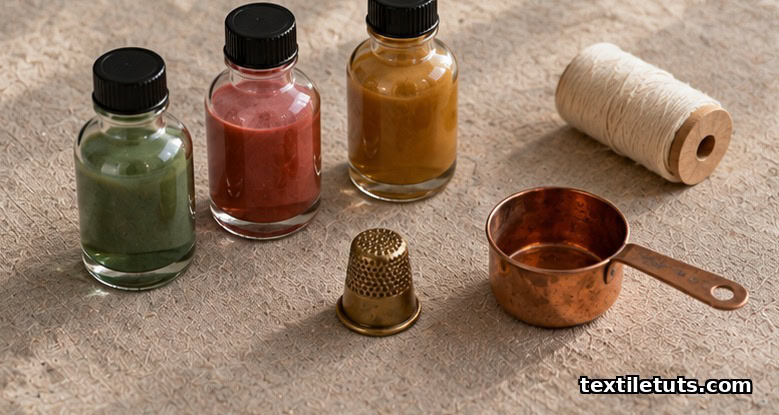
Expert Advice on Dyeing Various Materials
There’s no one-size-fits-all rule when it comes to dyeing different materials, each type requires specific strategies:
- Synthetic threads: Typically, synthetic threads such as polyester, nylon, or acrylic are more resistant to dye. If your stitching is made of these, you will need to use a dye specifically designed for synthetic fibres.
- Natural threads: If your stitching is made of cotton, silk, or linen, you can use standard fiber reactive dyes. These are easier to use and readily absorb into natural fibres, leading to a vibrant and long-lasting color.
Regardless of the type of thread you are dyeing, remember to rinse thoroughly after dyeing to ensure the color doesn’t bleed onto other areas of the garment.
Top Products to Use for Dyeing Stitching
Based on customer reviews and expert recommendations, here are some top products you can use for dyeing stitching:
- Rit DyeMore Synthetic Fiber Dye: A great choice if you’re trying to dye synthetic threads. It offers a wide range of vibrant colors.
- Jacquard Procion MX: An excellent choice for natural threads. It’s easy to use and comes in a variety of colors.
- Dylon Hand Fabric Tie Dye: Another solid choice for natural fibers, Dylon offers a range of bold and vibrant colors to choose from.
As with any product, always follow the manufacturer’s instructions to ensure the best results.
Please note that dyeing stitching can be a big undertaking, and results vary. Experiment with less loved pieces before you move onto your favorites. Happy dyeing!
Real-life Examples of Dyed Stitching Outfits
Dyeing stitching on clothes is a unique way to make your wardrobe pieces stand out. Whether it’s sprucing up an old favorite or adding character to a new garment, dyed stitching offers endless possibilities for DIY fashion lovers. To energize your imagination, let’s delve into some real-life examples of dyed stitching outfits.
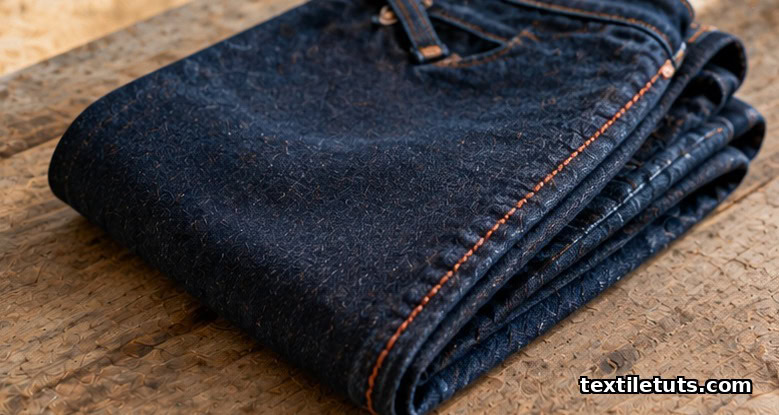
Exemplary DIY Stitching Dyeing Projects
1. Denim Revamp: This project involves taking an old pair of jeans and transforming them with bright neon stitching. This stylish hip look was achieved by using a simple dip-dye technique and a neon fabric dye.
2. Sweatshirt Makeover: This creative enthusiast took a plain sweatshirt and elevated it with tie-dye and dyed stitching. Using various shades of fabric dye, the result was a unique garment with an artistic flair.
3. Vintage Jacket Enhancement: With the aim of adding new life to a vintage jacket, this DIYer ornately applied dyed stitching to the garment. By using natural dyes derived from plants, the jacket took on a distinct and appealing organic look.
Below is a table summarizing these DIY projects:
| Project | Garment | Technique | Dye Used |
|---|---|---|---|
| Denim Revamp | Old jeans | Dip-dye | Neon fabric dye |
| Sweatshirt Makeover | Plain sweatshirt | Tie-dye and dyed stitching | Various shades of fabric dye |
| Vintage Jacket Enhancement | Vintage Jacket | Dyed stitching | Natural dyes derived from plants |
Celebrities and Fashion Designers Who Use Dyed Stitching
Dyed stitching is not just a DIY phenomenon; it has also captured the attention of fashion designers and celebrities. For instance:
1. Vivienne Westwood: The renowned fashion designer is known for her love of vibrant colors. She often uses dyed stitching in her collections to create iconic turnouts.
2. Riccardo Tisci: The creative director for Burberry has utilized dyed stitching in his designs to add detail and distinction to the garments.
3. Kanye West: The musician and founder of the Yeezy brand has also showed affinity for dyed stitching in his fashion line, creating unique, eye-catching pieces.
In the spotlight or at home, dyed stitching adds an extra dimension of creativity to fashion. The examples above show just how versatile and transformative this technique can be. It could be your next favorite DIY crafting adventure or the detail that takes your line to new heights.
Environmental Impact of Dyeing
In recent years, news about our planet’s condition has put many on alert. Because of this, finding sustainable options for everyday actions like dyeing clothes—specifically the stitching—becomes paramount. This is in an effort to reduce our carbon footprint and lessen any potential negative environmental impact.
Environmental Impact of Dyeing
Dyeing can have a substantial impact on our environment, especially when using synthetic chemicals. Synthetic dyes are created using non-renewable resources and can often lead to pollution of our water streams through wastewater. Moreover, toxic materials can also be released during the dyeing process, posing a risk to workers’ health and the environment. Understanding this impact is crucial in rethinking our choices and habits when it comes to dyeing clothes and stitching.
Reducing Waste Through the Art of Dyeing
The use of dyeing as a method of renewing clothes has gained popularity among eco-conscious consumers. This method significantly extends the life span of a garment, urging us towards a circular economy model where we reduce, reuse and recycle. Dyeing stitching on clothes, specifically, allows us to update our wardrobe without creating unnecessary waste. It’s an innovative approach to fashion, fighting against the ‘throw-away’ culture prominent in today’s society.
Using Natural Dyes: A Sustainable Approach
Natural dyes offer an environmentally friendly alternative to synthetic dyes. Extracted from plants, minerals and even insects, natural dyes are biodegradable and non-toxic. However, the process of applying natural dyes can be more labor-intensive and time-consuming, sometimes requiring the use of a ‘mordant’ or fixative to ensure the dye remains brightly colored and wash-resistant. Nonetheless, the resulting colors are often more complex and rich, and can be an appealing trade-off for those looking for eco-friendly options.
Here are some common sources of natural colour:
- Indigo: A plant that produces a beautiful, rich blue color.
- Madder: Produced from the root of the madder plant, it results in red and pink hues.
- Weld: Provides yellow tones.
- Logwood: A tree that gives purple color.
Switching to sustainable practices in every aspect of life, including dyeing, can lend a hand to preserving our beautiful world for future generations. It’s a small but worthy step in the right direction.


