
Can You Dye Nylon Rope

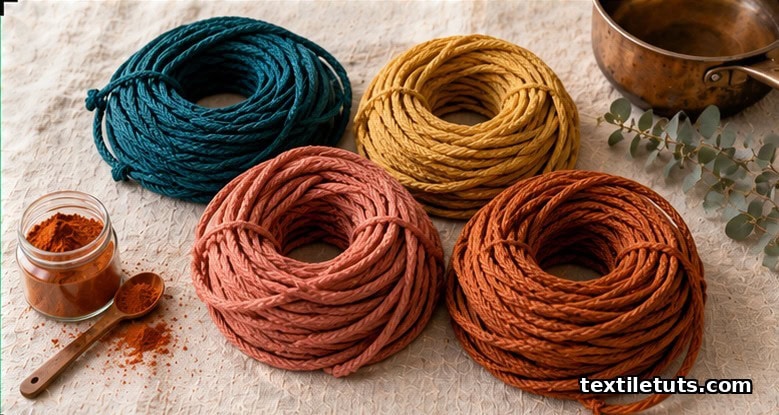
For those adventurers seeking to add a dash of flair to their climbing gear or handy folks wanting to color-code cords for organizing, a question pops up: Can you dye nylon rope?
Yes, you can dye nylon rope! The nylon material absorbs color well, and using an acid dye and vinegar solution, you can change the color of your rope with ease.
Read on, as we delve into the process of how to dye nylon rope effectively and safely plus pro tips on achieving the best results.
Tying Up The Basics: What is Nylon Rope?
Nylon, a highly versatile and proven material that has been around for decades, serves as the core material for various types of ropes due to its impressive qualities. With the proper understanding of what it is, why it’s widely used, and its strengths (popularly used in materials such as ropes), you’d begin to appreciate its potential even more. Let’s dive in!
Tying Up The Basics: What is Nylon Rope?
Nylon rope is a type of cordage constructed primarily of nylon fibers. Nylon, a synthetic polymer initially developed in the 1930s, quickly took the rope-manufacturing industry by storm due to its strength, elasticity, and resistance to wear, sunlight, and chemicals. Today, it’s commonly used for various applications, including boating, climbing, and industrial tasks.
The History And Evolution Of Nylon Rope
The history of nylon goes back to 1935 when it was first invented by a team of chemists at DuPont. Initially meant as a replacement for silk, nylon soon found its applications in many fields, including rope making. By the 1950s, nylon rope began to be widely used, replacing traditional natural fiber ropes such as hemp and manila in many applications due to its superior properties. Over the years, advancements in engineering and manufacturing techniques have allowed for improved strength, flexibility, and wear resistance in nylon rope.
Why Nylon? Key Characteristics And Advantages
Modern-day nylon rope is popular due to several key attributes that set it apart from other types of ropes. Let’s explore them.
Strength And Resilience
One of the prime advantages of nylon rope is its strength. Nylon has a high strength-to-size ratio, making it one of the preferred materials for heavy-duty applications. Besides this, nylon also shows excellent resilience – it can stretch up to 20-30% of its initial length before breaking. This elasticity makes it ideal for tasks where shock absorption is crucial, such as towing or mooring lines.
Flexibility And Versatility
Beyond strength and resilience, nylon rope is also highly flexible. It can be tied into various knots, coiled, or wrapped without losing its strength or shape, making it an excellent choice for a variety of applications. Nylon ropes are also resistant to UV radiation, abrasion, and chemicals, adding to their versatility. Whether you need a sturdy rope for outdoor use, a reliable utility rope, or a high-performing industrial rope, nylon has got you covered.
The Colorful Considerations: Can You Dye Nylon Rope?
When it comes to transforming the appearance of a nylon rope, the question of whether you can dye it is often raised. Nylon, like other synthetic fibers, has properties that may either facilitate or impede the dyeing process. The best part is that you can indeed dye nylon ropes, but there are quite a few considerations to be mindful of.
The Effects Of Dye On Nylon’s Material Integrity
Nylon is a robust, lightweight, long-lasting material often used as ropes for a variety of purposes, such as climbing, boating, or even crafting. When dye is introduced to nylon, the material’s integrity may or may not be compromised, depending on the type of dye used and the dyeing method applied.
Fortunately, when done correctly, and using the appropriate dye, the physical properties of nylon change minimally, retaining most of its original characteristics such as tensile strength, elasticity, and abrasion resistance. Some studies suggest that the use of acid dyes can have a minor negative impact on strength and elongation properties of nylon. However, these changes are generally minor enough which won’t affect the overall performance of the rope.
Exploring Different Dyeing Techniques
When it comes to dyeing nylon ropes, knowing the right techniques and dyes to apply is vital. That said, let’s take a look at two effective dyeing methods that can be used on nylon ropes: The Direct Dyeing Method and the Acid Dyeing Method.
Direct Dyeing Method
The Direct Dyeing Method is the most prevalent approach for dyeing nylon rope. This method involves wetting the rope, then applying the dye directly to the material. The dye is typically mixed with hot water, and the nylon rope is immersed in the dye bath for a certain period, allowing it to absorb the color.
This method’s strength lies in its simplicity and cost-effectiveness. However, the colors may appear less vibrant and may fade faster over time compared to other methods.
Acid Dyeing Method
In contrast, the Acid Dyeing Method uses acid dyes, which bind tightly to the nylon fibers. This method is conducted at boiling temperatures, where the nylon rope is soaked in an acidic solution containing the dye. The fibers react with the acid, causing the dye to bond firmly to the material.
While the Acid Dyeing Method requires more specialized supplies and a higher degree of caution, it typically results in more vibrant and longer-lasting colors. Dyeing using acid dye tends to be more uniform and resistant to fading, making it particularly beneficial for outdoor uses.
Color Your World: Step-By-Step Guide To Dyeing Nylon Rope
Dyeing nylon rope can be an interesting and creative process, adding an extra layer of customization to your crafting projects. However, there are a few vital steps to follow to ensure the dye adheres to the rope properly and the color comes out as vibrant and evenly spread as possible. Below is a detailed guide taking you through the procedures of dyeing nylon rope.
Preparing Your Workspace And Materials
Preparation is key when it comes to dyeing nylon rope. This process can get a bit messy, so make sure you prepare your workspace thoroughly to avoid a difficult clean-up process afterwards. Use a plastic or disposable table cover for your work surface. Preferably, perform this task in a well-ventilated space or outdoors.
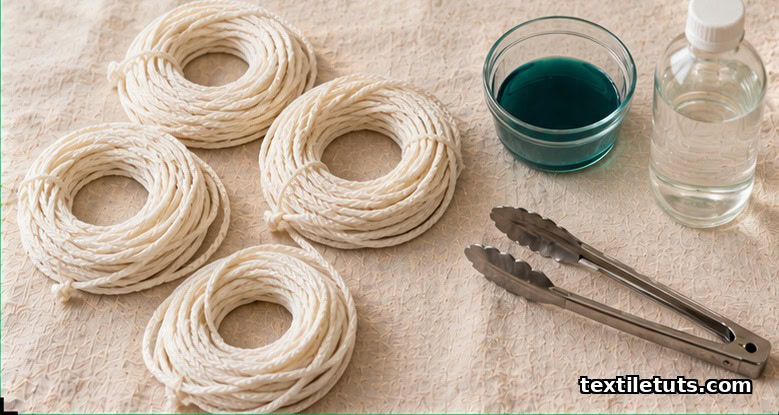
Your materials checklist should have: Nylon rope, dye suitable for nylon, stainless steel pot (for boiling and dyeing), gloves, tongs, measuring cups, spoon (exclusively for dyeing), dish soap, baking soda, white vinegar, and cold water.
Choosing The Right Dye And Color
Not all dyes work the same on all materials. For nylon, it is recommended to use acid dyes known for their vibranacy and permanence on synthetic fibers. They are available in a wide array of colors, allowing you the flexibility to choose any color you fancy. Make sure to read the instructions and safety precautions on the dye package before proceeding.
The Dyeing Process: A Walkthrough
The actual dyeing of the nylon rope involves a series of steps, as laid out below:
- Pre-wash your nylon rope: Pre-washing the rope with warm water and dish soap helps in removing any oils that could prevent the dye from sticking. Rinse thoroughly and let it dry.
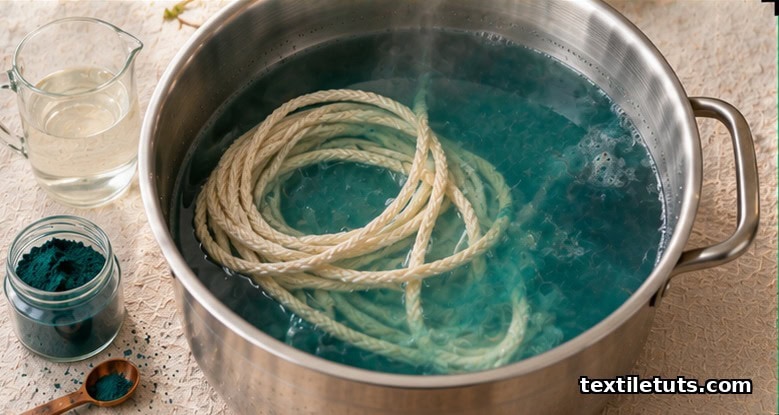
- Prepare the dye bath: Fill your stainless steel pot with enough water for the rope to move freely. Add the dye, vinegar (as a fixing agent), and baking soda (to neutralize). Stir until everything dissolves completely.
- Dye the nylon rope: Submerge the pre-washed rope into the dye bath. Bring the water to a simmer and let the rope soak for 45 minutes to one hour, stirring occasionally for an even color.
- Rinse and dry the rope: Once the rope has achieved the desired color, rinse it thoroughly under cold water until it runs clear. Then, let the rope air dry completely.
These steps can be adjusted based on the type of dye you’re using, the texture of the nylon rope, and the exact shade you’re aspiring to reach. Be sure to always follow the instructions on the dye package to ensure the best results.
Pro Tips And Tricks: Things To Know When Dyeing Nylon Rope
Dyeing nylon rope can become an engaging activity, allowing you to add a personal touch or further functionality to your ropes. However, doing it wrong could leave you with uneven colors and quickly fading dye. Some vital tips and tricks will allow you to dye your nylon ropes with precision and maintain their brand-new look for a long time.
Ensuring Uniform Color: Avoiding Splotches And Uneven Tones
Having a consistent color throughout your rope will give it an aesthetic appeal and also suggests excellent dyeing skills. Here are a few smart moves to ensure uniform color:
- Pre-wash the Rope: Always wash the rope before dyeing to remove dust or dirt that can interfere with the dyeing process. Use warm water and a mild detergent for the pre-wash and rinse it properly.
- Dissolve the Dye Properly: No clumps! Make sure your dye is fully dissolved in the hot water before soaking your nylon rope. Any remnants of undissolved dye can create darker spots or streaks in the rope.
- Continuous Stirring: Stir the nylon rope continuously in the dye bath to get a consistent color. This process prevents the dye from settling only on specific parts of the rope. Ideally, use a long spoon or stick to stir.
Maintaining The Dye: Post-Dye Care And Handling
Once you have achieved the perfect color, your work doesn’t stop there. You need to maintain that fresh-off-the-bath look. Here’s how:
- Proper Rinsing: Rinse the rope in cold water after dyeing until the water runs clear. This step will eliminate the extra dye from the rope and prevent it from fading or staining other items.
- Dry Completely: Allow your rope to dry fully before using it. Wet ropes may cause the dye to transfer to other surfaces. You can hang the rope in an open space to speed up the drying process.
- Minimal Exposure to Sun: Repeated or prolonged exposure to direct sunlight can cause the color of your nylon rope to fade. If possible, store your rope in a place away from direct sunlight.
Correctly dyeing your nylon rope can provide a delightful look while maintaining its functionality. By following these tips and tricks, you can set yourself up for dyeing success and long-lasting color retention.
The Art Of Color: Creative Uses Of Dyed Nylon Rope
Dyeing nylon ropes and using them in various creative and artistic endeavors can totally revolutionize the aesthetic appeal of your home decor, design projects, or DIY crafts. The marriage of functionality and design, dyed nylon ropes provide a fresh, unique perspective to familiar items and spaces.
Inspiring DIY Projects With Dyed Nylon Rope
Dyed nylon ropes are great for flexible, versatile DIY projects. Unleash your creativity and bring a splash of color to your daily life with these fun and engaging uses of dyed nylon ropes.
One popular DIY project is creating personalized handles for bags or baskets. By knotting dyed nylon ropes, you can create beautifully colored and structurally robust handles that make your creations stand out. Similarly, colored ropes can be used as creative shoelaces or curtain holders, bringing a playful and unique vibe to everyday items.
More intricate projects can include weaving a intricate dream catchers or creating striking wall art. The options are practically limitless when it comes to the creative use of dyed nylon rope in DIY projects. So, let your creativity run free and explore the wonderful world of colorful ropes.
Adding Aesthetic Appeal: Dyed Nylon Rope In Interior Designs
Beyond the realm of DIY projects, dyed nylon ropes have found a place of pride in the domain of interior design. Strategic placement and creative use of the ropes can add a layer of visual interest to a room, providing both texture and color.
Bohemian Flair: Macrame Wall Hangings And Plant Hangers
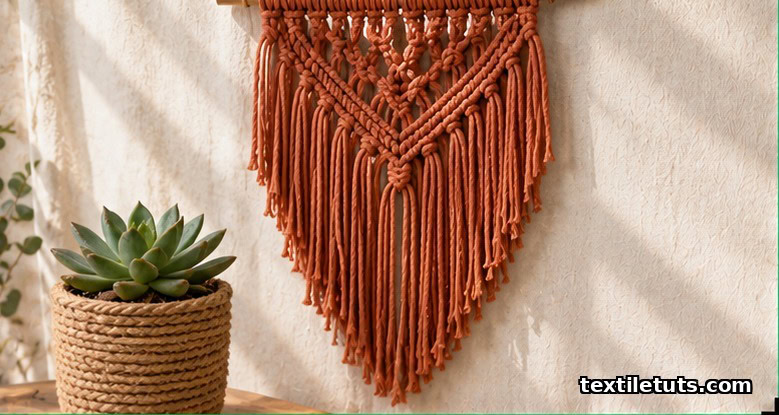
Made popular in the 70’s, macrame is making a comeback in modern interior design. As a craft using knotting techniques, dyed nylon rope is an ideal medium. Wall hangings and plant hangers made from dyed, intricately knotted rope provide both a pop of color and unique texture. They add a bohemian-inspired vibe that’s absolutely captivating.
Nautical Nods: Rope Baskets And Furniture Accents
For a nautical or rustic touch, consider the use of dyed nylon ropes in making rope baskets or decorating furniture. A simple rope basket, for instance, can be a delightful storage solution that’s equally stylish. Wrapping chair legs or table edges with colored nylon rope can add a whimsical, nautical element to your seaside home or rustic cabin.
Truly, with dyed nylon rope, your design options are as vast as your imagination. The only question now is: What will you create?
Common Concerns And How To Handle Them
As with any crafting project, health and safety must be a top priority when experimenting with dyeing nylon rope. Ensure that you read and understand all safety procedures and directions on dye packets. Always wear gloves and eye protection to prevent the dye from staining your skin or causing eye irritation. Work in a well-ventilated area to avoid inhalation of dust or fumes, and never consume food or drink while working with dye to prevent accidental ingestion.
It’s also important to note the particular safety hazards associated with certain types of dyes. For instance, some synthetic dyes may contain heavy metals, which could be harmful if inhaled or consumed. Always opt for non-toxic, eco-friendly dyes when possible and dispose of any waste products safely and responsibly.
The Environmental Impacts Of Dye
Unfortunately, the dyeing process can contribute to environmental pollution if not handled correctly. Many conventional dyes contain synthetic chemicals that can be harmful to wildlife and ecosystems if they enter waterways. This is why it’s essential to use eco-friendly dyes and to properly dispose of any waste materials.
Biodegradable and low-impact dyes are a much greener alternative to typical synthetic dyes. These types of dyes break down over time, reducing the risk of environmental contamination. Additionally, opting for dyes that are labeled as low-impact means that they have a smaller carbon footprint, as they require less water, energy, and chemicals to produce.
Here’s a comparison of biodegradable dyes vs. synthetic dyes:
| Type of Dye | Environmental Impact |
|---|---|
| Biodegradable Dye | Breaks down over time; Less harmful to the environment |
| Synthetic Dye | May contain harmful chemicals; Does not break down easily and could cause pollution |
Before undertaking any dyeing project, it’s important to consider your effect on the environment. By choosing the right products and handling them responsibly, you can create beautiful, vibrant nylon rope while minimizing your ecological impact.


