
Can You Dye Neoprene

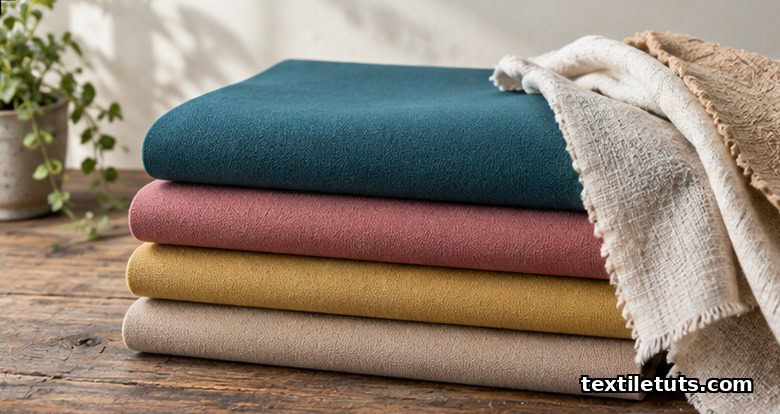
Neoprene, a type of synthetic rubber, is popular in many industries for its flexibility and durability. Often, questions arise about its color customization: Can you dye neoprene?
The answer is yes, you can dye neoprene. However, it’s not as straightforward as dyeing natural fibers like cotton. It involves using a specialized dye, typically a disperse dye, specifically designed for synthetic materials. This kind of dye can penetrate the synthetic surface of neoprene, enabling color transformation.
Keep reading to delve into the process of dyeing neoprene, the potential challenges, and tips for the best results.
Setting the Colourful Scene: What is Neoprene?
Neoprene, also known as polychloroprene, is a type of synthetic rubber that is popular for its various versatile uses. Before we delve into its colour applications, it’s essential to understand what neoprene is and how it’s become synonymous with fashion and functionality.
The Science Behind Neoprene
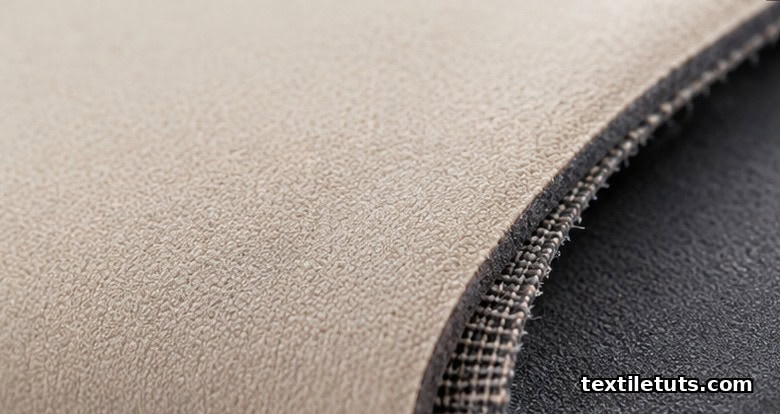
Neoprene is a polymer that is created by chloroprene through emulsion polymerization. Emulsion polymerization is the process whereby the monomers (chloroprene) are suspended within a water-based medium and then undergo reactions to create a polymer. This science allows manufacturers to control the thickness and density of neoprene, to suit different applications.
Physical Properties and Wide Range of Uses
Neoprene’s defining characteristics lie in its flexibility, durability, resistance to heat, and insulation abilities. This synthetic material outperforms and outlasts natural rubber, making it a go-to material for a multitude of sectors such as automotive, sports, electronic, and even the fashion industry.
When it comes to automotive and electronic sectors, neoprene is lauded for its astonishing ability to resist degradation from ozone, sun, heat, and weather. In the athletic and sports sphere, it’s prized for being water-resistant, buoyant, and offering insulation – think wetsuits and gloves. Even in the fashion industry, neoprene has gained traction due to its distinctive look and feel.
Exploring the Link Between Neoprene and Fashion
Neoprene has taken the fashion industry by storm due to its sleek aesthetic and versatility. It’s utilized in various styles ranging from high-end couture creations to street-style staples. Its ability to maintain its shape while providing comfort is a unique property that fashion designers love. Whether it’s neoprene jackets, skirts, or bags, this synthetic material has marked its territory in the world of fashion.
Now that we have a basic understanding of neoprene and its diverse applications, the question remains – can this versatile material be dyed? Stick around as we explore the possibilities of changing the hue of this resilient, ever-popular material.
The Art of Dyeing: Principles and Techniques
Dyeing any fabric, be it natural or synthetic, requires basic knowledge of how dyes work on different materials. At the heart of any dyeing process, lies the understanding of the fabric, the dye, and the interaction between two.
Basic Principles of Fabric Dyeing
The basic principle of fabric dyeing is all about the absorption and interaction of dyes with the fabric. Dyes consist of molecules that have an affinity towards textile fibers and that can form a chemical bond or physical force of attraction. Once the dye is applied, the molecules are absorbed into the fabric. The temperature, pH level and time duration of the dye bath can affect the absorption of dye into the fabric.
In dyes, there are two main components: Chromophores and Auxochromes. Chromophores are the part of the dye molecule responsible for the color and Auxochromes are the part of the dye molecule that helps to enhance the color and the binding of the dye to the fabric.
To successfully dye a fabric, it must be prepared by cleaning to remove any dirt or grease that might prevent the dye from being absorbed evenly. Once the fabric is clean, it is submerged into a dye bath. After immersion, the bath is heated to aid the dye’s absorption into the fabric. The fabric is then rinsed, washed, and dried to finish the dyeing process.
Difference Between Natural and Synthetic Fibres
It is vital to know whether a fabric is natural or synthetic because that determines the kind of dyeing method to be used. Natural fibres – cotton, wool, silk and linen – have been around for centuries, and are easier to dye due to their natural absorbency. They have lots of tiny spaces for the dye to bond with the fabric. Natural fibres can be dyed with either natural or synthetic dyes.
On the other hand, synthetic fibres like polyester, nylon, and acrylic are petroleum-based and not as absorbent as natural fibres. They require more heat and, often, different types of dyes to colour them successfully. These fabrics are often dyed before they are woven into fabric – a process known as solution dyeing.
Particularly, when it comes to Neoprene, this synthetic rubber is notoriously tricky to dye due to its high heat resistance and lack of absorbency. It can’t be dyed in the traditional sense like natural fibres. Spray painting or screen printing with flexible, fabric-based inks are generally recommended for colouring neoprene instead of dyeing.
Can You Really Dye Neoprene?
So, can you really dye neoprene? The straight answer is yes, you can. However, like many things in life, it’s not as simple as it initially appears. So, let’s dive a bit deeper.
The Answer: Yes, But…
Yes, neoprene can indeed be dyed, but there are a few caveats to keep in mind. Neoprene, which is also known as polychloroprene, is a kind of synthetic rubber. Dyeing this material is not as straightforward as throwing it into a vat of dye and hoping for the best. Instead, it involves a complex, delicate process that requires careful handling and specific conditions.
Understanding the Complexities
First, it’s critical to note that not all dyes work on neoprene. Standard fabric dyes that work marvellously on cotton or wool, for instance, may not have the same effect on neoprene. Instead, you’ll need a special kind of dye or paint that’s designed to work with synthetic rubber materials.
Next, the type of neoprene you’re trying to dye matters. Neoprene comes in many different forms and thicknesses, and the quality can vary greatly. Lower-quality neoprene may not hold the dye well and could result in uneven or blotchy coloring. So, it’s crucial to choose a high-quality neoprene product for dyeing.
Finally, the actual dyeing process itself presents another array of complexities. For the dye to penetrate the neoprene successfully, the material usually needs to be pre-treated, followed by the application of the dye under specific temperature conditions. The dyeing process might need several repetitive cycles to achieve the desired deep and even color.
In summary, while it is technically possible to dye neoprene, it’s a bit more complex than dying other types of materials. Prior knowledge and careful handling are the main prerequisites for accomplishing this task successfully.
Step-by-Step Guide to Dyeing Neoprene
Dyeing neoprene, a synthetic rubber commonly used in wetsuits, can be a delicate process. But with the right approach, you can successfully alter its color without compromising the material’s structural integrity. Here is a step-by-step guide on how to dye neoprene safely and effectively.
Choosing the Right Dye for Neoprene
Neoprene, being a synthetic material, tends to resist many types of dye. To increase your chances of achieving a vibrant and lasting color, opt for acid dyes or disperse dyes, which are typically used for synthetic fabrics. Some popular brands include Jacquard Acid Dyes and iDye Poly. Ensure to choose the color that fits your preferred shade.
Preparation: Cleaning and Rinsing
Before dyeing your neoprene, it’s important to clean it thoroughly to remove any surface dirt or oils that could interfere with the dyeing process. Use lukewarm water and a mild detergent, then rinse thoroughly. This will ensure that the dye penetrates evenly across the material, resulting in a consistent color. Allow the neoprene to dry completely before moving to the next step.
Process: Immersion, Stirring and Soaking
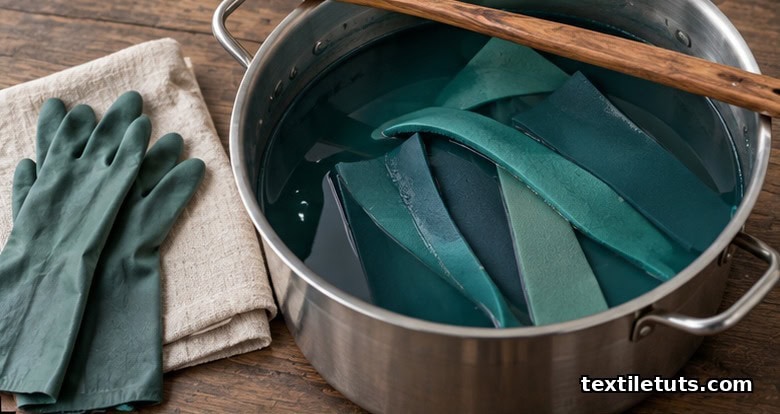
First, prepare your dye bath according to the instructions on your chosen dye package. Wearing rubber gloves and a protective apron, immerse your neoprene item in the dye bath, ensuring it is fully saturated and covered by the dye solution. Using a stainless-steel spoon, gently stir the solution to help distribute the dye evenly. Leave your neoprene to soak according to instructions, usually anywhere from 30 minutes up to several hours, depending on desired color intensity and type of dye.
Aftercare: Rinsing, Drying and Quality Check
Once the dyeing process is complete, remove your neoprene from the dye bath and rinse thoroughly in cool water to remove excess dye. Next, lay it flat and allow it to air dry, out of direct sunlight. Remember not to machine-dry neoprene, as it can shrink and damage the material. After drying, assess the color quality. If the color is uneven or not as vibrant as you’d like, you can repeat the dyeing process.
Remember, dyeing neoprene – or any synthetic fabric – can be a trial-and-error process. Don’t be discouraged if your first attempt doesn’t yield the exact result you were hoping for. With a little patience and practice, you’ll be a pro in no time.
Common Pitfalls and Tips to Overcome Them
One common issue when dyeing neoprene is uneven dyeing or fading. This can be particularly frustrating, as it can ruin the look of your item. The issue usually occurs when the dye is not evenly applied, or the item hasn’t been properly prepared before the dyeing process. On certain occasions, the wrong type of dye may be a contributor to the fading. Neoprene is a synthetic material, which makes dyeing slightly challenging. It doesn’t absorb dye the same way organic materials like cotton do, hence, not all dyes will adhere well.
| Reasons | Solutions |
|---|---|
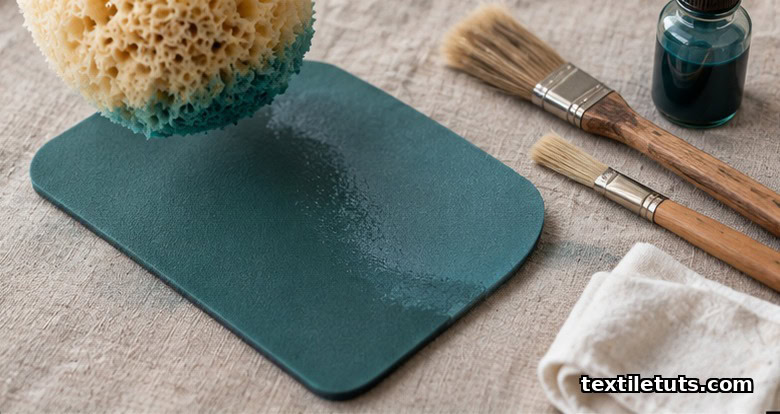
| Uneven application of dye | Ensure to apply dye evenly by using sponges or soft brushes. |
| Improper preparation of the item for dyeing | Clean the item thoroughly and allow it to dry before dyeing. |
| Using the wrong type of dye | Use dyes formulated specifically for synthetic materials like neoprene. |
Effective Solutions and Remedial Measures
Now, let us dive into some potential solutions and remedial measures you can take to overcome these issues while dyeing neoprene.
First, remember to clean your neoprene item thoroughly prior to dyeing. This can be done by hand washing it gently with a mild detergent and lukewarm water. This will remove any residues that could affect the dye’s ability to stick to the neoprene. Once cleaned, let your item dry completely. This can be accelerated by patting it with a towel or subjecting to air-drying.
Secondly, when it comes to the dyeing process, you should use a sponge or a soft brush to apply the dye. This will ensure that the dye is spread evenly across the neoprene’s surface, hence, eliminating any chances of uneven dyeing. As a rule of thumb, it’s better to apply multiple thin layers of dye than a single thick one.
Last but not least, choose the right dye. Always use a dye that is formulated for synthetic materials. Dyes for synthetic fabrics usually bond better with Neoprene and result in a more vibrant and long-lasting color. Some renowned brands like Rit Dye and Jacquard produce dyes suitable for synthetic materials.
By practicing and incorporating these precautions and steps, you can overcome common pitfalls like uneven dyeing or fading, and have a more satisfying experience while dyeing neoprene.
Dyeing Neoprene: Frequently Asked Questions
Dyeing neoprene is a concept that many are unsure about. In this section, we aim to clarify some of the most commonly asked questions related to the process of dyeing neoprene, tackling topics from its safety to its practicality for a home environment.
Is Dyeing Neoprene Safe or Harmful?
First and foremost, the safety of dyeing neoprene is a topic of great concern, and rightfully so. When performed correctly, dyeing neoprene is generally considered safe and isn’t harmful directly. However, it’s essential to consider the type of dye you’re using. Some dyes, especially harsh chemical dyes, can potentially be harmful due to their toxic fumes or residues. It’s preferable to opt for eco-friendly dyes which are less harmful to both you, others, and the environment.
Neoprene, by nature, is a type of synthetic rubber that is resistant to many different types of substances, including oil, heat, and weather conditions. This resistance helps make it an ideal product for many industries from automotive to sports and more—it’s used in products like wetsuits, laptop cases, and phone holders, to name a few.
However, when it comes to dyeing, this resistant nature of neoprene can bring about some challenges. Thus, while it’s safe to dye neoprene, one should take care to select the right type of dye and follow the proper procedures to ensure that the dye adheres correctly and is stable post-dyeing.
Can You Dye Neoprene at Home?
As for dyeing neoprene at home, yes, it’s definitely possible if you’ve got the right materials and instructions. It will ideally require a particular type of dye known as fabric or textile dye. However, due to neoprene’s resistant properties, the dyeing process may not be as straightforward as it is with other more porous materials like cotton or silk.
Here is a general process you can follow when dyeing neoprene at home:
- Prep your work area by covering it with newspapers or a plastic sheet to avoid staining.
- Wash the neoprene item with mild soap and warm water to remove any surface oils and dirt. Rinse and let it air dry completely before starting the dyeing process.
- Prepare the dye bath as per the instructions on the dye package. Keep in mind that the amount of dye needed may vary based on the color intensity you desire and the size of the neoprene item.
- Submerge the neoprene item into the dye bath. For an even color distribution, move the item around in the dye bath.
- Leave the item in the dye for the recommended amount of time on the dye package, or until the desired color is achieved.
- Rinse the item under cool running water until the water runs clear. Let it air dry completely.
Please note that it’s important to use rubber gloves and old clothes while dyeing to protect your skin and avoid staining your clothes.
Going Professional: Outsourcing the Dyeing Process
When dealing with the specific task of dyeing neoprene, it may be advisable to enlist the services of a professional dyeing service. Professional dyeing services have the experience, skills, and tools necessary to ensure your neoprene item is dyed both effectively and safely.
Advantages of Professional Dyeing Services
There are several advantages of using a professional dyeing service to dye neoprene:
- Expertise: Professionals have probably dyed more neoprene items in a week than you will in your lifetime. They are familiar with the material, understand how it responds to different types of dye, and can prevent common problems
- Equipment: Dyeing requires specific tools and equipment, which not everyone has at home. Professionals have all the necessary equipment for the job
- Quality: A professional dyeing service is capable of achieving a higher level of quality than novice or amateur efforts
Finding a Reliable Neoprene Dyeing Service
While there can be many professional dyeing services available, you need to find one that specializes in neoprene dyeing. Following are some considerations when searching for a reliable neoprene dyeing service:
- Experience: Ascertain that the company has experience in dyeing neoprene. The more experience, the better the results are likely to be
- Reputation: Check reviews and testimonials from past customers to see if they were satisfied with the service
- Pricing: While you often get what you pay for, make sure the cost is competitive and affordable
- Customer Service: Good customer service can be a telling sign of a professional, reliable company
By doing your due diligence, you can find a reliable and professional company that will be able to dye your neoprene item in a way that meets or exceeds your expectations.


