
Can You Dye Navy Blue to Black

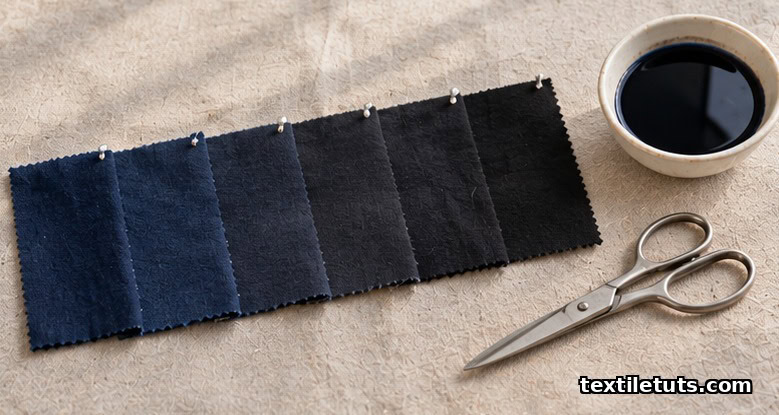
When tackling clothing modification projects, one common question surfaces among DIY enthusiasts: can navy blue fabric be efficiently dyed to black?
The answer is yes, navy blue can be dyed to black. This is possible because black dye’s molecules are dominant, capable of covering darker shades, such as navy blue. However, the success heavily depends on the type of fabric and proper dye application techniques.
So buckle up! We’re about to dive deep into the crafty world of dyeing to unravel the secrets behind this color transition.
The Great Debate: Dyeing Navy Blue to Black
When it comes to the question, “Can you dye navy blue to black?” it may seem simple at first. After all, black is a stronger color than navy blue, isn’t it? But the answer isn’t as straightforward. The process of changing a fabric’s color, especially from navy blue to black, involves a bit more nuance than one might expect.
The Science Behind Color Changes
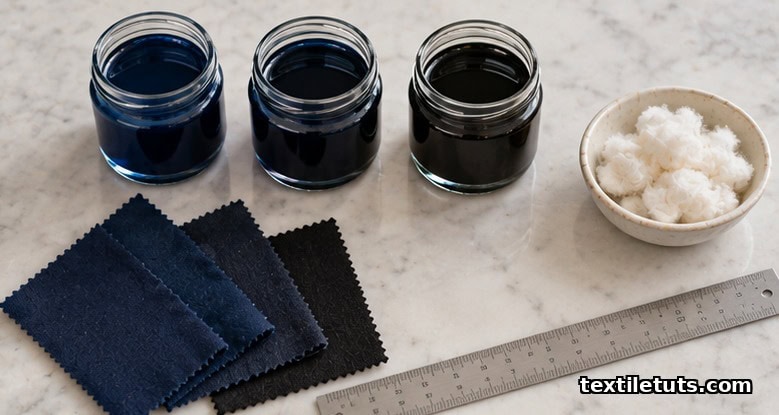
Let’s first understand the science of changing colour. When dyeing fabrics, the process depends on a principle called the colorimetric principle. According to this principle, the color of the dye, the original color of the fabric, and the presence of other colors in the fabric all influence the final color outcome.
Dyeing a fabric from navy blue to black isn’t as simple as applying black dye to a fabric. The original color, in this case navy blue, can have an impact on the final black. Meaning, the turned out black may appear with a slight blue hue.
Views from Fashion and Textile Experts
Fashion and textile industry experts also share their views on this topic. Most agree that although it is possible to dye navy blue fabric to black, it may require multiple dyeing processes and higher concentrations of dye to achieve a true deep black color.
Professionals in the field generally recommend using dyes intended for dark colors or specifically for black. These dyes contain a high concentration of pigments, which can effectively cover the navy blue and turn it into a convincing black.
Pros & Cons of Dyeing Navy Blue Items to Black
Deciding to dye a navy blue item to black has its pros and cons. Below is a quick rundown.
- Pros:
- It could potentially bring new life to an old or faded item.
- It can help you maintain a uniform color scheme, especially if you favour black clothing or textiles.
- Cons:
- The final color may not be a ‘true’ black, but rather a very dark navy blue or a black with a blue undercast.
- Repeatedly dyeing a fabric can wear it out more quickly, affecting its quality and lifespan.
With the pros and cons in mind, the decision to dye your navy blue items black ultimately depends on your preference and how much effort you’re willing to put into the dyeing process.
Dye Selection: Shopping for the Right Product
Dying navy blue attire or fabric black can make you reuse your old clothes, give a fresh feel, or suit it according to a special theme. It’s a fun and creative process, but it inevitably necessitates good knowledge, right tools, and most prominently, the ideal dye.
Dye Selection: Shopping for the Right Product
There are a plethora of dyes in the market. They vary in their composition, strength, usability, and performance. The most common types of dyes are synthetic and natural dyes. Making the right choice of dye can directly influence the quality and longevity of the dyed fabric.
Type of Dyes: Synthetic vs. Natural
Synthetic dyes are made from chemicals. They are known for their vivid colors, high permanence, and excellent colorfastness. They are easy to use, affordable, and available in a wide range of shades. The most common types of synthetic dyes consist of acid, reactive, disperse, and vat dyes.
On the other hand, natural dyes are derived from natural resources like plants, insects, and minerals. They are environmentally friendly, thus providing a sustainable alternative to synthetic dyes. However, they might require a mordant to ensure that the dye lasts longer.
Whether you decide to use synthetic or natural dyes, the important thing is to ensure you prepare your fabric properly. Prewashing and treating the fabric will promote even absorption of dye.
The Resourceful Power of Black Dye
The choice of color is crucial when it comes to the dyeing process. If you aim to dye navy blue to black, black dye is your go-to. Black dye is powerful, reliable, and gives a perfect dark shade. Part of its resourcefulness is its strong pigments which have high capacities to cover original shades. Moreover, many brands provide concentrated black dyes for better color depth and enhanced permanency.
Over-dyeing navy blue with black can sometimes give a richer, darker shade than just dyeing a fabric black to start with. The pre-existing navy blue color can add depth to the black, resulting in a unique, dark shade. Therefore, always go for quality black dyes and follow the manufacturer’s instructions to achieve the best results, especially when dealing with navy blue clothes or fabrics.
Fashion Rescue: Guide to Dyeing Navy Blue Items to Black
When it comes to breathing new life into your wardrobe or changing the look of a favorite piece of clothing, dyeing is a fantastic, cost-effective solution. Take a look at this easy-to-follow guide on how to turn your navy blue items black.
Preparing Your Navy Blue Items for Dyeing
Before you even start dyeing, there are several steps you need to take to prepare your navy blue object for the dyeing process. First, it is crucial to check the garment’s fabric content. Natural fibers like cotton, linen, silk, or wool respond best to dye. Synthetic fibers, like polyester or nylon, may require a different type of dye or may not dye well at all.
Next, clean your garment. Any stains, oils, or residue on the fabric can affect the dyeing process and the final result. Use a mild detergent and avoid fabric softeners as they can leave a residue that may interfere with the dye.
Achieving the Best Before and After Results
For the best result, your navy blue item should be a solid color and as light as possible. The darker the starting color, the less noticeable the black dye will be. If your clothing is patterned or has multiple colors, the end result may vary. Consider testing on a small, unseen area or similar, less valuable item first.
Step By Step: How to Dye Your Navy Blue Clothes Black
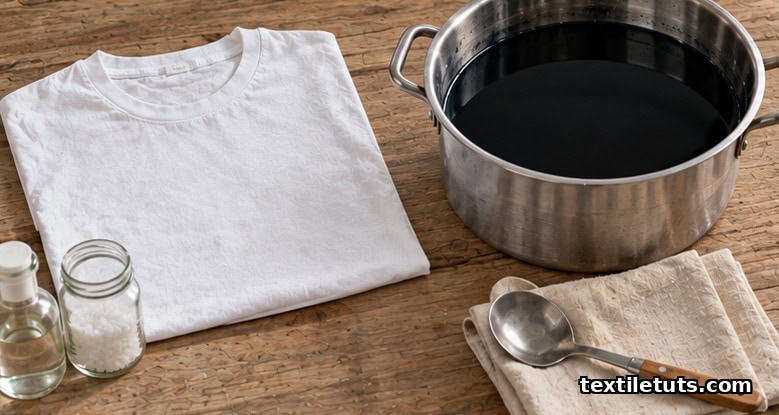
- Step 1: Prepare your dye mixture following the instructions on your chosen package. Most dyes call for hot water and salt or vinegar to help the dye adhere to the fabric.
- Step 2: Gradually add your garment to the dye bath, ensuring it’s fully submerged. Remember to stir continuously for even application
- Step 3: Keep the fabric in the dye bath for the timeframe recommended on the package, usually up to an hour, depending on the dye and fabric.
- Step 4: Rinse the garment until the water runs clear. This will get rid of any excess dye and residues. Once done, let your newly dye item dry.
Proper Handling and Care During the Dyeing Process
Remember, when working with dyes, it’s crucial to use old clothes or an apron to protect your clothing. Gloves are also recommended to protect your skin from irritation. Also, cover your working surface to prevent any stain. It’s worth mentioning that dyeing should be performed in a well-ventilated area or outdoors if possible.
Last but not least, be patient. Dyeing is a process that cannot be rushed, and rushing it could lead to patchy color or color bleed. If you don’t get the desired results the first time, don’t panic! You can always redye the item until you achieve the perfect black color you are aiming for.
The Aftercare: Keeping Your Newly Dyed Black Items Fresh
Once you’ve successfully dyed your navy blue fabric to a sleek, sophisticated black, the challenge is to maintain the richness and depth of the new black color. The process and products used for aftercare, specifically during laundry, can significantly impact how the dyed material holds onto the color in the long run.
Laundry Tips to Preserve the Black Color
The first tip is to wash your freshly dyed black items separately, especially in the first few washes. New dyes tend to bleed, and washing them with other clothes can ruin both the dyed item and the other garments.
To prevent fading, avoid heavy-duty detergents or products that contain bleach or bleaching agents as they can strip the color. Instead, use a detergent specifically designed for dark colors or delicate clothes.
Moreover, the water temperature can considerably affect the color retention of the dyed fabric. Hot water opens up the fibers, causing them to release dye, whereas cold water keeps the fibers closed, securing the dye inside. Hence, always wash your newly dyed items using cold water.
Lastly, reduce the amount of time the fabric spends in the sun. Hanging dyed items in direct sunlight for long periods can cause them to fade faster. Instead, let them dry in a shaded, cool spot or even indoors if possible.
Treating Faded Areas: Quick Fixes and How to Avoid Them
Despite taking all the preventive measures, sometimes, black dyes tend to fade over time. In such cases, you can choose to re-dye the entire garment, or you can spot-treat specific faded areas.
To spot-treat, use a small amount of liquid black dye and a sponge or a brush. Lightly apply the dye onto the faded area and let it dry. Since different fabrics take up dyes at different rates, start with a small amount of dye and build up the color slowly until it matches the rest of the garment.
To avoid fading altogether, consider using high-quality dyes when you initially color the fabric. Top-tier dyes are more likely to penetrate deeply into the fibers and provide a more long-lasting color. Also, using a dye fixative after the dyeing process can help set the color and prevent it from washing out or fading quickly. Remember to test any product or method on an inconspicuous area first, to make sure it will not harm the garment’s material or appearance.
Style Transformation: Creative Ideas for your Black Dyed Items
Are you planning to dye your navy blue clothes to black and worried about incorporating them into your existing wardrobe? Fret not! Transitioning to darker hues can actually open up new style possibilities and freshen up your wardrobe. Here’s how you can cleverly integrate your black dyed items into your current wardrobe and style them right.
Integrating Black Clothes in Your Current Wardrobe
Black is a versatile color that can be paired with nearly any hue. It’s also formal enough for dressy occasions and casual enough for everyday wear. So how can you incorporate your newly dyed black clothes into your existing wardrobe?
-
Pairing With Bright Colors: Black clothes contrast beautifully with bright colors. For example, you can pair a black top with a vibrant skirt or trousers for an appealing contrast.
-
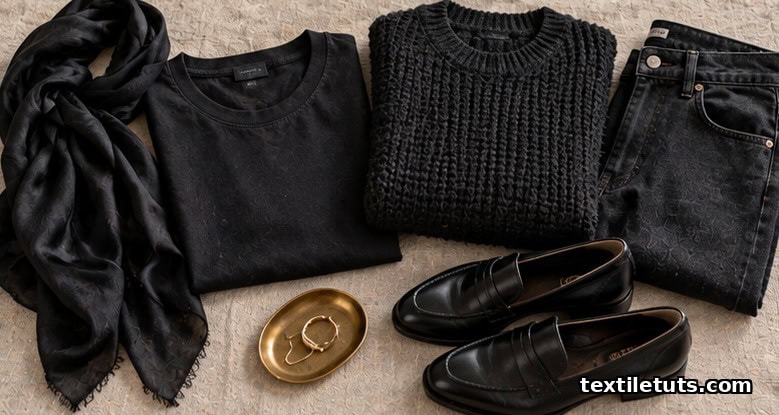
Monochrome Ensemble: Dressing in black from head to toe gives a sleek and sophisticated look. You can pair your newly dyed black jeans with a black top, black shoes, even a black bag if you desire.
-
Black and White: This classic color combination never goes out of style. Simply pair your black clothes with white items for a timeless and chic look.
-
Accessorize: Use bold-colored accessories like red scarves, gold necklaces or colorful bags to add a pop of color to your black clothes.
Tips for Styling Your Newly Dyed Clothes
Now that you’ve learned some ways to incorporate your black dyed items into your current wardrobe, let’s check out some styling tips.
-
Mix Textures: Combining different textures can help break up the black and add interest to your outfits. For example, you can pair a silk black top with rough denim or a leather jacket with a knit dress.
-
Layer: To avoid looking monotonous, layer different pieces. Layering also helps in creating depth and dimension to your outfit.
-
Fit is Key: No matter the color, always ensure your clothes fit well. Black is slimming and can help hide imperfections, but a good fit is still essential for a stylish look.
-
Go Casual or Dressy: Black can be as casual or as dressy as you want. Pair your black items with sneakers and a denim jacket for a casual look, or with heels and a statement necklace for a more formal vibe.
With these ideas and tips, you’ll be able to give your navy blue clothes a new lease of life and transform your style with a touch of black!
Mistakes to Avoid When Dyeing Navy Blue to Black
Dyeing any fabric from one color to another can come with its challenges, particularly if your mission is to convert navy blue to black. The process involves altering not just the hue, but also the depth of color. Here are a few common mistakes that you should avoid.
Firstly, resist the temptation to directly leap to black from navy. If you apply black dye onto navy blue fabric, instead of a rich, deep black, you could end up with a dark blue. To get the true black color, you may need to complete a process called color stripping. Keep in mind that not all fabrics will react the same way to color stripping, so do a patch test first.
Dyeing your fabric without preparing it properly is another pitfall that should be avoided. Besure to thoroughly clean your garment or fabric before applying dye to it. Any sweat, dirt, oil, or stains on the fabric can prevent the dye from taking hold or result in an uneven color.
Mistake 1: Applying black dye directly on navy blue
Solution: Consider using color stripping process first
Mistake 2: Dyeing unclean fabric
Solution: Clean the fabric thoroughly before dyeing
Furthermore, despite the temptation, don’t rush the process. You may not get the desired color on your first attempt. It may require several rounds of dyeing. Doing multiple lighter applications is often more effective than hoping for a perfect result from a single heavy application.
Mistake 3: Rushing the process
Solution: Be patient, multiple applications may be needed
You should also never ignore the instructions that come with your chosen fabric dye. Each brand and type of dye can have different procedures and requirements which should be strictly followed to achieve an optimal result. Similarly, the type of fabric you’re dyeing is also significant. Fabrics like polyester and nylon may require different dyeing methods compared to natural fabrics like cotton and silk.
Mistake 4: Neglecting instructions on the fabric dye
Solution: Follow the instructions carefully
Mistake 5: Not considering the fabric type
Solution: Determine specific methods suitable for the fabric type
Avoiding these common mistakes and being armed with some basic knowledge of dyestuffs and dye processes can significantly enhance your results when dyeing navy blue to black.


