
Can You Dye Jeans to Make Them Darker

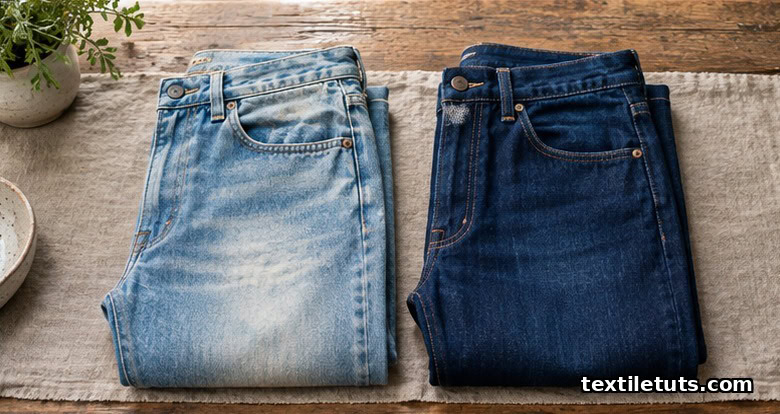
Are your beloved jeans becoming a touch too light for your liking? The question then arises: can you dye jeans to make them darker?
Yes, absolutely! You can indeed dye jeans to make them darker. The process typically involves using a fabric dye that’s darker than your jeans currently are. Dye brand such as Rit or Dylon are commonly used and have proven to be effective on jeans.
Curious about how to do it? Let’s dive into the world of DIY denim dyeing to explore this creative and money-saving method.
Distressed Jeans: The Journey from Light to Dark
Throughout history, denim has continuously evolved, reflecting shifts in culture and fashion. When jeans were first invented in the late 1800s by Jacob Davis and Levi Strauss, they were primarily work-dominant clothing made out of durable and tough denim. In the initial stages, they were widely used by miners due to their durability and resilience. However, the color then was more towards a classical dark indigo hint, indicating the sturdy material regularly used in the production of jeans. Over the course of history, jeans embraced various shades, from classic dark to faded and distressed light denim.
The Evolution of Denim: A Historical Perspective
In the early 1950s and 1960s, jeans started adopting various shades. The classic dark shade of jeans began to gradually fade with the evolution of stone-washing techniques. These methods give jeans a more worn-out and aged look, thus leading to the development of lighter-colored jeans. While mid-ranged blues and stone-washed jeans were ubiquitous during the 1980s and 1990s, trends have since seen a revival of darker denims, illustrating how cyclical fashion can be.
Why Darkening Your Jeans? The Shift in Fashion
As we move further into the 21st century, a significant shift can be spotted in denim fashion. The trend appears to be inclining towards darker shades again. Dark jeans have universally become a statement of sophistication and versatile fashion. The effortless chic that dark jeans offer is appealing to a broad consumer base, making them a staple in wardrobes worldwide.
Apart from the fashionable appeal, there are practical reasons to darken your jeans as well. Darker jeans tend to look newer for longer, showing less visible wear and tear than their lighter counterparts. Plus, if your favorite pair of jeans has started to fade, dying them a darker color can give them a fresh, renewed look.
In conclusion, the preference for the color of denim has shifted over the decades much the same as other fashion trends. Currently, the trend seems to be shifting back towards darker jeans. Whether for practical purposes or simply due to changing fashion trends, dying jeans to make them darker has become a prevalent practice.
The Art of Dyeing: Crafting a Darker Look for Your Jeans
Looking to bring a bit of edgy darkness to your favorite pair of jeans? Or, need to revitalize a faded pair? Regardless of the reason, the process of dyeing jeans to give them a darker shade is not as complex as it might seem. Two methods to achieve a darker tone are using a sink or bucket and using a washing machine. In this section, we will guide you in detail through these methods.
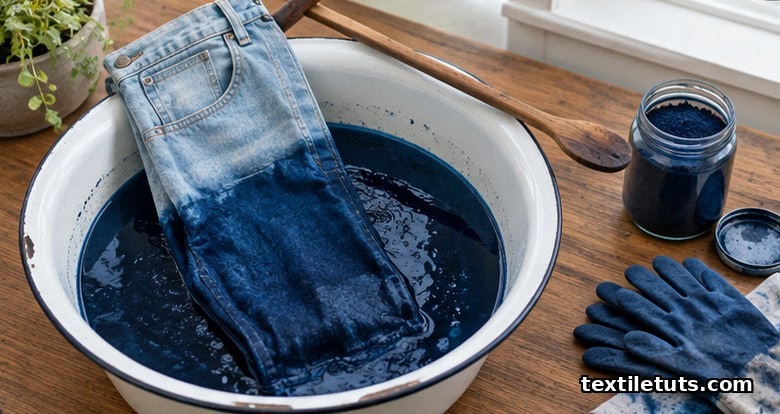
Method: Sink or Bucket Setup
Transforming jeans into a darker hue using a sink or bucket is a hands-on, satisfying method. This method gives you the ability to monitor the process directly, and you can adjust the color easily if necessary by either lessening the soak time or adding more dye as required.
Selecting the Ideal Dye
A fiber-reactive dye like Procion MX is an excellent choice for this method as it bonds with the jeans’ fabric at a molecular level, ensuring an even, long-lasting color. It comes in a variety of shades, so you can easily find the perfect color to give your jeans a darker tone.
Process: A Step-by-Step Guide
The steps involved in dyeing a pair of jeans using this setup are listed below:
- Prepare your jeans by washing them to remove any dirt.
- Fill your sink or bucket with warm water.
- Stir in your Procion MX dye and sodium carbonate (soda ash).
- Submerge your jeans entirely in the solution, stirring occasionally.
- Wait for around 30-60 minutes.
- Rinse your jeans until the water runs clear, then wash and dry as you typically would.
Method: Using a Washing Machine
This method is less hands-on than the previous, relying on your washing machine to do most of the work. It’s very efficient for dyeing a few pairs of jeans at once to a darker color. However, it’s worth noting that darker dyes may stain your washing machine.
Picking the Perfect Dye
For dyeing jeans in a washing machine, all-purpose dye like Rit Dye is your best bet. Rit Dye can be used on a variety of fabrics, including denim, and offers a wide spectrum of colors for finding the ideal shade to achieve the desired darkness.
How to Do It: A Detailed Approach
The steps for this method are as follows:
- Start by washing your jeans to erase any lingering dirt or grime.
- Dilute the Rit Dye in hot water and add it to the washing machine.
- Add cleaned, damp jeans to the washing machine and run a regular cycle.
- Once done, run another cycle with just water to rinse out any leftover dye. Add a bit of detergent for extra cleaning power.
- Dry your jeans as per your usual routine.
Armed with these methods and the perfect dye, you’re ready to reinvent and renew your beloved jeans. Bear in mind that the results can vary depending on the original color of your jeans, and make sure to maintain safety while handling dyes by using protective gloves and old clothes, just to be on the safe side.
Post-Dyeing Tips: Ensuring Longevity and Color Fastness
So, you’ve successfully tinted your jeans with a darker shade and they’re looking fantastic. However, to ensure the fresh color remains vibrant for as long as possible, you must follow some essential post-dyeing care tips. These will contribute to the longevity of the dye and keep your jeans looking as good as new!
Keys to Maintain Vibrancy: The Do’s and Don’ts
Just dyed your jeans and want to ensure they retain their new, vibrant color? Preserve the freshness of your newly dyed jeans by adhering to these do’s and don’ts:
- Do: Wash your jeans separately for the first few washes after dyeing them. The excess dye is likely to bleed, and this could stain other clothing items.
- Don’t: Avoid using bleach or other harsh detergents that could strip the color from your jeans. Instead, opt for a mild washing detergent.
- Do: Turn your jeans inside out before washing them. This helps reduce friction and minimizes the color fading effect.
- Don’t: Avoid high-temperature settings when washing or drying your jeans. High temperatures can cause the dye to release and fade.<
The Power of Salt: Securing Color Stability
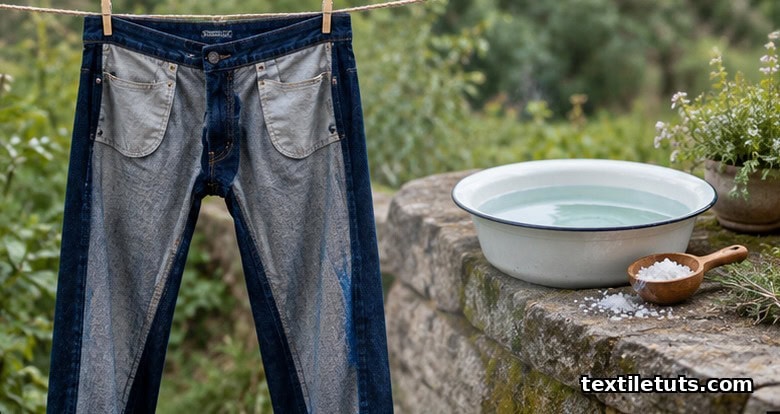
Believe it or not, a simple household item like salt can help your newly dyed jeans retain their color for longer. Salt acts as a mordant which, when used during the dyeing process, helps to seal in the dye and prevent it from washing out easily. This process is particularly useful with natural dyes but can also give a boost to commercially available fabric dyes.
Follow these easy steps to harness the power of salt in maintaining your denim’s hue:
- Fill a bucket or your sink with 1 gallon of cold water.
- Stir in 1 cup of table salt until it’s completely dissolved.
- Submerge your freshly dyed jeans in the salty water, ensuring they’re fully saturated.
- Leave the jeans in the water for about 24 hours, then rinse them in cold water.
- Air-dry the jeans naturally, avoiding direct sunlight.
By following these easy post-dyeing care tips, you can ensure your newly darkened jeans retain their color for longer, so you can enjoy your updated look for many outings to come!
Getting Professional Help: The Tailor & Dry Cleaner Method
Looking for an effective method to darken your jeans? When DIY methods seem too daunting, professional help from a tailor and dry cleaner might be the answer. Let’s delve into the specifics and help you make an informed choice.
The Costs and Benefits
The cost of professional dyeing service can fluctuate based on a few factors. On average, expect to pay anywhere from $10 to $50 per item. It may sound pricey, but the quality of the result often justifies the cost. Professional dyeing services typically ensure:
- Uniform color saturation
- Proper color fixation, ensuring the dye doesn’t bleed or fade fast
- The use of superior quality dyes
- Knowledge and adherence to fabric-specific dyeing methods
Questions to Ask your Professional
When considering professional help, it’s important to clarify certain aspects with your chosen professional to avoid disappointments. Below are few questions you should consider asking:
- What type of dye do you use? Is it safe for my jeans’ fabric?
- Is your dyeing process eco-friendly?
- How long will the dye stay without fading?
- What is the entire cost of the service?
- How long will it take to get my jeans back?
Remember, your choice should be driven by the value for money and the quality of the dye job, not just the cost. Weigh the pro’s and con’s, ask the right questions, and you’ll have a revitalized pair of jeans without lifting a finger.
Dyeing Mistake Rescue: What To Do When Things Go Wrong?
Aside from giving your jeans a new look, dyeing them can also extend their lifespan. Yet, sometimes the process may not go as smoothly as planned. In such cases, things may go wrong and you may be left with an uneven dye job or color bleeding, the two most common dyeing mistakes. But don’t worry, here’s what to do in such situations:
Resolving Uneven Dye Jobs
If your dyed jeans have spots or are darker in some areas, this means that the dye was absorbed unevenly. This usually occurs when the jeans were not fully soaked in dye or were not stirred enough during the dyeing process. But don’t panic, there is a solution!
- Firstly, rinse the jeans in cold water to remove excess dye. Then, fill a bucket with hot water and add a small amount of dye.
- Completely submerge your jeans in the dye mix, ensuring they’re fully soaked.
- Stir the jeans in the dye mix continuously for about 30 minutes. This will give the dye a chance to even out.
- Finally, rinse the jeans with cold water, and then wash and dry them as you normally would.
If the spots still persist, you may need to repeat the process, possibly with a darker dye.
Dealing with Color Bleeding
Color bleeding is another common problem that can happen when dyeing jeans. This is when the dye seeps out of the jeans and onto other fabrics. Below is a simple procedure to stop this from happening:
- Begin by rinsing your dyed jeans in cold water. The cold water will help seal in the dye and stop it from running.
- Turn your jeans inside out before washing to prevent direct contact with other clothes and surfaces.
- Wash your jeans separately in cold water for the first few washes to avoid staining other clothes.
- Lastly, consider using a color catcher. This is a sheet you put in your washing machine, which attracts and absorbs loose dye.
Following both these procedures, your jeans should be as good as new and ready to be flaunted!
Sustainable Dyeing: An Eco-Friendly Approach to Darken Jeans
As we become increasingly conscious of the environment and our impact upon it, sustainable practices extend to every corner of our lives, including our wardrobe. Darkening your jeans is a great way to give them a fresh look without contributing to the fast fashion crisis. Beyond just convenience, it also allows you to implement sustainable practices by using eco-friendly dyes and methods.
Eco-Hues: Selecting Natural Dyes
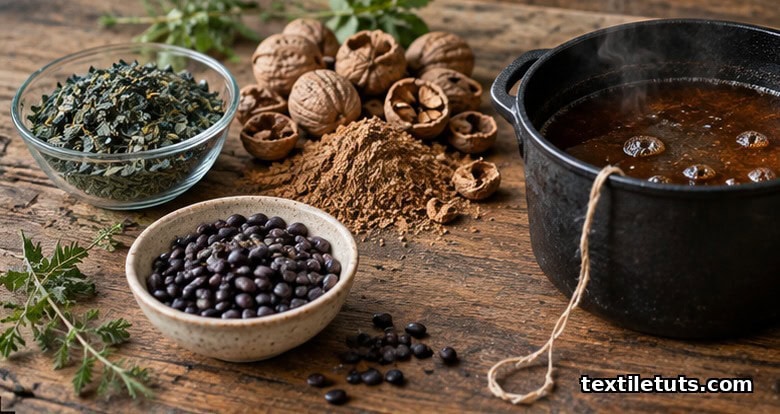
Natural dyes are plant-based, using elements from nature that are renewable and biodegradable, which makes them an eco-friendly alternative to synthetic dyes. Indigo, for instance, has traditionally been used to produce denim’s characteristic blue and it offers a darker hue when used in higher concentration. Other plants, like walnut hulls and black beans, can provide a rich, dark color when properly prepared.
| Plant Source | Color Produced |
|---|---|
| Indigo | Dark Blue |
| Walnut Hulls | Dark Brown |
| Black Beans | Dark Blue, Almost Black |
These dyes not only provide a great color pay-off, but they are also less impactful on the environment as they do not rely on chemicals or non-renewable resources to be produced. They are mostly non-toxic and work great for home dyeing projects.
Procedure: Making the Green Switch
To dye your jeans a darker color using eco-friendly dyes, follow the given steps:
- Prepare your plant dye by simmering your plant material in water. The concentration of plant material to water can be adjusted to get a darker or lighter color.
- While your dye is simmering, prepare your jeans by washing them clean of any dirt or residues. This helps the dye to hold better.
- Once your dye is ready, strain it into a large bucket or basin. Add your jeans, ensuring they are fully submerged in the dye.
- Leave your jeans in the dye at least overnight, occasionally agitating to ensure even dyeing.
- Once you’re satisfied with the color, rinse your jeans in cold water and let them dry.
Remember, natural dyes may not hold as long as synthetic ones. However, the resulting fades can bring out a unique, vintage look to your jeans. Besides, you can always re-dye them whenever needed. Following these steps will help you fulfill your fashion needs in a sustainable way, one pair of jeans at a time.


