
Can You Dye Corduroy

There’s no denying the charm of corduroy, but what if the color isn’t to your liking? This brings us to the question: can you dye corduroy?
Yes, you certainly can dye corduroy. However, since corduroy is often made from cotton, you’ll need a dye specifically designed for natural fabrics. Additionally, due to the fabric’s distinctive ridged texture, it might be a bit trickier to dye evenly than other materials.
Read on as we delve into the considerations and methods for dyeing corduroy, ensuring you achieve the bold, beautiful transformation you desire.
Getting to Know Corduroy: A Fabric Primer
Corduroy is a timeless fabric that has been worn and loved by generations. But, before delving into the specifics of dyeing corduroy, it’s important to understand its unique structure and why it has endeared itself to people around the world.
Understanding Corduroy’s Unique Structure
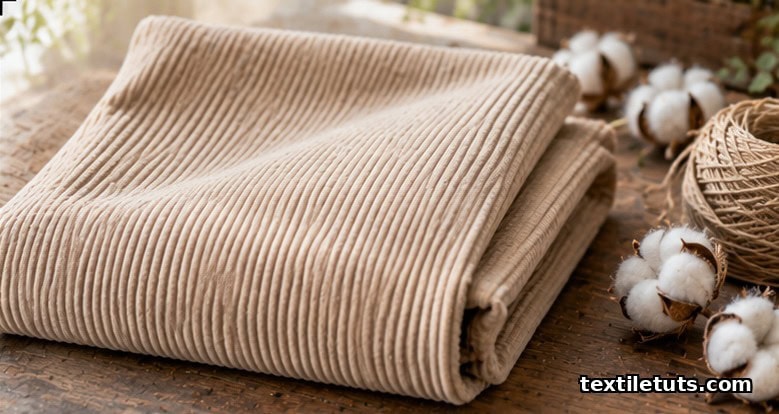
Corduroy, often dubbed as the “corded velvet,” is recognized by its distinct pattern of parallel lines, or “wales.” Constructed from twisted fibers of cotton, wool, or synthetic blends, corduroy is characterized by its hearty durability and plush warmth. The number of wales per inch can vary, and this directly influences corduroy’s texture and drape. More wales result in a finer, softer corduroy, while fewer wales imply a more robust and coarser fabric.
Here’s a simplified structure outline of corduroy fabric:
- Wale: The raised cord or ridge, which runs lengthwise on the fabric.
- Channel: The space between two adjacent wales.
- Pile: The cut, fuzzy ends of the yarns that make up the wales.
Why Corduroy Captured Hearts and Wardrobes
Corduroy found its fame not overnight but spans across centuries. Originally utilized for sturdy workwear, corduroy was appreciated for its warmth, durability, and relatively low cost. But the fabric’s broad appeal certainly doesn’t stop there.
Over time, corduroy has become synonymous with a blend of comfort and style. Its unusual texture makes it an intriguing alternative to other types of fabric, and its unmistakable corded design makes a distinctive fashion statement. From bell-bottoms in the 1970s to trendy trouser suits today, corduroy is as adaptable as it is enduring.
In particular, the fashion industry’s current love affair with nostalgia and vintage styles is serving to further boost the popularity of corduroy. In essence, both its compelling history and its proven versatility have helped corduroy cement its place in our hearts and wardrobes.
Exploring the World of Fabric Dyes
Embarking on a journey into the world of fabric dyes can be a colorful and rewarding venture. With a bit of insight and a handful of tools, you can breathe new life into your favorite corduroy pieces. The key is understanding the characteristics of different dyes and how to best apply them to this unique fabric. So, let’s talk about it.
A Brief Guide to Different Types of Dyes
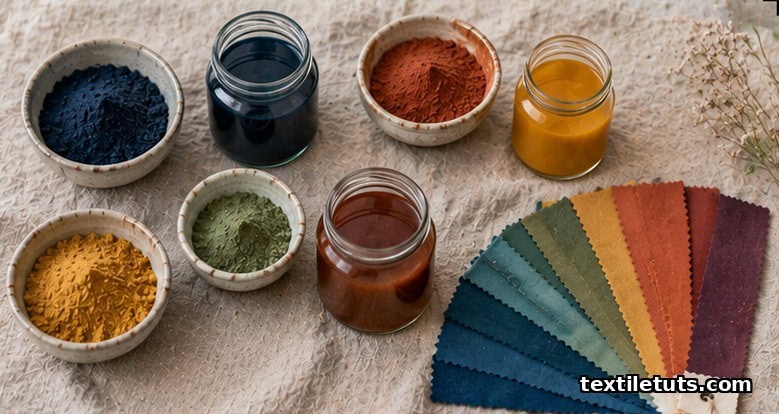
There are a few different types of dyes that you can choose from based on your needs and the type of fabric you’ll be working with:
- Reactive Dyes: Known for their bright colors, these are the most commonly used type of dye. They’re great for natural fibers like cotton, silk, and wool.
- Acid Dyes: These are most effective on protein fibers like wool and silk, and on nylon. They’re not the best for cotton and other cellulose fibers.
- Direct Dyes: These are easy to use, usually in warm water, and are a reasonable choice for cellulose-based fabrics, but they may fade over time.
- Disperse Dyes: These are the go-to choice for dyeing polyester or acetate, but not the best fit for cellulose or protein fibers.
Which Dye is Best for your Corduroy Adventures?
Being a cotton fabric, corduroy embraces color best when immersed in reactive dyes. These dyes form a covalent bond with the fabric, ensuring the color is bright and long-lasting. The special weaving pattern of corduroy ensures that the dye can seep into the fibers, ensuring an even, vibrant outcome.
However, some essential considerations while dyeing corduroy are its colorfastness, detergent choice, and drying method. You might need to invest in a color fixative that would ensure your freshly dyed corduroy doesn’t shed color. Also, remember to choose a mild detergent and line dry your dyed corduroy to maintain color richness.
With proper knowledge and the correct dye, transforming your corduroy piece into a vibrant marvel can be a fun and gratifying experiment. So, pick out your favorite color and get ready to begin your corduroy dyeing adventure.
Can You Dye Corduroy? Let’s Uncover the Truth!
The answer is yes, corduroy can be dyed. Whether it’s to refresh the color of your old corduroy clothes or to experiment with new colors, there are methods that can help you achieve your preferred shade. However, there are certain considerations to take into account.
First and foremost, corduroy fabric is often made of cotton. Dyeing cotton is not a complicated process, but it does require specific dye, usually a fiber-reactive dye. The dyeing of cotton takes place best in warm temperatures, ideally between 30-60 °C or 86-140 °F.
Another crucial thing to note is that not all corduroy is 100% cotton. Some are blended with synthetic materials, which can be more challenging to dye optimally. Once you’ve identified the material, you can proceed accordingly.
The shade of the original garment is another important factor. Dyeing light-colored corduroy is typically easier and provides a better result when you are going darker. If the material is dark-colored to start with and you aim to go lighter, you may need to use a color remover or bleach. However, it is vital that this is done with care as bleach can harm the corduroy’s raised tuft (also known as the wale).
Below is a general step by step guide on how to safely dye corduroy.
- First, make sure the garment is clean and damp.
- Choose a large pot or basin that can be used to heat the water and dye mixture. Mixed as per instructions on the dye box.
- Submerge the item to be dyed completely ensuring it is evenly saturated.
- Stir the garment in the dye bath to ensure even color distribution. Natural dyes tend to need more stirring to make sure the dye is absorbed evenly.
- Soak until the desired color depth is reached. Remember, the color may look more intense when wet.
- When the garment reaches the desired color, rinse in warm water until it runs clear, then wash as normal.
By following the above steps and precautions, you should be able to successfully dye your corduroy garments. But remember, it may take a few tries to get the hang of it, and results can vary, so always test on an old garment or hidden part of the garment first!
Pre-Dye Decisions: To DIY or Not to DIY
Dyeing your corduroy garments can give them a new lease of life, allowing you to refresh your wardrobe without purchasing new items. However, you need to decide whether you want to tackle the dyeing process yourself or entrust your clothes to a professional. This choice will depend on your skills, your comfort level, and the end result you have in mind for your corduroy.
Pros and Cons of DIY Dyeing
If you choose to dye your corduroy yourself, there are a few pros and cons to consider. Let’s take a look at them.
| Pros | Cons |
|---|---|
| Cost-Effective: DIY dyeing can save you money since you only need to purchase the dye and any necessary materials. | Time-Consuming: The dyeing process requires preparation, time dedication, and post-dye clean-up. |
| Customizable: With DIY, you can experiment with different colors and dyeing techniques. | Risk of Mistakes: Without experience, you may end up with uneven color or ruin the fabric. |
| Satisfying: There’s a sense of accomplishment in successfully dyeing your own clothes. | Limited Scope: Some colors and high-quality dyes may not be readily available to non-professionals. |
Overall, DIY dyeing of corduroy can be a fun and rewarding project – if you’re up for the challenge.
Don’t Feel Like DIY-ing? Find Local Professional Dyeing Services
Not everyone has the time or inclination to take on DIY projects. If you’re one of them, don’t worry, there are always professionals who can handle the task for you.
Professional dyeing services can provide high-quality dyes and expert dyeing techniques to give your corduroy a new look. They have experience with a wide range of fabrics and colors, thus, ensuring your clothes are in safe hands.
Use online directories or recommendations from friends to find a reputable local dyeing service. Be sure to compare prices and read customer reviews before deciding on a professional service. Remember, the goal is to give your corduroys a fresh look without any hassle.
Dyeing Corduroy: A Step-by-Step Guide
Dyeing corduroy at home can be an exciting DIY project allowing you to create one-of-a-kind fashion pieces while at the same time recycling old clothing. This guide will take you step by step through the process, from preparing the fabric to washing and drying your dyed corduroy.
Take Care: DIY Dyeing Preparations
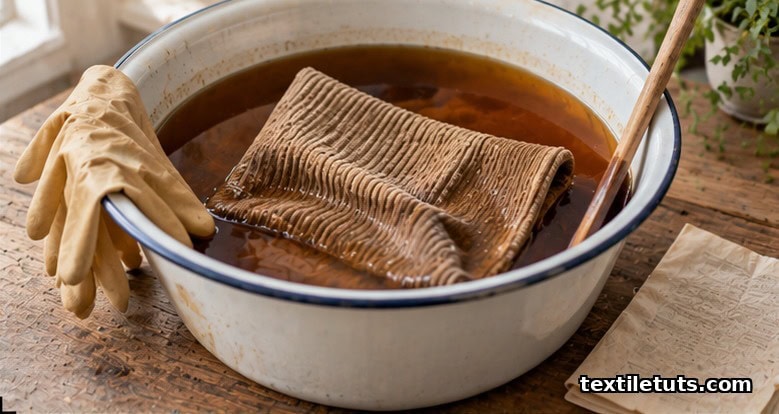
Before jumping straight into dyeing it’s important to prepare both your working area and your corduroy. Always work in a well-ventilated area and be aware that dye can stain surfaces. Consider laying down some old towels or sheets for protection and always wear gloves to protect your hands. As for the fabric, make sure your corduroy is clean and free of dust and stains for the dye to be applied evenly.
Dye Choosing 101: Best Dyes for Corduroy
The type of dye you’ll need will depend on the fabric content of your corduroy. Most corduroys are made from cotton, so a fiber-reactive dye is generally the best choice. Brands such as Rit or Tulip offer high-quality, vibrant dyes that work well with cotton fabrics. However, always check the label of your corduroy and match your dye accordingly.
Tools of the Trade: Gathering Supplies
Besides the dye, there are several other supplies you will need. This includes a large plastic container or stainless steel sink for dyeing, rubber gloves to protect your hands, salt or vinegar to enhance the dye, and a mild detergent for rinsing. You may also find a plastic spoon or stick useful for stirring the dye.
Let’s Dye: The Actual Dyeing Process
Start by soaking the corduroy in warm water then prepare your dye bath following the instructions on your dye packaging. Usually, this involves dissolving the dye in hot water and adding salt or vinegar. Submerge your damp corduroy in the dye bath, making sure it is fully covered. Stir with your plastic utensil to ensure an even coating.
The Waiting Game: Understanding Dyeing Time
How long you leave your corduroy in the dye bath will depend on the depth of color you want. The longer it soaks, the deeper the color. However, be sure you don’t leave it in for less than the minimum time recommended on the dye package as this may result in a too-light color or uneven dyeing.
Fingers Crossed: Washing and Drying Your Dyed Corduroy
Once you have achieved your desired color, rinse your corduroy under cold water until the water runs clear. Then, wash your dyed corduroy separately in warm water with a mild detergent. Avoid washing it with other clothes as dye may bleed in the first few washes. Finally, allow your corduroy to air dry to ensure the new color sets in properly.
Nailing Corduroy Maintenance Post-Dyeing
In the quest of refreshing your wardrobe and adding pops of color to your corduroy items, it’s essential to understand how to preserve the new look. Whether you’re transforming a drab pair of corduroys to vibrant hues or trying to refresh a faded favorite, proper post-dyeing care is crucial. So, how can you maintain your dyed corduroy and ensure its texture and color continue to mesmerize? Let’s dive into the details.
Cleaning and Washing
After successfully dying your corduroy, remember not to rush the washing process. Initially, use cold water for the first few washes as it could help to set the dye and prevent it from bleeding. It’s also recommended to turn the garment inside out before washing to protect the newly-dyed exterior. Using a gentle or hand wash cycle can also preserve the texture and color of your dyed corduroy.
Use Color-Safe Detergents
Specific detergents are specially formulated to protect dyed fabrics. Color-safe or dye-preserving detergents can give a longer lifespan to your dyed corduroy’s color and texture. Scrutinize the components before purchasing. Avoid products with heavy bleaching agents as these could ruin the new color of your garment.
Drying Your Corduroy
Your dyed corduroy and heat are not the best of friends. Extreme heat can lead to fading and discoloration. One of the best way to preserve the dyed color and texture is to allow your corduroy to air dry. If you must use a dryer, then opt for a gentle or tumble dry setting.
Storing Your Dyed Corduroy
Proper storage extends the life of your dyed corduroy. Pull away from direct sunlight and damp areas. A cool, dry place would do a much better job at preserving the vibrant color. Also, make sure the corduroy is completely dry before you store it away to prevent mold and mildew.
Avoidance of Heat and Sunlight
Apart from improper washing and drying techniques, exposure to excessive heat and sunlight can result in fading. Whether it’s a hot iron or a sunny outdoor, both could suck the life out of your dyed corduroy. Iron your corduroy inside out using the lowest setting or no steam option. As for sunlight, restrict prolonged exposure to the harsh rays.
Remember, your corduroy has undergone a transformation and demands proper care. A little caution goes a long way in preserving the texture and color of your newly dyed corduroy. You can now confidently wear your revamped corduroy, knowing it will continue to look vibrant and fresh for a long time.
Great Corduroy Dyeing Projects
If you’re interested in switching up the look of your favorite corduroy items, or if you just want to bring a little bit of creative flair to your wardrobe, why not try your hand at dyeing? Yes, you definitely can dye corduroy and it could open up a whole new realm of possibilities for your wardrobe. Here we will guide you through some fun and inspiring DIY corduroy dyeing projects.
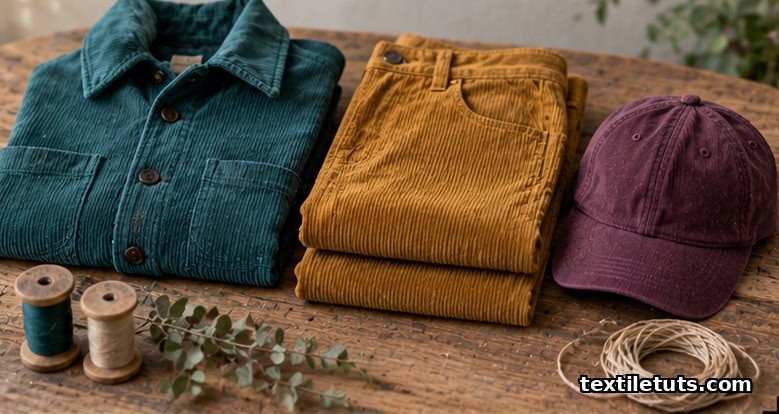
DIY Corduroy Color Revolution: Fun Projects to Try
Project 1: Dyeing Your Corduroy Jacket
If you have a faded corduroy jacket that’s lost its spark, a great way to rekindle its charm is by dyeing it a bright, fun color. Follow these steps:
- Choose a dye that is suitable for the fabric of your jacket, taking care that it won’t damage its distinct corduroy texture.
- Fill up a large container with hot water and add the dye, following the instructions on its packaging.
- Immerse your corduroy jacket in the dye bath, ensuring that it’s fully saturated with the dye.
- Leave it to soak for the directed amount of time. Rinse thoroughly thereafter, and let it dry completely.
You’ll be left with a brand-new looking jacket that’s vibrant and well…all you!
Project 2: Ombre Corduroy Pants
For something a little more adventurous, why not try creating your own pair of ombre corduroy pants? Here’s how:
- First, prepare the dye bath as demonstrated in the first project. This time, choose two (or more) colors that will blend nicely into each other.
- Start by immersing the entirety of your pants in the lightest color. Don’t forget to stir and swirl to ensure that the dye is being evenly distributed.
- After some time, gradually pull your pants out of the dye bath, leaving the bottom section which you want the darkest, in the dye for longer.
- Once you are happy with your lightest color, add the second darker color to the dye bath. Stir well and again immerse only the bottom part of your pants to achieve the ombre effect.
- Rinse your pants thoroughly thereafter, and let them dry. Voila, your own DIY Ombre Corduroy Pants!
Be it your jacket, pants or any other corduroy items, these DIY projects show the versatility of corduroy when it comes to dyeing. So go forth, choose your favorite colors and kick-start your corduroy color revolution!


