
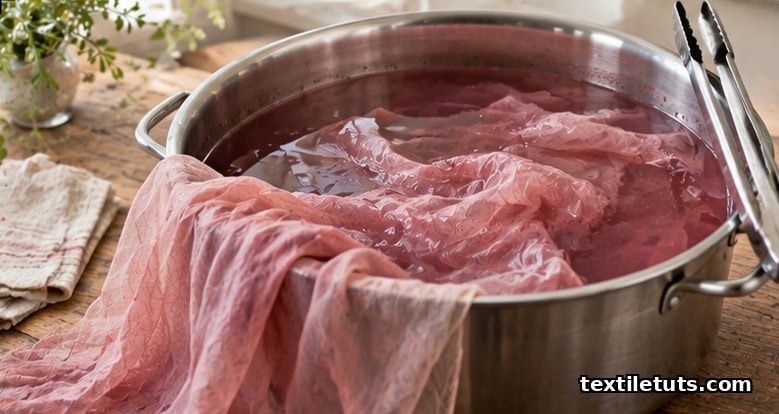
Can You Dye Chiffon

The world of fabric dyeing is fascinating yet daunting. Many wonder about the possibility and effectiveness of dyeing various fabrics, a common question being, “Can you dye chiffon?”
Yes, you can dye chiffon. However, the process requires meticulous care. Chiffon, usually made of silk or synthetic fibers like polyester, can retain color well but it’s critical to use the correct type of dye. For silk chiffon, acid dyes work best, while disperse dyes are more suitable for polyester chiffon.
Let’s explore deeper into the techniques and precautions you should heed when attempting to dye chiffon fabric.
Unveiling the Mystery of Chiffon
Chiffon is a dreamy, sheer fabric with a soft finish often used in evening wear, lingerie, and wedding dresses. But there’s more to chiffon than its ethereal appearance. Whether you’re a fashion enthusiast or a budding fashion designer, understanding the makeup and history of chiffon is integral to appreciating its unique allure.
A Brief History of Chiffon
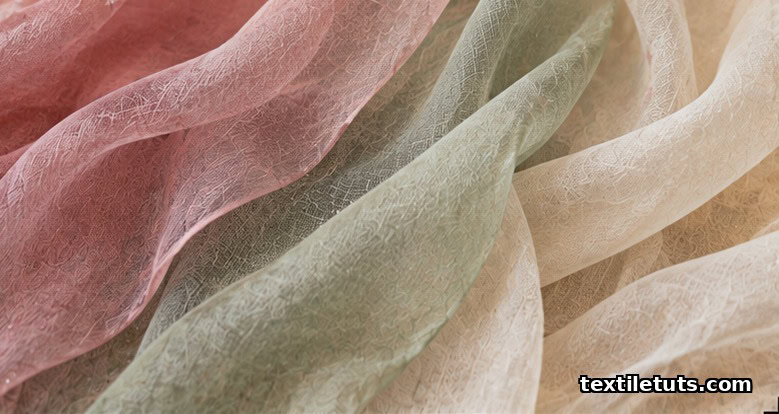
While chiffon might seem like a modern invention, it has a rich and intriguing history. Chiffon, which literally translates to “cloth” or “rag” in French, was first produced in France in the 18th century. However, it didn’t gain significant popularity until the early 20th century.
Previously, the delicate fabric was made from silk, but the expensive production processes involved limited its accessibility. It was only with the advent of synthetic fabrics in the mid-20th century that chiffon became more widely available. Today, chiffon is typically made from polyester, nylon, or rayon, making it much more affordable and versatile.
Why Chiffon? Understanding its Unique Appeal
Chiffon’s charm lies in its unique characteristics. Here are a few reasons why it’s hugely popular:
- Lightweight and Sheer: Chiffon is distinguished by its sheer quality, which allows for a high degree of transparency. This makes it ideal for creating layered garments and adding a soft, airy quality to outfits.
- Elegance and Drape: Chiffon drapes beautifully, which is why it’s often used in flowing dresses and evening gowns. Its inherent elegance makes it a go-to choice for formal attire.
- Texture: Chiffon has a slight rough texture, which not only adds to its unique touch but also aids in its grip, making it less likely to slip when worn or used in designs.
- Versatility: The fabric is highly versatile and can be dyed easily, meaning it can be utilized in a vast array of colors, designs, and garments.
While chiffon is generous with its benefits, it might come off as intimidating due to a common misconception about its dyeability. The truth is, chiffon can indeed be dyed, but it does require a careful and knowledgeable approach to ensure the best results. In the following sections, we’ll be diving deeper into how to effectively dye chiffon without compromising its unique characteristics.
Dyeing Chiffon: An Art and a Technique
Dyeing chiffon is not just about changing the color of the fabric; it is an art that requires technique and patience.
The Science Behind Dyeing Chiffon
Chiffon, a lightweight, sheer fabric, is often made from silk, cotton, or synthetic fibers such as nylon and polyester. The science behind dyeing this fabric lies in the chemical composition of these fibers. Different dyes have different affinities to various types of fibers, and the dyeing process is essentially a chemical reaction where the dye molecules bind to the fabric fiber molecules.
Choosing the Right Dye: Your Color Palette Awaits
There is an array of dyes to choose from when it comes to dyeing chiffon. These dyes can be classified based on their composition and application method. Here is a list of some of the most commonly used dyes:
- Acid Dye: Suitable for silk and wool chiffon.
- Fiber-Reactive Dye: Perfect for cotton and rayon chiffon.
- Disperse Dye: Ideal for polyester chiffon.
Each dye type comes with its own vibrant color palette, so let your creativity flow!
Tools of the Trade: What You’ll Need
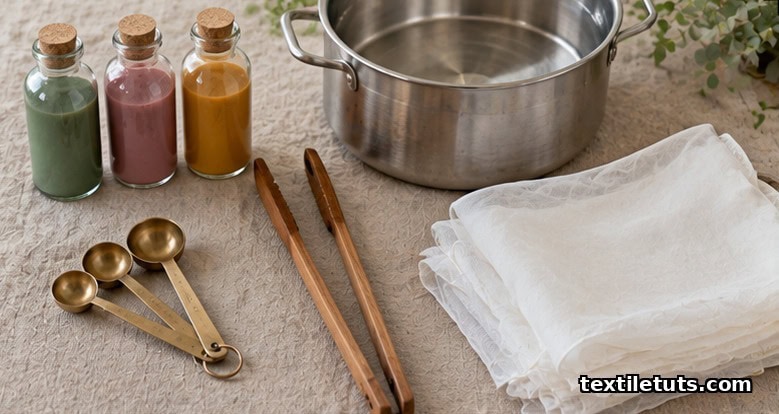
Before you begin the process of dyeing, you will need various tools. Some of them include:
- Dye of your choosing.
- Stainless steel pot or container to dye in.
- Tongs or sticks for stirring.
- Measuring spoons and cups.
- Chiffon fabric.
- Water and salt for the dye bath (depending on the dye instructions).
Note that the tools used for dyeing should not be used for food preparation afterwards.
Step by Step: A Visual Guide to Dyeing Chiffon
Dyeing chiffon is a process that involves several steps:
- Start by pre-washing the chiffon to remove any dirt or oil that might resist the dye.
- Prepare the dye bath as recommended by the dye instructions.
- Wet the chiffon and place it in the dye bath.
- Gently stir the fabric in the dye bath regularly to ensure even dye absorption.
- Rinse the dyed fabric under cold water until the water runs clear.
- Finally, air dry the chiffon to preserve its delicate nature.
And there you go! That’s how you can transform your chiffon fabric with a little dye and some patience.
Expert Tips and Tricks
Dyeing chiffon can often be tricky because of its fineness and lightweight structure. However, with the right tricks and techniques, you can add a splash of color to this delicate fabric and follow your artistic instincts. Let’s look at how you can avoid common mistakes and master advanced techniques to dye chiffon.
Avoiding Common Mistakes
Be mindful of these common mistakes and learn how to avoid them while dyeing chiffon. Here are a few tips to ensure that you get the best outcomes:
- Wrong dye: Using the right dye for chiffon is important. Go for acid dyes and fiber reactive dyes as they work best for silk chiffon and synthetic chiffon respectively.
- Overcrowding the pot: Chiffon needs ample space to move around in the dyeing pot. Overcrowding can cause uneven coloring.
- Incorrect temperature: The temperature of the dye matters. Too hot and you may risk damaging the delicate chiffon. It’s best to keep the temperature at a moderate level.
Mastering the Art: Advanced Techniques for Dyeing Chiffon
When you’ve taken care of the basics and are ready to upscale your dyeing game, these advanced techniques are for you. Let’s find out what these expert tips are:
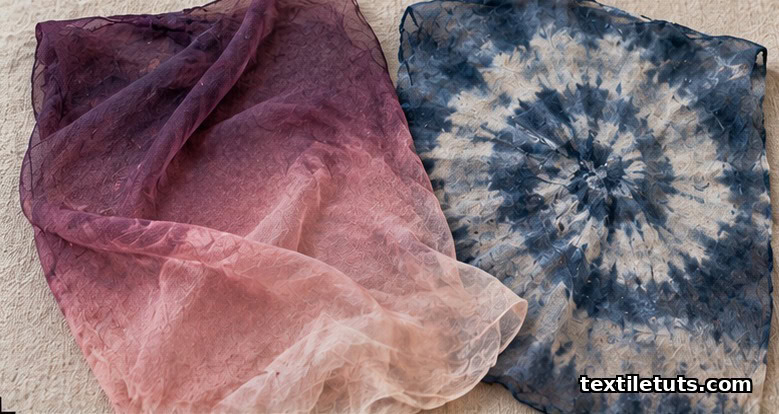
- Tie-Dye: Chiffon takes to tie-dye really well. Just fold, twist, or bundle your fabric and bind it with strings or rubber bands. Apply your dye and watch the magic unfold as unique patterns emerge.
- Ombre Effect: For an elegant look, try the ombre effect. Start with a dark saturation of dye at one end and gradually decrease the strength of the dye as you reach the other end of the chiffon.
- Resist Dyeing: Applying a resist substance to certain areas of the chiffon will prevent the dye from penetrating those areas, creating unique and interesting patterns.
Make sure to always pre-wash and dampen your chiffon before you begin. It helps to remove any dirt and allows the dye to spread evenly. Have patience as the process can be lengthy, but the end result is well worth the effort!
The Environmental Impact of Dyeing Chiffon
It’s a well-known fact that dyeing fabrics can have a significant impact on the environment, and chiffon is no exception. The primary environmental issues associated with fabric dyeing can be attributed to the use of chemicals, water consumption and the waste discharge.
However, with a conscientious choice of dyes and some careful planning, it’s fully possible to diminish the negative impact on the environment when dyeing chiffon.
Picking Environmentally-Friendly Dyes
Perhaps the most straightforward way to reduce the environmental impact of dyeing chiffon is by opting for environmentally-friendly dyes. Natural dyes are one such option. These dyes are made from materials found in nature like plants, minerals, and even some insects. Examples include indigo (from the Indigofera plant), madder (from the Rubia plant), and cochineal (an insect).
Not only do these naturally-derived dyes offer an abundance of rich and diverse colors, but they can also be sustainably sourced, and therefore are often less harmful to the environment than their synthetic counterparts.
| Dye | Source |
|---|---|
| Indigo | Indigofera plant |
| Madder | Rubia plant |
| Cochineal | Cochineal insects |
Sustainable Practices in Chiffon Dyeing
Aside from the type of dye you choose, also important is how you dye your chiffon material. Adopting sustainable practices during the dyeing process can greatly minimize environmental damage. For instance, reducing water usage in dyeing processes not only conserves a crucial resource but also reduces the amount of wastewater produced.
Another sustainable practice is to reuse and recycle water during the dyeing process. There are innovative methods and machines that allow for the recirculation and reuse of water, which significantly decreases the environmental footprint of the dyeing process.
Finally, correctly disposing of dye waste or making use of proper treatment methods before discharge can prevent polluting water bodies.
By integrating these eco-conscious decisions and methods into the dyeing process, we can all play our part in making the fashion industry, and specifically the process of dyeing chiffon, much more sustainable.
Preparing for the Unexpected: Troubleshooting Dyeing Dilemmas
Dyeing chiffon, like any other fabric, can present a set of challenges. However, with a bit of preparation and knowledge, you can address these dilemmas and ensure a smoother dyeing process. This section explains some common issues and their practical solutions during dyeing chiffon.
Dealing with Unwanted Streaks and Blotches
Running into the problem of unwanted streaks and blotches on your dyed chiffon? Don’t worry. It’s a common issue that usually happens due to uneven application of dye or presence of oils, dirt, or fabrics softeners on the chiffon before dyeing.
- Uneven Application of Dye: To tackle it, ensure you’re saturating the fabric consistently. It’s recommended to stir the fabric a few times throughout the dyeing process to ensure even dye distribution.
- Presence of Oils/Dirt/Fabric Softeners: Prewashing your chiffon without fabric softener can help in managing this issue. Any residue on the fabric can resist dye, leading to blotches. Washing ensures that such residues aren’t present during the dyeing process.
When the Dye Doesn’t Hold: Possible Reasons and Solutions
Another issue that can arise during dyeing chiffon is when the dye doesn’t hold onto the fabric. It usually indicates that the dye isn’t suitable for the fabric or the dye isn’t bind well with the fabric fibers.
| Issues | Solutions |
|---|---|
| Dye isn’t Suitable for Chiffon | Select a dye that specifically mentions its compatibility with chiffon. Some dyes may work well for cotton or wool but not as well with chiffon. |
| Dye isn’t Binding with Fabric Fibers | Chiffon needs to be dyed at a hot temperature to ensure that the dye molecules can bind with the fabric fibers. Also, using a dye fixative can aid in making the dye adhere to the fibre better. |
Remember, the dyeing process might be a challenging yet rewarding one, especially when involving fabrics like chiffon. It’s necessary to experiment and explore a bit before nailing the perfect color to your fabric. Don’t be deterred by initial failures; every dyeing expert was once a beginner. So, keep going!
Preserving Your Masterpiece: Chiffon Care Post-Dyeing
After you have successfully dyed your chiffon, it is essential to take proper care to preserve its vibrant hues and delicate texture. This section will provide you with detailed and adaptive care practices to ensure you enjoy the new life brought into your chiffon attire. Let’s delve into the post-dyeing chiffon care.
Cleaning Dyed Chiffon
Just like any dyed textile, chiffon needs to be cleaned carefully to maintain its colour integrity. The following tips outline how to wash dyed chiffon:
-
Hand-wash in cold water – Chiffon is a delicate fabric and can be easily damaged in the washing machine. Hand-washing lifts the remaining dye without damaging the fabric.
-
Use a gentle detergent – Using a harsh detergent can strip away the dye and damage your chiffon. Invest in a gentle, colour-safe detergent to maximize the lifespan of your dyed chiffon.
-
Avoid Bleach at all costs – Bleach not only strips colour but causes the fabric to weaken and disintegrate over time.
-
Dry naturally – The heat of a dryer can make colours fade much quicker. Instead, hang your chiffon under a shaded place to air-dry.
Storing and Using Your Dyed Chiffon
Keeping your dyed chiffon in top-notch condition doesn’t end at washing it appropriately. Proper storage and careful use are pivotal to lengthen its durability. Below are a few tips on storing and using your dyed chiffon:
-
Store in a cool, dark place away from direct sunlight – Sunlight can fade the colour of your dyed chiffon, so it’s best to keep it in a dark, dry place.
-
Use padded clothing hangers – Chiffon can be prone to tearing if stored poorly. Use padded hangers to prevent tearing or deforming the fabric.
-
Avoid ironing – If you need to get rid of those pesky crease lines, steam your chiffon clothes or use an iron with a very low heat setting. This will minimize any potential damage.
-
Professional cleaning – When in doubt, opt for professional dry-cleaning services to ensure that your dyed chiffon is preserved in the best way possible.
In conclusion, with the right care, your newly dyed chiffon can maintain its vibrant colour. Take care to wash, store and handle your chiffon properly to ensure it continues to look beautiful for years to come.


