
Can You Dye Clothes With Kool Aid

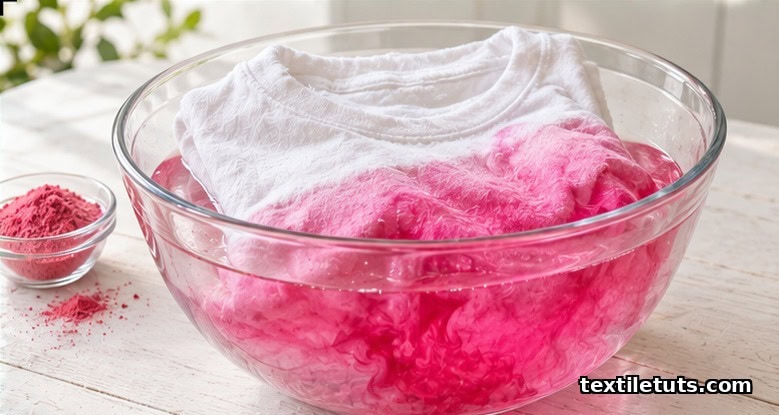
Experimenting with different ways to color clothing can be exciting, muddling through the puzzle: Can clothes be dyed using Kool Aid?
Yes, you can dye clothes with Kool Aid. It’s inexpensive, fairly non-messy, and kid-friendly. Kool Aid offers a broad range of colors, making it a creative option to customize fabrics. However, it works best on natural fabrics like cotton, silk or wool.
Keen on learning more? Keep reading to unlock the creative power of Kool Aid dyeing. Let’s ensure your next DIY project is as vibrant as possible!
Unboxing the Kool-Aid Dye Phenomenon
You might be astonished to hear that Kool-Aid isn’t just for drinking. Its vivid colors make it an ideal, cheap and non-toxic dye for clothing. Yes, you read that right! Clothes can be dyed using Kool-Aid. It’s a trend that’s been making waves in the DIY fashion world for quite some time now. This peculiar practice has brought a renewed appeal to plain white clothes and old garments that need a bit of color.
What’s the Big Deal?
People love personalization. We all want to have that piece of clothing that stands out, that identifies as uniquely ours, and what’s better than designing your own colorways? Kool-Aid dyeing offers just that. Making your hues within the comfort of your own home, selecting from the palette of Kool-Aid flavors, brings a whole new level of customization.
Moreover, it is a fun activity that doesn’t cost the earth but gives you a chance to flex your creative muscles. Additionally, it is a wonderful way to reuse or revamp old clothes or textiles instead of tossing them out.
Why experiment with Kool-Aid?
- Economical: Dyeing clothes with Kool-Aid is much more cost-effective than purchasing commercial fabric dyes.
- Vibrant Colors: Kool-Aid comes in a variety of bright and vibrant colors that can open limitless possibilities with your designs.
- Non-Toxic: Unlike many commercial dyes, Kool-Aid is safe and non-toxic, making it a better option for those concerned about chemical exposure.
- Easy to Use: You don’t need any special equipment or a high level of skill to dye clothes with Kool-Aid. With just a few household items, you’re good to go.
Exploring the Science Behind the Color
Did you know that the vibrant colors found in Kool-Aid could actually dye your clothes? Yes, you heard that right! Not only can you enjoy a refreshing glass of this drink, but you can also use it as a cost-effective and fun way to revamp your wardrobe. In this section, we will explore the science behind this dyeing method that will surely tickle your curiosity.
The Wonders of Dyestuff Chemistry
Dying with Kool-Aid is not just a kitchen experiment; it’s also a great demonstration of a scientific concept known as “dyestuff chemistry”. This term refers to the study of how dye molecules work. In other words, dyestuff chemistry is the study of how these molecules attach to fabric molecules and how they absorb, reflect, and transmit light – a phenomenon that culminates in the colors we perceive. This particular method is akin to acid dyeing, where acid is used to bond the color onto the material.
The Role of Kool-Aid’s Ingredients
Kool-Aid dyeing involves some of the beverage’s key ingredients: citric acid and food coloring. Despite being known as a tasty drink, Kool-Aid contains strong enough concentrations of these ingredients to act similarly to traditional fabric dyes.
- Citric Acid: The citric acid in Kool-Aid is the mordant that allows the dye to bond with fabric fibers.
- Food Coloring: The food coloring is what gives the dye its color. It sticks to the cloth when mixed with hot water and the citric acid.
Color Permanence and Potential for Variations
Although dyeing clothes with Kool-Aid can yield vibrant colors, it’s important to know that the color permanence is not always guaranteed. You may notice differences in shade and intensity of color as you wash your clothes. This is due to the fact that food coloring is designed to wash out of your body, and annoyingly, it often does the same on fabric.
The quality of the dyeing results may also depend on the type of fabric you use. Natural fabrics like cotton and wool absorb Kool-Aid dye much better compared to synthetic fibers such as polyester. Therefore, for more even and lasting results, it is advisable to dye natural fibers.
Getting Started: A Step-by-Step Guide to Dye Clothes with Kool-Aid
Yes, sure! You can dye your clothes using Kool-Aid. Let’s guide you through the entire process effectively and affordably.
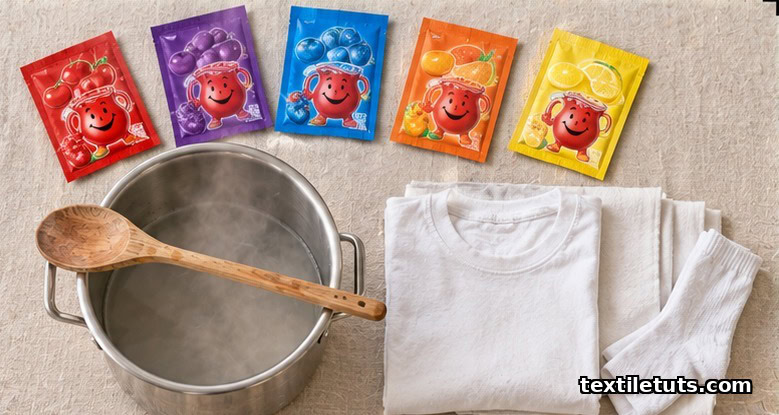
Picking Your Materials
Which Kool-Aid Flavor Should You Choose?
The color of your finished dye significantly depends on the Kool-Aid flavor you choose. Darker and more intense flavors, like cherry or grape, yield more vibrant colors. Subtle flavors, like orange or lemonade, produce softer hues. Feel free to experiment with different flavors and combinations to get the color you desire. You can also adjust the concentration by altering the amount of water you add, keeping in mind that less water equals more vivid color.
What Type of Fabric Works Best?
When choosing the fabric for your dyeing project, it’s crucial to consider the material. Natural fibers such as cotton or wool absorb the dye excellently and produce bright and lasting colors. Synthetic fabrics, on the other hand, may not soak up the dye as well, resulting in shorter-lived or uneven colors. So, for the best results, stick to 100% cotton items.
The Dyeing Process Revealed
Mixing the Solution
First, prepare the Kool-Aid dye solution. You’ll need about one packet of Kool-Aid per cup of water for a rich color. Mix the Kool-Aid powder with hot water until fully dissolved. You can use a large cooking pot for this process. The volume of solution you need will depend on the size of the clothing item you’re dyeing. Make sure it’s enough to fully submerge the fabric.
Adding the Clothes
Once the Kool-Aid solution is ready, it’s time to add in your fabric. Wet the item with warm water first to help it absorb the dye evenly. Then, place the item in the solution, ensuring it’s fully submerged. Stir occasionally for at least an hour, or until the desired color is reached. Remember, the color will lighten as it dries, so aim for a shade or two darker in the solution.
Drying and Finishing Steps
After dyeing your item, take it out of the solution and rinse it with cool water until the water runs clear. Then, wring out excess water and hang-dry your garment. To set the color, wash the fabric with only cold water for the first couple of washes. Avoid washing dyed items with whites or light-colored clothing, as the color might bleed.
With that said, using Kool-Aid to dye clothes is not only a fun experiment but also a great way to revamp old fabrics with gorgeous and unique hues. Happy dyeing!
Safety & Sustainability Considerations
Dyeing clothes with Kool-Aid is not only a fun and creative idea but can also lead to fascinating results. However, before diving into this process, it’s important to consider certain safety and sustainability aspects of the process. Two primary aspects to consider are whether Kool-Aid dyeing can potentially be harmful and if it is an environmentally friendly approach.
Can Kool-Aid Dyeing be Harmful?
Generally, dyeing clothes with Kool-Aid is considered safe. Kool-Aid is a food-grade product that has passed various safety standards for human consumption. However, it’s essential to remain cautious as Kool-Aid contains certain food dyes and additives, such as citric acid and aspartame, which might cause skin irritation in very sensitive individuals.
Beyond potential skin irritation, another aspect to be mindful of are the colors used. Certain colors, especially reds and purples, can stain your skin during the dyeing process. Therefore, using gloves during the dyeing process is often recommended.>
Is it an Environmentally Friendly Approach?
At first glance, using Kool-Aid as a dye might seem environmental-friendly since it’s reducing the demand for chemical dyes. However, the production of Kool-Aid itself involves certain environmental impacts tied to the generation of its ingredients and its packaging.
Yet, compared to traditional chemical dyes, Kool-Aid does present a more eco-friendly alternative. The harmful environmental impact from the runoff of excess synthetic dyes found in water bodies can be significantly reduced by using this food-based dye. Furthermore, a portion of Kool-Aid packaging is recyclable, again positioning it as a step above conventional synthetic dyes in terms of environmental impact.
However, it’s crucial to note that results of dyeing with Kool-Aid often don’t last as long, requiring frequent re-dyeing, which can also add to environmental burden. Therefore, while an environmentally friendlier option, Kool-Aid dyeing may not be totally ‘green’.
Troubleshooting and Common Mishaps
Even though dyeing clothes with Kool-Aid is a fun and easy activity, it doesn’t come without its fair share of challenges and possible mishaps. The most common issues can range from the color not holding to having uneven distribution or patchy results. Don’t worry, though, as both of these issues are quite easy to handle with a bit of know-how.
Why Didn’t the Color Hold?
There could be several reasons why the Kool-Aid color didn’t adhere to your clothing item. Here are some of the most common culprits:
- The fabric wasn’t clean: Any residue or oils on the fabric can interfere with the dyeing process. Always wash your clothing item first and make sure it’s thoroughly clean.
- You didn’t use enough Kool-Aid: If the color is too light or washed out, you might not have used enough Kool-Aid. Try using a higher concentration for a more vibrant color.
- You didn’t heat the solution enough: The Kool-Aid dye needs to be heated to a certain temperature to adhere properly to the fabric. Too low temperatures may prevent the dye from clinging to your clothes.
If you’re still encountering problems even after trying these solutions, don’t be disheartened. It might be worth experimenting with different fabrics and dye concentrations to find the right one that works best for you.
How to Handle Uneven Distribution or Patchy Results
Seeing uneven or patchy colors after dyeing your clothes can be disappointing. But with a little bit of effort and care, this issue can be resolved. Here are a few tips:
- Gently stir your clothing item in the dye solution: This will ensure that all parts are evenly exposed to the dye, helping to prevent patches.
- Leave the clothes in the dye longer: Sometimes, the dye might not have enough time to properly penetrate the fabric, resulting in uneven color. Try leaving your clothes in the dye solution for a longer period.
- Rinse carefully: If the dye is not properly rinsed out, it can lead to patchy spots. Rinse your clothing until the water runs clear, and be careful not to wring or twist your clothes too harshly, as this can lead to uneven color distribution.
Remember, dyeing with Kool-Aid is not an exact science, and sometimes results may vary. But with a bit of trial and error, you can create beautiful, uniquely dyed clothes right at home!
Creative Kool-Aid Dyeing Ideas & Tips
Dyeing clothes with Kool-Aid is a fun and creative approach that offers endless possibilities of designs and color combinations. This section provides some innovative ideas and helpful tips to get you started.
Playing with Techniques: Tie Dye, Dip and Crumple
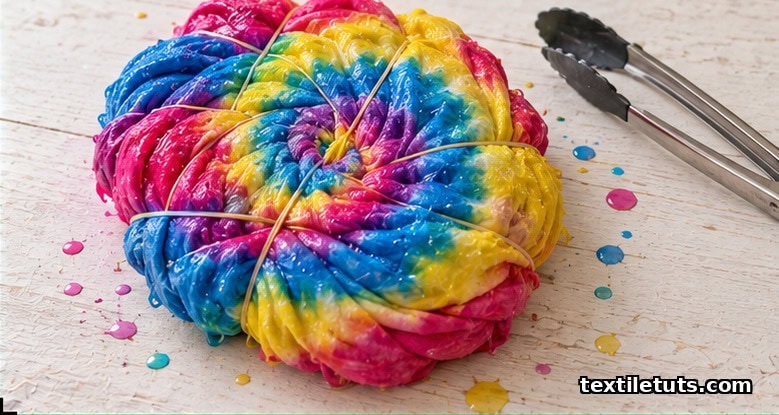
Tie-dyeing with Kool-Aid is a fantastic way to re-style your old white shirts or socks. First, wet the clothing item and spin it into a spiral or any other tie-dye design that you prefer. Tie the clothing tightly with rubber bands, then submerge it into your Kool-Aid dye. Leave the clothing in the dye for a few hours, then rinse it thoroughly. The result is an awesome kaleidoscope of colors.
Dip-dyeing is another fabulous Kool-Aid dyeing technique. This method offers an easy way to create a trendy gradient effect on your clothes. Simply create your Kool-Aid dye and dip your clothing item into it. The depth to which you submerge the clothing determines the intensity of the color.
Crumple dyeing is the third technique that involves crumpling the clothing, then immersing it into your dye baths. This method results in a marbled effect, a monochromatic design with an abstract pattern.
Evolving the Pallet: Mixing Kool-Aid Flavors
The fun part about dyeing with Kool-Aid is the myriad of colors you can generate by mixing different packets. For instance, combining red and yellow Kool-Aid gives a warm, orange hue. However, the intensity of the colors can vary based on the ratio of the colors mixed. Plunge into the realm of colors by playing around with different combinations and ratios for unique results.
Below is a Kool-Aid color mixing chart to get you started:
| Red Packet | Blue Packet | Yellow Packet | Resulting Color |
|---|---|---|---|
| 1 | 0 | 0 | Red |
| 1 | 1 | 0 | Purple |
| 1 | 0 | 1 | Orange |
| 0 | 1 | 0 | Blue |
| 0 | 0 | 1 | Yellow |
| 1 | 1 | 1 | Brown |
This is only a starting point. Feel free to try any variety of Kool-Aid packet ratios and colors for creating your unique color palette.
Unleashing Your Fashionista: Rocking the Kool-Aid Dimentions
Get ready to unleash your inner fashionista by exploring and experimenting with Kool-Aid colors. That’s right! You read correctly. This popular beverage mix isn’t just for quenching a thirst any longer. It’s time to step up the creativity game and dive into the fabulous world of fashion dyeing with Kool-Aid. The results may leave you astounded.
Curating Rainbow Wardrobes
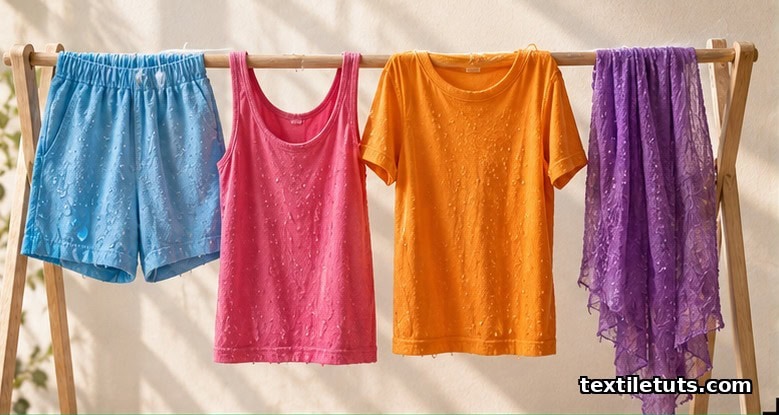
Mix and match your summer outfits with the vibrant colors of the rainbow. The incredible variety of Kool-Aid flavors, ranging from Cherry, Tropical Punch, and Lemonade, to Grape, Berry Blue, and more, provide a palette of striking color options for your clothing. So, let’s dive in and create some rainbow magic!
First, get your materials ready. Along with the Kool-Aid packets, you’ll also need a pot, water, tongs, and of course, the clothes that you want to dye. Pastel-colored cotton clothes that are light in color work best for this.
Next, it’s time to let the colorful fusion begin. Fill your pot with water and add in the Kool-Aid packets; one packet for a subtle shade and multiple for a darker shade. Bring it to a simmer and add your clothing. Let it soak till you get your desired color. Rinse it under cold water and let it dry.
The wonderful benefit is that the quantity of Kool-Aid packets can be adjusted according to the colour strength desired, thereby customising each wardrobe piece to a unique shade.
Matching the Season: Summer Kool-Aid Outfit Ideas
Brighten up your summer days with colors that match the radiant sunshine and the crystal-clear azure skies. Imagine donning a pair of sky-blue shorts and a tangy orange tank top- doesn’t that sound like the quintessential summer look?
Here are some color combinations that can be achieved using different Kool-Aid flavors:
| Summer Kool-Aid Outfit Ideas | Kool-Aid Flavors |
|---|---|
| Sky-Blue Shorts | Berry Blue |
| Pink Tank Top | Cherry |
| Orange T-Shirt | Tropical Punch |
| Purple Scarf | Grape |
Indeed, the possibilities are endless! With this unique dyeing technique, you can revitalize your summer wardrobe with pops of eye-catching colors and rock the trendiest looks at beach parties, barbecues, and more!


