
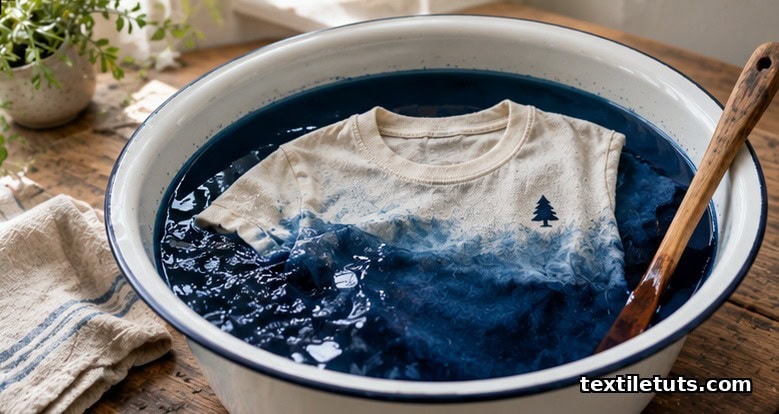
Can You Dye a Shirt With a Logo on It

When updating a wardrobe or adding a pop of color to a favorite garment, one might wonder: Can you dye a shirt with a logo on it?
Yes, you can dye a shirt with a logo on it. However, most logos are made of synthetic material that don’t absorb conventional textile dyes. Therefore, despite dyeing the rest of the shirt, your logo color might stay the same, making it stand out more.
Curious how it works? Read on! Let’s delve into the world of fabric dyeing and see how logos will respond to it.
Understanding the Art of Dyeing a Shirt
Dyeing a shirt is a creative way to breathe new life into an old clothing item or to make a bold fashion statement. However, the process involves more intricacy than simply submerging your shirt in a vat of dye. Let’s delve into the step-by-step guide on how you can successfully dye a shirt.
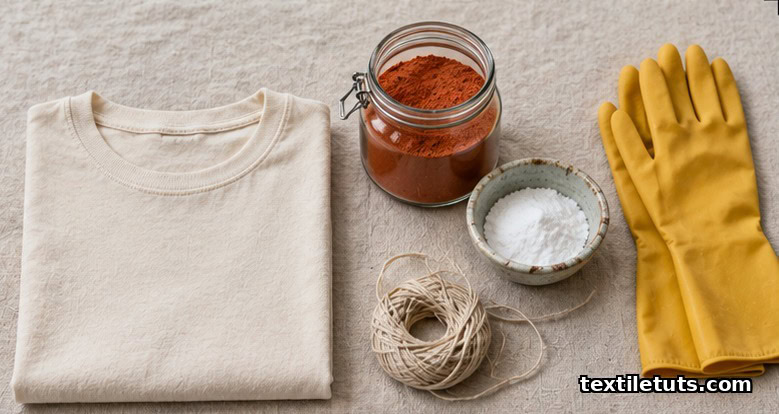
The Basic Process of Dyeing: A Step-by-step Guide
The Right Dye
The process begins with choosing the right dye. There are various types of dyes available on the market today, ranging from natural to synthetic ones. For cotton and linen shirts, the fiber reactive dye is a good option. Conversely, synthetic fibers like polyester will better take on disperse dye. Remember that the color vibrancy and dye-fastness might vary significantly from one type of dye to the other.
Proper Preparation
Preparing your shirt before dyeing is as critical as choosing the right dye. Pre-washing your shirt can remove any dirt or grease that could interfere with the dyeing process. Moreover, soaking your shirt in a soda ash solution can significantly enhance the dye’s ability to adhere to the fabric.
Directly dyeing shirts with logos can result in uneven dyeing as areas under the logo might not take the dye well. So, if you are dyeing a shirt with a logo, it’s recommended to use a color remover or bleach to reduce the logo’s color first, but be careful not to damage the fabric.
The Art of Application
The actual application process involves putting the pre-washed, soda ash-soaked shirt into the dye bath. Keep the shirt submerged for approximately 10-30 minutes and make sure to stir it occasionally to promote even dyeing. For dyeing a shirt with a logo, an alternative technique is to use a brush to apply the dye meticulously around the logo, helping prevent the logo from getting distorted.
Post-dyeing, the shirt needs to be rinsed and washed thoroughly to get rid of any excess dye. Always wash it separately as the dye can seep out and stain other clothes.
Adding an Extra Layer of Complexity: Logos
Dyeing a shirt with a logo on it can be somewhat more complicated than dyeing a plain shirt. This is because logos add an extra layer of complexity, especially in terms of how they impact the dyeing process. There are different types of logo applications that you should be aware of, each of which can affect the dye in different ways.
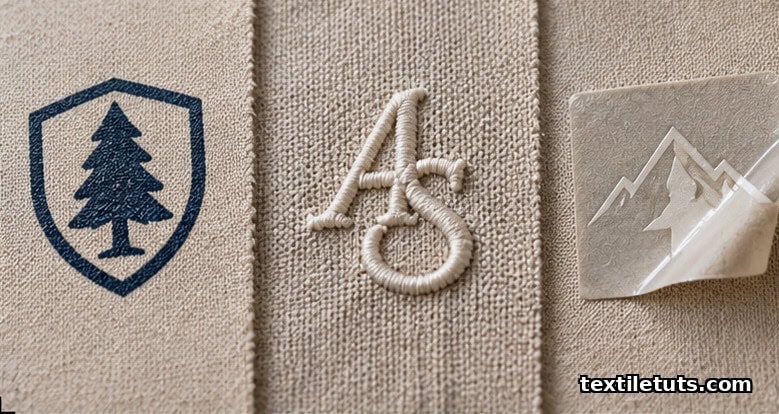
The Different Types of Logo Application
Although many different methods can be used to apply a logo onto a shirt, there are three primary methods that you are most likely to encounter: screen printing, embroidery, and heat transfer.
- Screen Printing
- Screen printing is a popular method that involves pushing ink onto the fabric through a stencil. The result is a logo that is directly on the garment.
- Embroidery
- Embroidery, on the other hand, involves stitching the logo onto the shirt. This can create an interesting 3D effect and a texture that stands out from the rest of the shirt.
- Heat Transfer
- Heat transfer logos are created by printing the logo onto special heat-sensitive paper and then ironing it onto the shirt. This can create a more detailed logo, but the application process can damage certain types of fabric.
Why Logos May Impact Your Dyeing Process
The methods used to apply logos on shirts can have a significant impact on the dyeing process. Let’s look at why.
- Screen Printing
- Screen printed logos are essentially part of the fabric as they are applied directly onto it. Consequently, they may absorb the dye in a similar manner as the fabric itself. This means that the logo may also change its color along with the shirt.
- Embroidery
- As embroidery involves stitching, the threads used can react differently to the dye compared to the fabric of the shirt. In some cases, the dye might not be absorbed at all, leaving the logo in its original color. In other cases, the threads may take up the dye, but the color could come out differently due to the mix with the original thread color.
- Heat Transfer
- Logos applied through heat transfer are typically made from a different material than the shirt fabric. Accordingly, these logos often act as a barrier and resist the dye. As a result, the logo will usually retain its original color even after the shirt has been dyed.
In conclusion, while dyeing a shirt with a logo is certainly possible, it’s important to remember that the logo may react differently to the dye compared to the material of the shirt, depending on how it was applied. This could result in a surprising or interesting visual effect, which may or may not be what you had in mind. Remember to consider this before you start the dyeing process.
Can You Dye a Shirt with a Logo on It?
It’s common to wonder, “Can you dye a shirt with a logo on it?” Whether you’ve got an old favorite t-shirt with a faded logo or a new branded one you want to customize, dyeing is a popular tactic. However, the feasibility of dyeing largely depends on a multitude of factors, including the type of shirt fabric, the original color, and the type of ink used in the logo.
Exploring the Pros and Cons
Dyeing a shirt with a logo on it is advantageous as it provides a way to bring your personal touch to the garment. This is particularly useful if you’re passionate about DIY projects. Also, it can help rescue older shirts where the original color has faded but the logo is still intact.
In contrast, it has its downsides, too. The biggest drawback can be the unpredictability of the result, especially if the logo’s ink doesn’t take the dye well. For instance, there’s a risk that the logo may lose its sharpness, or even worse, become completely distorted. Also, if the shirt and the logo are of contrasting colors, it can be challenging to predict the final outcome.
Reference Cases: Success and Failures
Several examples illustrate the possibilities of dyeing shirts with logos. For instance, plain cotton shirts with black logos often result in successful dyeing. Cotton fiber tends to absorb dye well, leaving the black logo unaffected in most cases. However, anything printed with white ink may not fare so well, as the dye might alter the logo’s color.
Here are some examples:
- Case 1 (Success): A white cotton t-shirt with a black logo was dyed royal blue. The shirt took the color well, and the logo remained distinctly black.
- Case 2 (Partial Success): A light-blue polyester shirt with a red logo was dyed black. While the shirt changed its color, the red logo turned into a dark wine color.
- Case 3 (Failure): A grey rayon shirt with white logo was dyed black. The shirt got dyed perfectly, but the white logo turned into a dull greenish color, making it look faded.
These examples underline the unpredictability involved in dyeing shirts with logos on them. It’s advised that before proceeding with the actual dyeing, a thorough knowledge of the fabric type, color, and logo ink should be obtained, and if possible, a patch test should be performed.
How to Dye a Shirt with a Logo: Practical Techniques
Dyeing a shirt with a logo can be a fun and creative way to transform a simple piece of clothing into something unique and personalized. There are a number of different methods that can be used to accomplish this, depending on the type of logo and the material of the shirt. Here, we’ll focus on two common types of logos – screen-printed and embroidered – and detail the best techniques for dyeing a shirt with each kind.
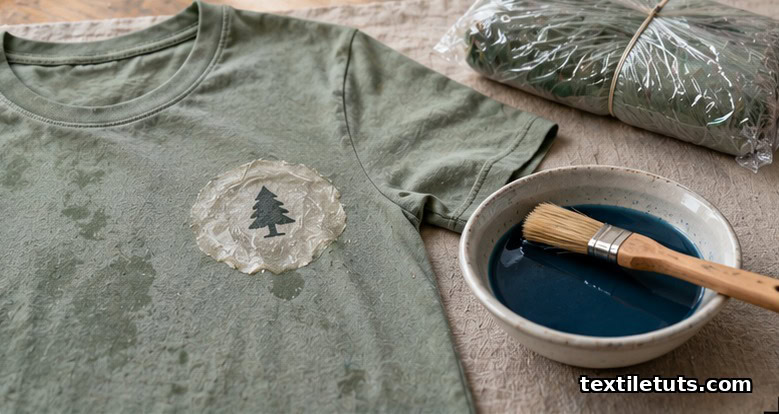
The Approach for Screen-Printed Logos
Screen-printed logos are probably the most common type of logo found on t-shirts. These logos are typically made up of thick, colorful inks that rest on the top of the fabric. Dyeing a shirt with a screen-printed logo is definitely possible, but there are a few things to keep in mind.
First, it’s important to note that the dye may not be able to penetrate the logo itself. This means that the color of the logo is likely to remain the same, while the rest of the shirt changes color. Second, the color of the dye and the color of the logo should complement each other. A contrasting dye color can make the logo pop more, while a similar dye color can create a subtler, more blended look.
- Pre-wash the shirt to remove oils and dirt.
- Soak the shirt in a solution of soda ash and water, which helps the dye to adhere to the fabric.
- Wring out the shirt, but leave it damp. Dry shirts do not absorb dye well.
- Apply the dye to the shirt, avoiding the logo if you want it to remain its original color.
- Wrap the shirt in plastic and let it sit for about 24 hours to allow the dye to set.
- Rinse the shirt thoroughly in cold water until the water runs clear, then wash it separately in warm water.
Tackling a Shirt with Embroidered Logos
Embroidered logos present a bit of a different challenge when it comes to dyeing. If the embroidery thread is made of a synthetic material like polyester, it may not take the dye at all. If it’s made of a natural material like cotton, it will likely dye along with the rest of the shirt, potentially changing its color as well.
The process for dyeing a shirt with an embroidered logo is similar to the one for screen-printed logos, with one important addition: pre-treating the logo. This involves applying a layer of wax or other waterproof material over the logo to prevent the dye from penetrating. If you’re feeling creative, you can also fill in the logo with a resist agent, allowing you to dye the rest of the shirt while keeping the logo its original color.
- Pre-wash and soak the shirt as described above.
- Pre-treat the logo with wax or a resist agent. Let it dry thoroughly before moving on to the next steps.
- Apply the dye, wrap the shirt in plastic, and let it sit.
- Rinse, wash, and dry the shirt according to the directions on the dye packaging.
These are some basic tips to dye a shirt with a logo, but always remember, it’s not an exact science! Feel free to experiment with different techniques and colors until you achieve the perfect look.
Tips to Maintain the Original Look of Your Logo
When it comes to dyeing a shirt with a logo on it, maintaining the original look of the logo can prove to be a challenging task. However, with the right techniques and methods in place, it is possible to achieve satisfactory results. The following tips will provide guidance on how to ensure your logo remains impressive even after the dyeing process.
Utilizing Resist Techniques
The resist technique is a method used to protect certain areas of your shirt from being dyed. It involves creating a barrier between the dye and the logo. The process can involve using wax, gutta, or resist applicators, commonly used in batik and silk painting procedures.
This technique ensures that the dye does not come into contact with the logo during the dyeing process, hence preserving its original color and design look.
- Wax resist: The wax is melted and applied to the shirt. It resists dye, maintaining the original color underneath.
- Gutta resist: This is a rubber-based substance that is applied thickly. As it dries, it provides a waterproof barrier resist dye.
- Resist applicators: They are handy tools that offer precise application. It’s particularly ideal for smaller, more intricate logos.
Remember to carefully remove the resist medium once the dyeing process is completed, and the shirt is fully dried to reveal the untouched logo.
Specific Color Considerations
While dyeing your shirt, it’s crucial to consider the color of your logo and the dye you are planning to use. Keep in mind that dyeing is a color addition process.
If your logo is a darker shade than the dye you want to use, then chances are the logo color might overpower the dye color, causing a disruption in the desired result. A handy color wheel and understanding of color theory can guide you in this endeavor.
| Dye Color | Logo Color | Possible Outcome |
|---|---|---|
| Red | Blue | The logo may turn purple, as blue and red create purple. |
| Yellow | Blue | The logo may turn green, yellow and blue creates green. |
| Blue | Red | The logo may turn purple, red and blue create purple |
Essentially, consider the end result before jumping into the dyeing process. This will help maintain your logo’s original look and ensure that your shirt’s final color complements it.
Expert Insights: Consultation with Professional Dyers
Consulting with professional dyers provides vital insights into dyeing shirts with logos on them. Dyeing a shirt with a logo might appear straightforward, but it could be quite a challenge due to the diverse materials used to create the logo, which might not take up the dye in the same way as the fabric of the shirt.
Professional dyers cite several crucial factors to consider while dyeing a shirt with a logo on it. Let’s delve into their advice:
The Material of the Logo and the Shirt
The composition of the logo’s material and the shirt fabric are the first things to consider. Certain materials absorb dye differently. If the logo is made of polyester while the shirt is cotton, dyers warn that the logo and the shirt will react differently to the dye.
Color of the Logo and Dye
The color of the logo and the dye chosen also play crucial roles in the final outcome. If the logo is darker or the same shade as the selected dye, the end result will be fine in most cases. The professional dyers suggest that using a dye bath darker than the logo ensures the logo stands out less after dyeing.
The Process
Professional dyers also shared insights into the dyeing process. They emphasized the need for pre-washing since it helps to remove any invisible barriers on the logo that could prevent dye absorption. It’s also suggested to immerse the shirt fully in the dye bath to get even coverage. Further, they recommend monitoring the dyeing process closely because the dye could react differently with the logo and the shirt.
Below is a simplified guide from our professional dyers on how to dye a shirt with a logo:
- Pre-wash the shirt.
- Choose a dye suitable for the fabric of your shirt.
- Prepare the dye bath following the instructions on the dye packet.
- Submerge the shirt fully in the dye bath.
- Leave the shirt in the dye bath for the recommended time, stirring occasionally to ensure even color distribution.
- Rinse the shirt thoroughly with cold water until the water runs clear.
- Dry and iron the shirt as per the fabric requirements.
Please note that dyed items should be washed separately for the first few washes as some dye may still bleed out. It’s always better to outweigh potential outcomes before deciding to dye a shirt with a logo on it.


