
Anti-Pilling Finishes

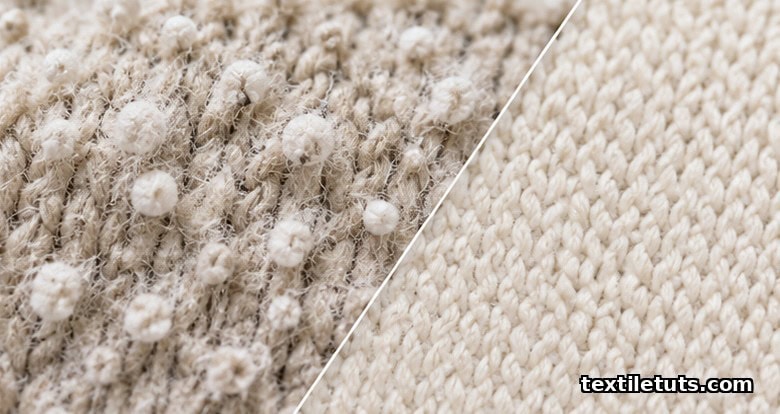
Anti-pilling finishes are chemical, enzymatic, or plasma treatments applied during fabric finishing that suppress pill formation by 1 to 2 grades on the ISO 12945-2 Martindale five-point scale, with the strongest polyester-cotton blends combining 4 to 8% DMDHEU resin crosslinking with cellulase biopolishing to cut pill counts by 60 to 80% after 7,000 abrasion cycles.
This guide covers what causes pilling, the chemistry and mechanics behind each finish type, the test methods engineers rely on, the trade-offs in hand feel, breathability, and tensile strength, and how to choose the right finish for knits, wovens, and technical textiles.
What Pilling Is and Why Finishes Help
Pilling is the formation of small, tangled fiber balls on a fabric surface after repeated abrasion during wear or washing. The standard model describes four stages: surface fiber fuzz develops, fibers migrate, fibers entangle, and pills either anchor into the yarn structure or break off. Pills form fastest on blends of strong and weak fibers: the strong fibers (commonly polyester) hold the pill onto the surface while the weak fibers (cotton, wool, or rayon) provide the entanglement.
Pure cotton pilling is rare because cotton fibers are short and weak, so pills shed before they become visible. Pure polyester pilling is rare because polyester fibers are long and smooth, but polyester-rich blends pill heavily. Anti-pilling finishes intervene at three stages: they bind loose surface fibers into the yarn structure, weaken protruding fibers so they break off before forming pills, or smooth the fiber surface to reduce fuzz in the first place.
Types of Anti-Pilling Finishes
The textile industry uses four families of anti-pilling finishes. Each addresses a different stage of pill formation, and most commercial treatments combine two of them.
1. Resin Crosslinking Finishes
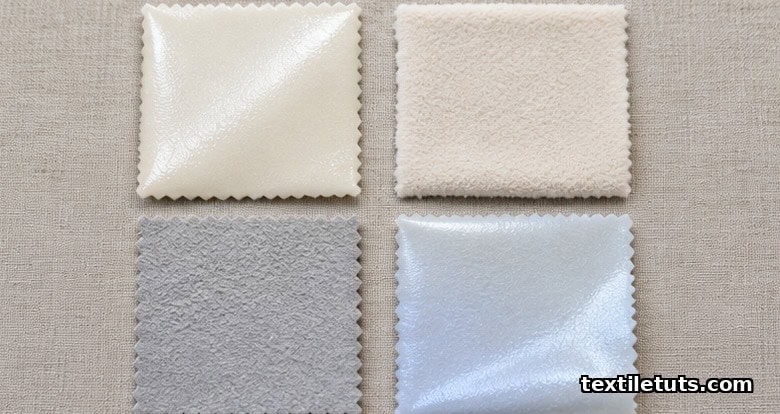
Resin finishes use N-methylol or low-formaldehyde crosslinkers such as DMDHEU (dimethyloldihydroxyethyleneurea) at 4 to 8% wet pickup, applied by pad-dry-cure. The resin forms covalent bridges between cellulose chains and the fiber surface, anchoring fuzz fibers into the yarn. Resin finishes typically improve pilling grade by 1.0 to 1.5 points on ISO 12945-2. The trade-off is a 10 to 20% drop in tensile strength and a stiffer hand, which is why most recipes include a softener at 1 to 3%.
2. Cellulase Biopolishing
Biopolishing uses cellulase enzymes to hydrolyze protruding cellulose fibers on cotton, linen, and lyocell surfaces. Treatment runs at pH 4.5 to 5.5, 45 to 55°C, for 30 to 90 minutes, with 0.5 to 2.0% enzyme on weight of fabric. The enzymes cleave beta-1,4-glycosidic bonds in surface microfibrils, leaving a smoother yarn surface with fewer fiber ends. Biopolishing improves pilling grade by 0.5 to 1.5 points and adds a softer hand. It is the standard finish for lyocell and modal knits because the high crystallinity of these fibers makes them pill heavily without enzyme treatment.
3. Atmospheric Plasma Treatment
Plasma treatment exposes fabric to ionized gas at low pressure or atmospheric conditions, which etches the fiber surface and deposits polar functional groups. Treatment times are short (30 to 180 seconds), and the finish is solvent-free, which makes it attractive for sustainable processing. Plasma improves pilling grade by 0.5 to 1.0 point on polyester-cotton blends and increases surface dye uptake by 10 to 20% as a side benefit. The main limit is equipment cost, since industrial-scale atmospheric plasma lines remain rare outside research centers.
4. Polymer Surface Coatings
Polymer coatings apply a thin (50 to 200 nm) film of silicone, polyurethane, or acrylic latex to the fabric surface. The film glues surface fibers down without penetrating the yarn. Polymer coatings are common in technical textiles and performance knits where pilling must be suppressed without compromising moisture transport. Pilling grade improvements of 1.5 to 2.0 points are typical, but air permeability can drop by 15 to 30%, depending on film thickness.
How Finishes Are Applied on Production Lines
Most anti-pilling finishes are applied during wet processing, between scouring and dyeing, or as a final finishing step. The three main application methods are:
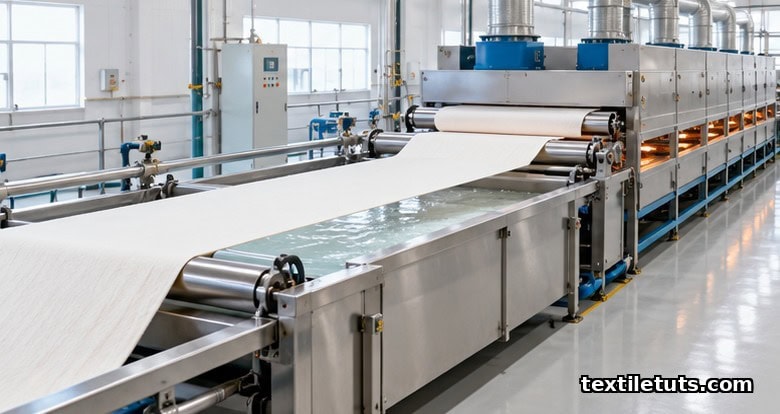
- Padding: Fabric passes through a finish bath and squeeze rolls, with 60 to 90% wet pickup, then dries and cures at 150 to 180°C. Most resin finishes use this method.
- Exhaust: Fabric circulates in a finish bath at liquor ratio 1:8 to 1:12 for 30 to 60 minutes, then rinses and dries. Biopolishing enzymes use exhaust application because they need controlled time, temperature, and pH.
- Spray or foam: Finish is sprayed or foamed onto one or both fabric faces. Common for polymer coatings and silicone softeners, especially on knit fabrics.
Curing temperatures matter. DMDHEU needs 150 to 170°C for 2 to 3 minutes to fully crosslink. Under-cured resin washes out within five launderings, while over-cured resin causes yellowing and excessive strength loss. Process control of ±5°C on the curing stenter is the difference between a Grade 3 and a Grade 4 finish on ISO 12945-2.
Standard Pilling Test Methods
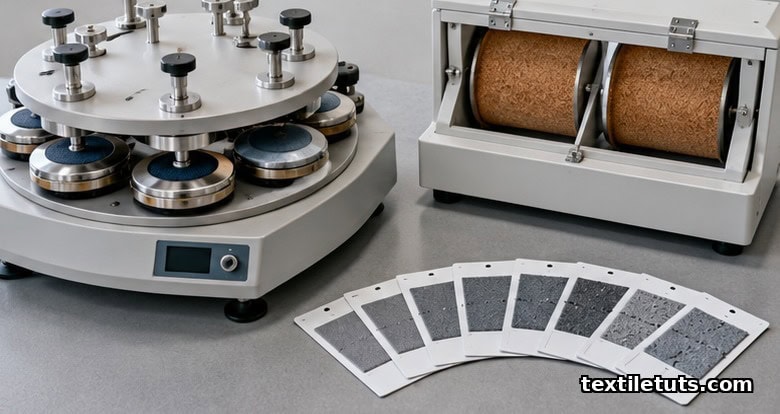
Engineers use four main test methods to grade pilling. Each exposes fabric to controlled abrasion and assigns a visual grade on a 1 to 5 scale, where 5 means no pilling and 1 means severe pilling.
| Standard | Method | Abrasion cycles | Best for |
|---|---|---|---|
| ISO 12945-1:2020 | ICI Pilling Box | 5 / 10 / 15 h | Woven and knit apparel |
| ISO 12945-2:2020 | Martindale (modified) | 125 to 7,000 | Knits and blends |
| ISO 12945-3:2014 | Random Tumble | 30 min | Loose-knit apparel |
| ASTM D4970 | Martindale Pilling | 50 / 100 / 250 | Knit fabrics |
| AATCC TM 124 | Smoothness appearance | 5 wash cycles | Woven and knit after home laundering |
The Martindale (ISO 12945-2) is the most common standard for knitted fabrics because its figure-of-eight rubbing action matches the multidirectional abrasion of body movement. The ICI Pilling Box (ISO 12945-1) tumbles fabric against cork linings and is preferred for woven suiting and heavier knits. Visual grading uses the photographic reference standards from ISO 12945-4.
How Anti-Pilling Finishes Affect Other Fabric Properties
Anti-pilling finishes do not work in isolation. They change hand feel, strength, breathability, and dye behavior, so the choice of finish is a trade-off rather than a free upgrade.
- Tensile strength: Resin crosslinking reduces cotton tensile strength by 10 to 20%. Biopolishing reduces fabric weight by 3 to 6%, with proportional strength loss on loose weaves.
- Hand feel: Resins stiffen fabric, biopolishing softens it, and polymer coatings add surface slickness. Silicone microemulsion softeners at 1 to 3% usually restore hand after resin treatment.
- Breathability: Polymer coatings reduce air permeability by 15 to 30%. Resins have a smaller effect (5 to 10%) because they cure inside the fiber. Biopolishing has no measurable effect on breathability.
- Dye fastness: Resins can shift shade by 5 to 10% on reactive-dyed cotton and may yellow after high-temperature curing. Plasma treatments deepen shade by 10 to 20% because polar groups on the modified surface bind more dye.
Choosing an Anti-Pilling Finish by Fabric Type
Match the finish to the fiber blend and end use.
| Fabric | Recommended finish | Typical ISO 12945-2 grade |
|---|---|---|
| 100% cotton knit | Cellulase biopolishing only | 4 to 5 |
| Polyester-cotton (65/35) woven | Resin + biopolishing + silicone softener | 4 |
| Polyester-cotton knit | Resin at 4 to 6% + silicone softener | 3 to 4 |
| Lyocell or modal knit | Strong cellulase biopolishing | 4 to 5 |
| Wool blend suiting | Resin + plasma + oxidative shrink-resist | 4 |
| Performance knit (sportswear) | Polymer coating on face only | 5 |
Grade 4 on ISO 12945-2 after 7,000 cycles is the practical ceiling for most apparel. Higher grades require heavy resin levels that hurt wear comfort.
Environmental and Worker Safety Notes
Conventional DMDHEU resin releases small amounts of formaldehyde during curing and storage. Modern low-formaldehyde or formaldehyde-free resins (such as DMeDHEU or polycarboxylic acid systems based on BTCA, 1,2,3,4-butanetetracarboxylic acid) cut emissions below 75 ppm under ISO 14184-1, the limit for infant clothing under OEKO-TEX Standard 100 Class I.
Cellulase enzymes are biodegradable and pose no effluent toxicity beyond standard biological oxygen demand load. Plasma treatments eliminate wet chemistry altogether. Polymer coatings may contain silicone or fluorocarbon chains that persist in effluent and require removal before discharge.
Frequently Asked Questions
How long does an anti-pilling finish last?
A correctly cured resin finish survives 30 to 50 home laundering cycles before pilling grade drops by 1 point. Biopolishing is permanent because the fiber ends it removes do not grow back. Plasma finishes remain stable for 10 to 20 laundering cycles before the modified surface layer wears through.
Can I apply an anti-pilling finish at home?
No meaningful home treatment exists. Commercial finishes need controlled pH (4.5 to 5.5 for cellulase), temperature within ±5°C, and dwell time of 30 to 90 minutes. Fabric softeners marketed as anti-pilling only coat fibers with a thin lubricant film that washes out in 3 to 5 launderings and does not match a resin or enzyme finish.
Which finish is best for polyester-cotton uniforms?
A two-step pad application of 4 to 6% DMDHEU resin followed by 1 to 2% silicone microemulsion softener is the standard recipe for polyester-cotton uniform fabric. Most mills hit ISO 12945-2 grade 3.5 to 4 after 7,000 cycles with this sequence. Adding cellulase biopolishing before the resin step pushes some lots to grade 4.5.
Are anti-pilling finishes safe for baby clothes?
Yes, when the mill uses a low-formaldehyde or formaldehyde-free resin such as DMeDHEU or BTCA, and the cured fabric passes ISO 14184-1 at below 75 ppm formaldehyde. Look for OEKO-TEX Standard 100 Class I certification on the care label, the third-party guarantee that the fabric meets infant-wear limits on formaldehyde, pH, and heavy metals.
Why does my fabric pill even with an anti-pilling finish?
Four common causes: the resin was under-cured (less than 150°C stenter temperature), so it washes out within five launderings; biopolishing time was too short, leaving fiber ends that re-emerge after the first wash; the test method was too gentle (Martindale at 2,000 cycles instead of 7,000), and a tougher test would have shown pills; or the yarn was loosely spun (CV of count above 18%), so fibers migrate past the finish. Ask the mill for the cure temperature log and the full ISO 12945-2 report to diagnose.
References
- International Organization for Standardization. ISO 12945-1:2020 — Textiles — Determination of fabric propensity to surface fuzzing and to pilling — Part 1: ICI Pilling Box method. iso.org. Defines the cork-lined tumble test and the 1 to 5 grading scale.
- International Organization for Standardization. ISO 12945-2:2020 — Textiles — Determination of fabric propensity to surface fuzzing and to pilling — Part 2: Modified Martindale method. iso.org. Specifies the figure-of-eight Martindale abrasion used for knit and blend grading.
- International Organization for Standardization. ISO 12945-4:2020 — Textiles — Determination of fabric propensity to surface fuzzing and to pilling — Part 4: Visual assessment. iso.org. Defines the photographic reference standards used by grading panels.
- ASTM International. ASTM D4970 — Standard Test Method for Pilling Resistance and Other Related Surface Changes of Textiles (Martindale). astm.org. North American counterpart to ISO 12945-2 with shorter cycle options.
- American Association of Textile Chemists and Colorists. AATCC TM 124 — Smoothness Appearance of Fabrics After Repeated Home Laundering. aatcc.org. Five-cycle wash-and-wear test that grades pilling alongside smoothness.
- ResearchGate. Effect of cellulase biopolishing on pilling resistance of cotton and cotton-blend knitted fabrics. researchgate.net. Peer-reviewed study quantifying pill-count reduction after enzymatic treatment.
- MDPI. Atmospheric Plasma Treatment for Improved Pilling Resistance of Polyester-Cotton Blends. mdpi.com. Peer-reviewed paper on the surface-etch mechanism and 0.5 to 1.0 grade improvement.
Editorial by Shahrukh Islam, TextileTuts. Sources: ISO 12945-1/2/4:2020, ASTM D4970, AATCC TM 124, and the cited ResearchGate and MDPI studies as cited.


