
What is tear strength?

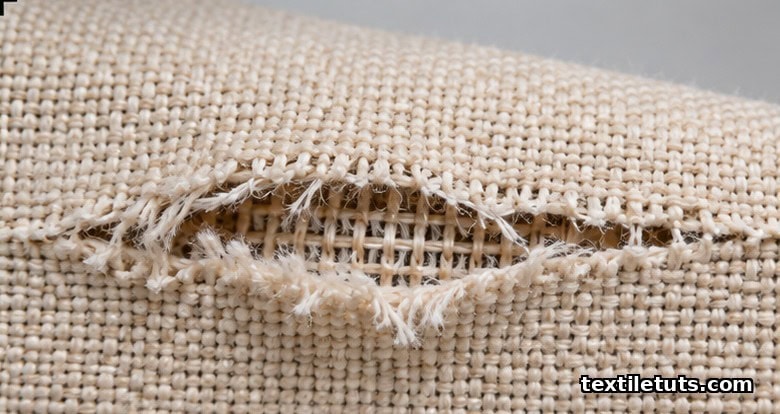
Tear strength is the force required to propagate a tear through a fabric. It is distinct from tensile strength (which measures the force to break a fabric by pulling from both ends in an uncut state). Tear strength matters because in real use, fabrics are often subjected to small cuts or snags (from sharp objects, fingernails, jewelry) that can propagate into large tears if the fabric has low tear strength. A high-tensile-strength fabric with low tear strength can fail catastrophically from a small cut; a high-tear-strength fabric resists tear propagation and is more durable in use.
Tear strength is measured in Newtons (N) and is typically reported separately for warp and weft directions. The most common test methods are the Elmendorf method (pendulum) and the tongue method (single rip). Both methods measure the force required to propagate an existing tear through a defined length of fabric.
Why tear strength matters
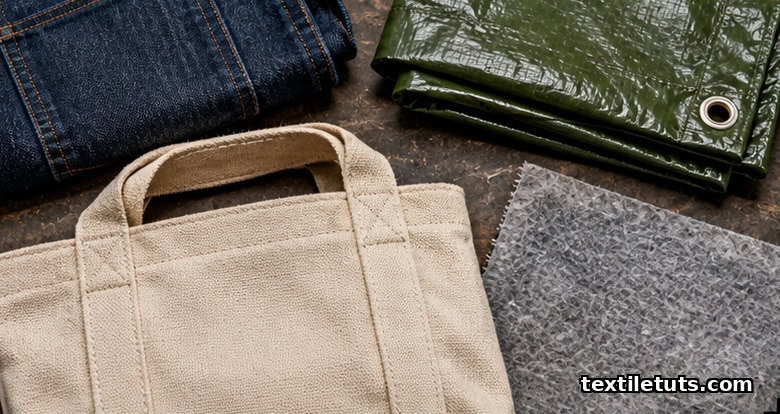
Tear strength is the single best predictor of in-use durability for fabrics that are subjected to snags and small cuts. Apparel (especially outerwear, workwear, and children’s wear), technical textiles (tarpaulins, geotextiles, conveyor belts), and home textiles (curtains, upholstery) all benefit from high tear strength. The opposite, low tear strength, is a common cause of premature failure: a small snag becomes a long tear after a single wash cycle, and the garment is unwearable.
Tear strength is particularly important for fabrics with long floats (satin weave, certain knit structures) where the yarn can be caught and pulled to create a long run. Long floats are weak points for tear strength; the same yarn in a plain weave gives much higher tear strength.
How tear strength is measured
Elmendorf method (ISO 13937-1, ASTM D1424)
The Elmendorf method uses a pendulum to tear a pre-cut specimen. The specimen is a rectangle (typically 100 mm × 75 mm) with a pre-cut slit in the center. The pendulum is released, and the energy required to propagate the tear through a defined distance is measured. The result is reported as the average tearing force in N.
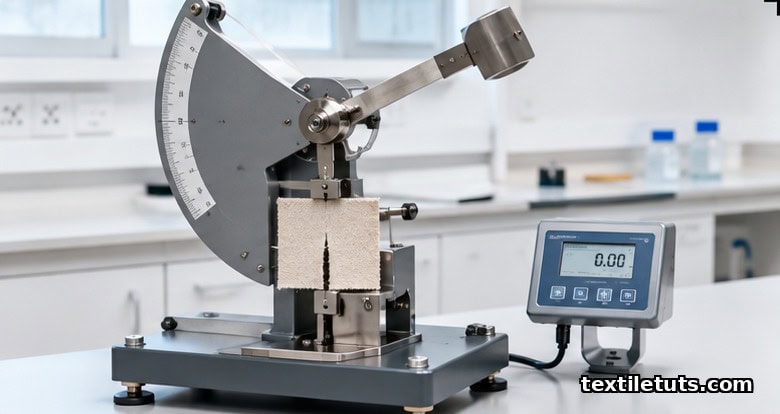
The Elmendorf method is fast (a single test takes a few seconds), uses a small specimen, and is well-suited to quality control. It is the standard method for most apparel and home textile specifications. The main limitation is that the test is unidirectional (the tear is propagated in a single direction), so the warp and weft tears are tested separately on different specimens.
Tongue method (ISO 13937-2, ASTM D2261)
The tongue method uses a rectangular specimen (typically 200 mm × 75 mm) with a slit in the center of one short edge. The specimen is mounted in the UTM jaws with the slit between the two jaws; as the UTM pulls, the slit is torn open in the middle of the specimen. The result is a force-elongation curve; the peak force (or the average force over the tear length) is reported as the tear strength.
The tongue method is more versatile than the Elmendorf method, it can measure tear strength in any direction, can capture the full force profile during the tear, and can be used on heavier or more rigid fabrics. It is the preferred method for technical textiles and for research applications where the tear profile is of interest.
Trouser method (ISO 13937-3, ASTM D2262)
The trouser method uses a rectangular specimen (typically 200 mm × 50 mm) with a slit in one end. Each “leg” of the trouser is gripped in a UTM jaw, and the UTM pulls the legs apart to propagate the tear along the length. The result is similar to the tongue method but the specimen geometry is different.
Which method to use
For apparel and home textiles, the Elmendorf method (ISO 13937-1 or ASTM D1424) is the standard. For technical textiles, the tongue method (ISO 13937-2 or ASTM D2261) is preferred because it can capture the full tear profile. Buyer specifications should always name the test method explicitly to avoid ambiguity.
Factors that affect tear strength
Tear strength is determined by the combination of fiber, yarn, fabric, and finish factors. The main factors are:
- Yarn strength, stronger yarns give stronger tear strength, but the relationship is not direct. A very strong yarn can give a fabric with low tear strength if the yarn is held too loosely in the fabric (allowing the tear to slip through the weave).
- Yarn count, finer yarns typically give lower tear strength (less load-bearing material per cross-section). Thicker yarns give higher tear strength.
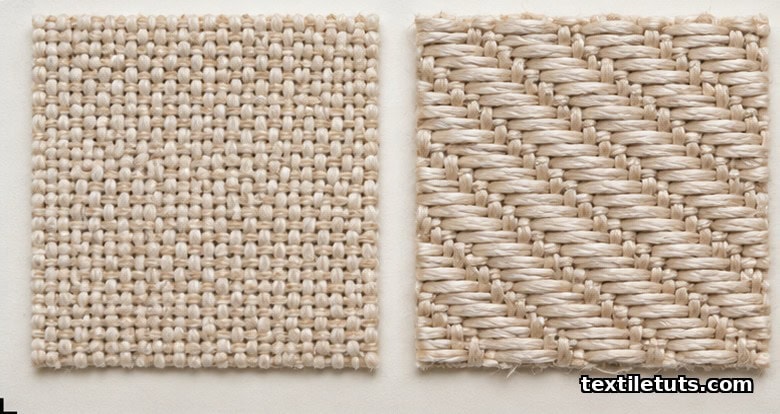
- Yarn mobility, this is the most important factor for tear strength. A yarn that is held tightly in the fabric (high crimp, high twist) cannot move to absorb the stress of a propagating tear, so the stress concentrates and the tear advances quickly. A yarn that is held loosely (low crimp, low twist) can move and align with the stress, slowing the tear. Loose-yarn fabrics have higher tear strength than tight-yarn fabrics of the same yarn count and density.
- Fabric density, the relationship is non-monotonic. At low density, the yarns are too loose and the fabric is weak. At very high density, the yarns are too tight and the fabric is also weak. The optimum density for tear strength is medium-high, where the yarns are tight enough to support load but loose enough to move under stress.
- Fabric construction, woven fabrics with short floats (plain weave) have higher tear strength than fabrics with long floats (satin, sateen). Knit fabrics generally have lower tear strength than woven fabrics because the loops can pull apart more easily.
- Finish, some finishes (especially chemical finishes like easy-care resin) reduce tear strength. The strength loss can be 10-30% depending on the finish and the resin add-on. Softener finishes generally have minimal effect on tear strength.
Tear strength vs. tensile strength
Tear strength and tensile strength are related but not identical. A fabric can have:
- High tensile, high tear, strong, durable fabric suitable for heavy-duty end uses. Example: heavy denim, technical textiles.
- High tensile, low tear, strong when pulled from both ends in an uncut state, but easily torn once a cut is started. Example: tightly woven high-count fabrics, especially with long floats (satin, glass fabric).
- Low tensile, high tear, weak in pure tension, but resistant to tear propagation. Example: loosely woven canvas, some knits with high yarn mobility.
- Low tensile, low tear, weak, unsuitable for most end uses. Avoid.
Most apparel specifications require both minimum tensile and minimum tear strength. A typical mid-market cotton shirting might require 200 N warp tensile and 15 N tear, both numbers matter, and the fabric must meet both.
Frequently Asked Questions
Is tear strength more important than tensile strength?
Depends on the end use. For apparel, both are important, tensile strength predicts failure under body movement, tear strength predicts failure from snags and small cuts. For technical textiles (tarpaulins, geotextiles), tear strength is often more important because these fabrics are routinely subjected to small cuts and propagation is the dominant failure mode. For applications with no risk of cuts (filters, some geotextiles), tensile strength may be sufficient.
Why do satins have low tear strength?
Satin weaves have long warp floats (4-8 warp yarns before each weft interlace). The long floats are weak points for tear strength because the tear can travel along a single warp yarn for a long distance without crossing a weft yarn that would arrest the tear. The result is that satins are easily torn once a snag is started. This is one of the reasons satins are not used in workwear, even though they have other desirable properties (smooth surface, luster).
Does fabric finishing affect tear strength?
Yes. Most chemical finishes (easy-care resin, water-repellent, flame-retardant) reduce tear strength by 10-30%. The strength loss is roughly proportional to the amount of finish applied. Mechanical finishes (calendering, sanforizing) have less effect. The buyer specification should account for the finish, the spec usually gives the minimum tear strength for the finished fabric, not the unfinished (greige) fabric.
How does yarn count affect tear strength?
Finer yarns (lower tex) generally give lower tear strength, and thicker yarns (higher tex) give higher tear strength, all else being equal. The relationship is not perfectly linear because yarn mobility also depends on yarn count (finer yarns have more crimp and less mobility per unit mass).
Is there a minimum tear strength for apparel?
Buyer specifications vary, but typical minimums are: light apparel 8-12 N, medium apparel 15-25 N, heavy apparel 30-50 N, workwear and outerwear 50-100+ N. Below these ranges, the fabric is likely to fail prematurely in normal use.
References
- ISO 13937-1:2000, Textiles, Tear properties of fabrics, Part 1: Determination of tear force using ballistic pendulum method (Elmendorf). https://www.iso.org/standard/45376.html, primary international standard for Elmendorf tear strength.
- ISO 13937-2:2000, Textiles, Tear properties of fabrics, Part 2: Determination of tear force of trouser-shaped test specimens (Single tear method). https://www.iso.org/standard/45377.html
- ISO 13937-3:2000, Textiles, Tear properties of fabrics, Part 3: Determination of tear force of wing-shaped test specimens (Tongue tear method). https://www.iso.org/standard/45378.html
- ASTM D1424-21, Standard Test Method for Tearing Strength of Fabrics by Falling-Pendulum (Elmendorf) Apparatus. https://www.astm.org/d1424-21.html
This article is the working reference for tear strength testing. Editorial by Iftay Khairul Alam, TextileTuts. Sources: ISO 13937-1/2/3 (primary international standards), ASTM D1424 (US standard) as cited.


