
Sustainable Textiles: A Complete Guide

What are sustainable textiles?
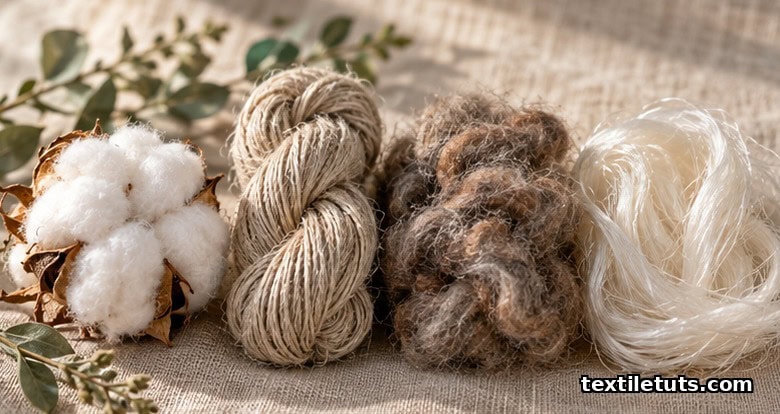
Sustainable textiles are fabrics, fibers, and finished products that have a reduced environmental and social impact across their lifecycle, from raw material cultivation or production through textile manufacturing, use, and end-of-life. The category covers a wide range of approaches: natural and recycled fibers, low-impact chemistry, water and energy efficiency, fair labor practices, and circular end-of-life. There is no single “sustainable textile”; sustainability is a multidimensional goal, and the most sustainable option depends on the specific application, the regional context, and the impact categories prioritized.
The global sustainable textile market is growing at 8-10% annually and is expected to reach roughly USD 80-100 billion by 2030. The growth is driven by consumer demand, brand commitments (the major brands have set 2025-2030 sustainability targets), regulatory pressure (EU ESPR textile strategy, US Uyghur Forced Labor Prevention Act, state-level extended producer responsibility laws), and industry awareness of the environmental and social costs of conventional textile production.
The environmental impact of conventional textiles
Conventional textile production has substantial environmental and social impacts. The major categories are:
- Water, cotton production is water-intensive (10,000+ liters per kg of fiber in some regions, though global average is closer to 2,500 liters per kg). Textile dyeing and finishing is also water-intensive, using 100-150 liters of water per kg of fabric in conventional processes. The textile industry is the second-largest industrial water user globally.
- Chemicals, conventional cotton uses 16% of global insecticides and 4% of pesticides, despite occupying 2.5% of agricultural land. Synthetic fiber production uses petroleum-based feedstocks and various process chemicals. Textile dyeing and finishing uses a wide range of dyes, auxiliaries, and finishing chemicals, some of which are persistent, bioaccumulative, or toxic.
- Energy, textile manufacturing is energy-intensive, especially for synthetic fiber production (PET, nylon) and for wet processing (dyeing, finishing). The textile industry accounts for roughly 4-6% of global industrial energy use.
- Greenhouse gas emissions, the textile industry accounts for 6-10% of global greenhouse gas emissions, mostly from fiber production (synthetic fibers from petroleum) and from end-of-life (incineration of textile waste).
- Waste, the textile industry generates substantial solid waste (pre-consumer manufacturing waste, post-consumer textile waste). Globally, an estimated 92 million tons of textile waste is generated per year, of which less than 15% is recycled.
- Microplastics, synthetic textiles shed microplastic fibers during use and washing, contributing to ocean plastic pollution. A single load of synthetic laundry can release hundreds of thousands of microplastic fibers.
- Labor, the textile industry has long been associated with labor issues, including low wages, unsafe working conditions, and forced labor. The 2020s have seen increased regulatory and consumer focus on supply chain transparency and labor rights.
Sustainable fiber options
Sustainable fiber options fall into three main categories: natural fibers with reduced impact, recycled fibers, and next-generation bio-based fibers.
Natural fibers with reduced impact
Conventional cotton is the dominant natural fiber but has high water and pesticide use. More sustainable alternatives include:
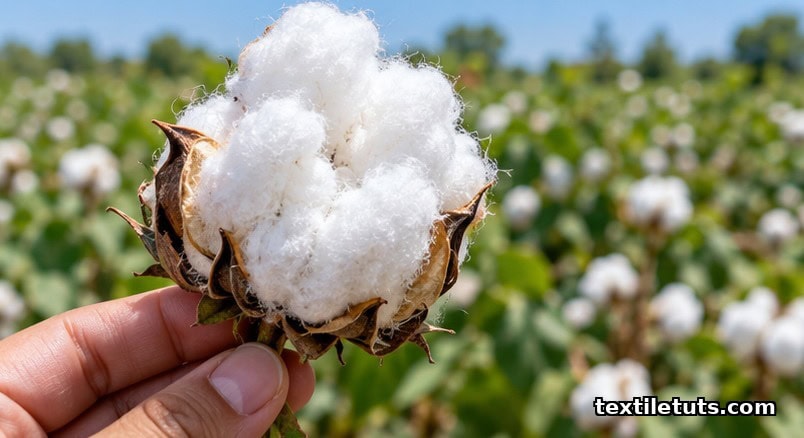
- Organic cotton, grown without synthetic pesticides or fertilizers, with mandatory certification (GOTS, OCS). Water use is similar to conventional cotton (the water depends on the region), but the chemical impact is much lower. Organic cotton is the largest single sustainable fiber by volume.
- Better Cotton Initiative (BCI) cotton, grown with reduced pesticide, water, and fertilizer use. BCI is not organic (synthetic inputs are allowed in limited amounts), but the impact is lower than conventional cotton. BCI accounts for roughly 20% of global cotton production.
- Recycled cotton, recovered from pre-consumer or post-consumer textile waste. The fiber is shorter than virgin cotton (due to mechanical recycling damage), so recycled cotton is typically blended with virgin cotton or other fibers.
- Hemp, flax, jute, ramie, bast fibers with similar properties to cotton but with much lower water and pesticide requirements. Hemp and flax are the most common sustainable bast fibers used in apparel and home textiles.
- Organic wool, produced under organic standards (no synthetic pesticides on sheep or pastures, ethical treatment). Organic wool is a small but growing market segment.
Recycled fibers
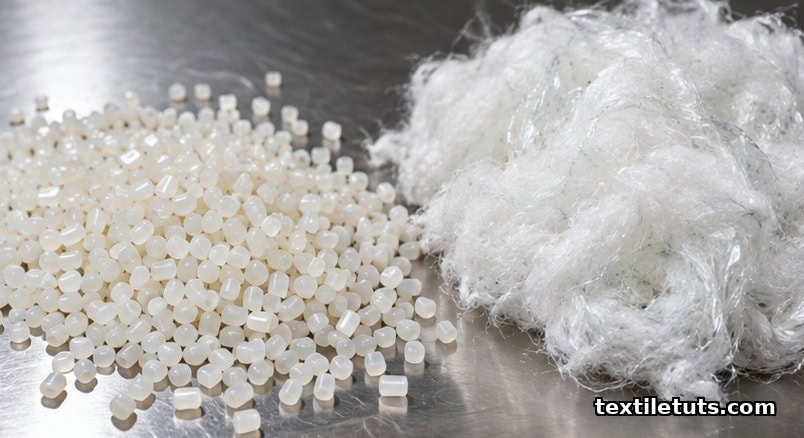
Recycled fibers (recycled cotton, recycled polyester, recycled wool, recycled nylon) avoid the environmental impact of virgin fiber production. The trade-off is the recycling process itself (mechanical recycling tears fibers, chemical recycling is energy-intensive) and the limited number of recycling cycles before fiber quality degrades.
Recycled polyester (rPET) from post-consumer bottles is the largest single recycled fiber by volume. The fiber has the same properties as virgin polyester but with 30-60% lower greenhouse gas emissions and 30-50% lower energy use. rPET is widely used in apparel, carpets, and home textiles.
Next-generation bio-based fibers
Several bio-based fibers from non-traditional sources are in development or early commercialization:
- Lyocell (Tencel) – a regenerated cellulose fiber made from wood pulp in a closed-loop solvent process. Lyocell has the hand and drape of silk with the comfort of cotton, and the production process recycles >99% of the solvent. The dominant producer is Lenzing (Austria).
- Modal, another regenerated cellulose fiber, similar to viscose but with higher strength and lower environmental impact. Also produced by Lenzing.
- Piña (pineapple leaf fiber) – a traditional leaf fiber from the Philippines, hand-extracted from pineapple leaves. Production is small but growing as a sustainable alternative to leather and other plant fibers.
- Banana fiber, hemp fiber, bamboo fiber (mechanical process) – various plant-based fibers with sustainability advantages over conventional cotton, though processing methods vary in environmental impact.
- Mycelium (mushroom) leather, grown from fungal mycelium in a fermentation process. Commercial products include Mylo (Bolt Threads) and Reishi (MycoWorks). The fiber is biodegradable and has leather-like properties.
- Orange fiber (from citrus juice byproducts) – an Italian innovation extracting cellulose from orange peels. Used in fashion applications as a leather alternative.
- Lab-grown leather and silk, cellular agriculture approaches that grow leather and silk from animal cells without raising animals. Commercial scale is still years away but the technology is promising.
Sustainable processing
Beyond fibers, sustainable textile production includes processing improvements: low-impact chemistry, water and energy efficiency, and circular manufacturing.
Low-impact chemistry
Conventional textile chemistry includes dyes and auxiliaries that are persistent, bioaccumulative, or toxic. The ZDHC (Zero Discharge of Hazardous Chemicals) program has defined a list of restricted substances and a roadmap for the industry to eliminate them. Brands and mills that are ZDHC-compliant can use this as evidence of chemical safety.
Low-impact chemistry alternatives include: natural dyes (plant-based, mineral-based) with low toxicity, though often with lower color fastness than synthetic dyes; water-based dyes and finishes instead of solvent-based; fluorine-free water repellents; and heavy-metal-free colorants. Each alternative has trade-offs in performance or cost, but the trend is toward widespread adoption as the alternatives improve.
Water and energy efficiency
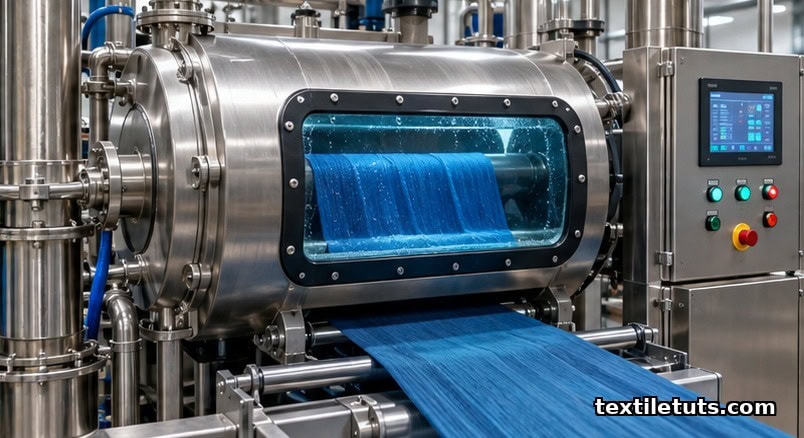
Water and energy are the two largest operating costs in textile wet processing. The most efficient modern mills use 20-40 liters of water per kg of fabric (vs. 100-150 liters in conventional mills) and 30-50% less energy. The technologies include:
- Counter-current washing (rinse water flows opposite to fabric direction, so the cleanest water meets the cleanest fabric)
- Low-liquor-ratio dyeing machines (less water in the dye bath, less water to heat and dispose of)
- Heat recovery from waste water (the hot dye bath water can pre-heat the incoming rinse water)
- Renewable energy (solar, wind) for the mill’s electricity and process heat
- Process optimization (right-first-time dyeing, automated dosing, real-time monitoring) to reduce re-dyeing and re-processing
Circular manufacturing
Circular manufacturing aims to eliminate waste by keeping materials in use for as long as possible. The approaches include:
- Pre-consumer waste recovery, cutting waste, yarn waste, and overstock fabric are returned to fiber production (mechanical recycling) or re-used directly in the same mill
- Post-consumer textile-to-textile recycling, old garments are collected, sorted by fiber, and recycled into new fiber (mechanical or chemical)
- Closed-loop chemistry, solvent and water are recovered and re-used in the same process, minimizing waste and emissions
- Design for disassembly, garments are designed so they can be easily taken apart at end-of-life, with the fabric, thread, buttons, and other components separated for recycling
Certification schemes
Multiple certification schemes verify sustainability claims. The major schemes are:
- GOTS (Global Organic Textile Standard) – covers organic fiber, processing, and labeling. The most comprehensive standard for organic textiles.
- OCS (Organic Content Standard) – verifies the organic content of a product, but does not cover processing.
- GRS (Global Recycled Standard) – covers recycled content and chain of custody.
- RCS (Recycled Claim Standard) – verifies recycled content only, no social/environmental add-ons.
- BCS (Better Cotton Standard) – covers BCI cotton specifically.
- OEKO-TEX Standard 100, tests for harmful substances in the finished textile.
- ZDHC (Zero Discharge of Hazardous Chemicals) – covers chemical management in textile processing.
- Fair Trade Certified, covers labor standards in textile production.
- B Corp, covers overall company social and environmental performance.
- Cradle to Cradle Certified, covers material health, material reutilization, renewable energy, water stewardship, and social fairness.
Each scheme has its own criteria and verification process. Brands typically use multiple certifications to cover different aspects of sustainability (fiber, processing, labor, chemicals).
Frequently Asked Questions
What is the most sustainable fiber?
There is no single “most sustainable” fiber. The answer depends on which impact categories matter most, the specific application, and the regional context. For apparel, organic cotton, recycled polyester, and lyocell are commonly cited as among the most sustainable options, but each has trade-offs. Organic cotton uses less water and no synthetic pesticides but still requires significant land. Recycled polyester avoids virgin petroleum but contributes to microplastic pollution. Lyocell is a closed-loop process but uses wood pulp (which is renewable but not without environmental impact). The most sustainable option for a given application should be determined by a life-cycle assessment (LCA) specific to that application.
Is bamboo fabric sustainable?
Depends on the processing method. Bamboo mechanically processed (bamboo linen) is similar to other bast fibers in environmental impact: low water and pesticide use, but the mechanical processing is energy-intensive. Bamboo chemically processed (bamboo viscose or bamboo rayon) uses the same chemical-intensive process as conventional viscose (carbon disulfide, sodium hydroxide), which is environmentally damaging. So “bamboo fabric” without further specification is ambiguous; the sustainability depends on the specific process used.
How can consumers identify sustainable textiles?
Consumers can look for recognized certification labels (GOTS, OCS, GRS, OEKO-TEX, Fair Trade) and check the brand’s published sustainability report for specific commitments and progress. The brand’s own claims should be backed by third-party verification, not just internal statements. Major brands now publish detailed sustainability information on their websites, including fiber sourcing, processing standards, and labor practices.
What is the future of sustainable textiles?
The future is in three areas: (1) closed-loop recycling (textile-to-textile, bottle-to-fiber, fiber-to-fiber) at industrial scale, (2) next-generation bio-based fibers (mycelium, lab-grown leather, agricultural waste fibers) that are biodegradable and have low environmental impact, (3) transparent supply chains enabled by blockchain and other traceability technologies. These advances are happening now, with significant investment from major brands and material science companies.
Are sustainable textiles more expensive?
Generally yes, by 20-100% depending on the fiber and process. Organic cotton costs 20-50% more than conventional; recycled polyester costs 10-30% more than virgin; lyocell costs 50-100% more than viscose. The premium reflects the higher cost of sustainable production (lower yields, certified processing, fair labor). As sustainable production scales and the cost gap narrows, the premium is expected to decrease.
References
- Sustainability Award (industry resource). The Ultimate Guide to Sustainable Fabrics. https://sustainabilityaward.org/what-are-the-most-and-least-sustainable-fabrics/ – practical industry resource on fiber sustainability comparison.
- Textile Exchange (2024). Material Change Insights Report. https://textileexchange.org, annual industry report on sustainable fiber adoption.
- ZDHC Foundation (2023). ZDHC Manufacturing Restricted Substances List (MRSL). https://www.zdhc.org, industry standard for chemical management in textile processing.
This article is the working reference for sustainable textiles. Editorial by Shahrukh Islam, TextileTuts. Sources: Sustainability Award industry guide, Textile Exchange Material Change report, ZDHC MRSL as cited.


