
Sourcing Strategies for Global Apparel Brands

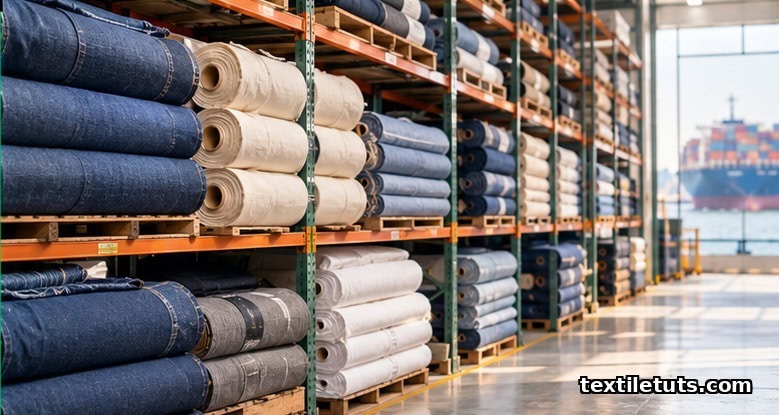
Global apparel brands concentrate roughly 70% of garment sourcing volume in five countries (China, Bangladesh, Vietnam, India, and Turkey), and Bangladesh alone exported USD 46.7 billion of apparel in 2022 according to ITC Trade Map data for HS Chapters 61 and 62.
This concentration cuts unit cost but creates single-point failures, which is why procurement teams at Inditex, H&M, Patagonia, and PVH now blend three-to-five country portfolios and rebuild supplier rosters on roughly a 24-month cycle.
Below is the operational playbook: how the top hubs compare on cost, lead time, and MOQ, which sourcing model fits which product, and the certifications (ISO 14001, OEKO-TEX, GOTS, SA8000) that procurement and compliance teams actually check during a vendor audit.
Why Sourcing Strategy Matters for Apparel Brands
Apparel is the most labor-intensive tradeable manufacturing sector left in the world. A woven shirt passes through 30–50 process steps from yarn to packed carton, and most of those steps still require human handling, which is why labor-cost differentials between Dhaka and Hanoi (USD 100–180 per month in 2023, per ILO Global Wage Report 2022/23) still drive roughly 80% of the country-allocation decision for basic woven product.
Cost is no longer the only axis, though. Since the 2020 pandemic and the 2022 enforcement wave of the Uyghur Forced Labor Prevention Act (UFLPA) in the United States, brands have moved compliance, lead-time resilience, and ESG disclosure into the same decision matrix that historically only contained FOB price. Publicly disclosed sourcing policies at H&M, Inditex, and PVH now cap any single country at 35–45% of total apparel volume and require a multi-tier split across low-cost primary, mid-cost seasonal, and nearshore small-batch hubs.
The Top Apparel Sourcing Hubs in 2022–2024
ITC Trade Map and World Bank WITS data consistently place the same five countries at the top of the apparel export table, but each hub has a structural specialty.
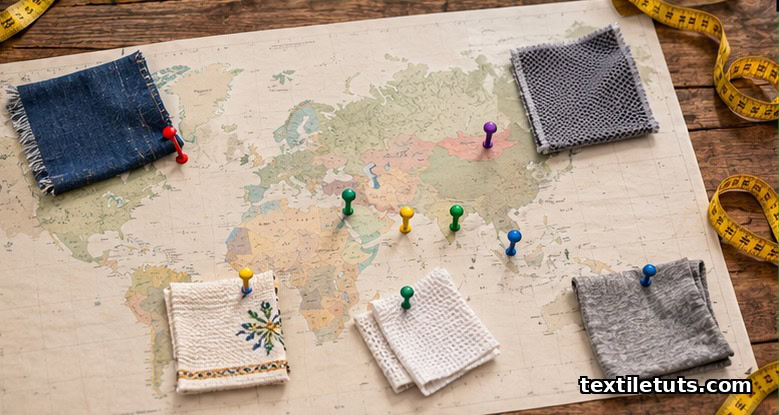
| Country | 2022 Apparel Exports (USD bn) | Core Strength | Typical Lead Time |
|---|---|---|---|
| China | ~173 | Full-package capacity, technical fabrics, vertical integration | 45–75 days |
| Bangladesh | ~46.7 | Basic woven and knit basics at the lowest FOB | 60–90 days |
| Vietnam | ~44 | Mid- to upper-mid knitwear, EU FTA access via EVFTA | 60–90 days |
| India | ~17 | Cotton basics, hand embroidery, MMR-2 woven | 75–110 days |
| Turkey | ~26 | Nearshoring into EU, denim, knit | 30–60 days |
Turkey is the most strategically interesting of the five for European brands. Its customs union with the EU removes duty on garments made from EU-origin fabric, and Izmir-to-Barcelona transit runs 4–6 days by sea, which compresses replenishment windows in a way that no Asian origin can match at comparable FOB.
Three Sourcing Models: FOB, CMT, and ODM
Sourcing contracts are usually signed in one of three legal structures, and the choice changes how the brand controls fabric, lead time, and quality risk.
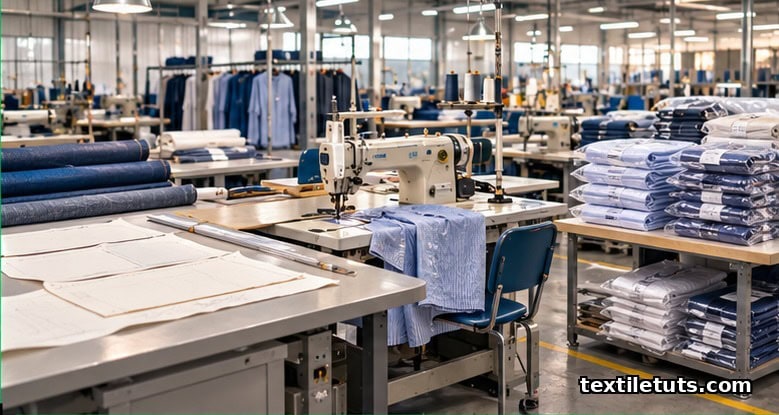
FOB (Free on Board): the factory supplies fabric, trims, and labor; the brand pays an all-in FOB price per garment. This is the dominant structure for woven basics sourced from Bangladesh and Vietnam, and it concentrates 70–80% of the unit-cost control in the factory’s hands. The brand’s main lever is volume commitment and timely tech-pack release.
CMT (Cut, Make, Trim): the brand supplies the cut fabric and trims, and the factory only adds labor and overhead. This structure is preferred when the fabric is technically sensitive (Lycra blends, technical membranes) or when the brand wants to control yarn-to-fabric lead time independently of cut-and-sew capacity.
ODM (Original Design Manufacturer): the supplier contributes design and sometimes fabric development, and the brand only labels and sells. ODM dominates athleisure and private-label fast fashion, and it transfers roughly 30–50% of design overhead to the supplier.
Compliance Certifications Brands Actually Audit
Compliance scoring has shifted from a checklist of letters to a graded risk model. The four certifications that survive a serious vendor onboarding at most publicly listed brands today are:
- ISO 14001: environmental management system, audited by accredited bodies such as SGS, TÜV, or Bureau Veritas (ISO, 2015).
- OEKO-TEX Standard 100: tests finished fabrics for regulated and known harmful substances at limit values published annually by the OEKO-TEX Association.
- GOTS (Global Organic Textile Standard): requires at least 70% certified organic fiber and full-chain traceability from field to finished good (GOTS, 2024).
- SA8000: social accountability standard covering child labor, forced labor, working hours, and freedom of association (Social Accountability International, 2014).
The 2022 enforcement of the UFLPA in the United States added a fifth, legally-binding layer: U.S. importers must now demonstrate that no inputs originated from the Xinjiang Uyghur Autonomous Region, which has effectively split the world’s cotton and viscose supply chains into “XUAR-free” and “unverified” lanes.
Lead Time, MOQ, and Inventory Risk
MOQ (minimum order quantity) is the second-most-frequent cause of new-product launch delays, after color fastness failures. The structural numbers across the five hubs are roughly:
- Bangladesh woven: 1,000–3,000 pcs per style per color
- Vietnam knit: 500–1,500 pcs per style per color
- Turkey woven: 300–800 pcs per style per color
- China technical knit: 500–2,000 pcs per style per color
- India woven: 500–1,500 pcs per style per color
These MOQs flow directly into the order-quantity decision and into overstock risk: a 30% sell-through miss on a 5,000-piece Bangladesh order is a USD 50,000+ write-down, while the same miss on a 500-piece Turkey run can usually be re-absorbed into European replenishment stock.
Nearshoring and Friend-Shoring
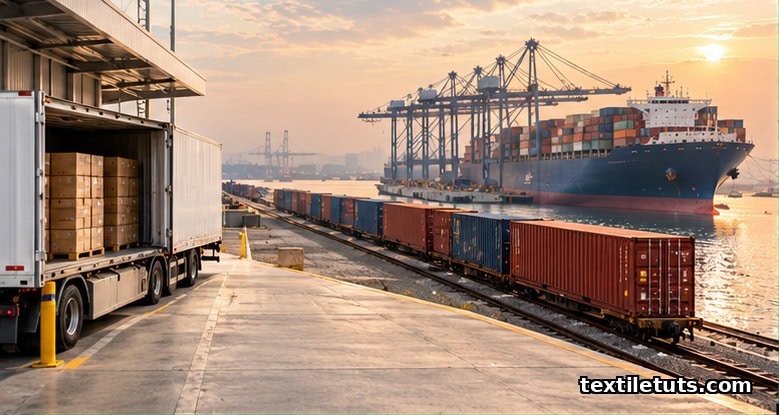
Nearshoring and friend-shoring moved from consulting decks to procurement policy between 2022 and 2024. Nearshoring (relocating production closer to the end market) is most active in Mexico for the US market (transit 3–5 days by truck into Laredo, Texas) and in Turkey and Morocco for the EU market. Friend-shoring (moving production to countries with shared trade and political alignment) has driven investment from Western brands into Vietnam and India, both of which signed major trade agreements with the EU (EVFTA, in force from August 2020) and are pursuing bilateral deals with the United States.
The Better Cotton Initiative (BCI) suspended most field operations between 2021 and 2023, leaving a partial vacuum that GOTS, the Fairtrade Cotton Standard, and the US Cotton Trust Protocol are now filling for sustainable-cotton sourcing at industrial scale.
Building a Multi-Source Strategy
Best-practice sourcing teams at publicly listed apparel brands now operate a three-tier country split: a primary low-cost hub for high-volume basics (Bangladesh or Vietnam), a secondary mid-cost hub for season replenishment and reorders (Turkey, India, or Egypt), and a tertiary nearshore or specialty hub for fast-response and small-batch runs (Mexico, Portugal, Tunisia, or domestic capacity). This split balances unit cost against lead time, MOQ risk, and compliance exposure, and it usually keeps no single country above 40% of total volume, which is the threshold most compliance teams treat as a concentration-risk flag.
The next ten years will add two more variables to the matrix: Scope 3 emissions disclosure under the EU Corporate Sustainability Reporting Directive (CSRD, in force from 2024 onward) and digital-product-passport traceability under the EU Ecodesign for Sustainable Products Regulation. Both will require suppliers to share verified mill-level data on energy, water, and chemistry, not just the final certification logos on the order sheet.
Frequently Asked Questions
What is the largest apparel sourcing country?
China remains the largest apparel exporter by value (USD 173 billion in 2022 per ITC Trade Map), but Bangladesh is the largest pure-play apparel exporter by volume and the destination most Western brands still choose for basic woven basics such as men’s woven shirts, denim, and basic T-shirts.
What is FOB in apparel sourcing?
FOB (Free on Board) means the supplier delivers the garment on board the nominated vessel at the port of export, and the price includes fabric, trims, labor, finishing, and inland transport to the port. FOB is the standard contract type for Bangladesh and Vietnam orders, and it concentrates 70–80% of cost control in the supplier’s hands.
Which certifications do apparel brands require from suppliers?
Most publicly listed brands now require four: ISO 14001 (environmental management), OEKO-TEX Standard 100 (chemical safety), GOTS or a recognized organic-fiber standard (organic cotton and traceability), and SA8000 or an equivalent social compliance audit. These are reviewed annually during vendor audits carried out by accredited bodies such as SGS, Bureau Veritas, or Intertek.
What is nearshoring in apparel?
Nearshoring is the relocation of production closer to the end market to reduce lead time and inventory risk. For the US market, this means Mexico and Central America; for the EU market, it means Turkey, Morocco, Portugal, and Tunisia. Transit times from these hubs run 3–7 days by truck or rail, against 25–35 days by sea from Asia.
How do brands reduce supplier concentration risk?
Publicly disclosed brand policies at H&M, Inditex, and PVH cap any single country at 35–45% of total apparel volume and run a three-tier sourcing split: a low-cost primary hub, a mid-cost seasonal hub, and a nearshore small-batch hub. This caps exposure to single-country political, climate, or compliance shocks while preserving unit-cost competitiveness on basics.
References
- International Trade Centre. Trade Map — Apparel Exports by Country, 2022. https://www.trademap.org — HS Chapter 61 and 62 export data used for the country rankings and values cited in this article.
- International Organization for Standardization. ISO 14001:2015 Environmental Management Systems. https://www.iso.org/standard/60857.html — the environmental management standard most apparel brand audits reference.
- OEKO-TEX Association. Standard 100 by OEKO-TEX — Limit Values and Individual Substances According to Annex 4/6. https://www.oeko-tex.com/en/our-standards/standard-100-by-oeko-tex — chemical-safety certification for finished fabrics.
- Global Organic Textile Standard International Working Group. GOTS Version 7.0 Implementation Manual. https://global-standard.org — the global benchmark for organic fiber processing and traceability.
- Social Accountability International. SA8000:2014 Standard. https://sa-intl.org/programs/sa8000/ — the social accountability standard covering child labor, forced labor, and working hours.
- International Labour Organization. Global Wage Report 2022/23. https://www.ilo.org/global-wage-report — wage benchmarks for apparel-manufacturing countries.
- European Union. EU-Vietnam Free Trade Agreement (EVFTA) Text of the Agreement. https://policy.trade.ec.europa.eu/eu-trade-relationships-country-and-region/countries-and-regions/vietnam/eu-vietnam-agreement — preferential duty access for Vietnam-origin apparel into the EU market.
This article is a working reference for apparel sourcing strategy. Editorial by Mohammad Yousuf (Anik), TextileTuts. Sources: ITC Trade Map 2022, ISO 14001:2015, OEKO-TEX Standard 100, GOTS v7.0, SA8000:2014, ILO Global Wage Report 2022/23, and the EU-Vietnam FTA text as cited above.


