
Can You Dye Tulle With Rit Dye

You might have tulle lying around and be pondering on the big question: Can you dye tulle with Rit Dye?
Yes, you absolutely can dye tulle with Rit Dye. Because tulle is generally made of nylon or polyester, it takes to the dye effectively. However, the color uptake can vary depending on the material, so often a stronger dye concentration is needed for synthetic materials like tulle.
Read on for a simple breakdown on how to dye tulle using Rit Dye, and some tips to get the best results.
Spilling the Color: What is Tulle?
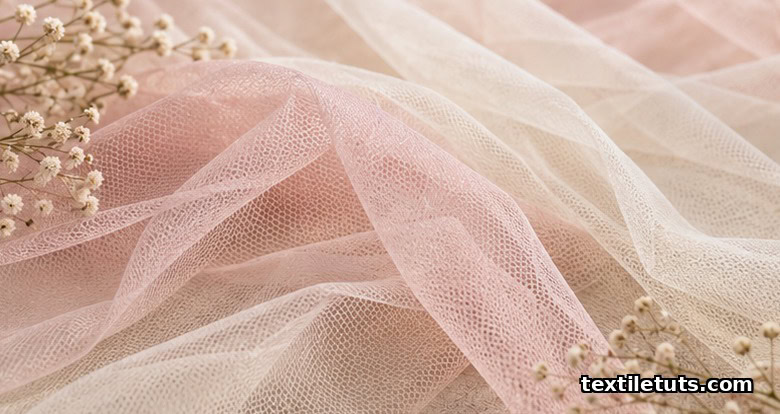
Tulle is a lightweight, very fine netting that often features in the creation of wedding gowns, costumes, and tutus. It’s closely associated with romance, grace, and fantasy due to its ethereal appearance and its widespread use in weddings and ballet productions.
Spilling the Color: What is Tulle?
Originally originating from Tulle, a town in central France, tulle got its name from the place that started its production. Tulle fabric is a mesh-like fabric that is made from various fibers including silk, nylon, and rayon. Tulle is typically starched to give it its signature stiffness and body. It’s semi-transparent, and usually comes in a wide array of colors.
The Fabric of Fantasy: Uses of Tulle
Tulle is utilized in a variety of ways. Its romantic and whimsical connotations make it the perfect material for wedding veils and gowns. It is also widely used in the creation of ballet costumes, specifically tutus. The stiffness of tulle allows the tutu to hold its shape, and its lightness allows for maximum movement. Besides these, tulle is used in party decorations, gift wrapping, and festive attires.
A Walkthrough: Different Types of Tulle
There are various types of tulle available, each differing according to the type of weave, type of materials used, and the finish. Some of the most common types of tulle include:
- English Net: Made from cotton, this type of tulle is incredibly soft and drapes well.
- Bobbinet: Mostly used in high quality wedding veils, this type of tulle has a hexagonal weave and a crisp finish..
- Silk Tulle: This is the most luxurious type of tulle. It’s extremely soft, lightweight, and has a beautiful drape.
- Nylon Tulle: This is the most affordable and popular type of tulle. It’s stiffer than the other types, making it perfect for tutus and decorative purposes.
While each type of tulle has its own unique properties, all types can generally be dyed using Rit Dye. Rit Dye is an all-purpose, liquid fabric dye that’s simple to use and widely available. It’s effective on a host of fabrics, including nylon and rayon which are typical components of tulle.
Dipped in Dreams: Welcome to the World of RIT dye
Welcome to the magical world of RIT dye. Color is the term given to our perception of light and RIT dye is a pot full of tints and shades ready to spill across a variety of surfaces. Whether it’s about brightening up your old clothes, filling your living room with vibrant hues, or experimenting with tulle, RIT dye brings limitless possibilities, colors, and enjoyment.
RIT Dye: The Rainbow in a Bottle
If Mona Lisa is the wonder in the world of painting, RIT dye is the marvel in the world of coloring. A bottle of RIT dye is essentially a bottle of rainbow, filled with colors that can recreate scenes straight from your dreams. This lovely dye is a special formulation that guarantees your fabric, plastic, or wood receives the perfect infusion of color it deserves.
Striking Shades: The RIT Dye Color Palette
The array of colors offered by RIT dye is a feast for creative eyes. From Aquamarine to Wine and everything in between, the hues are so varied and vivid that they could rival a spring garden in full bloom. Whether you want to dye tulle in subtle pastels or loud and proud pop shades, RIT has got you covered.
To give you an idea of RIT dye’s expansive color palette, here’s a short list of some of the most popular colors:
- Black
- Navy Blue
- Wine
- Chocolate
- Royal Blue
- Aquamarine
A Versatile Victor: Materials and RIT Dye Compatibility
Despite its versatility, not every fabric reacts to RIT dye in the same way. Some fabrics might take on a vibrant hue, while others might take a more muted tone. When it comes to tulle, a synthetic material, rest assured that RIT Dye is compatible. Tulle can be successfully dyed to your wanted shade with RIT dye, given the correct procedure is carefully followed.
You should respect the list below of the compatibility of RIT dye with various materials, correctly formulated through extensive experimentation:
| Material Type | Compatibility with RIT Dye |
|---|---|
| Cotton, Linen, and Rayon | High |
| Silk | Medium to High |
| Polyester and Nylon | Low to Medium |
| Tulle | Medium |
A Colorful Affair: Can Tulle be Dyed with RIT Dye?
Unleashing your color creativity has now become pretty straightforward. The answer to the question, “Can tulle be dyed with RIT dye?” is a strong ‘yes.’ The combination of the RIT dye’s versatility and the tulle’s absorbency results in beautifully dyed tulle fabric. Whether you’re adding color to your wedding decorations, stray pieces of scrap fabric, or old ballet tutus, RIT dye is an excellent option for restoring and revitalizing your tulle.
Color Catch: How Well Does Tulle Absorb RIT Dye?
The effectiveness of RIT dye on tulle primarily depends on the fabric composition. Tulle is typically made from nylon or polyester, both of which can be dyed effectively with RIT dye, though their absorbency levels may vary. Many crafters and DIY designers have successfully used RIT dye on tulle, indicating high absorbency. However, the results may not always be consistent due to factors such as temperature, dye concentration, and soaking time.
Bringing Color to Life: The Results of RIT-Dyed Tulle
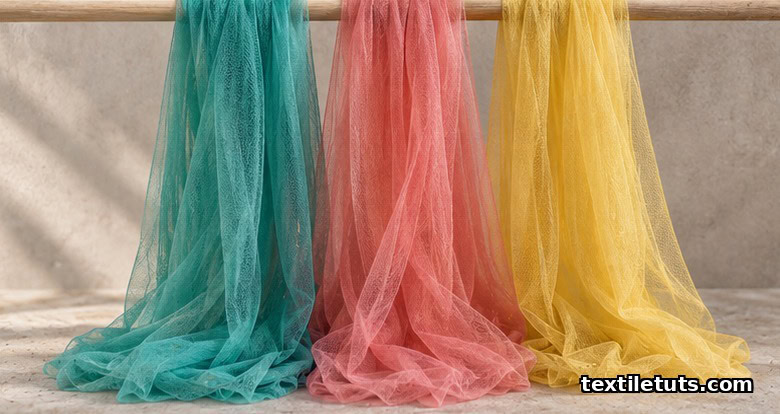
When it comes to dyeing tulle with RIT dye, the possibilities are endless. By following RIT’s color formulas, you can achieve any color you desire. From pastel pinks to shocking purples, all the colors are vivid and bright on tulle.
It’s important to note that the color outcomes of RIT-dyed tulle can vary based on a few factors. For instance, the color intensity will depend on how long you leave the tulle in the dye bath, the temperature of the water, and the concentration of the RIT dye. The fabric’s texture and weight can also influence the final color.
Getting the perfect color might involve some trial and error, so it can be useful to have some spare tulle handy for testing. Despite the color uncertainties, the results of RIT-dyed tulle are incredibly vibrant, making the effort worthwhile.
Expressions in Every Hue: A Step by Step Guide to Dyeing Tulle with RIT Dye
Tulle is a lightweight, very fine netting, most commonly used in veils, tutus and gowns. But why limit these creations to usual, boring colors when you can bring them to life with your own vibrantly dyed tulle? Don’t worry if dyeing sounds complicated. With this simple, step by step guide, you’ll soon be a pro at using RIT Dye on tulle.
Step One: Gathering Your Materials
The first step in any project is gathering all the materials you’ll need. In this case, these will of course include your tulle and RIT dye, but will also require a few other items found easily at home. Here’s a comprehensive list:
- RIT Dye (liquid or powder)
- Tulle (synthetic or silk, depending on preference)
- Large basin or bucket
- Rubber gloves
- Stir stick (a large wooden spoon works well)
- Mild detergent
Step Two: Preparing the Tulle and Dye Solution
Preparation before the actual dyeing process helps in achieving a more vibrant, evenly distributed color. Start by washing your tulle with a mild detergent to remove any dust or oil that might affect the dyeing process. Once your tulle is clean, it’s time to prepare your dye solution according to the instructions on your RIT Dye package. Different colors sometimes require different dye-water ratios.
Step Three: The Dyeing Process
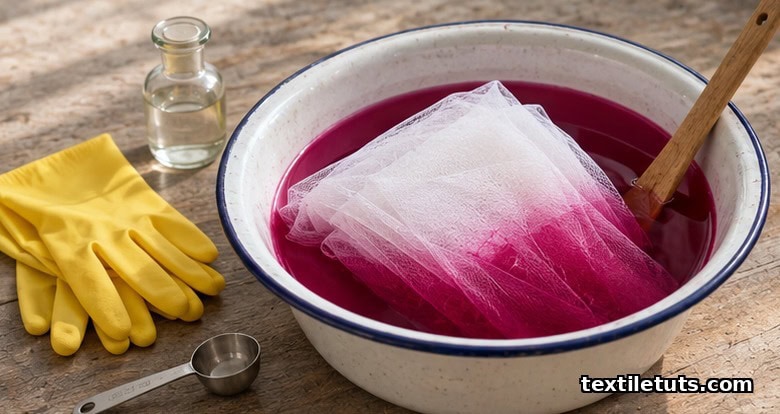
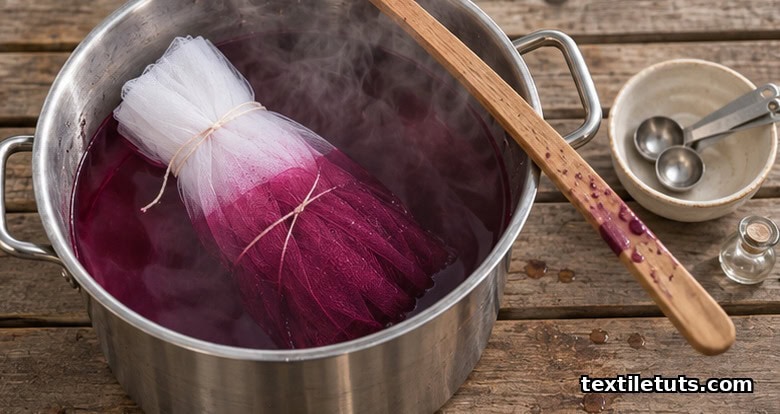
Now that your dye solution is prepared, it’s time for the fun part – dyeing the tulle. Make sure to put on your gloves to protect your hands from staining. Completely submerge the cleaned tulle into the dye solution and partner it well with the stirring stick to ensure a smooth and uniform dyeing process. You can leave the tulle in the dyeing solution for up to 30 minutes to one hour depending on the depth of color you desire.
Step Four: Post-Dyeing: Rince, Dry and Enjoy!
Once the dyeing is complete, carefully remove the tulle from the dye bath and rinse it under cold water until the water runs clear. Finally, allow your beautifully dyed tulle to dry. This can be done either by simply hanging it up or dabbing gently with a towel. Now, stand back and admire your work – you’ve successfully dyed your tulle with RIT Dye!
Just remember, whether you are upcycling old tulle items or starting from scratch, the end result will surely be a reflection of your creativity and individuality.
Mistakes to Avoid While Dyeing Tulle with RIT
Dying tulle with RIT dye can produce stunning, colorful results, perfect for a variety of creative projects from tutus to table toppers. However, to ensure your dye job is successful, here are some common mistakes you should avoid:
1. Not Pre-washing the Tulle:
Failure to pre-wash your tulle can lead to uneven color distribution, as oils or chemicals leftover from the manufacturing process could interfere with the dye. So, pre-wash your tulle in warm, soapy water, and rinse thoroughly before dyeing.
2. Using the Wrong Water Temperature:
The water you use for the dye bath needs to be hot, ideally about 140°F (60°C). Using water that’s too cold may result in faded, washed-out colors.
3. Not Using Enough Dye:
A common mistake is not using enough dye for the amount of fabric. As a general rule, half a bottle of RIT dye is usually sufficient for one pound of fabric. Check the dye bottle for specific recommendations based on fabric weight and desired color intensity.
4. Insufficient Stirring:
RIT dye needs to be evenly distributed in the water to ensure uniform color on the tulle. Stir the dye well before adding the tulle and continue to stir occasionally during the dyeing process.
5. Rushing the Dyeing Process:
RIT recommends leaving fabric in the dye bath for at least 30 to 60 minutes. Rushing this process could leave you with unevenly dyed tulle.
6. Not Rinsing Thoroughly:
Once you’ve dyed your tulle, it’s essential to rinse it well in warm water, then cold water, until the water runs clear. This will remove any excess dye and help prevent color bleeding in the future.
By avoiding these mistakes when dyeing tulle with RIT dye, you’ll be more likely to achieve beautiful, vibrant, and even colors that last.
Possible Risks and Solutions When Dyeing With RIT
Tulle is a lightweight, often starched, net fabric used for clothing or decor. Despite its delicate nature, you can dye tulle using general-purpose dye like RIT. However, there are a few things to keep in mind to avoid unwanted results.
Possible Risks
There are several situations in which dyeing tulle might not result in the outcome you desire.
- Uneven Color Distribution: The biggest risk when dyeing tulle with RIT is uneven color distribution due to the dense weave pattern of the tulle.
- Fading: Another concern is fading. RIT dye might fade over time or with washings, especially if the tulle is exposed to sunlight or harsh chemicals.
- Damage to the Material: There is also the risk of damaging the tulle if it is not dyed correctly, which could result in the fabric becoming stiff, matted, or shrunk.
Solutions
Fortunately, there are also solutions and precautions to mitigate these risks.
- Stir the Tulle: The solution for uneven color distribution is to frequently stir the tulle during the dyeing process. This allows dye to penetrate all parts of the fabric equally.
- Color Stay Dye Fixative: To prevent the dye from fading, you can use RIT’s “Color Stay Dye Fixative” before rinsing. This will create a strong bond between the dye and the fabric fibers.
- Proper Dyeing Process: Keeping the dye bath at an appropriate temperature and avoiding aggressive wringing or twisting will also help to protect the material from damage.
Overall, with a little care, tulle can be successfully dyed using RIT. The resulting customized tulle fabric can be a unique addition to clothing, costumes, and decor.


