
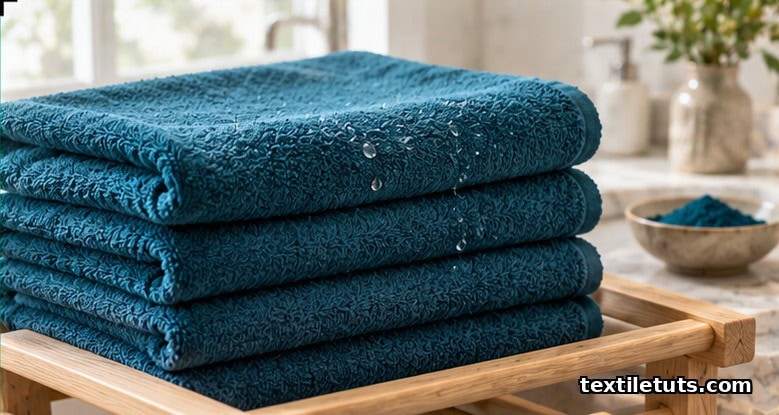
Can You Dye Towels With Dylon

Ever looked at your faded towels and thought about giving them a fresh, vibrant color? You’re probably wondering, can you dye towels with Dylon or not?
The answer is yes, you can indeed dye towels with Dylon. Why? Dylon dyes can penetrate deeply into the fibers of the textile, giving your old towels a fresh, vibrant, and lasting color. However, remember to use Dylon fabric dyes designed for natural fabrics like cotton towels.
If you’re curious about how it works and what other considerations you should be aware of, keep reading. We’ll delve into the process of dyeing towels with Dylon in this quick guide.
What is Dylon and Why Use it on Towels
Dylon is a renowned name in the fabric dye industry. Known for its wide range of color options and versatility, Dylon dyes are suitable for a variety of fabrics – from cotton and linen to silk and viscose. But Their ability to transform old, faded towels into vibrant, fresh-looking ones is what makes them particularly appealing to many users.
The Revelations of Revamping Your Towels
Just like clothes, towels lose their color and vibrancy over time. This appearance can often make them seem old or unclean. However, throwing them away just for this reason is not eco-friendly and can also be uneconomical. That’s where revamping your towels with Dylon comes into play. Dyeing your towels not only extends their life but also adds a pop of fresh color to your bathroom decor.
Here’s what you can achieve with Dylon:
- New Look: Dyeing your towels can give them a completely new look, moving from dull and bland to bright and vivid.
- Cost Saving: Instead of regularly buying new towels, you can save by simply dyeing them with Dylon.
- Eco-Friendly: Dyeing old towels instead of throwing them away and buying new ones contributes to a reduction in textile waste, promoting environmentally-friendly habits.
Dylon Magic: Your New Secret Towel Trick
Dylon offers a variety of color choices, and the process of dyeing towels is surprisingly straightforward. Even if you’ve never dyed fabric before, with Dylon, you’ll likely find the process easy. All you need is a Dylon dye pod, your towel, and access to a washing machine or a hand-dye option.
Here is a simple step-by-step guide:
- Wash Your Towels : Start by washing your towels to remove any dirt or grime.
- Insert the Dylon Pod : Pop the Dylon pod into the drum of the washing machine.
- Add Your Towels : Now place your towels in the washing machine.
- Run a cycle : Run a normal cycle with your washing machine.
- Run a Second Cycle : After the first run, remove the empty Dylon pod and run another cycle. This second run will wash out any excess dye and give the towels a final rinse.
By the end of this process, your towels should look vibrant and new. Remember, this is a great way to add some personal creativity to your bathroom decor, and make those old towels feel luxurious again.
Before You Dive In: Prepping Your Towels for Dyeing
Yes, you can definitely dye towels with Dylon. But before you get to it, there are a few steps you should follow to ensure the best results possible. Here’s what you need to do to prepare your towels for dyeing:
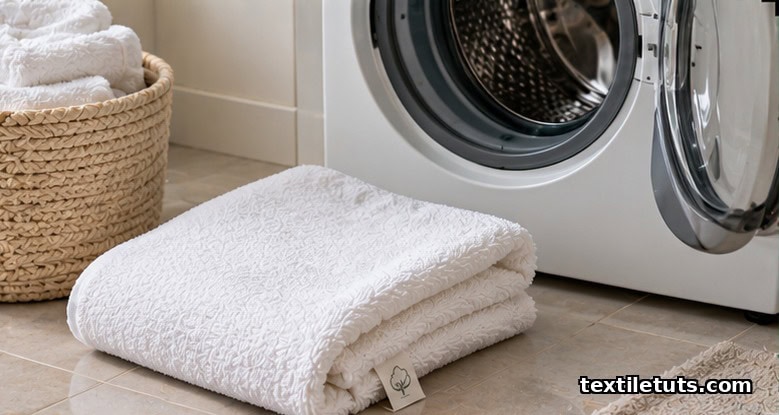
Grasping the Nature of Your Towels: Checking the Material
First, you need to check the material of your towels. Dylon works best on natural fibers like cotton, linen, and viscose. If your towels are made from synthetic fibers like polyester or nylon, they won’t dye well— at best, they’ll just get a lighter shade. But if they’re a mix of synthetic and natural fibers, they can still be dyed.
To check what material your towels are made from, look at the care label. They usually have a breakdown of the fabric composition, so you can see whether your towels are suitable for dyeing.
Setting the Stage: Washing Towels for Dyeing
Once you’ve confirmed that your towels are made from a dye-friendly material, the next step is to prepare them for the dyeing process. This involves washing them. Why? Because washing will remove any dirt, oils, and finishes that may interfere with the dyeing process.
To wash your towels, use a mild detergent and warm water. Avoid using fabric softeners or bleach as these may affect the dyeing process. If your towels are brand new, it’s better to wash them twice to ensure any manufacturer’s finishes are completely removed.
After washing, leave your towels damp. Dylon dye works better on damp fabric as this helps the dye to spread and absorb more evenly.
Lastly, remember to clean your washing machine immediately after dyeing to prevent any residual dye from staining your next laundry load. You can do this by running a washing cycle empty or with some old towels or cloth.
How to Dye Towels with Dylon: A Step-by-Step Guide
Dyeing your towels can be an exciting way to transform dull or worn-out towels into vibrant pieces of decor for your bathroom. Designing your colour schemes can be a whole lot of fun when using Dylon fabric dyes. Here is a simple, step-by-step guide on how to dye towels using Dylon.
Let’s Get Mixing: The Fun Begins with Dylon
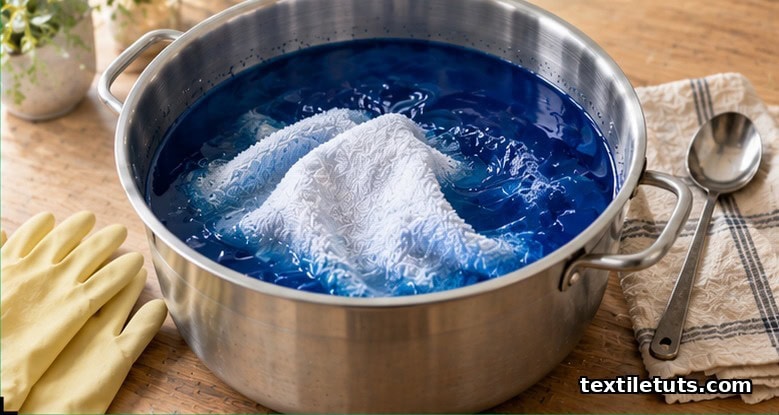
Start by deciding on the colour you want for your towels. Dylon offers a wide range of shades, so you have numerous options to choose from. Once you’ve decided, gather your materials. You will need Dylon fabric dye, salt, a large stainless steel pot or a plastic container, rubber gloves, stirring utensil, and of course, your towels.
Firstly, you must wash your towels to eliminate any substances that might interfere with the dyeing process. Next, add the Dylon fabric dye to your container followed by the appropriate amount of salt. As for the specific amount of dye and salt, refer to the package instructions as these may vary based on the weight and fabric type of your towels.
Time for a Colour Bath: Dyeing the Towels
After your dye bath is ready, dampen your towels with warm water and squeeze out excess moisture. Fold the towels so that they can fit into the container and then immerse them in the dye bath. Stir gently but thoroughly to ensure the entire towel is coated with the dye solution. Let the towels soak in the dye bath as per the timing suggested on the package. Regular stirring during this stage will help to ensure an even colour.
After the Colour Dunk: Rinsing and Drying Your Towels
Once you’re satisfied with the colour saturation, it’s time to rinse your towels. Put on your rubber gloves, remove the towels from the dye bath and rinse them under cold running water. Continue rinsing until the water runs clear.
After rinsing, wash them using a gentle detergent. Once washed, you can either hang the towels to dry in the shade or tumble dry them on a low setting. When drying, avoid direct sunlight as it may cause the colours to fade. The end product should be vibrant and evenly dyed towels ready to enhance your bathroom decor!
Pro Tips and Tricks for Dyeing Towels with Dylon
Towels can get worn and dull over time, but there’s no need to toss them out when you can give them a new life with Dylon dye. Yes, you can certainly dye towels with Dylon. Dying your towels can not only refresh their look but also create unique colors that reflect your personal style. Here are some pro tips and tricks to help you out.
The Secret Combination: Mixing Dylon Colours
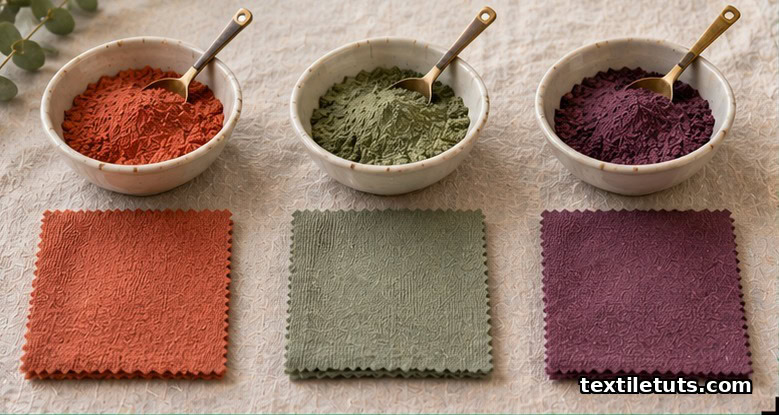
One of the exciting aspects of using Dylon dye is the ability to mix colors. Experimenting with color combinations can give you a wider range of shades and even create exclusive colors for your towels. Here’s a simple guide to get you started:
-
To achieve pastel shades, you can use less dye. The lighter the color, the less dye you should use.
-
For darker shades, use more dye, or mix two dark colors. Black mixed with brown can give you a rich espresso shade.
-
Try not to mix more than three colors at once, or the result might be muddy.
-
Remember, color mixing is subjective and results can vary depending on the original color of your towel and the dye lot.
Colour Fade Shield: Ensuring Long-lasting Colours on Your Towels
After putting in the time and effort to dye your towels, of course, you’ll want the colours to last. This is where the colour fade shield comes into play. There are several steps you can take to guard against colour fading:
-
Always launder dyed towels separately the first few times after dying. Some residual dye may wash out and could stain your other laundry.
-
Wash your dyed towels in cold water. Hot water can cause colors to fade more quickly.
-
Use a color-safe detergent that does not contain bleach.
-
Limit the towels’ exposure to direct sunlight, which can bleach the colour over time.
You can also apply a color stay solution or dye fixative after the dyeing process. This product creates a chemical bond between the dye and the fabric, increasing colourfastness and reducing fading.
Dyeing towels with Dylon can be a fun and rewarding project. Experiment with different color combinations and follow these tips for long-lasting results. Happy dyeing!
Preventing Common Problems while Dyeing Towels with Dylon
Dyeing your towels can breathe new life into them, transforming faded or stained towels into something vibrant and new. However, dyeing towels, especially with dyes like Dylon, can also present a few common problems. This guide aims to help you prevent these common mishaps and execute the dyeing process flawlessly.
The Uneven Color Nightmare: How to Avoid It
The most common problem when dyeing towels is uneven color. This can occur because towels are often made of high-density fabric, which can make it hard for the dye to penetrate evenly. However, there are steps you can take to ensure a smooth, even dye job.
- Pre-wash your towels: Washing the towels before dyeing can help to remove dirt, oils, or fabric softeners that could prevent the dye from adhering evenly to the fabric.
- Stir constantly: When adding the dye to the water, make sure you are constantly stirring to keep the dye evenly dispersed. Continue stirring as you immerse your towels too.
- Dye in small batches: Dyeing one towel at a time ensures that the dye solution can fully permeate the fabric, leading to an even color.
- Rinse thoroughly: After dyeing, make sure to rinse the towels thoroughly. This flushes out any excess dye that could lead to uneven spots.
The Case of Color Transfer: Precautions to Take
Another common issue is color transfer, which can occur when freshly dyed towels are washed with other clothing. To avoid turning your white t-shirts pink or your jeans a strange shade of green, follow these precautions:
- Wash your dyed towels separately: This is especially true for the first few washes after dyeing, as this is when most color bleeding occurs.
- Use a dye fixative: A dye fixative can help to ‘set’ the dye and reduces the chance of color transfer. Make sure that the fixative is suitable for the fabric type of your towels.
- Try a cold wash: Washing dyed items in cold water can also reduce color bleeding. However, check the dye’s packaging to see if this is recommended as some dyes are designed to be washed in warm or hot water.
Remember that dyeing towels is an art, and sometimes results can vary. However, by taking precautions and properly preparing your towels, you can dramatically improve your chances of success.
Dylon, Beyond Towels: Other Exciting Dyeing Possibilities
Dylon offers an array of vibrant colours that can inject life into any piece of fabric, and towels are just the tip of the iceberg. As a world-renowned fabric dye, it’s the perfect tool to completely transform the look of various household items, ranging from bed sheets and curtains, to cushions and even clothing. Rather than discarding worn-out or faded pieces, Dylon facilitates a DIY rejuvenation process that is environmentally-friendly, cost-effective, and creatively satisfying.
From Bed Sheets to Curtains: Dylon’s Dyeing Power
When it comes to bed sheets and curtains, Dylon has the potential to completely revitalize the aura of your room. Over time, fabrics can lose their brightness due to regular usage and washing. However, with the potent dyeing power of Dylon, they can get a fresh lease on life, brimming anew with richly pigmented hues.
Dylon’s fabric dye is reasonably priced and comes in convenient packages. Using it is straightforward and can be done within a few simple steps, typically involving soaking the fabric, applying the dye, and rinsing until the water runs clear. For best results, it’s also recommended to wash the dyed fabric separately for the first few washes.
In addition to bed sheets and curtains, Dylon also works wonderfully for smaller fabric items like cushion covers and table cloths. The big secret is that Dylon isn’t just efficient, it’s versatile. Let’s review some of the household items that can be dyed using Dylon, considering the type of fabric, amount of dye needed, and processing time.
| Item | Material | Dye Amount | Processing Time |
|---|---|---|---|
| Bed Sheets | Cotton, Linen | One pack | 1-2 Hours |
| Curtains | Cotton, Linen | Two packs | 2-4 Hours |
| Cushion Covers | Cotton, Linen | Half pack | 1-2 Hours |
| Table Cloths | Cotton, Linen | One pack | 2-4 Hours |
Dylon offers a vast spectrum of colours, allowing you to pick and choose in tune with the décor and mood of your space. So whether you want to freshen up your cozy bedroom or add a pop of colour to your living room, Dylon has you covered. Just remember, the delight is as much in the process as it is in the end result!


