
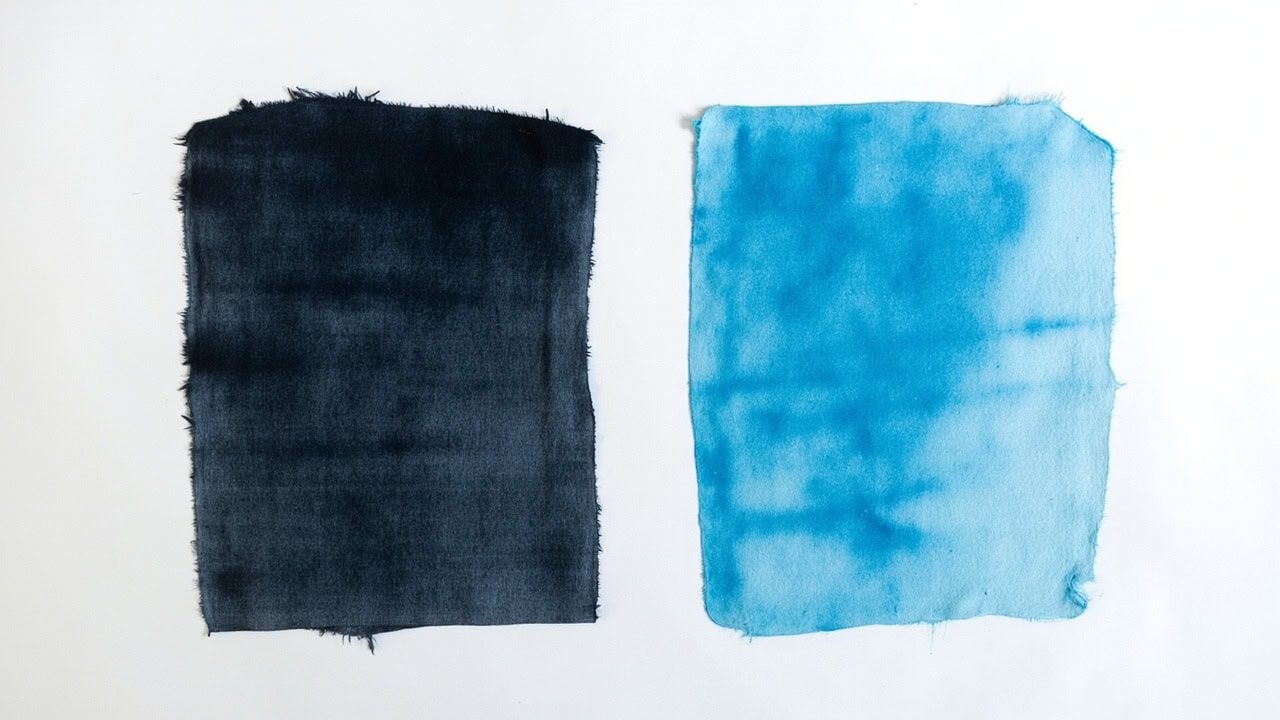
What Color to Dye Over Black Fabric? Can You Lighten Dark Fabric?

You cannot successfully dye a light color over black fabric — the existing black dye molecules block new dye absorption and prevent any lighter color from showing. The only practical overdye options on black are black itself, very dark brown, or deep navy, which have enough pigment concentration to compete with the existing black. To achieve lighter colors on black fabric, the original black dye must be removed first using a commercial color remover or dilute bleach bath before applying the target lighter dye.
Why Light Colors Cannot Be Dyed Over Black
Black fabric presents a fundamental pigmentation problem when you attempt to overdye it with lighter colors. The issue is not the quality of dye you use — it is the physics of how dye molecules bond to textile fibers.
Black dye formulations typically achieve their deep darkness through a dye-to-fiber weight ratio of 3–5%, meaning 3–5 grams of dye per 100 grams of fabric. This high pigment concentration saturates the vast majority of available fiber bonding sites. When you apply a light-colored dye on top of this, the new dye molecules find almost no unoccupied sites to attach to, and the existing black pigment visually overwhelms any lighter color attempting to show through.
The result is not the bright sky blue or soft pink you purchased — it is a muddy gray-brown, sometimes described as an “overdyed” mess that is far harder to correct than the original black. This is not a dye failure; it is a pigment concentration mismatch. Light dyes are formulated to work on white or lightly colored fabric, not to compete with heavily pigmented dark cloth.
Fabric dye works by bonding to specific reactive sites on textile fibers — hydroxyl groups on cotton and linen, amine groups on wool and silk, and dye sites on synthetic fibers. Black dye has already occupied most of these sites. Light dyes lack the molecular weight and concentration needed to displace or visually override that existing color layer.
Your Color Options When Overdyeing Black Fabric
If you are working with black fabric and want to change its color, your realistic options depend entirely on how different the new color is from the existing black. Here is what actually works:
- Black over black: Always works. This is the most common overdye scenario — restoring faded black garments, covering gray areas, or deepening a worn black fabric back to rich, uniform black. Use a high-quality black dye at 1.5x normal concentration for best coverage.
- Dark brown over black: Works very well for warm-toned results. The existing black and new brown pigments blend naturally to produce rich chocolate, espresso, or mahogany tones. Dark brown is the most reliable non-black choice for overdyeing black fabric.
- Navy blue over black: Works well for deep blue results. The dark navy creates a midnight blue finish that is darker than standard navy but richer than plain black. Excellent choice for creating depth on black garments.
- Forest green, burgundy, dark purple: These mid-dark tones can work, but results vary significantly based on the specific dye brand, fiber content, and process conditions. Always test on a hidden area first.
- Any color lighter than medium brown: Will not produce the intended color over black — this is a guaranteed failure regardless of dye quality or technique. Medium brown is roughly the lightest color that can successfully compete with black pigment.
How to Remove Black Dye to Achieve Lighter Colors
If you want a lighter color on black fabric — any color lighter than medium brown — the black dye must be removed before you can successfully apply the new color. There are two primary methods, with color remover being the recommended first choice for most fabric types.
Commercial Color Remover (Recommended)
Commercial color removers are sodium hydrosulfite or thiourea dioxide based chemical preparations specifically designed to break down dye molecules without significantly damaging the underlying fiber. They are the safest and most effective option for removing color from natural fibers.
The process involves dissolving the color remover in hot water (60–80°C) and soaking the fabric for 30–60 minutes, depending on the product strength and the depth of dye you need to remove. On cotton and linen, these products typically remove 80–95% of reactive dyes, lifting the black enough that you can then dye the fabric a much lighter color successfully.
Color remover is gentler on fibers than bleach because it works by chemically reducing the dye molecules rather than oxidizing the fiber itself. However, it should still be used in a well-ventilated area, and you should wear gloves and eye protection. Follow the product instructions exactly — ratios and temperatures vary between brands.
Bleach Bath (For White or Very Pale Colors)
A bleach bath uses dilute chlorine bleach to lift dye from fabric. The standard ratio is 1 part household chlorine bleach (such as Clorox) to 10 parts warm water. This is stronger than a color remover and is used when you want to reach white or very pale shades.
Soak the fabric for 10–30 minutes, checking the color continuously. Leaving fabric in bleach too long progressively weakens cotton and linen fibers — you may not see the damage immediately, but weakened fibers will manifest as tears or holes after a few wash cycles. On cotton, extended bleach treatment (30–60+ minutes) can reach near-white, but the fiber damage accumulates with time.
Important: bleach does not work on polyester. Polyester uses disperse dyes that are chemically impervious to chlorine bleach. On poly-cotton blends, bleach will damage and lighten the cotton portion but leave the polyester fibers unchanged, producing a patchy, unsatisfactory result.
After Color Removal
Regardless of which removal method you use, proper aftercare is critical before dyeing:
- Wash the fabric thoroughly with cold water — 2–3 separate cold washes to remove all chemical residue
- Allow the fabric to dry completely before dyeing — damp fabric absorbs dye unevenly
- For pale colors on heavily dyed black fabric, you may need to repeat the removal process before dyeing
Fiber Type Matters for Color Removal Success
Not all fabrics respond to color removal equally. Your fiber composition determines which method will work and how effective it will be. The table below summarizes expected results across common fabric types.
| Fabric Type | Color Remover Effectiveness | Bleach Effectiveness | Notes |
|---|---|---|---|
| Cotton | Excellent (80–95% removal) | Good (can reach white) | Damage risk with extended bleach exposure |
| Linen | Excellent | Good | Similar behavior to cotton |
| Rayon/Viscose | Good (60–80% removal) | Poor | Fiber damage is likely with bleach |
| Polyester | None — disperse dyes cannot be removed | None | Cannot be color-removed at home |
| Nylon | Good | Good | Acid dye base responds to removers |
| Wool/Silk | Fair (protein fibers tricky) | Poor | Chlorine bleach damages protein fibers irreparably |
Cotton and linen respond best to both color remover and bleach. Rayon shows moderate improvement with color remover but poor bleach tolerance. Nylon performs well with color removers since it uses acid dyes that are more susceptible to reduction chemistry. Wool and silk require extra caution — color removers can work but need cooler temperatures and shorter exposure, while chlorine bleach causes irreversible damage to protein fibers.
Why Polyester Cannot Be Lightened at Home
Polyester fabric presents a unique and frustrating limitation: it cannot be color-removed or bleached to a lighter shade using any home-available method. This is not a gap in consumer products — it is a fundamental characteristic of how polyester is dyed at the manufacturing level.
Polyester is dyed using disperse dyes, which are dispersed as tiny particles in a carrier solution and then heat-set into the fiber matrix at temperatures of 100–130°C under pressure. This heat-setting process embeds the dye molecules physically within the molecular structure of the polyester, creating a bond that is stable and permanent under normal home conditions.
There is no home-safe chemical that can reverse this process. Chlorine bleach has zero effect on disperse dyes — it passes right through the dye molecules without interacting with them. What bleach does do on polyester is damage any surface finishes and potentially weaken the fiber itself, but it will not lighten the color.
If you have black polyester fabric and want a lighter color, your only practical options are:
- Dye it a dark color (black, navy, dark brown) to cover the existing black
- Replace the fabric with a lighter-colored alternative
- Accept the color limitation and style around it
There are industrial processes — including high-temperature chemical stripping — that can remove disperse dye from polyester, but these require specialized equipment, toxic chemicals, and temperatures far beyond what any home dyer can safely achieve. For practical home dyeing purposes, polyester is a “dye dark only” fabric.
Practical Process: Overdyeing Black to Dark Brown
If you have determined that dark brown is your target overdye color for black fabric, follow this step-by-step process for the most reliable results. This same general approach applies to overdyeing black with any dark color — adjust dye type and temperature for your specific fiber content.
- Clean the fabric thoroughly — Remove any fabric softeners, finishes, or contaminants by washing the garment in hot water with a heavy-duty detergent. Do not use fabric softener. Allow to dry completely. Contaminants create barrier films that prevent even dye absorption.
- Prepare the dye bath — Fill a stainless steel or enamel pot (not aluminum, which reacts with dye) with hot water at 60–80°C for cotton fabric. Follow your specific dye brand instructions for synthetic or mixed-fiber fabrics. The water should be deep enough to fully submerge the garment without crowding.
- Add dye at 1.5x normal concentration — Use one and a half times the dye amount specified on the package for the weight of your fabric. The extra concentration compensates for the existing black pigment and ensures full, even coverage. Dissolve the dye thoroughly in a small container of hot water before adding it to the bath.
- Add fabric and maintain temperature — Submerge the dry fabric fully in the dye bath. Keep the temperature in the 60–80°C range for cotton, stirring every 5 minutes and agitating the fabric to ensure even dye distribution. Maintain for 30–45 minutes. Incomplete time means incomplete penetration.
- Rinse gradually — Remove the fabric and rinse first in warm water, then gradually transition to cold. A sudden temperature drop can cause fiber shock that leads to uneven color or fiber stress. Continue rinsing until the water runs mostly clear.
- Wash separately for the first three washes — Excess unfixed dye will bleed in the first few washes. Wash the garment alone in cold water to prevent dye transfer to other clothes. By wash three, most excess dye should be exhausted and the garment can be washed normally.
The key to a successful overdye is patience with preparation and extra dye concentration. Rushing the cleaning step or using insufficient dye concentration are the two most common reasons overdyeing black fails to produce an even, rich color.
Frequently Asked Questions
Q: Can I dye light blue over black fabric?
A: No — light blue cannot be successfully dyed over black fabric. The black dye’s high pigment concentration blocks the light blue from absorbing into the fibers, producing a muddy gray-brown instead. You must first remove the black dye using a commercial color remover, then dye the fabric light blue.
Q: How do you lighten black fabric without damaging it?
A: For natural fibers (cotton, linen), use a commercial color remover containing sodium hydrosulfite — it chemically breaks down the dye molecules without significant fiber damage. For white or very pale results, a dilute chlorine bleach bath (1:10 ratio) can lift the dye but will progressively damage cotton fibers. Polyester cannot be lightened at home.
Q: Will bleaching black fabric make it white?
A: On cotton and linen, yes — extended bleach treatment (30–60+ minutes in dilute solution) can reach near-white, though the fiber may become weakened. On polyester, no — bleach has no effect on disperse dyes and will not lighten polyester fabric at all.
Q: What is the best dark color to dye over black fabric?
A: Dark brown is the most reliable overdye option for black fabric — it blends naturally with the existing black to create rich espresso, chocolate, or mahogany tones. Navy blue also works well for deep blue results. Black itself is always the safest choice for restoration or deepening.
References
- Revlon. (2024). Rit Color Remover Product Instructions. Rit Dye. Retrieved from https://www.ritdye.com/
- Clorox. (2024). Bleach dilution ratios for fabric whitening. Clorox Professional Products. Retrieved from https://www.clorox.com/
- CLOTHC. (2023). Disperse Dye Chemistry and Polyester Dyeing Processes. Textile Learning Center. Retrieved from https://www.clothc.com/
- 纺织网. (2024). 涤纶分散染料的耐氯漂性能研究 [Research on chlorine bleach resistance of disperse dyes on polyester]. Retrieved from https://www.texnet.com.cn/


