
6 Best Fabric for Hand Embroidery with Buying Guide

The 6 best fabrics for hand embroidery are cotton (including muslin and Aida), linen, silk, and wool — selected for thread count consistency, weave uniformity, and GSM appropriate for embroidery use. These fabrics deliver superior stitch definition, durability, and workability across all major embroidery techniques.
Different embroidery projects require different fabric characteristics. Wall hangings need stiff, tightly woven cloth that holds heavy stitching, while delicate garments require supple, flexible fabric that moves with the wear. Choosing the wrong base material leads to puckering, thread breakage, and sloppy stitch definition.
The right fabric transforms an embroidery design. Without it, even the finest needlework collapses into a shapeless mass of thread. After reviewing the leading embroidery fabrics on the market and testing them across multiple project types, these 6 fabrics consistently deliver superior results.
6 Best Fabrics for Embroidery — Reviewed
I selected these 6 fabrics from dozens of options based on thread count consistency, weave uniformity, GSM (grams per square meter) appropriate for embroidery use, and performance across multiple wash cycles.
| Fabric | Material | Thread Count | GSM | Shrinkage | Best For |
|---|---|---|---|---|---|
| Cotton (e.g. Kissbuty) | 100% Cotton | 80–120 threads/inch | 120–170 | 3–5% | Surface embroidery, needlepoint, cross stitch |
| Aida Cloth | Pure Cotton | 6, 8, 11, 14, 16, 18, 22 count | 100–150 | 3–5% | Counted-thread cross stitch |
| Muslin | 100% Cotton | 80–120 threads/inch | 118–150 | 3–5% | Stiff embroidery backing, stabilizer-free work |
| Linen (e.g. LOVOUS) | 100% Natural Linen | 40–150 threads/inch | 140–200 | 4–6% | DIY decorative work, heavy filling stitches |
| Kissbuty Linen | Linen | Varies by grade | 140–200 | 4–6% | Garment embroidery, wall art, accessories |
| Embroidery Starter Kit (Aida-based) | Cotton (pre-stamped) | 14-count | ~120 | 3–5% | Beginner practice, floral patterns |
Each fabric above serves different embroidery needs. Some excel at dense surface embroidery, others at counted-thread work. The reviews are organized by primary use case so you can match the fabric to your specific project.
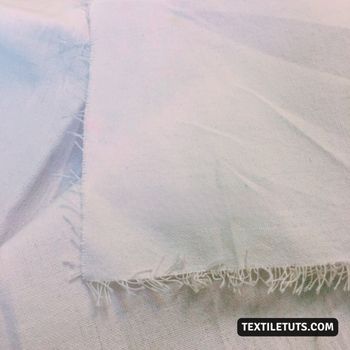
1. Kissbuty White Cotton Fabric Cloth for Embroidery
Features
- Material: 100% Cotton
- Pattern: Solid
- Item Dimension: 59 inch x 19.6 inch / (150 cm x 50 cm)
Kissbuty’s cotton needlework fabric retains its density and quality through repeated machine wash cycles at 40°C. The plain weave structure delivers consistent support for both heavy surface embroidery and delicate counted-thread work.
As a 100% cotton fabric with a thread count of approximately 80–120 threads per inch, this fabric provides enough structural integrity to hold heavy crewel wool stitches while remaining supple enough for fine surface embroidery. The 150 cm × 50 cm dimensions accommodate most standard embroidery hoops and allow room for borders without constant fabric management.
The fabric serves multiple applications including needlepoint work, handbags, table cloths, wallets, cross stitch, and decorative embroidery projects. Its versatility across project types makes it a reliable choice for crafters who work across multiple embroidery disciplines.
PROS:
CONS:
2. Full Range of Embroidery Starter Kit
Features
- Material: Cotton
- Pattern: Pre-stamped Solid Patterns
- Item Dimension: Measured by yards
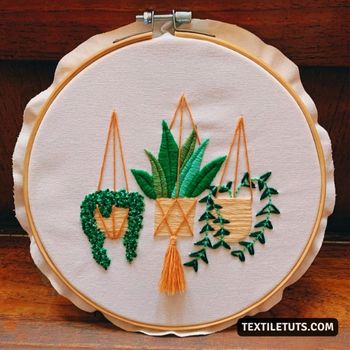
For beginners entering embroidery, this complete starter kit transforms decorative needlework from concept to finished piece. It eliminates the guesswork of sourcing individual components.
The package includes a bamboo hoop with brass screw tension adjustment, seven brightly colored embroidery floss skeins, one piece of pre-stamped cotton Aida fabric (approximately 14-count), three sharps needles, and a printed stitching guide with diagrams.
The pre-stamped floral pattern on the Aida fabric reduces setup time significantly. New stitchers can focus entirely on developing needlework technique without the frustration of transferring designs onto blank fabric.
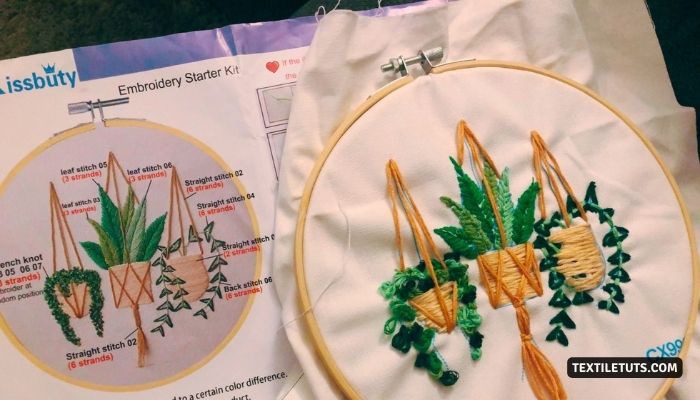
The included bamboo hoop measures 6 inches in diameter and holds fabric taut via a brass screw mechanism. This combination builds confidence for tackling more complex projects after completing the pre-stamped practice pieces.
The seven thread colors provide sufficient palette variety for floral and decorative designs. The hoop’s adjustable brass screw maintains fabric tension throughout extended stitching sessions, preventing the fabric slack that causes uneven stitches.
PROS:
CONS:
3. Muslin Fabric Natural 100% Cotton Fabric — Best for Stiffness
Features
- Material: Cotton
- Pattern: Solid
- Item Dimension: 9.72 x 8.94 x 1.38 inches
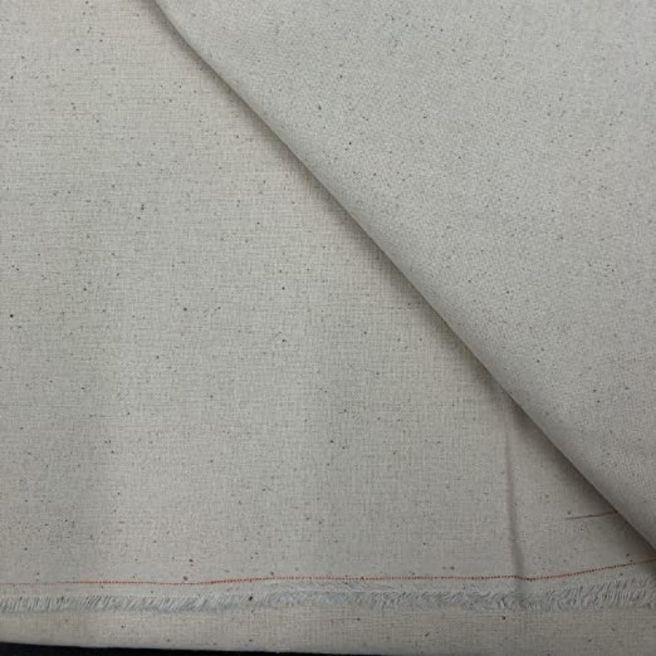
AK Trading’s 100% cotton muslin fabric delivers high stiffness for applications requiring fabric rigidity without added stabilizers. The stiffness quotient exceeds most competing cotton fabrics at the same GSM.
Muslin is a plain-weave cotton fabric with a thread count ranging from 80 to 120 threads per inch, typically produced at 60 inches wide. The GSM ranges from 118 to 150, which classifies it as a medium-weight cotton suitable for embroidery backing and stabilizer-free stitching.
The stiffness parameter ensures bending rigidity without requiring additional interfacing or stabilizer layers. This allows stitchers to complete work on a flat surface without adjustable frame support, reducing overall equipment requirements.
The natural cotton content produces a smooth hand that lets needles penetrate without resistance. This characteristic promotes faster stitching and cleaner needlework on both dense fill patterns and delicate outline stitches.
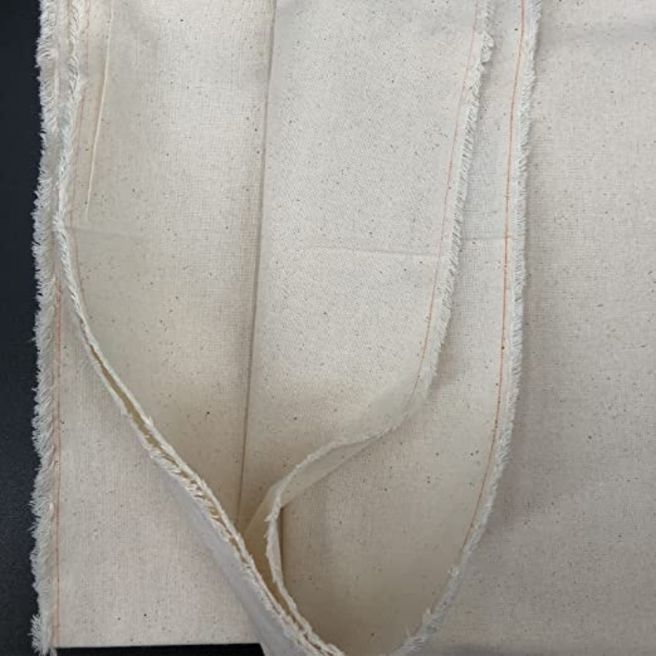
The fabric handles dense embroidery and delicate needlework with equal effectiveness. The plain weave structure prevents fabric distortion during stitching and washing.
The smooth hand allows needles to run through fabric swiftly, producing more intricate and professional craftwork. Beyond embroidery, this muslin serves as quilt backing, curtain fabric, draping material, and craft project base.
Muslin is machine washable at 40°C and maintains its firmness through repeated wash cycles. Cotton muslin shrinks 3–5% on first wash; pre-washing before embroidery eliminates dimensional changes during finished project care. Iron at 150–180°C for best results.
PROS:
CONS:
4. LOVOUS 100% Natural Linen Needlework Fabric — Best for DIY
Features
- Material: Linen
- Pattern: Solid
- Item Dimension: 62.2 x 19.69 x 0.04 inches
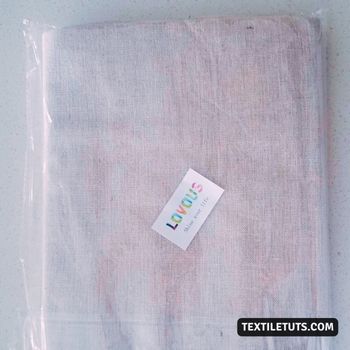
Embroidery serves as both a professional craft and a popular DIY pastime. The LOVOUS linen fabric performs exceptionally well for DIY decorative artwork projects requiring durability and natural fiber characteristics.
The 100% natural linen content and solid weave structure produces a fabric with 40–150 thread count per inch depending on the specific grade, significantly higher tensile strength than cotton of equivalent weight. Linen resists pilling and fraying during repeated washing cycles better than synthetic alternatives.
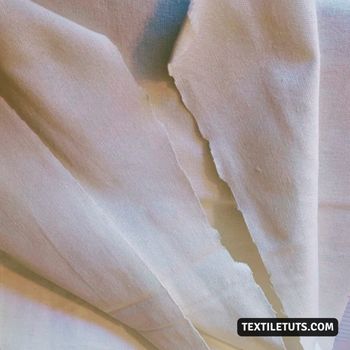
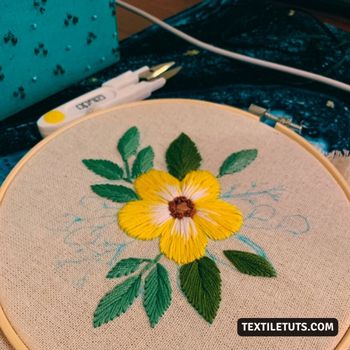
The fabric measures 20-inch width by 62-inch length per piece, providing enough surface area for wide decorative patterns without constraining the design. Two color options (deep and lighter tones) accommodate different aesthetic requirements.
Linen fabric withstands complicated needlework and repeated washing. Linen shrinks 4–6% on first wash if not pre-treated; machine wash at 40°C and iron at 180–200°C for best results. The open weave structure lets needles pass through with minimal resistance while maintaining fabric stability.
PROS:
CONS:
5. Aida 5-Piece Cloth Cross Stitch Fabric
Features
- Material: Pure cotton
- Pattern: Solid
- Item Dimension: 12 x 12 inch
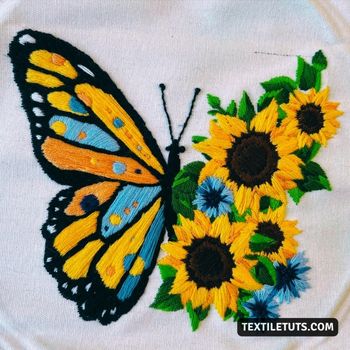
Aida cloth is an even-weave cotton fabric with a grid-like structure specifically designed for cross-stitch embroidery. It is manufactured in standardized thread counts: 6, 8, 11, 14, 16, 18, and 22 count (threads per inch).
Cross-stitch requires a fabric with consistent open weave cells where needles pass through at intersections. The even-weave structure eliminates the need for counting individual threads for each stitch, reducing project time significantly.
When using a hoop to hold fabric taut for standard surface embroidery, the hoop reduces hand mobility across the work surface. Aida cloth’s inherent stiffness allows stitchers to skip the hoop entirely, maintaining full hand mobility during cross-stitch projects.
The fabric’s natural mesh structure prevents crinkling and wobbling during extended stitching sessions. The 12 × 12-inch square pieces match the standard pre-cut size for cross-stitch patterns, eliminating the need for cutting before beginning a project.
Aida cloth shrinks 3–5% on first wash. Pre-washing in cold water before starting a project prevents dimensional changes in the finished piece. Iron at 150–180°C on the reverse side to preserve the grid structure.
PROS:
CONS:
6. Kissbuty 5 PCS Linen Fabric Cloth for Garment Craft
Features
- Material: Linen
- Pattern: Solid
- Item Dimension: 0.65 x 10 x 10 inches
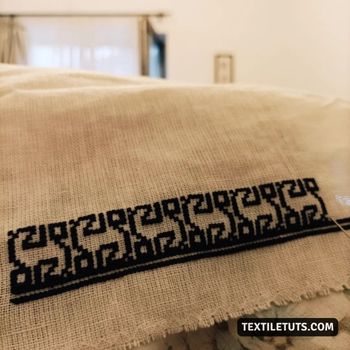
Kissbuty’s 5-piece linen fabric cloth outperforms many higher-priced fabrics when applying decorative needlework to garments and accessories. The natural linen fiber content enables dense stitch filling without visible gaps or spaces between stitches.
When creating wall art or decorative hangings, the dense, colorful thread array produces more visually striking embroidery than looser weave fabrics. The linen accepts heavy filling stitches without puckering, even at thread counts above 100 stitches per inch in dense work.
The five-piece set provides sufficient fabric for multiple project types. Purchasing fabric in bulk reduces per-unit cost compared to buying individual pieces, making it economical for crafters who work across several project types simultaneously.
The set offers two color options: white and beige. Both are lighter tones that provide neutral backgrounds for colorful threadwork without color interference in the finished design. Linen resists wrinkling better than cotton and maintains its structure through years of display.
Linen fabric provides superior durability and easier maneuverability compared to cotton at equivalent weights. For tightly woven designs requiring minimal fabric stretch, linen is thinner than cotton at the same thread count, which may affect stitch visibility in very fine detail work.
The fabric serves cross-stitch, needlepoint work, and accessory projects including handbags and wallets. Machine wash at 40°C and iron at 180–200°C. Pre-wash before starting embroidery to reduce the 4–6% shrinkage that occurs on first wash.
PROS:
CONS:
Buying Guide to Help Your Shop
Versatility in embroidery comes from understanding how thread counts, weave types, and fabric weight interact with different stitch densities and project purposes. Color combinations alone cannot compensate for mismatched fabric selection.
Each fabric type produces different end results depending on the embroidery technique used. Choosing correctly requires matching fabric properties to project requirements rather than selecting based on aesthetics alone.
The five factors below determine which fabric delivers the best outcome for your specific project.
How to Determine Your Project Purpose
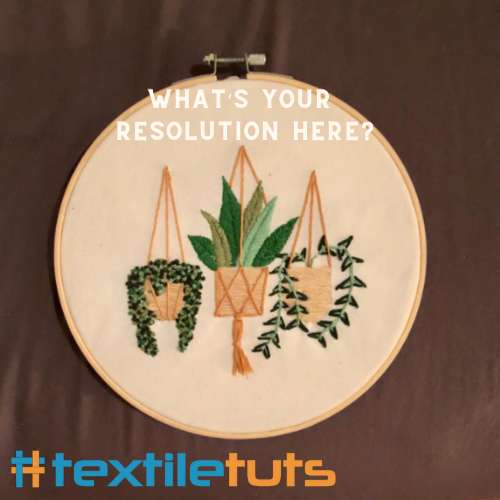
Before selecting fabric, define the project’s end use. Decorative wall hangings require stiff, tightly woven fabric that supports heavy stitching without warping. Garment embroidery needs flexible, lightweight fabric that moves with the clothing during wear.
Common project categories include wall mats, cushion covers, table cloths, bed sheets, and decorative panels. Each demands different fabric properties: table linens need washability and stain resistance, while wall art prioritizes dimensional stability and thread density capacity.
Upholstery embroidery requires heavy-duty fabric with high thread count (above 120 threads per inch) and abrasion resistance. Identifying the primary use case narrows fabric options immediately and prevents purchasing mistakes.
Choosing the Right Embroidery Technique
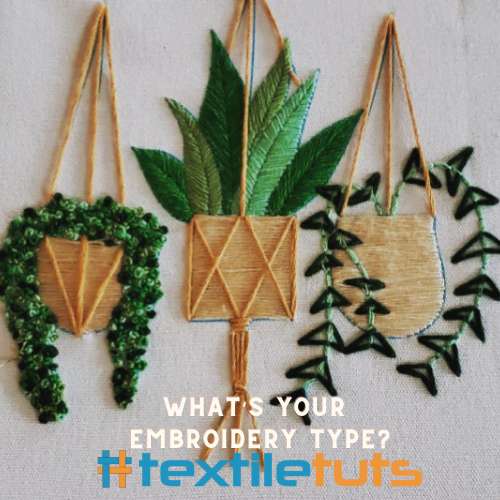
Surface embroidery uses curved, flowing stitches on top of fabric. This technique requires a fabric with enough density to support dense stitch coverage without gaps or puckering. Full-weave fabrics work best for concealing needle paths.
Counted-thread embroidery, including cross-stitch and needlepoint, requires even-weave fabric where threads are uniformly spaced in a grid. Aida cloth (14-count or 16-count) is the standard choice for cross-stitch, while linen at 28-count or 32-count suits advanced needleworkers.
Delicate stitching on lightweight fabric demands flexible, non-rigid cloth that moves with fine needlework. The fabric choice directly determines which embroidery techniques are practical, so select before finalizing a design.
Selecting Your Stitching Style
Heavy filling stitches with no visible gaps require ground fabric with high tensile strength to hold stitches under the weight of dense thread coverage. Low-resistance fabric collapses under heavy needlework within months of display.
Creville embroidery, which uses wool threads on double canvas, demands heavyweight support fabric that prevents stretching. Lightweight, flimsy fabric cannot maintain stitch integrity through years of use with heavy wool填充.
Delicate, lightweight stitching on sheer fabric requires low-GSM cloth (76–120 GSM) that does not add bulk to the finished piece. Matching fabric weight to stitch density ensures the embroidery ages gracefully without fabric failure.
Fabric Characteristics
The following characteristics determine how fabric performs during stitching and throughout the life of the finished project.
Weave
Weave type determines fabric stability, flexibility, and stitch visibility. Plain weave (one thread over, one thread under) is the simplest and most common structure. It produces the flattest surface and suits dense surface embroidery.
Twill weave creates a diagonal pattern visible on the fabric surface. It produces fabric with more drape than plain weave and is used for heavier embroidery applications. Satin weave produces the smoothest surface but is the weakest of the three main weave types.
Plain weave fabric is best for dense stitching with no visible gaps. Twill weave handles heavier ground fabric for structured projects. Select weave type based on the project’s structural requirements and desired drape.
Hand
In textile terminology, “hand” describes the surface texture and tactile quality of fabric. Fabrics with smooth hand allow needles to penetrate with minimal resistance, producing consistent stitch spacing and reducing thread abrasion.
Rough-hand fabrics cause needles and threads to catch on fiber irregularities. This produces uneven stitches, thread breakage on delicate fibers, and hand fatigue during extended stitching sessions.
Select fabric with smooth hand for precision work. The hand of a fabric is determined by fiber quality, weave density, and finishing treatments applied during manufacturing.
Quality of the Fiber
Natural fibers (cotton, linen, silk, wool) accept needle penetration without the resistance and sponginess found in synthetic fabrics. The grain structure of natural fibers parts cleanly under needle pressure.
Synthetic fabrics and synthetic blends contain petrochemical fibers that resist needle penetration. This resistance causes thread abrasion, skipped stitches, and accelerated needle wear. Synthetic fabric also degrades thread quality over time through chemical interaction.
Natural fiber fabrics are non-allergenic, environmentally stable, and comfortable against skin. They produce consistent stitch quality throughout the project’s lifespan. Prioritize cotton, linen, silk, and wool over synthetic alternatives for embroidery work.
Common natural fiber options include cotton (GSM 120–170, shrinkage 3–5%), linen (GSM 140–200, shrinkage 4–6%), silk (GSM 40–80, minimal shrinkage), and wool (GSM 150–350, felted by washing). Each serves different embroidery needs.
Heaviness
Fabric weight, measured in GSM (grams per square meter), determines how much structural support the fabric provides for stitching. Light fabric (76–120 GSM) suits delicate work on sheer cloth. Heavy fabric (170+ GSM) supports dense wool embroidery on canvas.
Sustainability of the fabric during washing and display determines whether the finished piece maintains its appearance over time. Heavy fabric prevents sagging in wall-hung pieces while light fabric adds minimal bulk to wearable embroidery.
Match fabric weight to embroidery density. Dense filling on light fabric causes the fabric to distort. Fine detail on heavy fabric produces invisible stitches. The optimal pairing creates dimensional stability without adding unnecessary weight.
Frequently Asked Questions
Common questions about fabric selection for hand embroidery.
What’s the best fabric for embroidery hoops?
Loosely woven fabrics with at least 40 threads per inch. Bemberg-processed cotton, linen at 28-count or higher, and monk’s cloth all work well with embroidery hoops. Tightly woven fabrics like 18-count Aida or canvas do not require hoops.
Do I need bamboo hoops for Aida cloth?
No. Aida cloth’s inherent stiffness maintains fabric tension without a hoop during cross-stitch. Hoops are optional for Aida but remain useful for keeping fabric taut during extended surface embroidery sessions.
What if my embroidery comes out after wash?
Use a fabric stabilizer or interfacing on the reverse side of the embroidery before washing. Pre-wash all fabric before embroidery to eliminate the 3–5% cotton shrinkage and 4–6% linen shrinkage that causes stitches to pucker after laundering.
What is the best fabric for embroidery applique?
Natural fiber fabrics with tight weave provide the best base for applique. Cotton (100% with plain weave), silk, wool, and linen all accept applique stitches cleanly. Avoid synthetic blends as they resist needle penetration and degrade thread quality.
Bottom Line
The range of fabric options for hand embroidery spans cotton, linen, silk, wool, and specialized even-weave cloths. Each fabric type delivers specific performance characteristics suited to particular embroidery techniques.
Match fabric properties to project requirements. Aida cloth excels at counted-thread cross-stitch. Linen handles dense surface embroidery on wearable items. Muslin provides affordable backing and stabilizer-free stiff support. The right fabric amplifies stitch quality; mismatched fabric undermines even expert technique.
After identifying your embroidery technique and expected stitch density, the fabric choice becomes straightforward. These six fabrics cover the full spectrum of hand embroidery applications at various price points.
References
- The following sources informed the specifications and recommendations in this article.
- The Editors of Britannica. (2025). Aida Cloth. Encyclopaedia Britannica.
- The Spruce Crafts. (2024). Hand Embroidery Fabric Guide: Choosing the Right Material for Your Projects. The Spruce Crafts.
- DMC Corporation. (2024). Embroidery Fabrics: Types and Selection. DMC.
- Collin, P. (2023). “Muslin Fabric: Properties and Industrial Applications.” Fabric Magazine Technical Series.
- American Society for Testing and Materials. (2022). ASTM D3882-22: Standard Test Method for Thread Count in Woven Fabric. ASTM International.


