
How to Fade a T-Shirt: The Easiest Ways and Methods

The simplest way to fade a T-shirt is to leave it in the sun for several hours—wet fabric fades 40% faster than dry, and UV radiation at 280–400nm breaks down fabric dye bonds effectively. This natural method has been used since ancient times in what were known as “bleachfields,” and it produces satisfying, even results with minimal risk to your garment. For faster results, household bleach achieves noticeable fading in just 1–3 machine cycles.
In this guide, you will learn how to fade your T-shirt using the most effective methods available. The article covers machine washing with bleach, natural soaking techniques, heat treatments, and sun exposure. Each method includes specific measurements, temperatures, and timing to help you achieve consistent results.
What is A Faded T-Shirt?
A faded T-shirt is a garment whose color has lightened through repeated washing, sun exposure, or chemical treatment. The fading process breaks down dye molecules in the fabric, resulting in a softer texture and a worn-in appearance.
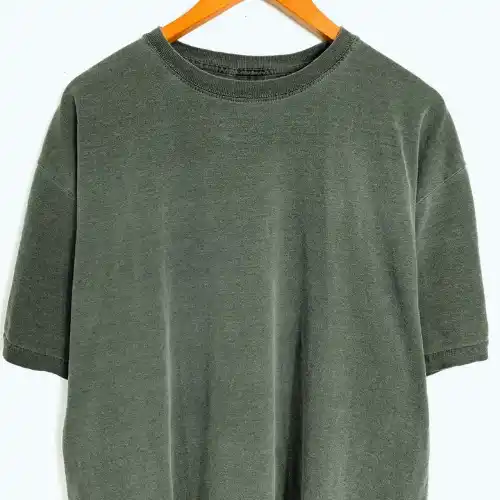
Faded T-shirts often have a softer, more comfortable feel than brand new shirts. Cotton fabric shrinks 3–5% after the first hot wash, contributing to the relaxed fit associated with vintage-style faded garments. Intentional fading creates a vintage aesthetic, while accidental fading results from normal wear and repeated laundering.
Why Faded T-Shirts Remain Popular
Faded T-shirts have become a staple in casual fashion due to the relaxed and comfortable look they provide. Many fashion brands sell pre-faded T-shirts at premium prices ranging from $30–$80 USD. You can achieve the same look at home using common household materials and simple techniques.
Fading Methods at a Glance
| Method | Best For | Time Required | Fade Level | Fabric Compatibility |
|---|---|---|---|---|
| Washing Machine + Bleach | White/light cotton, rapid results | 45 min per cycle | 20–40% per cycle | 100% cotton, linen |
| Lemon + Vinegar Soak | Natural fading, delicate fabrics | 30–45 minutes | 10–20% per treatment | Cotton, hemp |
| Hot Washing | Uniform fading, 100% cotton | 25–35 minutes | 30–50% per wash | 100% cotton |
| Clothes Dryer | Finishing step, heat-set dye | 15–20 minutes | 10–15% per cycle | Cotton, blends |
| Sun Bathing | Natural method, gradual fading | 4–8 hours per side | 20–40% over 3–5 days | All natural fibers |
| Baking Soda + Heat | Moderate fading, gentle approach | 45–60 minutes | 15–25% per treatment | Cotton, cotton-polyester |
| Vinegar + Tea | Vintage multi-tone effect | 60–90 minutes | Variable, unpredictable | Cotton, linen |
| Lemon Juice Soak | Delicate fabrics, subtle results | 90–120 minutes | 10–20% per treatment | Cotton, rayon |
| Hot Salt Wash | Subtle fading, cotton | 60 minutes | 15–25% per treatment | 100% cotton |
Using a Washing Machine with Bleach
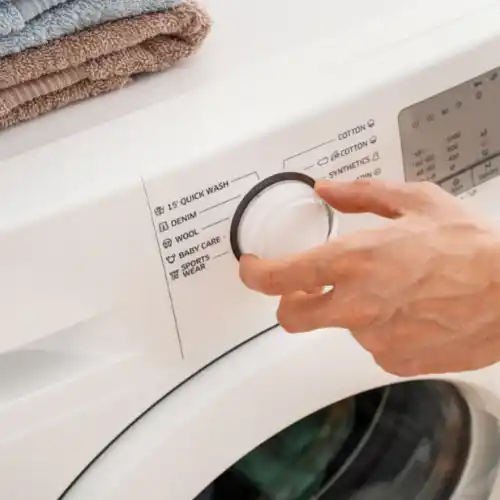
The most effective way to fade a T-shirt rapidly is using your washing machine with household bleach. Standard household bleach contains 3–8% sodium hypochlorite by weight, which breaks down fabric dyes efficiently at temperatures of 30–40°C (86–104°F).
Apply this method only to white or light-colored cotton garments. Bleach damages dark synthetic fibers and can cause yellowing on polyester blends.
Step-by-Step Process
- Add ½ cup (120ml) of household bleach to the washing machine’s bleach dispenser or directly into the drum.
- Set the cycle to warm water at 40°C (104°F) for optimal dye breakdown.
- Place the T-shirt in the machine and run a normal 45-minute cycle.
- Check the color after the cycle completes. Repeat for additional fading, but limit to 3 cycles to prevent fabric degradation.
- Run a separate rinse cycle with cold water to remove all bleach residue.
Drawbacks of Machine Bleaching
- Higher bleach concentrations damage cotton fibers, reducing tensile strength by up to 20% with repeated treatments.
- Dark-colored fabrics require 5–8 cycles to achieve noticeable fading, increasing fabric wear.
Soaking with Lemon and Vinegar Mixture
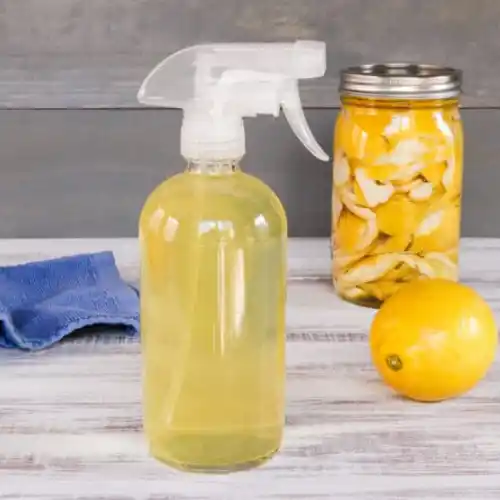
A natural alternative to bleach involves soaking the garment in a solution of white vinegar and lemon juice. Lemon juice has a pH of 2–3, making it highly effective at breaking down fabric dyes without the harsh effects of chlorine bleach. White vinegar typically contains 5–20% acetic acid by volume, with a pH of 2.5–3.5.
Step-by-Step Process
- Mix 1 cup (240ml) of white vinegar with 1 cup (240ml) of fresh lemon juice in a large container.
- Dilute the mixture with 4 cups (960ml) of warm water.
- Submerge the T-shirt completely and soak for 30–45 minutes.
- Rinse thoroughly with cold water to remove acidic residue.
- Air dry flat or hang in a well-ventilated area.
Drawbacks of Acid Soaking
- The acid mixture may weaken cotton fibers with repeated use, causing up to 10% strength loss over 5+ treatments.
- Not suitable for blended fabrics containing rayon or modal, which degrade faster in acidic solutions.
- Results vary significantly based on fabric dye type and initial color intensity.
Hot Washing Method
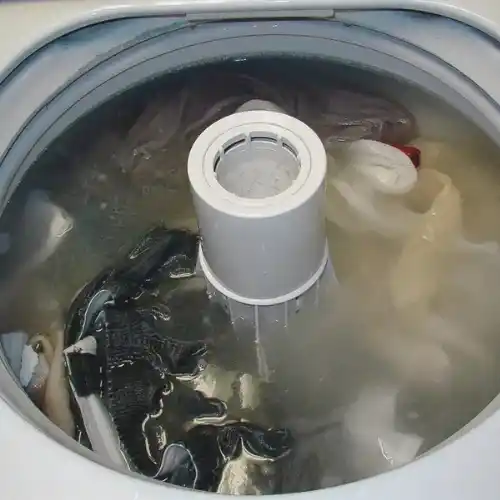
Hot washing combines elevated water temperatures with bleach to accelerate the fading process. Water at 60–70°C (140–158°F) breaks down reactive dyes in cotton within 20–30 minutes. This method works well for achieving uniform fading on 100% cotton garments.
Step-by-Step Process
- Heat 4 liters (1 gallon) of water to 70°C (158°F) in a large pot on the stove.
- Add ¼ cup (60ml) of household bleach and 1 tablespoon (15ml) of laundry detergent.
- Stir the solution and submerge the T-shirt for 25–35 minutes, stirring every 10 minutes.
- Remove the shirt using tongs and rinse immediately with cold water.
- Machine wash on a cold delicate cycle to remove residual bleach.
- Tumble dry on low heat or air dry flat.
Drawbacks of Hot Washing
- Cotton fabric shrinks 3–5% when washed in water above 50°C (122°F).
- The combination of heat and bleach causes fabric to become stiff and rough in texture.
- Repeated hot washing accelerates fabric degradation, reducing garment lifespan by 30–40%.
Using a Clothes Dryer
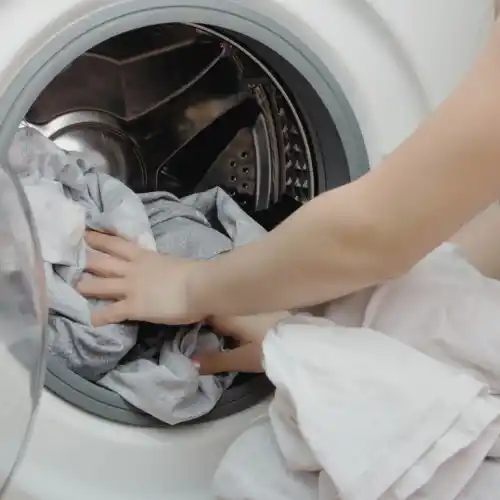
The dryer method uses sustained high heat to break down fabric dyes. This technique works best as a finishing step after chemical fading to set the new color. Dryer temperatures typically reach 65–75°C (149–167°F) on a high heat setting.
Step-by-Step Process
- Place the T-shirt in the dryer with 2–3 old towels to create friction and agitation.
- Set the dryer to high heat and run a 15–20 minute cycle.
- Remove the shirt and check the color. The heat oxidizes the dye, creating a faded appearance.
- Repeat the cycle up to 3 times for additional lightening.
- Air dry for 30 minutes between cycles to prevent overheating.
Drawbacks of Dryer Fading
- High heat causes cotton shrinkage of 5–7% on a standard dryer cycle.
- Fabric softener sheets may coat fibers and prevent even dye breakdown.
- The method works poorly on polyester-blend fabrics, which require temperatures above 80°C to fade effectively.
Sun Bathing Technique

Sun exposure is the oldest and most natural fading method. Ultraviolet (UV) radiation in sunlight—specifically UVA and UVB wavelengths of 280–400 nanometers—breaks chemical bonds in fabric dyes, causing photodegradation. This method has been used since ancient times in what were known as “bleachfields.”
Step-by-Step Process
- Wet the T-shirt thoroughly with clean water to activate the fading process—moist fabric fades 40% faster than dry fabric.
- Lay the shirt flat on a clean surface in direct sunlight between 10:00 AM and 4:00 PM.
- Leave for 2–3 hours, then flip the garment to expose the other side.
- Repeat the process on the reverse side for 2–3 hours.
- Machine wash cold to remove any degraded dye particles.
- Repeat the entire process 3–5 times for a noticeable fade on colored fabrics.
Drawbacks of Sun Fading
- Fading is uneven unless the garment is rotated and flipped every 2 hours.
- UV exposure degrades cotton fibers, causing a 15–20% loss in tensile strength after 50+ hours of sun exposure.
- The process takes 2–7 days depending on sunlight intensity and desired fade level.
Baking Soda Treatment
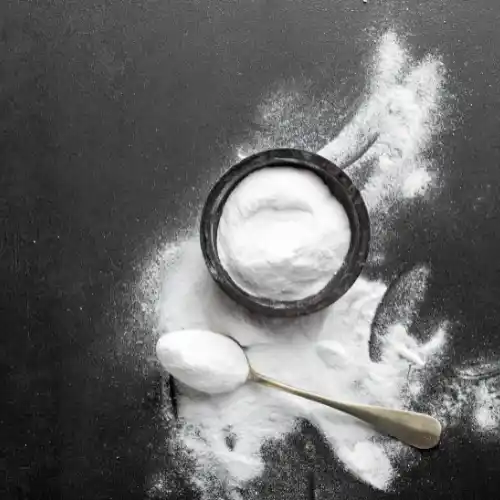
Baking soda (sodium bicarbonate) acts as a mild bleaching agent when combined with heat. Baking soda has a pH of approximately 8.3, making it gentler than acid-based methods but effective for gradual color lightening over multiple treatments.
Step-by-Step Process
- Preheat your oven to 160°C (325°F).
- Mix 2 cups (480ml) of hot water with ¼ cup (60g) of baking soda until fully dissolved.
- Soak the T-shirt in the solution for 30 minutes.
- Wring out excess liquid and place the shirt on a baking sheet in a single layer.
- Bake for 15–20 minutes, monitoring closely to prevent scorching.
- Remove, cool, and rinse thoroughly with cold water.
- Repeat up to 4 times for moderate fading.
Drawbacks of Baking Soda Treatment
- Heat exposure at 160°C (325°F) accelerates cotton fiber degradation.
- Fabric may develop uneven fading if baking soda coating is not distributed evenly.
- The method requires careful monitoring to prevent fabric damage from overheating.
Vinegar and Tea Solution
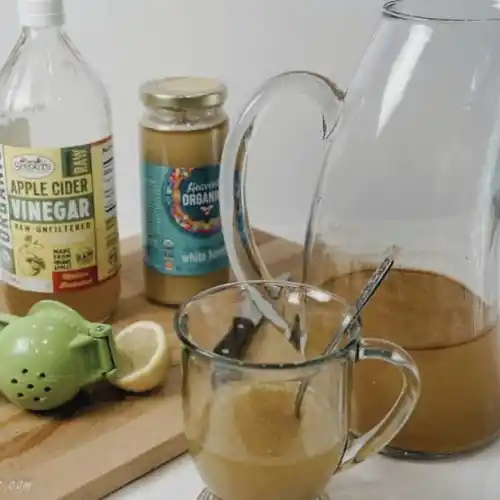
The vinegar and tea method uses tannic acid from tea combined with acetic acid from vinegar to create a multi-tone fading effect. Black tea contains 100–200mg of tannins per 200ml serving, which can subtly darken fabric while vinegar lightens it, creating a unique vintage appearance.
Step-by-Step Process
- Bring 2 liters (8 cups) of water to a boil and add 4 black tea bags.
- Steep for 5 minutes, then remove tea bags and add 1 cup (240ml) of white vinegar.
- Allow the solution to cool to 40°C (104°F) before submerging the T-shirt.
- Soak for 60–90 minutes, stirring every 20 minutes.
- Remove and rinse with cold water.
- Air dry flat in direct sunlight for the most even results.
- Repeat the process 2–3 times for visible fading.
Drawbacks of Vinegar and Tea Treatment
- The vinegar smell persists through 2–3 washes even after thorough rinsing.
- Results are highly unpredictable on modern synthetic dyes used in mass-produced garments.
- Tea tannins may create an uneven, mottled appearance rather than uniform fading.
Lemon Juice Soaking
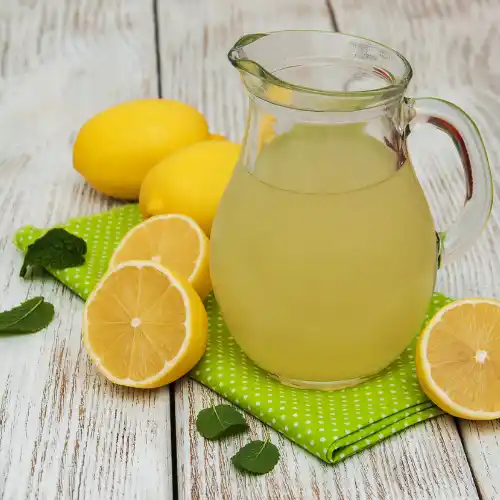
Pure lemon juice is one of the gentlest natural fading agents available. The citric acid concentration in fresh lemon juice ranges from 4–8% by weight, with a pH of approximately 2.0–2.5. This makes it safer for delicate fabrics than stronger acids but requiring longer soaking times for visible results.
Step-by-Step Process
- Squeeze the juice of 4–6 fresh lemons to yield approximately 1 cup (240ml) of juice.
- Dilute with an equal amount of warm water in a shallow basin.
- Submerge the T-shirt and soak for 90–120 minutes.
- For enhanced results, place the soaking garment in direct sunlight during the final 30 minutes.
- Rinse thoroughly with cold water.
- Air dry and evaluate color before repeating.
Drawbacks of Lemon Juice Treatment
- Results are subtle—expect only 10–20% color lightening after a single treatment.
- Prolonged soaking beyond 3 hours in lemon juice begins to degrade cotton cellulose fibers.
- Less effective on synthetic dyes used in dark-colored fast-fashion garments.
Hot Salt Wash
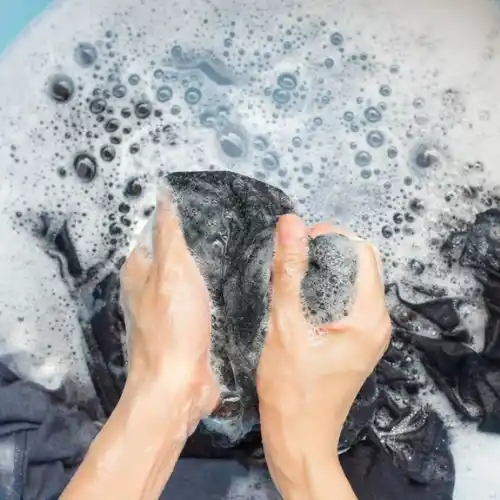
The hot salt wash uses sodium chloride (table salt) to accelerate dye removal in conjunction with heat. Salt acts as a dye mordant, helping the color release from cotton fibers more quickly than heat alone. This method produces moderate fading in a single treatment.
Best suited for achieving subtle fading effects on 100% cotton garments. Synthetic blends require longer treatment times and higher salt concentrations.
Step-by-Step Process
- Dissolve 1 cup (250g) of table salt in 4 liters (1 gallon) of boiling water.
- Allow the solution to cool to 70°C (158°F) before adding the T-shirt.
- Submerge the garment and soak for 60 minutes, stirring every 15 minutes.
- Remove using tongs and rinse immediately with cold water.
- Machine wash on a cold delicate cycle to remove salt residue.
- Air dry flat and assess the fade before repeating.
Drawbacks of Hot Salt Wash
- Salt residue causes fabric stiffness if not rinsed thoroughly.
- Repeated treatments cause salt crystals to accumulate in fabric, degrading fiber integrity over time.
- Less effective on pre-fixed dyes that have been heat-set or treated with dye mordants.
Key Considerations Before Fading a T-Shirt
Several factors determine which fading method will work best for your garment. Evaluate each of these before beginning any treatment:
- Fabric composition: 100% cotton fades most predictably. Cotton-polyester blends require 2–3× longer treatment times due to synthetic dye resistance.
- Initial color depth: Light pastels require 1–2 treatments. Deep jewel tones require 4–6 treatments for noticeable fading.
- Dye type: Reactive dyes (common on cotton) respond to acids and bleach. Disperse dyes (common on polyester) require higher temperatures and solvent-based fading agents.
- Garment condition: New garments have tighter weaves that fade more evenly than worn garments with pre-existing stress marks.
- Desired outcome: Subtle fading requires gentle methods (sun, lemon juice). Drastic fading requires aggressive methods (bleach, hot wash).
Quick-Reference: Key Measurements
| Parameter | Value |
|---|---|
| Bleach concentration (household) | 3–8% sodium hypochlorite |
| Hot wash temperature | 60–70°C (140–158°F) |
| Dryer temperature (high heat) | 65–75°C (149–167°F) |
| Baking soda pH | ~8.3 |
| Lemon juice pH | 2.0–2.5 |
| Vinegar pH | 2.5–3.5 |
| UV wavelength for dye breakdown | 280–400nm (UVA + UVB) |
| Cotton shrinkage (first hot wash) | 3–5% |
| Dryer shrinkage | 5–7% |
| Sun fading time (per side) | 4–8 hours |
| Bleach max cycles | 3 (to prevent fabric degradation) |
| Lemon juice soak (max) | 3 hours before fiber damage |
Tips for Achieving Consistent Fading Results
- For subtle, uniform fading on light-colored shirts, dilute bleach to 1-part bleach per 10-parts water and soak for 20 minutes.
- For drastic fading on white cotton, apply undiluted household bleach directly to targeted areas using a sponge, let stand 5–10 minutes, then rinse thoroughly.
- Rinsing with cold water after any bleaching treatment sets the remaining color by halting the oxidation process.
- Combining methods—such as first bleaching, then sun drying—produces more even results than a single aggressive treatment.
- Track your process: note the date, method, temperature, duration, and number of repetitions for each fading session.
Frequently Asked Questions
Vinegar as a Fabric Whitener
Yes, vinegar acts as a natural fabric whitener by breaking down alkaline residues and lifting faded dyes from fabric fibers. Soak white garments in a solution of 1 part white vinegar to 4 parts warm water (approximately 40°C/104°F) for 30–60 minutes, then launder as usual for best results.
Sunlight’s Effect on Fabric Color
Sunlight causes photodegradation of fabric dyes through UV radiation exposure. Continuous sunlight exposure fades cotton fabrics by 20–40% after 40–60 hours of exposure. Wet fabric fades 40% faster than dry fabric due to increased oxygen availability for the oxidation reaction.
Fading Cotton Garments
Cotton is a natural cellulose fiber that responds well to both chemical and natural fading agents. Bleach, lemon juice, vinegar, and UV exposure all effectively break down the covalent bonds in cotton dyes. Results depend on the initial dye concentration, treatment duration, and number of repetitions.
Sun Fading Duration
Sun fading requires 4–8 hours of direct sunlight exposure per side to achieve visible results on colored cotton. A total treatment spans 2–5 days depending on sunlight intensity, fabric weight, and desired fade level. Cloud cover reduces effectiveness by 60–70% compared to direct sun exposure.
Conclusion
Fading a T-shirt is an effective way to transform an old garment into a stylish, vintage-inspired piece. Multiple methods exist to achieve your desired look—from gentle natural treatments like lemon juice and sun exposure to more aggressive chemical approaches using household bleach. Each technique offers distinct advantages and drawbacks depending on your fabric type, timeline, and desired outcome.
Start with a test garment to understand how your specific fabric responds to each method. Document your process to replicate successful results consistently. With careful attention to timing, temperature, and concentration, you can achieve professional-quality fading at home.
Thanks for reading! If you have any questions about fading specific fabric types, leave a comment below.
References
- Wikipedia. (2024). Sodium hypochlorite. Wikimedia Foundation. Retrieved from https://en.wikipedia.org/wiki/Sodium_hypochlorite
- Wikipedia. (2024). Bleach. Wikimedia Foundation. Retrieved from https://en.wikipedia.org/wiki/Bleach


