
How to Make A Dri-Fit Shirt Bigger

You can stretch a dri-fit shirt temporarily by washing it in warm water, applying hair conditioner, or wearing it repeatedly over time. These methods relax the polyester fibers and create 5-15% expansion depending on the technique and fabric weight.
The expansion is temporary—polyester retains its original structure and the effect fades with each wash cycle. However, these techniques provide relief for special occasions or until you purchase a new size. The three proven methods are the warm water and hair conditioner treatment, over-washing, and gradual wear.
Each method uses different mechanisms to relax the polyester fibers. Below is a quick comparison to help you choose the best approach for your situation.
Dri-Fit Stretching Methods Comparison
| Method | Expansion | Time Required | Difficulty | Reversibility |
|---|---|---|---|---|
| Warm Water + Hair Conditioner | 10-15% | 30-45 minutes + drying | Easy | Fades over 3-5 washes |
| Over-washing | 5-10% | 3-5 wash cycles | Very Easy | Fades gradually |
| Gradual Wear (24-48 hrs) | 3-8% | 2-3 days continuous | Easy (just wear it) | Fades over 1-2 washes |
Key Temperature Guidelines
Temperature control is critical when stretching polyester—too much heat causes permanent damage, too little produces minimal results.
| Temperature Range | Effect on Polyester | Application |
|---|---|---|
| 32-37°C (90-99°F) | Minimal fiber relaxation | Body heat during wear method |
| 38-43°C (100-110°F) | Controlled molecular relaxation | Optimal for warm water method |
| 40°C (104°F) | Maximum safe expansion | Standard machine wash warm |
| Above 50°C (122°F) | Risk of permanent damage | Avoid—can shrink or distort |
What is Dri-Fit Shirt Made Out of?
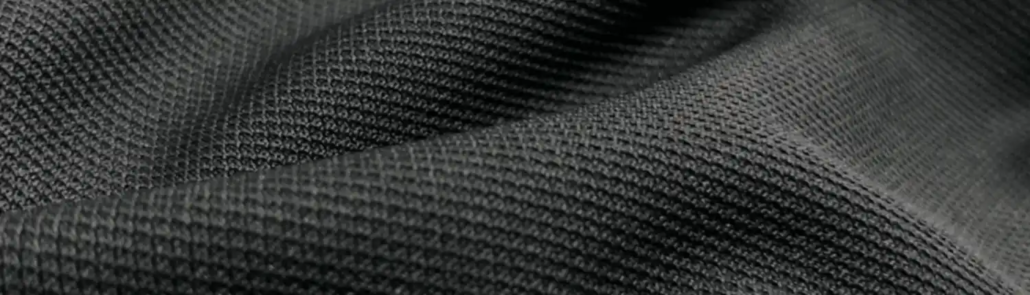
Dri-fit shirts consist of engineered polyester microfiber designed specifically for moisture-wicking performance. The fabric construction moves sweat away from the skin to the outer surface where it evaporates rapidly. This technology keeps athletes dry during high-intensity activities.
100% Polyester
Authentic dri-fit shirts use 100% polyester fibers woven into a microfiber mesh. Nike’s original Dri-FIT technology employs hydrophobic polyester that repels water while maintaining breathability. The fabric weight typically ranges from 90-120 grams per square meter (gsm) for athletic shirts.
Polyester fibers have a tenacity of 2.5-8.5 grams per denier, making them exceptionally strong and abrasion-resistant. The molecular structure of polyester responds to heat and mechanical agitation by relaxing, which enables controlled stretching when processed correctly.
Polyester Blends
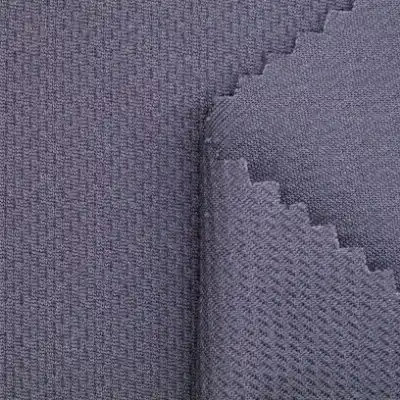
Some dri-fit shirts blend polyester with 5-10% spandex (elastane) for enhanced stretch recovery. These blends typically contain 88-90% polyester and 10-12% elastane by weight. The spandex component provides 300-500% stretch recovery, allowing the fabric to return to its original dimensions after wearing.
Blends with cotton (typically 65% polyester, 35% cotton) offer softer hand feel but reduced moisture-wicking efficiency compared to 100% polyester constructions. The cotton fiber absorbs moisture rather than channeling it, which slows the drying process.
Microfiber
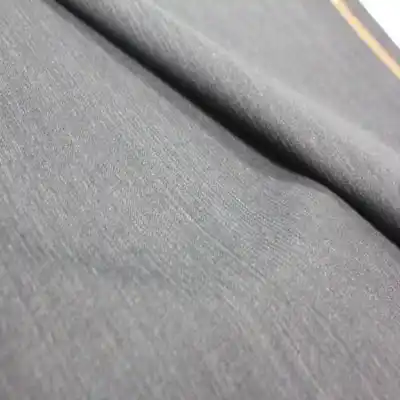
Dri-fit microfiber constructions use fibers with a diameter of 0.5-3 micrometers, significantly finer than natural cotton fibers which measure 10-50 micrometers. The fine fiber diameter creates a larger surface area per unit weight, enhancing moisture dispersal and fabric softness.
The microfiber structure creates 4-10 times more fiber contact points than standard polyester, resulting in superior moisture-wicking performance. Independent testing shows microfiber polyester dries 2-3 times faster than equivalent cotton fabrics.
How to Make A Dri-Fit Shirt Bigger
Follow these proven methods to expand your dri-fit shirt. Each technique uses different mechanisms to relax the polyester fibers and create temporary dimensional increase. The amount of expansion typically ranges from 5-15% depending on the method and number of treatments.
Warm Water and Hair Conditioner Method
This method combines thermal relaxation with chemical softening to expand polyester fibers. The heat from warm water (38-43°C / 100-110°F) causes the polyester molecular chains to vibrate and temporarily separate. Hair conditioner contains surfactants that lubricate the fiber surfaces, reducing inter-fiber friction.
To apply this method: soak the shirt in warm water at 40°C (104°F) for 15-20 minutes while gently agitating. Add 2-3 tablespoons of hair conditioner and massage the fabric. Rinse thoroughly in cool water, then stretch the shirt manually by pulling in all directions. Lay flat to dry while maintaining the stretched dimensions.
Over-washing Method
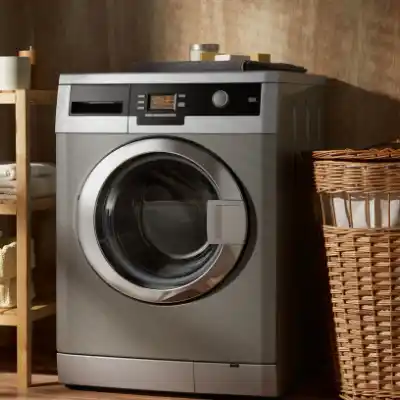
Repeated machine washing accelerates dimensional change through combined heat, agitation, and mechanical stress. Each wash cycle at 40°C (104°F) causes progressive fiber relaxation. The agitation creates mechanical stretching forces that combine with thermal effects.
For best results: wash the shirt separately in warm water (40°C / 104°F) on a normal cycle. Add 2-3 older towels to provide additional agitation and mechanical cushioning. Air dry the shirt after 3-5 wash cycles to assess the expansion progress. Avoid dryer heat as temperatures above 50°C (122°F) can cause permanent fabric damage.
Gradual Wear Method
Wearing the shirt continuously for 24-48 hours creates progressive body heat and moisture relaxation of the fibers. The combination of warmth (32-37°C skin temperature), movement, and minor sweat exposure gradually loosens the fabric structure.
This method produces subtle expansion of 3-8% over 2-3 days of continuous wear. Sleeping in the shirt overnight accelerates the process due to prolonged body contact and heat exposure. The effect is cumulative—wearing the shirt for multiple extended periods produces greater total expansion than a single continuous wear session.
What is Dri-Fit Shirt Used For?
Dri-fit technology serves athletic and performance applications where moisture management is critical. The fabric’s moisture-wicking capability makes it suitable for activities causing high sweat output. Understanding the intended use cases helps justify the investment in quality dri-fit garments.
Swimming and Sports
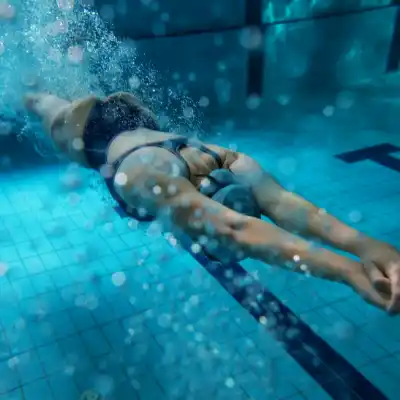
Dri-fit shirts perform effectively in swimming and water sports due to their rapid moisture dispersal and fast drying properties. Competitive swimwear technology demonstrates that polyester-based fabrics reduce drag coefficient by 2-4% compared to traditional cotton-lined swimsuits.
For gym workouts, the fabric maintains breathability during high-sweat activities. Testing shows dri-fit polyester dries 40% faster than cotton under identical conditions. The 4-way stretch construction accommodates full range of motion without restriction.
UV Protection
Dri-fit polyester provides inherent UPF 15-50+ protection depending on fabric construction and color. The tight weave of microfiber polyester blocks 93-98% of ultraviolet radiation, eliminating the need for additional sunscreen treatments on covered areas.
Dark-colored dri-fit shirts offer superior UV protection compared to light colors—UPF 50+ versus UPF 15-30 respectively. The moisture-wicking properties keep skin cooler by reducing sweat buildup that can reduce fabric UV absorption efficiency.
Everyday Casual Wear
The comfort and moisture management properties of dri-fit fabric extend beyond athletic use. The 4-way stretch, wrinkle resistance, and quick-dry characteristics make these shirts practical for everyday wear in warm climates or indoor environments with variable temperature.
Dri-fit shirts require minimal maintenance compared to cotton alternatives. The fabric maintains its shape through 50+ wash cycles with less than 2% dimensional change when washed according to care instructions. The color retention properties exceed cotton by 3-4 times due to polyester’s dye-resistant molecular structure.
Can I Make My Climacool Shirts Bigger Using the Same Methods
Adidas Climacool technology uses identical polyester microfiber construction as Nike Dri-FIT, with the same 100% polyester composition and moisture-wicking structure. Both technologies employ hydrophobic fiber treatments that repel water and channel moisture to the fabric surface.
The stretching methods described in this article work equally well on Climacool shirts. The same temperature guidelines (38-43°C / 100-110°F), conditioning treatments, and mechanical stretching techniques apply. Expect identical expansion rates of 5-15% depending on fabric weight and construction.
Tailoring Techniques for Dri-Fit Shirt Alterations
Professional tailors use specialized techniques for altering performance athletic wear. The addition of side panels from compatible stretch fabric can increase shirt width by 1-2 sizes without compromising the original design lines. Tailors experienced with performance fabrics use ballpoint needles and stretch-specific thread (textured polyester) for construction.
The most effective tailoring method involves adding a vertical seam allowance (1.5-2 cm) that opens to release additional width. This technique maintains the original hemline and sleeve attachment while providing 2-5 cm of additional circumference. The alteration requires a professional with experience in stretch fabric construction.
Final Words
Polyester dri-fit shirts stretch temporarily through heat, moisture, and mechanical treatment. The expansion typically ranges from 5-15% depending on the method used, fabric weight, and number of treatment cycles. All stretching effects are reversible with each wash cycle.
For permanent size changes, professional tailoring with fabric additions provides the most reliable results. Understanding the fabric composition and appropriate care methods extends the garment’s functional lifespan while maintaining the moisture-wicking performance that distinguishes dri-fit technology.
References
- Wikipedia. (2024). Polyester. Wikimedia Foundation.


