
Does Canvas Shrink When Washed? – Insider Secrets

Yes, canvas shrinks when washed. Untreated cotton canvas typically shrinks 3%–5% in both width and length during a standard wash cycle, while duck canvas—a denser weave—can shrink 5%–8%. Pre-washed or pre-shrunk canvas shrinks less than 1%.
Understanding canvas fabric care protects your investment in bags, tents, tarps, and artwork supports. This guide covers the science of shrinkage, every factor that influences it, and the exact washing methods that preserve your canvas items through repeated use.
How Much Does Canvas Shrink When Washed?
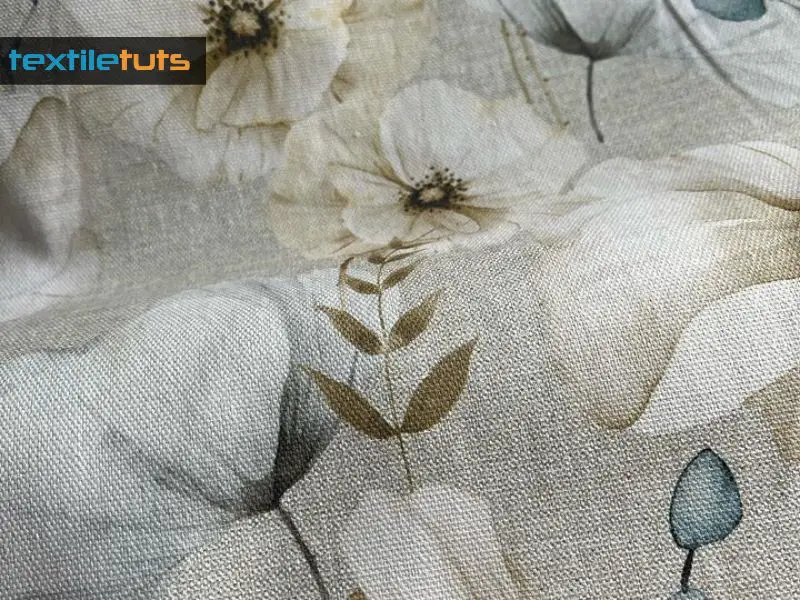
Canvas is a plain-woven fabric traditionally made from hemp but now typically crafted from cotton or linen fibers. Its tight, even weave provides the strength that makes canvas ideal for sails, tents, backpacks, and painting supports.
| Canvas Type | Shrinkage Rate | Water Temp | Cycle |
|---|---|---|---|
| Untreated Cotton Canvas | 3%–5% | 105°F (40°C) | 30 min agitation |
| Duck Canvas | 5%–8% | 105°F (40°C) | 30 min agitation |
| Pre-Washed / Pre-Shrunk | <1% | Any | Any |
| Cotton-Polyester Blend | 1%–3% | 105°F (40°C) | 30 min agitation |
These figures come from standard textile shrinkage tests conducted at water temperatures of 105°F (40°C) with a 30-minute agitation cycle. Duck canvas shrinks more because its threads have less room to compress before encountering resistance from neighboring fibers.
Pre-washed or pre-shrunk canvas undergoes a stabilization process that reduces shrinkage to less than 1%. Manufacturers achieve this through mechanical compression or chemical treatments that pre-contract the fibers. If your canvas item is labeled pre-washed or pre-shrunk, expect minimal dimensional change on the first and subsequent washes.
Once canvas has shrunk, the process is irreversible. Stretching shrunk canvas back to its original dimensions is not possible without specialized equipment and reweaving. Prevention through proper first washing is the only reliable strategy.
Why Does Canvas Shrink When Washed?
Canvas shrinks because of a combination of fiber hydration, mechanical agitation, and heat. Cotton and linen fibers absorb water, causing the cellulosic fibers to swell. Agitation from a washing machine or dryer causes the swollen fibers to compress and realign. Heat accelerates this process by weakening the hydrogen bonds that hold cotton fibers in their relaxed state.
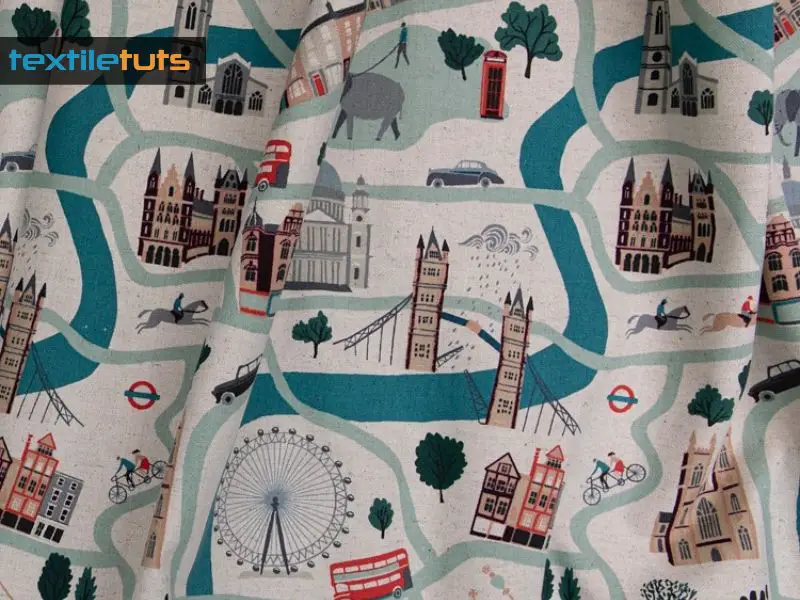
Several specific factors determine how much shrinkage occurs:
Fiber Type and Cotton Content
Canvas made from 100% cotton shrinks more than canvas made from cotton-polyester blends. Cotton fibers are composed of cellulose, a hydrophilic polymer that absorbs up to 8 times its weight in water. When cotton canvas gets wet, the fibers swell radially by approximately 8%–10% and then contract as they dry under agitation, resulting in permanent dimensional reduction.
Weave Density
Canvas is known for its tight weave, which contributes to its durability. Tighter weaves shrink more than loose weaves because there is less space between threads to absorb the initial swelling. Duck canvas, which has a thread count of 60–70 threads per square inch compared to standard canvas at 40–50, exhibits higher shrinkage rates because its densely packed threads compress more aggressively during agitation.
Water Temperature
Higher water temperatures accelerate canvas shrinkage. At 80°F (27°C), cotton canvas shrinks approximately 2%–3%. At 105°F (40°C), shrinkage increases to 3%–5%. At 140°F (60°C) or higher, shrinkage can reach 5%–8%. The heat increases fiber mobility, allowing fibers to settle into a more compact configuration during drying.
Fabric Finish and Treatments
Pre-shrinking treatments applied during manufacturing contract the fibers before the canvas reaches consumers. Waterproofing coatings, fire retardants, and UV-resistant finishes can alter how fibers respond to moisture and heat, sometimes increasing shrinkage and sometimes reducing it depending on the chemical composition.
Repeated Wash Cycles
Canvas does not shrink all at once. Each wash cycle causes incremental shrinkage as fibers continue to reconfigure under repeated hydration and agitation. Research on cotton canvas has shown that approximately 80% of total shrinkage occurs in the first three wash cycles, with the remaining 20% distributed across subsequent cycles.
Pre-Washing Canvas: Benefits and Drawbacks
Pre-washing canvas—washing it before sewing or crafting—is a common practice among textile professionals. Whether you should pre-wash depends on your project requirements.
Benefits of Pre-Washing Canvas
Dimensional Stability
Pre-washing eliminates primary shrinkage before your project is complete. This matters critically for garments and fitted items where size accuracy determines fit.
Softened Texture
Factory-new canvas often feels stiff, similar to cardboard. A wash in water at 80°F–100°F (27°C–38°C) with a mild detergent softens the fibers measurably. The fabric becomes more pliable and easier to cut, sew, or stretch onto a frame.
Chemical Residue Removal
Canvas often retains sizing agents, dyes, and processing chemicals from manufacturing. Pre-washing removes these residues, preventing interference with paints, stains, or waterproofing coatings applied afterward.
Improved Paint Adhesion
Pre-washing ensures that sizing and chemicals from manufacturing do not block paint absorption. For artists applying fabric paints or printing, a clean, pre-washed surface produces more vibrant, longer-lasting colors.
Drawbacks of Pre-Washing Canvas
Wrinkling
Machine washing creates deep creases and folds that are difficult to remove. Heavy wrinkles may require ironing at a medium-high setting with steam, adding extra preparation time before sewing or painting.
Color Fading
Dyed canvas may bleed or fade during washing, particularly in the first two cycles. Colors typically shift one to two shades lighter after three washes in warm water.
Edge Fraying
Raw canvas edges fray significantly during machine washing. Unfinished edges may unravel by 1/8 inch to 3/16 inch per side, requiring overlocking or seam sealing before the fabric is workable.
Decision Framework
- Pre-primed or pre-primed artist canvas: Do not pre-wash. Washing strips primer and backing required for paint adhesion.
- Raw cotton canvas for garments or accessories: Pre-wash to eliminate primary shrinkage before cutting and sewing.
- Dyed canvas items (bags, tents, outdoor gear): Test-wash a small swatch first to check for colorfastness before full washing.
- Uncertainty about finish or treatment: Hand wash in cold water with mild detergent rather than machine washing.
Washing and Care Instructions That Prevent Shrinkage
Follow these evidence-based practices to maintain your canvas items at their original dimensions through every wash cycle.
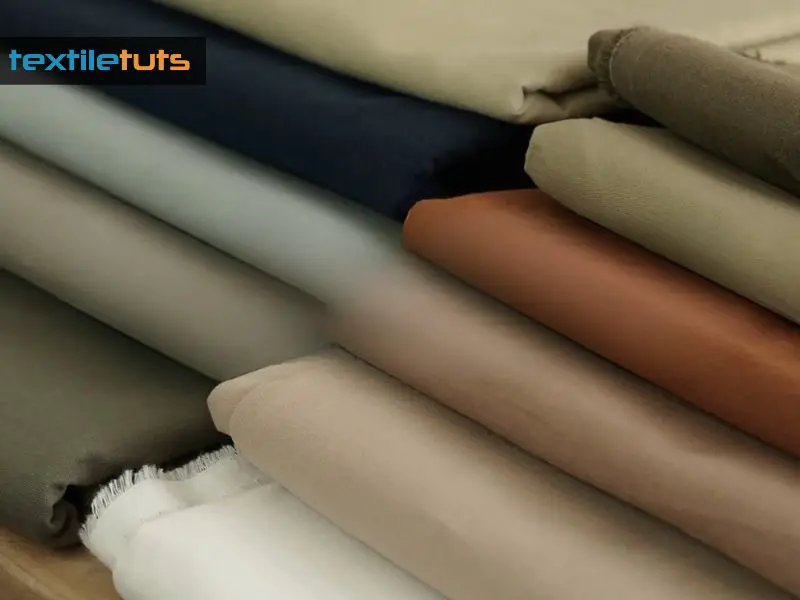
Water Temperature Quick Reference
| Temperature | Shrinkage Risk | Recommendation |
|---|---|---|
| Cold (below 80°F / 27°C) | Minimal (1%–2%) | Safe for all canvas types |
| Warm (80°F–100°F / 27°C–38°C) | Low (2%–3%) | Use for heavily soiled items only |
| Hot (105°F–140°F / 40°C–60°C) | Moderate to High (3%–8%) | Avoid unless pre-shrunk canvas |
| Very Hot (above 140°F / 60°C) | Severe (5%–8%) | Never use on untreated canvas |
Water Temperature
Always use cold water at 80°F (27°C) or below when washing canvas. This temperature is low enough to prevent significant fiber relaxation while still effectively cleaning surface dirt and stains. If your canvas item is heavily soiled, pre-treat stains with a enzyme-based stain remover rather than increasing water temperature.
Wash Cycle Selection
Select the gentle or delicate cycle on your washing machine. This reduces both agitation speed and cycle duration, limiting the mechanical stress that drives fiber compression. Add a front-loading machine setting if available—front loaders produce less agitation than top loaders and reduce shrinkage by approximately 1%–2% per cycle.
Detergent Selection
- Use a mild, pH-neutral detergent formulated for delicates. Harsh detergents with high pH accelerate fiber degradation and can strip waterproof coatings.
- Never use chlorine bleach on cotton canvas. Bleach degrades cotton fibers at the molecular level, weakening the fabric and increasing brittleness.
- For waterproofed canvas, use a cleaner specifically designed for technical fabrics—standard detergents can degrade DWR (durable water repellent) coatings.
Hand Washing Method
Hand washing produces the lowest shrinkage of any cleaning method. Soak the canvas item in a basin of cold water with a teaspoon of mild detergent for 15 minutes. Gently agitate by hand, then rinse thoroughly with cold water. Press out excess water without wringing—wringing creates mechanical stress that can distort the fabric’s shape.
Drying Methods
Air drying is the only reliable method for preventing heat-induced shrinkage. Hang canvas items in a location with good air circulation, away from direct sunlight which causes UV degradation and color fading. Alternatively, lay items flat on a clean, dry towel and allow them to dry naturally.
Never use a tumble dryer for canvas items. The combination of heat and tumbling is the most aggressive shrinking condition—tumble drying at medium heat for 30 minutes can shrink untreated canvas by 5%–8% in a single cycle.
Storage
- Store canvas items in a cool, dry location. Humidity above 70% relative humidity accelerates cotton degradation and promotes mold growth on untreated canvas.
- Roll canvas items rather than folding them. Folding creates creases where fibers experience sustained compression, and repeated creasing can lead to stress shrinkage in those areas during later washing.
Spot Cleaning
Treat stains immediately with localized spot cleaning rather than washing the entire item. Dampen a clean cloth with cold water and mild detergent, dab the stain gently, then rinse with a clean, damp cloth. This approach eliminates the full wash cycle entirely for minor spills, preserving the canvas’s dimensions and finish.
Ironing
If ironing is necessary to remove wrinkles, use a low-heat setting (synthetic or wool mode) with a pressing cloth placed between the iron and the canvas. High heat without a pressing cloth can cause localized shine and may trigger additional shrinkage in the ironed areas.
Waterproofing Reapplication
After washing, apply a waterproofing spray specifically designed for canvas if water repellency is required. Allow the canvas to fully dry before application, and reapply every 30–40 wash cycles or at the start of each outdoor season for frequently used items.
Summary
Canvas shrinks when washed. Untreated cotton canvas shrinks 3%–5% in width and length per wash cycle. Duck canvas shrinks 5%–8% because of its denser weave. Pre-washed or pre-shrunk canvas shrinks less than 1%.
The primary drivers of shrinkage are water temperature above 80°F (27°C), mechanical agitation, and heat during drying. Each factor compounds the others. Preventing shrinkage requires controlling all three: wash in cold water on a gentle cycle, never tumble dry, and store in a cool dry place.
References
- Wikipedia. (2025). Canvas. Wikimedia Foundation.


