
Does Flannel Shrink? Pre-Washing and Care Tips

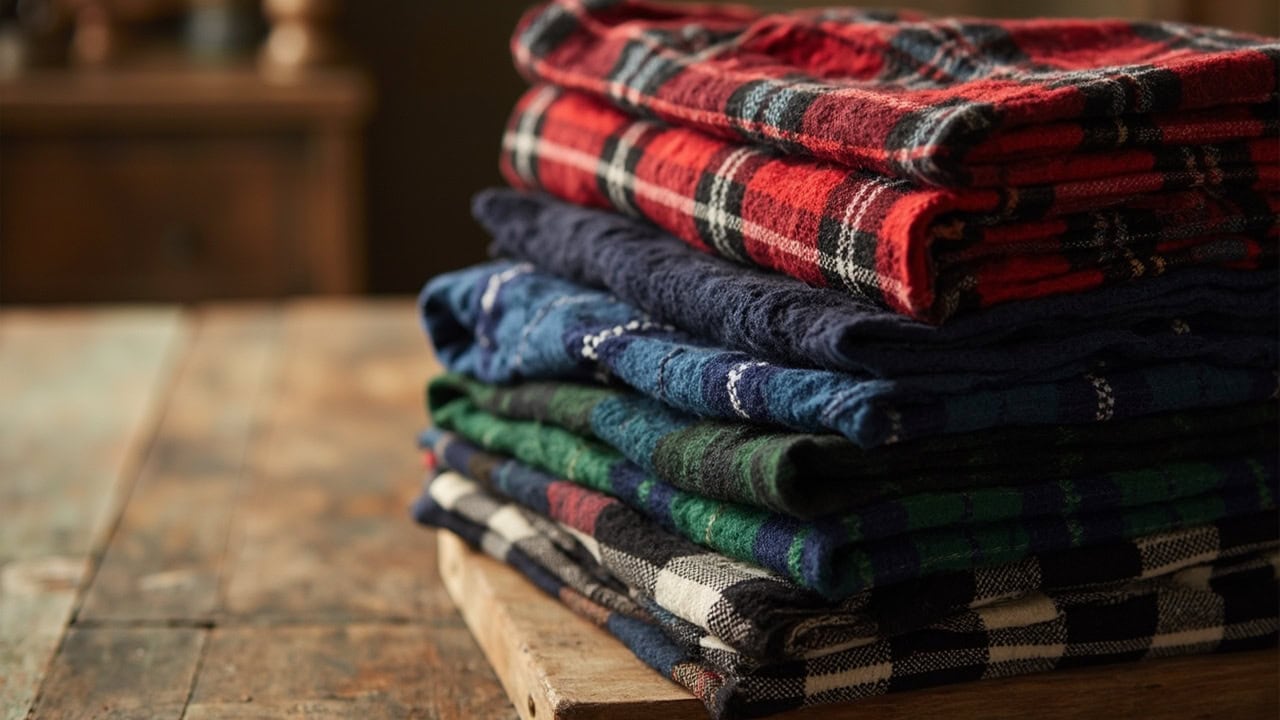
Flannel shrinks 4–6% in warm water (40°C) on first wash and up to 10% or more in hot water (60°C). This makes pre-washing flannel before sewing a critical step — cutting patterns from un-washed flannel fabric and then laundering the finished garment produces significant size reduction. The napped (raised fiber) surface of flannel also affects how shrinkage is perceived.
What Is Flannel? Fiber Composition and Why It Shrinks
Flannel is a soft woven fabric with a napped (brushed) surface created by a mechanical process that raises fine fibers from loosely spun yarns. The result is the characteristic fuzzy feel that makes flannel so comfortable against skin. Flannel originated in Wales in the 17th century and has been a staple in garment and quilting circles ever since.
The most common type of flannel is cotton flannel, which behaves identically to other cotton woven fabrics when it comes to shrinkage. Cotton fibers are cellulose-based and absorb significant amounts of water, causing them to swell and contract during washing and drying. This relaxation shrinkage occurs as the fabric releases the tension it was under during weaving.
Wool flannel, by contrast, undergoes a different dimensional change mechanism: felting. When wool is exposed to moisture, heat, and agitation, the scales on individual fibers interlock and cause the fabric to contract in a permanent, irreversible process. This felting shrinkage is distinct from the relaxation shrinkage seen in cotton. For details on wool shrinkage behavior, see our article on whether wool shrinks.
Flannel used for quilting is almost exclusively 100% cotton. Pre-washing before cutting quilt blocks is considered an industry standard among quilters because it eliminates the variables that cause finished quilts to distort or shrink noticeably after laundering.
How Much Does Cotton Flannel Shrink?
Cotton flannel shrinkage varies significantly based on wash temperature. Length shrinkage (in the direction of the warp threads) consistently exceeds width shrinkage due to the warp tension imposed during weaving — the tighter stretched lengthwise yarns have more energy to release when washed. The napped surface also adds visual bulk, which can make shrinkage appear more dramatic than the actual dimensional change.
| Wash Temperature | Shrinkage (Width) | Shrinkage (Length) |
|---|---|---|
| Cold (20°C) | 1–2% | 2–3% |
| Warm (40°C) | 2–4% | 4–6% |
| Hot (60°C) | 4–7% | 8–10%+ |
| Hot + Dryer | 7–10% | 10–15%+ |
For context, the AATCC (American Association of Textile Chemists and Colorists) Test Method 135 measures dimensional changes in fabrics after repeated home laundering. This standard is the benchmark the textile industry uses for evaluating shrinkage — cotton woven fabrics typically target no more than 3–5% residual shrinkage after manufacturing finishing processes.
A standard adult quilt block cut at 12 inches can lose nearly an inch on each side after a hot wash and dryer cycle. For a twin-size quilt with 12 blocks across and 14 blocks down, that cumulative shrinkage transforms a 60-inch-wide finished quilt into one approximately 52 inches wide — a loss of 8 inches that ruins the proportions of most quilt patterns.
Pre-Washing Flannel: The Quilter’s Protocol
Pre-washing all flannel before cutting quilt blocks or sewing garments is the single most important step you can take to ensure your finished project maintains its intended dimensions. This step is non-negotiable in the quilting community and is equally critical for garment sewers.
The core principle is simple: match your pre-wash conditions to the wash conditions the finished item will actually receive. If you intend to wash the finished garment or quilt in hot water, pre-wash in hot. If you plan to wash cold, pre-wash cold. Pre-washing in conditions gentler than your actual laundering conditions will still leave the fabric vulnerable to unexpected shrinkage later.
For items that will be laundered frequently — baby quilts, children’s garments, or heavily-used bedding — pre-wash two or even three times to accelerate the fabric through multiple shrinkage cycles, reaching a stable state before cutting. Each subsequent wash produces diminishing shrinkage returns; after two to three cycles, the fabric is typically as stable as it will ever get.
After pre-washing, press the flannel flat before cutting. Wrinkled fabric introduces cutting errors that compound across a quilt or garment. Use a medium-hot iron with steam while the fabric is still slightly damp — the steam helps relax any remaining wrinkles without applying excessive direct pressure that could distort the napped surface.
One critical benefit of pre-washing that is often overlooked: the process removes sizing and surface finishes applied by the fabric manufacturer. These sizing agents (typically starch or synthetic polymers) give fabric a crisp hand off the bolt but wash out on the first laundering, contributing to first-wash shrinkage. Removing them before cutting means the dimensional change happens on your terms, not the garment or quilt’s.
How to Wash Flannel Clothes Without Further Shrinkage
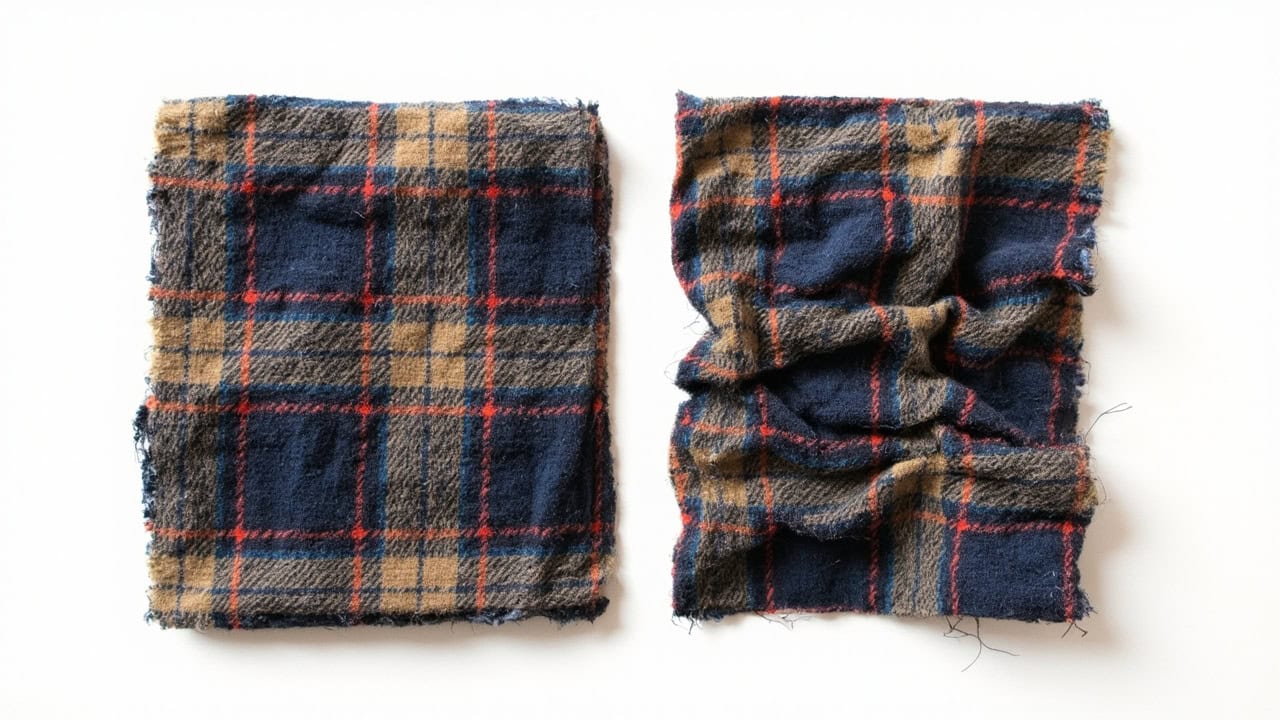
Once flannel has been properly pre-washed, it is relatively dimensionally stable in subsequent laundering — provided you follow sensible care practices. The napped surface itself does not cause shrinkage; shrinkage is a function of the underlying cotton fiber structure responding to moisture and heat.
Wash pre-washed flannel in cold to warm water (20–40°C) for day-to-day maintenance. The gentle to normal cycle is appropriate; heavy-duty cycles impose more mechanical agitation that can accelerate fiber loss from the napped surface over many washes. Front-loading washing machines are generally gentler on fabrics than top-loaders with agitators.
For drying, low to medium heat in the dryer is acceptable for pre-washed flannel items. Line drying preserves maximum dimensions and extends fabric life by eliminating heat exposure entirely. If you use a dryer, remove items promptly when the cycle ends to prevent prolonged heat exposure and the wrinkles that come with over-drying.
Prolonged high heat is the enemy of flannel dimensional stability in the long term. Even pre-washed flannel will continue to shrink incrementally — typically 0.5–1% per wash — when subjected to hot water and high-heat drying repeatedly. For heirloom items or frequently-washed quilts, this cumulative effect matters.
Iron flannel on medium heat with steam while the fabric is still slightly damp. The napped surface flattens slightly under steam, producing a crisp but soft finish. Avoid direct contact with a hot dry iron on high heat, which can scorch the cotton fibers or create shiny spots on the napped surface.
Flannel Softness Improvement Over Time
One characteristic of flannel that surprises newcomers is that it becomes noticeably softer with each wash. This is not a sign of fabric degradation — quite the opposite. The napped surface fibers break in and fluff up with repeated laundering, creating a progressively more plush hand. Pre-washed flannel is immediately softer than new off-the-bolt flannel because the initial washes have already begun this breaking-in process.
This softening is desirable for garments and next-to-skin applications but does not affect structural integrity. The cotton fibers themselves do not weaken from normal washing; AATCC laundering standards are designed to simulate dozens of home wash cycles without significant fiber damage. What does weaken flannel over time is abrasion — the physical rubbing of the napped surface against other fabrics in the wash drum, which gradually sheds short fibers. Using a gentle cycle and loading the machine appropriately (never overfilling) mitigates this.
Frequently Asked Questions
Q: How much does flannel shrink after washing?
A: Unwashed flannel typically shrinks 4–10% in the first wash depending on temperature. After the first wash (and especially after 2–3 washes), flannel is relatively stable and shrinks minimally in subsequent laundering.
Q: Should you pre-wash flannel before sewing?
A: Yes — always pre-wash flannel fabric before cutting sewing patterns. Pre-washing allows the fabric to reach its stable dimensions before you cut, preventing finished garments or quilts from distorting after laundering.
Q: Does flannel shrink in the dryer?
A: Yes — the dryer accelerates flannel shrinkage beyond what washing alone causes, especially on high heat. For maximum shrinkage (intentional pre-shrinking), run flannel through a hot wash and high-heat dryer cycle before cutting.
References
- Wikipedia. (2025). Flannel. Wikimedia Foundation.
- AATCC. (2018). AATCC Test Method 135 – Dimensional Change of Fabrics After Home Laundering. American Association of Textile Chemists and Colorists.
- Cotton Incorporated. (n.d.). Cotton Fabric Guide. cottoninc.com
- CottonWorks. (n.d.). Flannel Fabric Information. cottonworks.com


