
A Complete Guide for Hand Dyeing Yarn for Beginners – Explained!

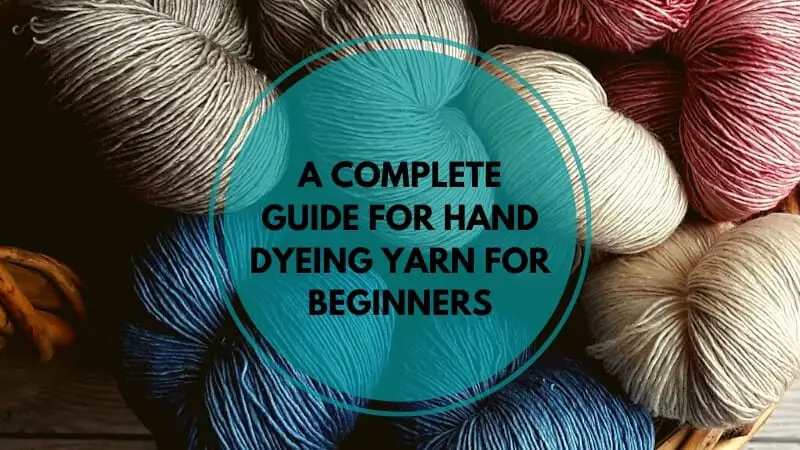
Hand-dyeing yarn at home allows you to create unique ombre gradients and vibrant tonal colorways that commercial yarn shops cannot provide. The process involves soaking yarn in an acid solution, applying dye colors using squeeze bottles, then heat-setting for permanent color bonding. With basic materials—white vinegar, food-grade dyes, and microwave heating—you can achieve professional-quality results.
Commercial yarn selections are limited, and achieving specific color combinations requires custom dyeing. This guide covers the complete hand-dyeing process, from material selection through final rinsing.
Dye Type and Fiber Compatibility Quick Reference
| Dye Type | Best Fiber Types | Acid Required | Temperature | Color Fastness |
|---|---|---|---|---|
| Acid Dye | Wool, alpaca, silk, nylon, mohair | Yes (vinegar or citric acid) | 185-210°F (85-98°C) | Excellent (4-5 rating) |
| Direct Dye | Cotton, linen, rayon, wool, silk | No | 200-212°F (93-100°C) | Good |
| Mordant Dye | Protein and cellulose fibers | Varies by mordant type | 180-200°F (82-93°C) | Very Good |
| Natural Dye | Cotton, linen, wool, silk | Optional (alum preferred) | 180-200°F (82-93°C) | Moderate (may fade) |
| Disperse Dye | Acrylic, polyester, nylon | No | 200-212°F (93-100°C) | Good |
Types of Dyes and Their Application
This section details common dye types and their specific applications in yarn dyeing.
Understanding these categories helps you acquire high-quality fabric dye products and select appropriate dyes for your yarn type.
Not all dyes are safe for home use. Some formulations contain toxic compounds and require professional ventilation systems.
Select dyes labeled as environment-friendly, easy to apply, and formulated for residential use without specialized equipment.
Natural Dye
Natural dyes derive from plant sources including indigo leaves, madder root, weld, and walnut hulls. These pigments have been used for textile coloration for over 4,000 years.
Synthetic dyes replaced natural dyes in the 1850s due to lower production costs and more consistent color reproduction. However, natural dyes remain popular among artisans seeking sustainable, non-toxic alternatives.
Common natural dye sources include avocado pits (producing dusty pink), onion skins (yielding golden yellow to olive green), black-eyed Susan flowers (creating warm yellows), and stinging nettles (emitting soft green hues).
Natural dyes typically wash out more easily than synthetic alternatives and may require re-dyeing to restore original color intensity.
Synthetic Dye
Synthetic dyes consist of petrochemical-derived compounds that offer superior color fastness and a broader spectrum of hues. They dominate commercial textile production due to their reliability and cost-effectiveness.
The major synthetic dye classes include acid dyes, basic dyes, mordant dyes, direct dyes, metal complex dyes, sulfur dyes, and vat dyes.
- Acid Dye
Acid dyes are water-soluble ionic dyes specifically formulated for protein fibers. Wool, alpaca, mohair, silk, and nylon respond exceptionally well to acid dyes due to their molecular structure.
The dyeing process requires adding white vinegar (acetic acid solution at 5-8% concentration) to the bath at a ratio of approximately 1 tablespoon per pound of yarn.
Acid dye baths typically reach temperatures between 185-210°F (85-98°C) and require 30-45 minutes for proper fiber penetration and color development.
- Direct Dye
Direct dyes apply directly to fabric without additional chemical processing, making them beginner-friendly. These dyes work through hydrogen bonding between the dye molecules and cellulose fibers.
Direct dyes eliminate the need for mordanting and simplify the dyeing process significantly. They produce lighter, softer color saturation compared to mordant dyes.
Suitable fibers for direct dyes include cotton, linen, rayon, wool, silk, and nylon. Deep black coloration requires specialized dyes formulated for dark shades.
- Mordant Dye
Mordant dyes require a binding agent (mordant) to attach permanently to fiber surfaces. Common mordants include alum (potassium aluminum sulfate), iron (ferrous sulfate), and chromium.
The mordant creates insoluble color complexes within the fiber structure, dramatically improving wash fastness and color depth.
Protein fibers such as wool require acid mordanting, while cellulose fibers typically use alum or iron mordants at concentrations of 10-15% by weight of fabric.
Factors to Consider Before Hand Dyeing Yarn
Understanding dye types and their applications helps you make informed decisions. Matching yarn fiber content to appropriate dyes ensures optimal color results.
Evaluating your project requirements, intended use, and desired color outcomes narrows your material choices significantly.
Yarn Fiber Type for Hand Dyeing
Plant fiber-based yarns including cotton, bamboo, and hemp absorb dye readily and produce vibrant, long-lasting colors.
Cotton yarn offers exceptional absorbency, allowing dye to penetrate deeply into fiber bundles. Its breathability ensures comfortable finished garments, and it rarely causes skin sensitivities.
Wool and other protein fibers require acid dyes but produce rich, saturated tones with excellent light fastness ratings of 4-5 on the AATCC grayscale.
Project Purpose
Your project’s intended use determines optimal yarn weight, fiber content, and color fastness requirements.
Summer garments, dishcloths, and scrubbies require cotton yarn with superior wash durability and moisture absorption. These items benefit from color-fast dyes that withstand repeated laundering at 140°F (60°C).
Winter accessories including hats, scarves, and mittens perform best in wool yarn, which provides natural water resistance and thermal insulation through its inherent fiber structure.
Dye Selection Based on Fiber Content
Yarn fiber composition directly determines appropriate dye chemistry. Mismatched dye selection results in poor color uptake and wash fastness.
Wool and protein-based fibers from sheep, goats (cashmere, mohair), rabbits (angora), and alpacas require acid dyes. Without acid modification, these fibers resist dye absorption.
White vinegar (5% acetic acid) at 1 tablespoon per pound of yarn serves as a safe, readily available acid bath component for home dyeing sessions.
Natural dyes work effectively on plant-based fibers including cotton, linen, hemp, and bamboo, though they typically produce softer, less saturated colors than synthetic alternatives.
Dyeing Acrylic Yarn
Traditional acrylic (polyester-based) yarns resist standard dyeing methods because synthetic fibers repel water-based dye solutions.
Modern disperse dyes specifically formulated for polyester and nylon blends now enable home dyers to color acrylic yarn successfully.
Jacquard iDye Poly represents one commercially available option for nylon and polyester blend dyeing, requiring stove-top heating at 200-212°F (93-100°C) for proper color development.
Washing Hand-Dyed Yarn
Machine washable yarns simplify project maintenance significantly. Superwash wool and cotton blends allow standard laundering without special handling.
Superwash wool undergoes a chlorine treatment followed by resin coating, enabling machine washing while preserving hand-knitting gauge and texture characteristics.
Hand-dyed yarn using acid dyes on superwash wool achieves color fastness ratings of 4-5 for wash fastness and 4 for light fastness when properly heat-set.
Step-by-Step Hand Dyeing Process at Home
Successful hand dyeing requires systematic preparation, precise measurement, and patient heat application. Each step builds upon the previous one.
Dyeing strategies vary by yarn type and desired outcome, but the fundamental process remains consistent across methods.
Results depend heavily on technique accuracy and adherence to recommended temperature and timing parameters.
Using cost-effective materials ensures profitability for crafters selling hand-dyed yarn without sacrificing quality.
Step 1: Gather Materials
Organize all required materials in a well-ventilated workspace with stable surfaces before beginning the dyeing process.
Yarn
Natural fiber yarns including cotton and wool represent the ideal choices for hand dyeing. Yarn weight affects dye absorption, with finer yarns requiring proportionally more dye than coarser weights.
For a particular depth of shade, finer yarns will require more dyes compared to coarser yarns if their weight is the same.
Select cotton or wool yarn with minimal processing (no fabric softener coatings) for optimal dye uptake. Inspect yarn for oil residue, which inhibits dye penetration.
Polyester and acrylic yarns present significant challenges for home dyeing. The color will flake off rather than bond with the fiber without specialized disperse dyes designed for synthetic materials.
Natural fiber yarn provides reliable, professional-quality results for home dyers.
Containers
Select containers sized appropriately for your yarn quantity. Smaller batches require less solution, while larger projects need containers with sufficient depth.
Soaking containers differ from painting containers in design requirements. Flat-surfaced containers work best for paint-on application, while deep containers with sloped sides suit immersion dyeing.
Stainless steel, glass, and food-grade plastic containers resist staining and clean easily between uses. Avoid aluminum containers with acid dyes, as they may react with the solution.
Dye
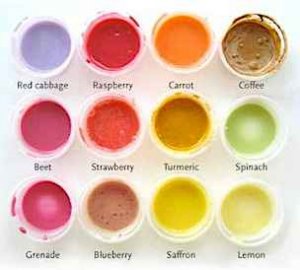
Natural dyes extracted from nettles, avocado skins, onion peels, and botanical sources provide affordable, non-toxic coloration for home dyers.
Wilton icing colors (food-grade FD&C dyes) offer an inexpensive spectrum of vibrant colors suitable for small-batch dyeing at approximately 1/2 to 1 teaspoon per 8 ounces of water.
Kool-Aid food coloring (containing citric acid) provides consistent, permanent color results in the UK and Europe, with 2-3 packets typically required per 8 ounces of water.
Acid or Mordant
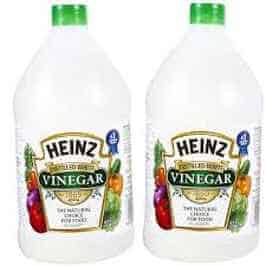
Acid is essential for protein fiber dyeing (wool, alpaca, silk) but optional for plant fibers when using direct dyes.
Wool yarn requires acid bath preparation using white vinegar at a concentration of 1 tablespoon per pound of dry yarn, or citric acid powder at 2-4% of yarn weight for more controlled pH adjustment.
Wear gloves and ensure adequate ventilation when handling concentrated acids. Professional-grade acid dyes may require additional safety equipment including respirators.
White vinegar (5% acetic acid) serves as a safe, readily available alternative to industrial acids for home dyeing sessions.
Mordants including alum improve color retention with natural dyes but introduce toxicity concerns. Vinegar provides adequate color consistency without these hazards.
Squeeze Bottle
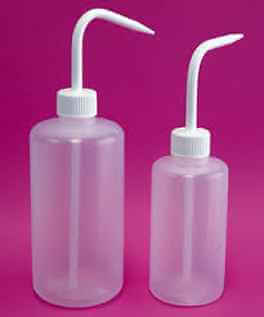
Squeeze bottles enable precise dye application in controlled patterns. Use dedicated bottles for each color to prevent cross-contamination.
Step 2: Prepare Yarn in Vinegar Solution
Submerge your yarn completely in room-temperature water, then add white vinegar at a ratio of 1 tablespoon per pound of yarn weight.
Allow the yarn to soak for a minimum of 30 minutes, preferably 60 minutes, to ensure complete fiber saturation and acid penetration through all yarn strands.
The acid solution modifies the protein structure of wool fibers, allowing dye molecules to bond effectively during the heating phase.
Step 3: Prepare Work Surface
Cover your work surface with plastic sheeting or plastic wrap to protect against dye staining. Secure edges to prevent slipping during application.
Plastic wrap works adequately for small projects, while heavy-duty plastic sheeting (4-6 mil thickness) provides better durability for larger dyeing sessions.
Skip plastic covering only on work surfaces you consider disposable, as dye removal from unsealed wood or fabric presents significant challenges.
Step 4: Mix Dye Colors
Combine dye colors according to your planned color mixing chart to achieve desired ombre or gradient patterns.
Use separate containers for each color mixture, measuring 1-2 teaspoons of concentrated dye per color batch.
Add 1 tablespoon of white vinegar and 2 cups of warm water to each color mixture. The vinegar ensures color stability and promotes fiber bonding during heat setting.
Transfer completed dye mixtures into squeeze bottles for precise, controlled application onto yarn surfaces.
Step 5: Apply Dye to Yarn
Remove yarn from the vinegar soak and squeeze out excess water gently. The yarn should remain damp but not dripping wet to ensure optimal dye absorption.
Spread the damp yarn evenly across the plastic-covered work surface. Apply dye colors using squeeze bottles, directing each color to its designated section.
Use your fingers to gently massage dye into yarn fibers, ensuring complete penetration through the entire yarn strand.
Allow color overlap at edges where different colors meet, creating natural gradient transitions as colors blend during heat setting.
Step 6: Heat Set for Color Permanency
Wrap the dyed yarn loosely in plastic wrap or cover with a microwave-safe lid to prevent drying during heating.
Microwave at medium power (50% setting) for 2-3 minutes for small batches. Allow yarn to rest for 2 minutes between heating intervals.
Total heat exposure time should reach 4-5 minutes for light colors and 6-8 minutes for deep, dark colors requiring maximum color saturation.
Allow wrapped yarn to cool completely (minimum 30 minutes) before unwrapping to prevent uneven color development from thermal shock.
Step 7: Rinse and Dry
Fill a clean container with room-temperature water (never warm, as temperature shock causes color bleeding). Gently submerge the dyed yarn.
Add mild shampoo or several drops of dishwashing liquid to the rinse water for effective excess dye removal without damaging fiber structure.
Change rinse water multiple times, flipping the yarn gently each time, until water runs completely clear with no visible dye bleeding.
Hang dyed yarn on a clothesline or lay flat on a drying rack away from direct sunlight. Air drying preserves color intensity better than heat drying alternatives.
Natural drying takes 24-48 hours depending on humidity levels and yarn weight. The finished yarn is now ready for your project.
Hand Dyeing Quick-Reference Parameters
| Parameter | Recommendation |
|---|---|
| Vinegar (acid bath) | 1 tablespoon per pound of yarn |
| Yarn soak time | 30-60 minutes minimum |
| Acid dye temperature | 185-210°F (85-98°C) |
| Dyeing time | 30-45 minutes heat exposure |
| Microwave setting | Medium power (50%) |
| Microwave intervals | 2-3 minutes on, 2 minutes rest |
| Light color heat time | 4-5 minutes total |
| Dark color heat time | 6-8 minutes total |
| Cooling time | 30 minutes minimum before unwrapping |
| Rinse water temperature | Room temperature (cool) |
| Air drying time | 24-48 hours |
Frequently Asked Questions
How do I dye yarn with Kool-Aid?
Mix 2-3 packets of Kool-Aid (unsweetened variety works best) into 2 cups of boiling water until fully dissolved.
Submerge pre-soaked yarn in the hot Kool-Aid solution and maintain temperature at 185-200°F (85-93°C) for 30 minutes on the stovetop or in a microwave at medium power.
Rinse thoroughly with cool water until runoff appears clear, then dry flat on a clean towel.
What are the most affordable dyes for yarn?
Food coloring (Kool-Aid, Wilton colors) represents the most economical option at $0.10-0.25 per color per batch. Natural dyes from kitchen waste (onion skins, avocado pits) cost nothing beyond normal food preparation.
Specialized polyester dyes (iDye Poly) cost more due to advanced chemistry but provide reliable results on acrylic yarn that food coloring cannot achieve.
Is hand-dyeing yarn a profitable business?
Large-scale commercial yarn dyeing relies on automated equipment capable of processing 50+ pounds per batch, making hand-dyeing economically uncompetitive for wholesale markets.
Artisan hand-dyeing commands premium pricing ($25-50 per 100g skein) in the handmade craft market, appealing to customers seeking unique, one-of-a-kind colorways unavailable commercially.
Small-batch hand-dyeing remains viable as a cottage industry when focused on specialty fibers, custom colorways, and direct-to-consumer sales rather than wholesale distribution.
Is adding white vinegar necessary?
White vinegar is essential for acid dyes on protein fibers (wool, alpaca, silk) to lower the bath pH to 4-5, which opens the fiber cuticles for dye absorption.
For plant fibers using fiber reactive dyes, soda ash serves as the pH adjuster rather than vinegar. Always match your mordant or acid to your specific dye chemistry.
What plants make green dye for yarn?
Stinging nettles (Urtica dioica) produce soft green hues when harvested in spring and simmered for 1 hour with 1 pound of fiber.
Other green-producing plants include sage leaves, black-eyed Susan flowers, and overdyed yellows with indigo for deeper forest greens.
What can I make with hand-dyed yarn?
Hand-dyed yarn produces distinctive patterned fabrics when worked in stockinette, cable, or lace knitting structures. Color pooling creates unique visual effects impossible to replicate commercially.
Weaving projects using manual floor or table looms showcase hand-dyed yarn colorways effectively in home textiles including scarves, wall hangings, and decorative throws.
Conclusion
This guide covers essential hand-dyeing techniques for creating custom yarn colorways at home. Experiment with additional techniques including speckling, reverse speckle, and lotus and merlot methods.
Your creative possibilities expand significantly once you master foundational dyeing principles and color mixing strategies.
REFERENCES
- Jacquard Products. (2024). Jacquard Acid Dyes Instructions. Jacquard.
- Martha Stewart. (2024). How to Dye Yarn Naturally. Martha Stewart Living.
- NK Shop. (2024). Hand Dyeing Yarn at Home: A Low-Mess Option. NKKS.
- Instructables. (2024). Beginner’s Guide to Hand Dyeing Yarn. Instructables.
- Choudhury, A.K.R. (2011). Textile Preparation and Dyeing. CRC Press.
- Chakraborty, J.N. (2014). Fundamentals and Practices in Coloration of Textiles. Woodhead Publishing.


