
5 Best Sewing Machine for Thick Fabric

The best sewing machines for thick fabric are those with powerful motors (1,000+ SPM), a presser foot lift of at least 10mm, and a durable metal needle plate. Machines like the Singer 4423 (1,100 SPM, 60% stronger motor) and Juki TL-2010Q (1,500 SPM, 12mm presser foot lift) are top choices for denim, canvas, and leather projects — both penetrate multiple layers without stalling or skipping stitches.
Mechanical machines work well for beginners handling heavy fabrics at home, while computerized models offer programmable stitch patterns for more advanced projects. If you need a machine that handles thick materials reliably without breaking the bank, the Singer 4423 delivers the best combination of power, durability, and ease of use for most sewists.
To help you find the best sewing machine for thick fabric that works for beginners, intermediates, and professionals, we have compiled the 5 finest sewing machines in today’s article!
5 Best Sewing Machines for Thick Fabrics Reviewed
Throughout our assessment of different quilting machines for various sewing projects, we identified several crucial features that most consumers prioritize when sewing heavyweight materials.
Focusing on those characteristics, we selected these 5 sewing machines, each offering seamless stitches, smooth fabric feeding, a durable metal needle plate, and precise speed control. Every machine on this list produces stitch speeds between 800 and 1,500 SPM and supports presser foot lift heights of at least 10 mm to handle denim, canvas, and leather layers.
Let’s examine them one by one!
IMAGES | DESCRIPTION | RATING | PRICE |
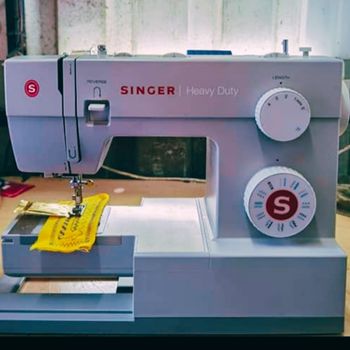 | 1. SINGER | Heavy Duty 4423 Sewing Machine
| ||
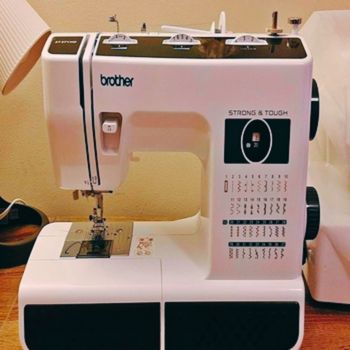 | 2. Brother ST371HD Sewing Machine
| ||
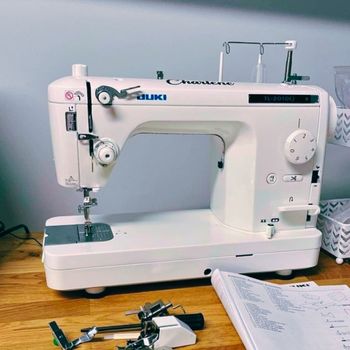 | 3. Juki TL-2010Q 1-Needle, Lockstitch, Portable Sewing Machine
|
1. SINGER | Heavy Duty 4423 Sewing Machine
Features
- Type: Mechanical
- Speed: 1100 Stitches Per Minute
- Built-in Stitches: 23
- Stitch Length x Stitch Width: 4 mm x 6 mm
- Noise Level: 71.4 dB
Topping our list is Singer’s Heavy Duty 4423, featuring a seamless gray profile with 23 built-in stitches for accomplishing complicated sewing projects on denim, canvas, and upholstery fabrics.
Whether you need a basic straight stitch or decorative stitches, the Singer 4423 handles both. The machine also produces one-step buttonholes with consistent sizing using its buttonhole foot, making it one of the best value options for home decor and crafting projects.
Beginners can operate this machine effectively for sewing heavy fabrics by following basic tactics, despite the perception that it is designed only for experts.
The machine distributes stitch speeds from 1 to 1,100 stitches per minute via its speed control lever, which reduces skipped stitches and the need for re-sewing. The innate speed control mechanism deters contingent sewing errors.
The stainless steel machine’s most notable feature is its robust motor, which produces approximately 60% more power than standard sewing machine motors in its class. This translates to superior piercing power through multiple layers of heavyweight material.
Standard sewing machines often fail to penetrate heavyweight fabrics such as denim and canvas. The Singer 4423’s enhanced motor delivers exceptional piercing force for thick fabrics without stalling or skipping stitches.
The frame consists of heavy-duty metal construction, confirmed by customer feedback indicating long-term durability under continuous heavy use. The machine delivers maximum stability during extended sewing sessions.
The package includes a zipper foot, button sewing foot, heavy-duty needles (sizes 90/14 and 100/16 recommended for thick fabrics), lint brush, clearance plate, auxiliary spool pin, bobbin, and seam ripper—delivering strong value at its price point.
PROS:
CONS:
2. Brother ST371HD Sewing Machine
Features
- Speed: 800 SPM
- Stitches Number: 37
- Stitch width: 7 mm
- Weight: 14.3 lbs (6.5 kg)
- Warranty: 25-years limited
One common problem with sewing machines is delicate needle plates that bend or break when stitching through thick fabrics. This issue is compounded when working with leather or multiple layers of denim.
The Brother ST371HD addresses this with strong metal needle plates and high-density needles designed to withstand thicker fabrics and everyday sewing projects. The durable needle plate resists bending under the pressure required for heavy materials.
Whether you are a beginner or an expert, the straightforward controls and array of 37 built-in stitching techniques help you complete projects efficiently. The auto-size buttonhole function produces uniform buttonholes with consistent 7 mm spacing.
The Brother ST371HD offers 37 unique built-in stitches, covering utility stitches, decorative patterns, buttonholes, stretch stitches, and blind hems. If the number of stitches seems overwhelming, the included instructional DVD explains each stitch type in detail.
The drop-in bobbin reduces jamming and holds fabric steady during stitching, while the automatic needle threader feeds thread through the needle eye without eye strain.
The machine ships with 6 presser feet: a spring-action zigzag foot, nonstick foot, blind stitch foot, zipper foot, and two buttonhole feet. The spring-action zigzag foot holds fabric flat when fed through the machine, preventing shifting during heavy-duty sewing.
At 800 stitches per minute with full free-motion sewing capability, you maintain precise control over every stitch. This Brother model costs less than the Singer 4423, yet delivers comparable quality and efficiency for thick fabric projects.
PROS:
CONS:
3. Juki TL-2010Q 1-Needle, Lockstitch, Portable Sewing Machine
Features
- Type: Mechanical
- Speed: 1500 stitches per minute
- Stitch length: 6mm
- Weight: 38 lbs (17.2 kg)
- Presser foot lift: 12mm
- Warranty: 5 year-limited
For sewists seeking a portable machine that operates quietly, the Juki TL-2010Q excels. The aluminum die-cast construction ensures longevity, making this machine a prominent choice for heavy fabric work.
Juki is a respected industrial brand that manufactures durable, long-lasting machines for thick fabrics. Whether working with denim or canvas, the TL-2010Q completes seams effectively. The arm and sewing bed are crafted from aluminum die-casting, which dissipates heat during intensive sessions like repairing denim jeans or crafting from scratch.
The machine’s superior portability allows transport between locations without hassle. It handles large quilts, home decor projects, and intricate sewing tasks with its industrial sub-tension system, LED indicator, and variable speed control slider for precision stitching.
The included extension table measures 23 inches, accommodating large and heavy fabrics during quilting. An exclusive trimming system operated by foot trims both top and bobbin threads simultaneously, mimicking professional industrial workflow.
The foot controller and trim button incorporate Juki’s industrial-style design, providing maximum control over sewing speed and thread trimming. The zig-zag stitch combined with the button sew-on foot attaches buttons within minutes.
The thread tension scale monitors tension levels, helping you balance settings based on thread type and material diversity. The automatic thread button lowers the presser foot; pulling the thread loop slowly from behind the needle threads it without eye strain.
PROS:
CONS:
4. Janome Industrial-Grade Aluminum-Body HD1000 Black
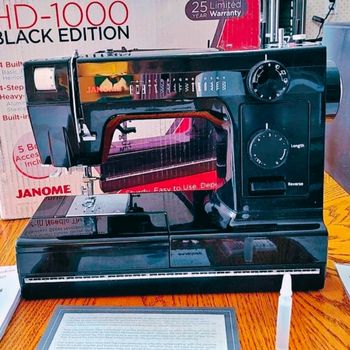
Features
- Type: Mechanical
- Speed: 840 stitches per minute
- Stitch Width: 5mm
- Stitch Length: 4mm
- Weight: 8 lbs (3.6 kg)
- Warranty: 25 years limited
The Janome HD1000 Black features a sleek premium black finish that blends into home decor, unlike many industrial-looking sewing machines.
Constructed with industrial-grade materials including an aluminum interior frame, this machine is built to last through years of heavy use. The aluminum frame remains steady during serious operation without wobbling at high speeds.
Novice sewists can operate this machine effectively due to its user-friendly design. It ships with four presser feet, needles, a hard cover, and bobbins. The front-loading bobbin system offers 14 stitches including 4-step buttonholes with stitch length and width adjustment.
Unlike the heavier Janome HD3000, the HD1000 weighs only 8 lbs (3.6 kg) yet handles the same range of fabrics. The free-motion sewing capability comes via a drop feed with a 3-piece feed dog system.
The robust amp motor tackles a variety of fabrics and sewing tasks. A removable free arm enables hemming small openings like sleeves and pant legs. The included blind hemming foot produces professional-quality blind hems with proper technique.
Whether you are sewing thick fabrics like nylon webbings or making an Ellen Griswold costume, the Janome HD1000 handles the workload effectively. This machine excels at nylon webbings, canvas, and leather projects requiring sustained motor output.
PROS:
CONS:
5. JUKI TL-2000Qi Sewing and Quilting Machine
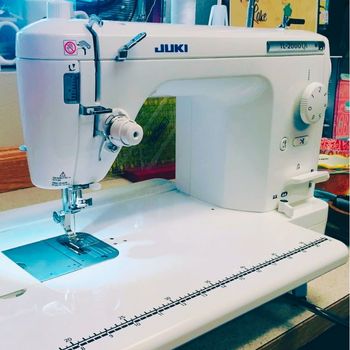
Features
- Type: Mechanical
- Speed: 1500 stitches per minute
- Built-in stitches: Only straight stitches
- Stitch length: 6mm maximum
- Weight: 4 lbs (1.8 kg)
- Warranty: 2 years mechanical, 5 years electrical
The Juki TL-2000Qi includes an extension table for holding larger quilts, providing a wide working space ideal for complicated sewing tasks.
The key difference between the Juki TL-2000Qi and the TL-2010Q is price—the TL-2000Qi costs significantly less while offering the same 1500 SPM maximum output and 6mm stitch length. Both machines weigh approximately 17 lbs with the extension table installed.
The machine delivers 1500 SPM maximum load for heavy-duty quilting and home decor projects. This power output makes it effective for sewing nylon webbings, seat belts, and canvas without stalling or skipping stitches.
Despite its high power output, the machine maintains low vibration during operation. The needle threader assists in feeding thread through the needle eye, and the single foot pedal operation provides manual speed control akin to a vehicle gas pedal—the more downward pressure applied, the higher the speed.
This machine is one of the most budget-friendly options for beginner sewists who refuse to compromise on quality. It delivers professional-grade straight stitching without the higher cost of computerized alternatives.
PROS:
CONS:
Quick Comparison: 5 Best Sewing Machines for Thick Fabric
| Machine | Speed (SPM) | Built-in Stitches | Presser Foot Lift | Weight | Warranty |
|---|---|---|---|---|---|
| Singer 4423 | 1,100 | 23 | Standard | 14.6 lbs | 25 years |
| Brother ST371HD | 800 | 37 | Standard | 14.3 lbs | 25 years |
| Juki TL-2010Q | 1,500 | 1 (straight) | 12mm | 38 lbs | 5 years |
| Janome HD1000 | 840 | 14 | Standard | 8 lbs | 25 years |
| Juki TL-2000Qi | 1,500 | 1 (straight) | Standard | 16 lbs | 2 years mechanical, 5 years electrical |
Best Sewing Machine for Thick Fabrics Buying Guide
How do you determine the ideal machine for your sewing tasks as a beginner?
Whether you need a sewing machine for backpacking gear or knit fabrics, the following factors will help you make an informed decision. This buying guide covers the crucial facts to evaluate when shopping for sewing machines designed for thick materials.
Sewing Machine For Thick Fabric
The Machine Type
Three machine types dominate the market: mechanical, electronic, and computerized sewing machines. Each type serves different needs and experience levels.
Computerized and electronic sewing machines dominate current markets due to their faster operation and broader stitch selection. For thick fabric projects requiring diverse stitch styles, an electronic machine provides programmable patterns and automatic tension adjustment.
Mechanical machines offer adaptability, user-friendliness, and affordable pricing—qualities that make them ideal for beginners. When selecting a mechanical machine for marine vinyl as a beginner, the Singer 4423 exemplifies these advantages.
Consider the types of projects you plan to undertake. For utility stitches only, a mechanical machine like the Singer 4423 suffices. For heavy-duty industrial projects with a flexible budget, computerized heavy-duty machines deliver superior power and automation.
Electronic machines operate faster than mechanical models and cost less than computerized ones, making them viable commercial-grade options for small businesses.
Sewing Type
Determine your primary sewing type—heavy-duty denim, home decor, leather, or canvas—before selecting a machine. Also consider whether you will sew multiple fabric layers consistently or only occasionally.
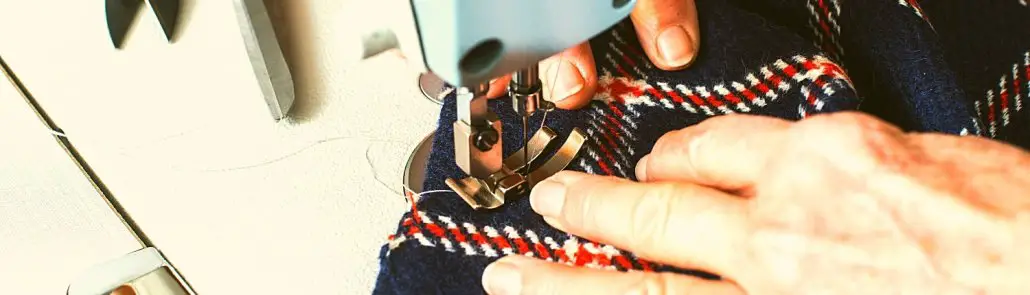
Your chosen machine must accommodate the full range of sewing types you intend to practice. When evaluating machines, confirm compatibility with your specific requirements rather than assuming a machine handles all materials equally.
The Singer 4423 handles both light fabrics and bulky materials effectively. Janome and Brother machines excel at thick materials like leather and small openings such as hems and sleeves, matching the performance of industrial sewing machines in these specific applications.
The Working Space
Inspect the throat size—the space between the sewing machine’s needle and the frame structure. Larger fabrics require wider, extended throat plates, while smaller projects perform adequately with narrow throat plates.
The Brother ST371HD features a free arm and extension table that handles both wide quilts and narrow hems, providing versatility across project sizes.
Sewing Style, Stitch Length, and Width
Machines with more built-in sewing styles offer greater versatility. The Singer 4423 provides 23 built-in stitch styles, increasing compatibility across different fabric types and project requirements.
Stitch length depends on your machine’s capability and the fabric type. Fabrics requiring wider stitch lengths and widths demand machines with greater capacity—most machines offer stitch lengths from 0 to 5mm, with premium models extending to 6mm or beyond.
Fully manual mechanical machines typically restrict stitch length options and do not include walking feet. For thick fabric work, machines offering at least 4mm stitch length and a walking foot attachment are strongly recommended.
Tension Adjustment and Speed
Tension adjustments control thread rigidity, determining whether fabric is held tight or loose. Holding fabric too tight creates puckered seams, while insufficient tension produces loose, inconsistent stitches.
Select machines with speed ratings matching your needs. Heavy-duty machines with higher stitch speeds (1,100–1,500 SPM) complete projects faster, while slower speeds (800–840 SPM) offer beginners better fabric control. The Singer 4423 delivers 1,100 SPM, suitable for most heavy fabric applications.
How to Sew Thick Fabric With a Sewing Machine
After selecting your preferred sewing machine for thick fabrics, understanding proper technique ensures successful results. Sewing through thick layers of denim, vinyl, faux fur, or leather requires specific steps beyond basic sewing knowledge.
Follow this step-by-step process for the most effective results when sewing heavy materials.
Step 1: Trim the Seam Allowance
Before stitching, check fabric layers for existing seams. If seams are already sewn, reduce overall bulk by pressing the seam open and minimizing seam allowances to create a flatter surface for the next seam line.
Step 2: Pick the Right Needle
The needle determines your stitching success with thick fabrics. Select a needle capable of handling extreme tension and penetrating multiple layers. For denim and canvas, use denim needles in size 90/14 or 100/16—these feature a larger eye, stronger shaft, and acute point designed specifically for heavyweight woven fabrics.
Step 3: Configure the Machine Settings
Increase stitch length slightly for thick fabric stitching. When topstitching, set stitch length between 3.5mm and 4.5mm to produce visible, professional-quality seams that lie flat. Reduce presser foot pressure if your machine offers this adjustment.
Step 4: The Stitching Process
Use the handwheel rather than the pedal for thick fabric stitching. The handwheel provides finer control over needle position and fabric feed, which is essential when working with thick or dense materials where pedal-operated speed changes may cause fabric shifting.
Step 5: Level the Wedge
Proper presser foot leveling prevents fabric shifting during the first stitch. Fold a scrap fabric piece to match your project’s total thickness, then place it under the presser foot at the back to level the foot before beginning your seam.
Step 6: Use Special Feet When Needed
Specialty presser feet significantly improve results with challenging materials. A walking foot—the standard inclusion in heavy-duty sewing machines for leather—moves the top fabric layer in sync with the bottom layer, preventing shifting during multi-layer seams.
A roller foot handles sticky fabrics like faux leather by applying even pressure while the feed dogs advance the material. Both foot types reduce the friction and drag that causes skipped stitches in heavy materials.
Frequently Asked Questions
Which sewing machine is best for thick fabrics?
The Singer 4423 and Juki TL-2010Q stand out for thick fabric applications. The Singer 4423 delivers 1,100 SPM with a motor 60% stronger than standard machines, while the Juki TL-2010Q provides 1,500 SPM with a 12mm presser foot lift—both handle denim, canvas, and leather layers effectively.
What tension should I use for thick fabric?
For thick upholstery fabrics, higher tension settings between 4 and 5 work effectively. Always test tension on a fabric scrap before beginning your project, as the optimal setting varies by material thickness and thread type.
Which is the best sewing machine for thick material and leather?
The Singer Heavy Duty 4423 and Brother ST371HD excel at thick material and leather projects. The Singer 4423’s powerful motor penetrates multiple leather layers, while the Brother ST371HD’s metal needle plate resists bending under heavy material stress.
Which type of sewing machine works best for car upholstery?
A walking foot sewing machine is the best choice for auto upholstery work. For minor repairs, a fabric upholstery repair kit provides temporary fixes between major projects. Walking foot machines move multiple layers in unison, preventing the puckering that occurs with standard presser feet on thick automotive fabrics.
End Quote
The reviewed sewing machines for thick fabrics offer strong options across different budgets and experience levels. Our top recommendation is the Singer 4423 for sewists prioritizing speed and ease of use, and the Brother ST371HD for those requiring maximum stitch variety with 37 built-in patterns.
For large quilt and heavy fabric handling, both Juki models deliver 1,500 SPM with extension tables exceeding 23 inches. For powerful motor performance and consistent buttonholes, the Janome HD1000 with its 25-year warranty provides long-term reliability.
Select the machine that aligns with your specific project requirements and experience level.
References
- The following authoritative sources were consulted during the research for this article:
- Booth, J. E. (2015). Principles of Textile Machinery. Elsevier. Garment Manufacturing Technology.
- Carr, H., & Latham, B. (2018). Technology of Clothing Manufacture (4th ed.). Wiley-Blackwell. The Technology of Clothing Manufacture.
- Singer. (2023). Heavy Duty 4423 Product Specifications. Singer.
- Juki Corporation. (2022). TL-2010Q Industrial-Quality Portable Sewing Machine Specifications. Juki.


