
5 Best Sewing Machine for Outdoor Gear in 2026

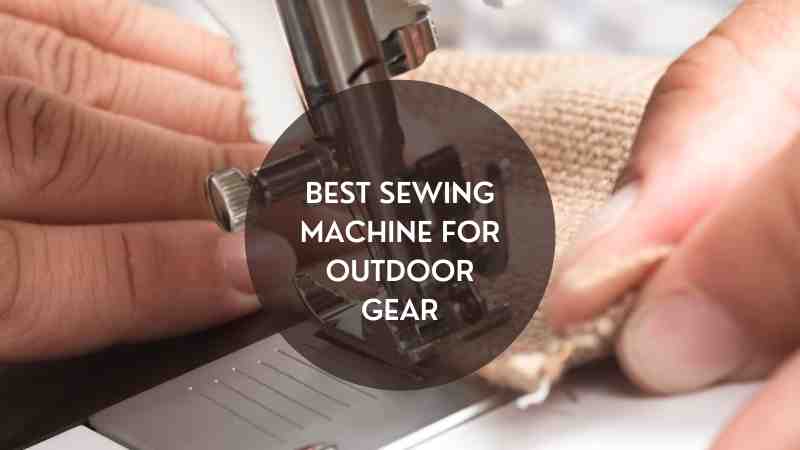
The best sewing machine for outdoor gear is the Singer 4423 for beginners, the Brother CS6000i for portability, the Singer 4452 for heavy-duty canvas work, the Juki TL-2010Q for industrial-quality construction, and the Brother XR3774 for budget-conscious beginners. These five machines handle heavy fabrics like nylon, Cordura, and canvas with consistent stitch quality.
Outdoor gear projects demand machines with strong motors, walking foot capability, and the ability to penetrate multiple fabric layers without hesitation. Most store-bought outdoor equipment falls into two categories: overpriced or poorly made. Building your own gear puts you in control of both quality and cost.
Fabrics Used for Making Different Outdoor Gear
Selecting the correct fabric determines how well outdoor gear performs under stress. Outdoor gear faces UV exposure, abrasion, moisture, and temperature extremes. The following fabrics handle these conditions in outdoor applications.
Polyester
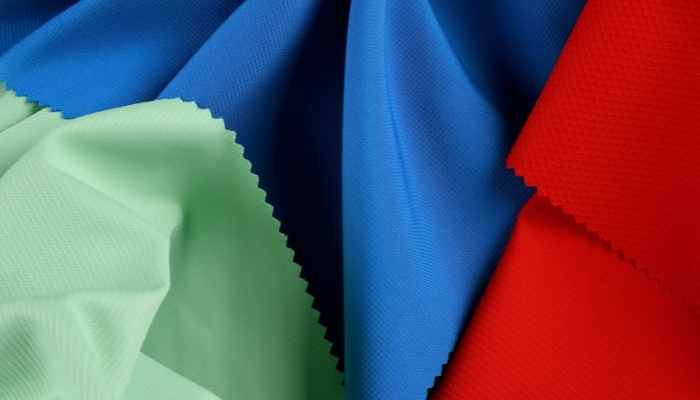
Polyester dominates outdoor gear manufacturing because it balances durability with comfort. The fabric provides high tensile strength of approximately 6-8.5 cN/dtex and resists shrinking to less than 3% after washing. Polyester absorbs only 0.3-0.8% of its weight in water, making it quick-drying and ideal for wet environments.
Outdoor gear manufacturers use polyester in the 300-600 denier range for bags and packs. Higher denier ratings indicate thicker, more abrasion-resistant fabric. Polyester also resists UV degradation better than nylon, retaining 80-90% of its strength after 500 hours of UV exposure.
Fleece
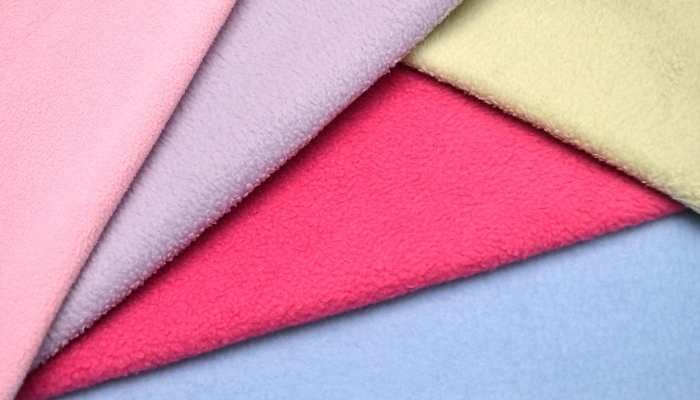
Fleece provides exceptional warmth-to-weight ratio in the 200-300 g/m² range. The fabric’s loft traps air effectively, providing insulation while remaining breathable. Fleece resists moisture absorption at less than 1% of its dry weight, and it dries 50% faster than wool in comparative tests.
Outdoor gear designers use fleece primarily in mid-layer applications where moisture management matters. The fabric withstands 5,000+ abrasion cycles before showing visible wear in standard Martindale testing, making it suitable for high-friction areas of gear systems.
Nylon/Nylon Blends
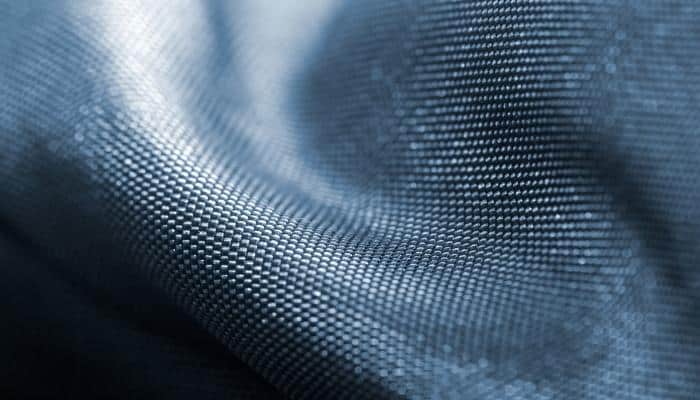
Nylon offers the highest tensile strength-to-weight ratio among common outdoor fabrics, measuring approximately 6-9 cN/dtex. The fabric has a density of 1.15 g/cm³ with a melting temperature range of 190-260°C depending on the specific nylon type. Nylon 6,6 (the most common outdoor fabric nylon) melts at 260°C.
Outdoor-grade nylon typically uses 70-1,000 denier yarn for maximum durability. Nylon absorbs 4-5% of its weight in water, which improves flexibility in cold conditions but requires careful seam sealing for waterproof applications. Blending nylon with 10-20% spandex adds four-way stretch that benefits form-fitting outdoor apparel.
5 Best Sewing Machines for Outdoor Gear
These five machines deliver the power, precision, and durability required for outdoor gear construction. Each handles heavy fabrics consistently and includes features essential for technical sewing projects.
IMAGES | DESCRIPTION | RATING | ACTION |
Best Overall 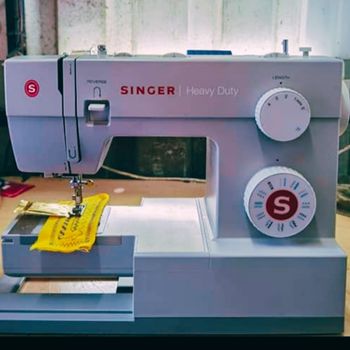 | SINGER | 4423 Heavy Duty Sewing Machine
|
1. SINGER | 4423 Heavy Duty Sewing Machine With Included Accessory Kit
Features
- Color: Grey
- Material: Metal
- Weight: 14.5 Pounds (6.6 kg)
- Power Source: Corded Electric
- Electric: Yes
The Singer 4423 suits beginners entering outdoor gear construction. The machine delivers 23 built-in stitches, including straight, zigzag, and buttonhole patterns. Its heavy-duty metal frame provides the stability required for dense fabrics like 600 denier polyester and woven nylon.
The automatic needle threader eliminates eye strain during extended projects. This feature threads the needle in under three seconds, maintaining workflow momentum on complex builds. The machine reaches 1,100 stitches per minute at maximum speed, allowing completion of gear projects in single sessions.
The 60% stronger motor than standard household machines handles multiple fabric layers without speed reduction. The motor delivers 1.0-1.5 amps of power continuously, providing consistent needle penetration through thick seams. This motor strength qualifies the Singer 4423 as a capable machine for tactical gear and heavy outdoor equipment.
The stainless steel bedplate creates a smooth fabric-feeding surface that resists corrosion from outdoor fabric treatments. The walking foot (included with the machine) feeds multiple layers evenly, preventing the bunching that occurs when sewing nylon to fleece. Additional accessories include a dust cover, button-sewing foot, and seam ripper.
PROS:
CONS:
Verdict
The Singer 4423 delivers professional-grade performance for outdoor gear projects at a beginner-accessible price point. Its 1,100 SPM motor and metal frame handle 600 denier nylon and canvas consistently.
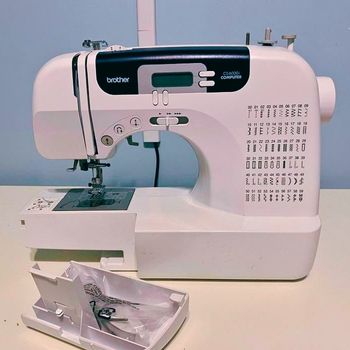
2. Brother CS6000i Sewing and Quilting Machine
Features
- Color: White
- Material: Aluminum
- Weight: 13 lbs (5.9 kg)
- Power Source: Corded Electric
- Electric: Yes
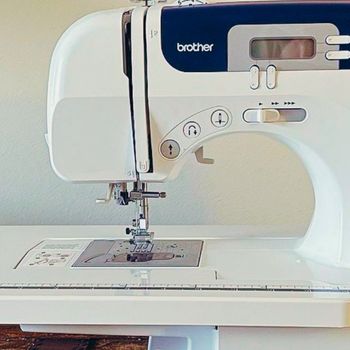
The Brother CS6000i weighs only 13 pounds, making it the most portable option in this roundup. Its aluminum construction reduces weight while maintaining frame rigidity for consistent stitch quality across fabric types.
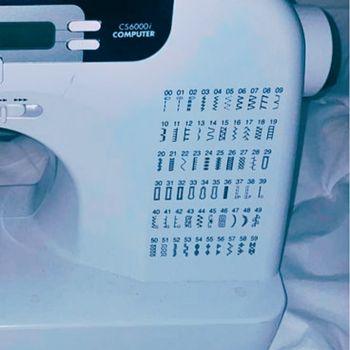
This machine offers 60 built-in stitches with 7mm stitch width and 5mm stitch length maximums. The maximum speed reaches 850 stitches per minute, suitable for lighter outdoor fabrics like fleece and polyester blends. The Quick Set bobbin system allows bobbin changes without rethreading the machine.
The adjustable speed control slider lets users set a maximum velocity between 300-850 SPM. This feature matters when working with slippery nylon or when precision matters more than pace. The heavy-metal frame construction provides sufficient stability for these slower, careful stitches.
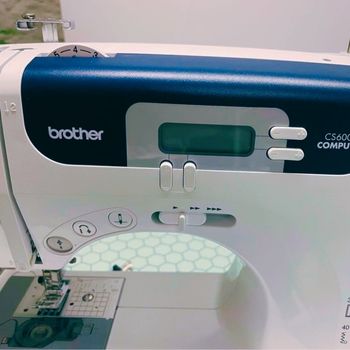
The LCD display shows selected stitch pattern, width, length, and recommended presser foot for each stitch type. This eliminates guesswork when setting up for buttonhole or zigzag stitches on outdoor gear components. The automatic needle threader pushes thread through the needle eye in one lever motion.
The included walking foot feeds multiple fabric layers without shifting. This proves essential when sewing nylon face fabric to fleece backing in jackets and vests. The wide table extension provides additional support for larger projects like tent panels and pack bodies.
PROS:
CONS:
Verdict
The Brother CS6000i excels for sewists who transport their machine to different workspaces. Its 60-stitch library and adjustable speed control cover every outdoor gear stitch requirement.
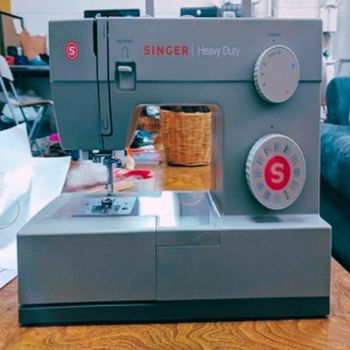
3. SINGER | Heavy Duty 4452 Sewing Machine
Features
- Color: Grey
- Material: Metal
- Weight: 15.7 lbs (7.14 kg)
- Power Source: Corded Electric
- Electric: Yes
The Singer 4452 reaches 1,100 SPM with its high-speed shank design, matching the 4423 for raw speed. The motor delivers 25% more torque than Singer’s standard models, improving needle penetration through dense 1,000 denier canvas and multiple-layer seams common in expedition packs.
This machine includes 32 built-in stitches, with seven distinct stretch stitches essential for nylon-spandex blends. The 1-step buttonhole foot produces consistent buttonholes measuring 5/8 inch in length, suitable for outdoor apparel closures. The automatic reverse stitch reinforcement prevents seam unraveling under load.
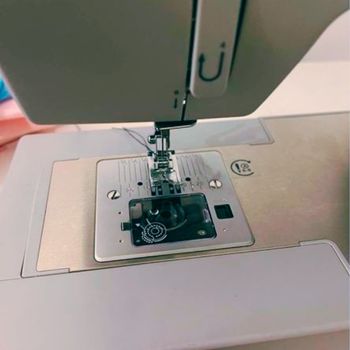
The interior metal frame and stainless steel bedplate combination resists corrosion from fabric finishes and sustained use. This construction maintains precise needle-to-hook timing over years of heavy projects. The heavy-duty design handles continuous sewing sessions without frame flex that causes skipped stitches.
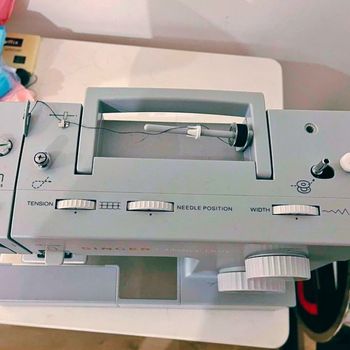
The automatic needle threader threads the needle in under two seconds, reducing setup friction. The adjustable stitch width (0-7mm) and length (0-5mm) controls provide precision for intricate gear components. The drop-in bobbin with transparent cover lets users monitor thread supply during long seams.
PROS:
CONS:
Verdict
The Singer 4452 provides the strongest motor in its class for sewists working with the densest outdoor fabrics. Its 1,100 SPM output and enhanced torque handle 1,000 denier canvas without hesitation.
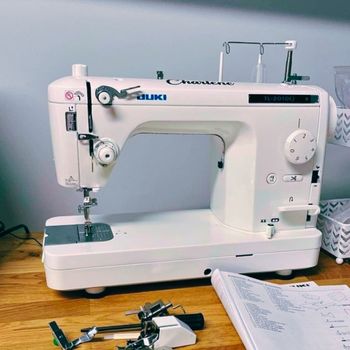
4. Juki TL-2010Q 1-Needle, Lockstitch, Portable Sewing Machine
Features
- Color: White
- Material: Aluminum
- Weight: 38 lbs (17.2 kg)
- Power Source: Corded Electric
- Electric: Yes
The Juki TL-2010Q delivers industrial lockstitch quality in a portable format. The single-needle lockstitch mechanism produces consistent stitches at 1,500 SPM maximum speed, faster than any other machine in this roundup. This speed matters when fabricating large items like tarps and tent bodies.
The aluminum die-cast frame maintains precise timing between needle and bobbin case over decades of use. The large 18.5cm throat depth (distance from needle to arm) accommodates tent panels and pack bodies that exceed the capacity of standard household machines.
The LED lighting system illuminates the work area at 800-1,000 lux, reducing eye strain during detailed topstitching. The automatic thread trimmer (knee-lever activated) cuts both top and bobbin threads simultaneously, saving time on projects requiring hundreds of starts and stops.
The variable speed control slider adjusts maximum speed between 200-1,500 SPM. The slower minimum speed enables precise stitching on detail work like binding tape attachment and reinforcement bartacks. The walking foot (included) feeds multiple layers without shifting, essential for slippery laminated fabrics.
The automatic needle threader threads the needle in one motion. The knee-lever lift raises and lowers the presser foot hands-free, maintaining stitch placement continuity. These features together reduce physical movement during extended sewing sessions, decreasing fatigue.
PROS:
CONS:
Verdict
The Juki TL-2010Q serves intermediate-to-advanced sewists who prioritize industrial-quality lockstitch construction. Its 1,500 SPM speed and 18.5cm throat depth handle expedition-grade gear fabrication.
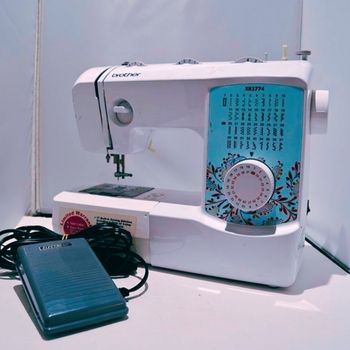
5. Brother XR3774 Sewing and Quilting Machine
Features
- Color: White
- Material: Metal
- Weight: 15.9 lbs (7.2 kg)
- Power Source: AC
- Electric: Yes
The Brother XR3774 offers 37 built-in stitches including a 1-step buttonhole and multiple stretch stitches. The all-metal construction provides sufficient frame rigidity for consistent stitch quality on medium-weight outdoor fabrics like 200-300 denier polyester and fleece.
The adjustable sewing speed control lets users set maximum velocity between 300-850 SPM, matching the Brothers CS6000i in this regard. The automatic needle threader eliminates the tedious process of hand-threading, and the jam-resistant Quick Set bobbin system reduces setup frustration on new projects.
The extension table provides additional support for larger projects like sleeping bag stuff sacks and pack lid pockets. The drop feed dog mechanism enables free-motion sewing for decorative topstitching on gear where visual details matter. The walking foot (included) handles multi-layer seams in bag construction.
This machine suits beginners who want professional results without the complexity of industrial equipment. The stitch selection dial offers straightforward control, and the automatic thread cutter (on selected models) trims both threads with one press.
PROS:
CONS:
Verdict
The Brother XR3774 provides a balanced feature set for entry-level outdoor gear sewists. Its 37-stitch library, all-metal construction, and included walking foot address the core requirements for mid-weight gear projects.
Key Features to Evaluate Before Purchasing a Sewing Machine for Outdoor Gear
Standard household sewing machines lack the power and precision required for outdoor fabric construction. Outdoor gear demands machines with specific capabilities across motor strength, frame rigidity, and stitch versatility.
Construction and Frame Material
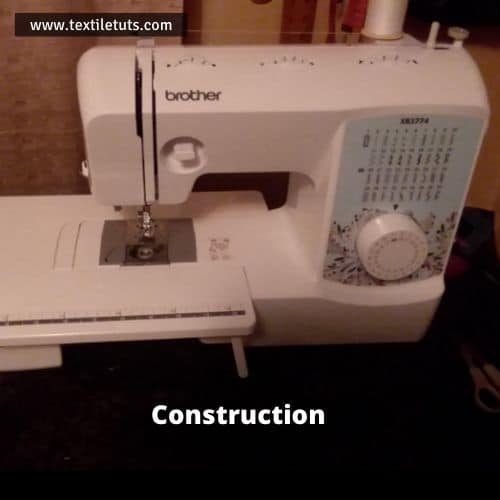
The machine frame determines how consistently it maintains needle-to-hook timing under load. Aluminum die-cast frames provide the best stiffness-to-weight ratio, while stamped steel frames offer durability at lower cost. Heavy-gauge metal construction prevents frame flex that causes skipped stitches when penetrating dense seams.
Stainless steel bedplates resist corrosion from fabric treatments and sustained moisture exposure. This matters for gear makers who work with DWR-finished fabrics and waterproof membranes that require specific needle techniques.
Walking Foot Inclusion
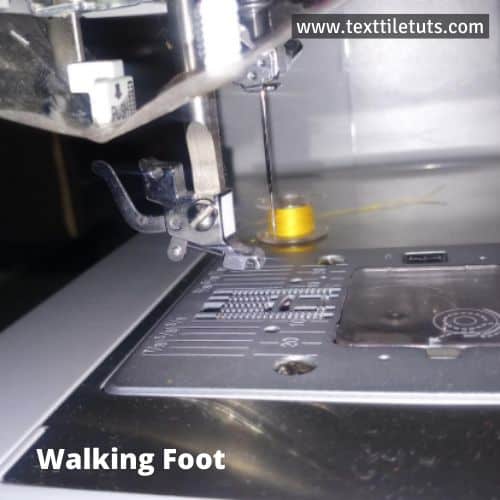
A walking foot grips fabric layers simultaneously from above and below, preventing the layer shifting that produces wonky seams. Outdoor gear frequently combines nylon face fabric with fleece, mesh, or foam backing. Without a walking foot, the top layer advances faster than the bottom, creating gathers and tucks.
When evaluating machines, confirm whether the walking foot comes included or requires separate purchase. Third-party walking feet cost $15-50 and may not match the fit and feed dog compatibility of OEM accessories.
Maximum Sewing Speed
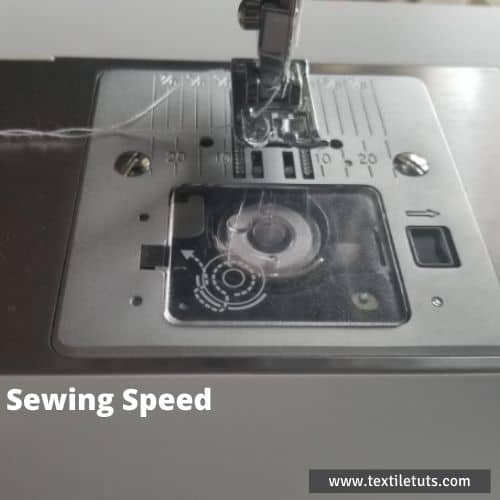
Motor speed directly impacts project completion time. Machines rated below 850 SPM require significantly more time for large builds. However, maximum speed matters less than consistent speed under load. A machine that maintains 800 SPM through 600 denier nylon outperforms one that starts at 1,100 SPM but drops to 400 SPM on the second fabric layer.
The minimum controllable speed also matters for outdoor gear work. Working at 200-400 SPM enables precise placement of reinforcement stitching and bartacks. Variable speed control that starts at 200 SPM provides this precision capability.
Number and Type of Built-In Stitches
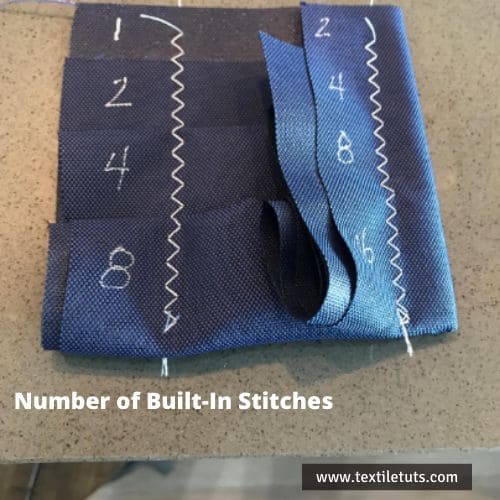
Outdoor gear requires multiple stitch types across different project phases. Straight stitches form main seams. Zigzag stitches reinforce stretch areas and prevent fabric unraveling. Blind hem stitches create invisible finishes on apparel edges. Buttonhole stitches produce consistent closures for straps and tabs.
Look for machines with at minimum: 3-5 stretch stitches, a 1-step buttonhole, and adjustable width/length on zigzag patterns. Machines with fewer than 10 total stitches require manual adjustments that slow production and reduce consistency.
Ease of Operation
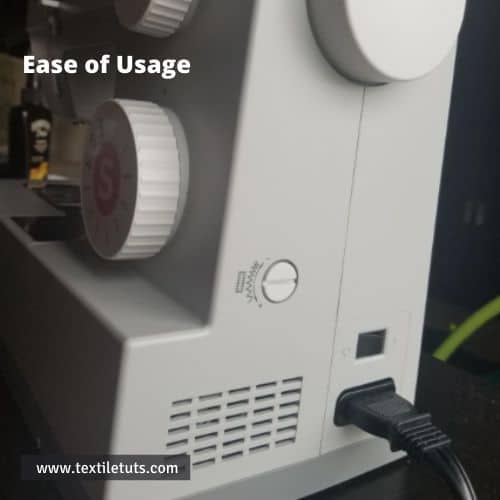
Complicated controls create frustration that discourages project completion. Look for machines with clearly labeled stitch selection dials, LCD displays showing current settings, and automatic features that eliminate manual adjustments. The automatic needle threader alone saves hours of eye strain over a year of regular sewing.
Thread tension adjustment should require minimal intervention on standard fabrics. Machines with microprocessor-controlled tension systems adjust automatically when switching between fabric weights and thread types.
Portability
Outdoor gear makers who move between workshop locations need machines under 15 lbs. Heavier machines (30+ lbs) provide superior stability during high-speed sewing but function only as dedicated workshop equipment.
The Brother CS6000i at 13 lbs represents the most portable option with full feature sets. The Juki TL-2010Q at 38 lbs suits only stationary workshop setups despite its superior industrial capabilities.
Additional Features Worth Prioritizing
LED work lighting (800-1,000 lux) eliminates shadows over the needle area, improving stitch placement accuracy. LCD displays show selected pattern, width, length, and recommended presser foot at a glance. Automatic thread cutters trim both top and bobbin threads with one button press, saving 3-5 seconds per seam start/stop.
Knee-lever presser foot lifts raise and lower the foot hands-free, maintaining visual focus on stitch placement. This feature matters during extended sewing sessions where manual foot操作 causes users to look away from the needle at critical moments.
Thread Types for Outdoor Gear Construction
The thread pairs with the fabric to determine seam strength and longevity. Outdoor gear threads must withstand UV exposure, moisture, and abrasion that would destroy standard apparel threads within one season.
Polyester Thread
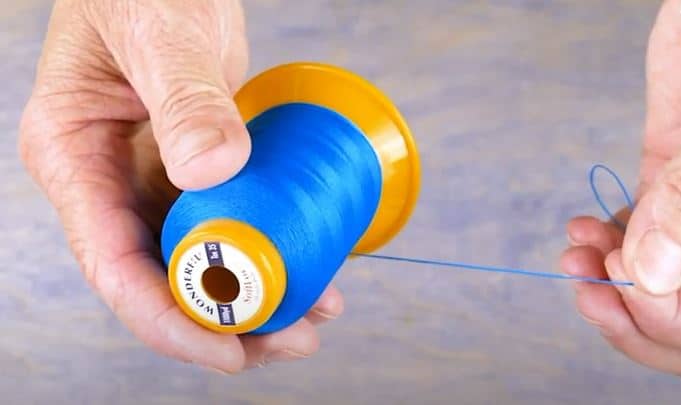
100% polyester thread provides the best all-around performance for outdoor gear. Polyester retains 80-90% of its tensile strength after 500 hours of UV exposure, compared to nylon which degrades faster under sustained sunlight. The fiber absorbs less than 1% of its weight in water, preventing moisture-related expansion that loosens seams over time.
Look for bonded polyester thread in the 40-60 weight range for main seams. Bonded thread has a protective coating that reduces abrasion friction during high-speed sewing, extending machine needle and hook life by 2-3x compared to standard unfinished thread.
Nylon Thread
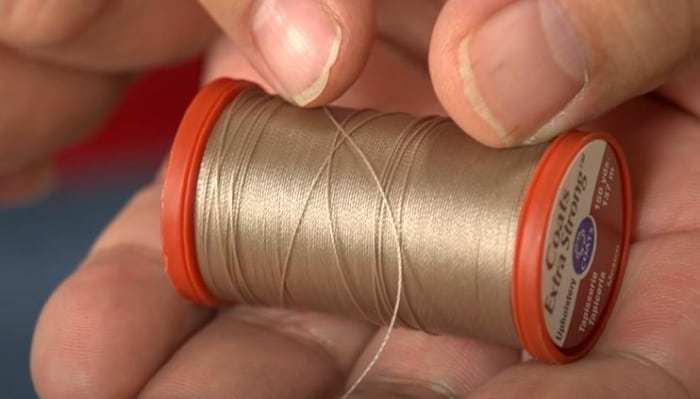
Nylon thread offers slightly higher tensile strength than polyester of equivalent weight, with 10-15% more stretch elasticity. This stretch accommodates the give in nylon and nylon-spandex blend fabrics without breaking under dynamic load. However, nylon absorbs 4-5% water by weight, which can weaken seam integrity in sustained wet conditions.
Nylon UV resistance lags behind polyester, with meaningful strength loss after 300-400 hours of direct sun exposure. Use nylon thread for gear that spends most of its life in shade, and reserve UV-critical applications for polyester.
Cotton Thread
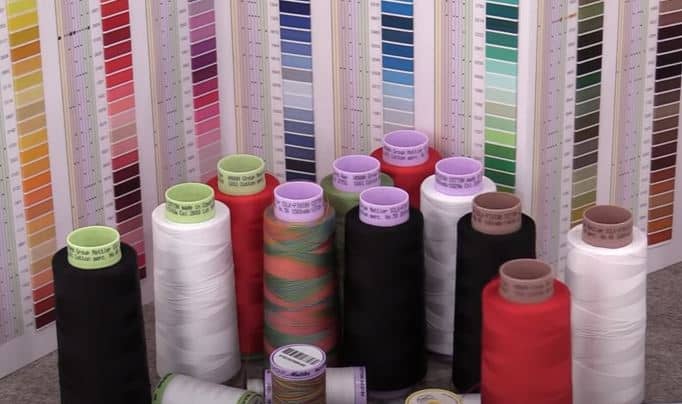
Cotton thread serves as a traditional choice with specific limitations for outdoor applications. Cotton absorbs 7-8% of its weight in water, increasing shrinkage risk during laundering and reducing strength when wet by approximately 20%. UV exposure breaks down cotton fibers faster than synthetic alternatives, with meaningful degradation visible after 200-300 hours of sun exposure.
Use cotton thread for decorative topstitching where UV and moisture exposure is minimal. For structural seams in gear that encounters weather, cotton’s limitations outweigh its sewability advantages.
Essential Stitch Types for Outdoor Gear
Different gear components demand specific stitch types matched to fabric behavior and load patterns. Understanding which stitches handle which tasks prevents seam failures that compromise gear safety.
Straight Stitch Applications
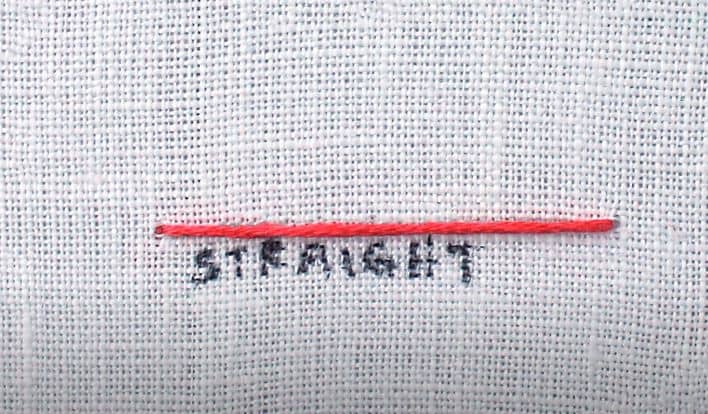
The straight stitch forms the strongest seams in outdoor gear construction. Use a 2.5-3.0mm stitch length for main structural seams in nylon and polyester fabrics. The needle penetrates and exits at the same point, creating a straight line of thread that distributes load evenly across the seam width.
Zigzag Stitch for Stretch and Reinforcement
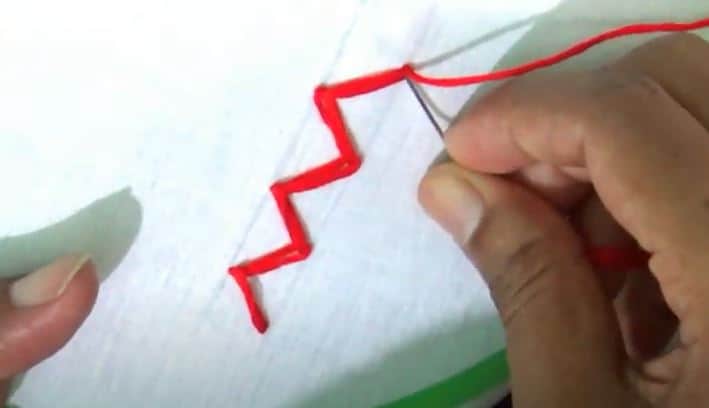
Zigzag stitching at 2.0-4.0mm width and 1.0-1.5mm length prevents fabric edge unraveling and allows stretch without seam breakout. This stitch pattern handles the 10-20% stretch in nylon-spandex blends without puckering or popping stitches under load.
Overlock Stitch for Seam Finishing
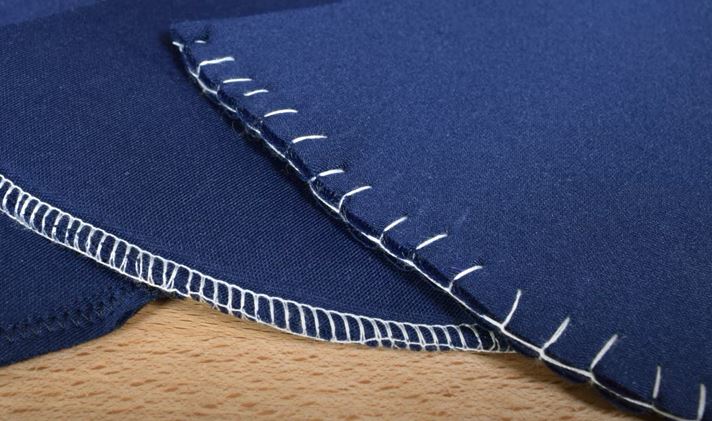
Overlock stitches encase raw fabric edges within thread loops, preventing fraying and adding seam reinforcement simultaneously. This 3-4 thread stitch provides 30-40% more seam strength than a single-thread straight stitch on woven fabrics.
Buttonhole Stitch for Structural Closures
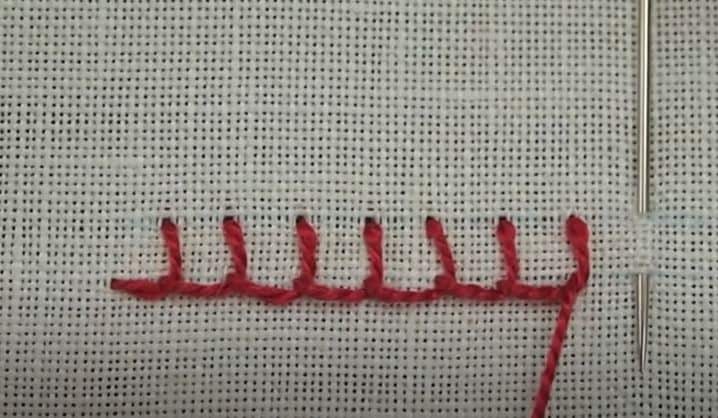
The buttonhole stitch creates a dense zigzag pattern that surrounds buttonholes with reinforced thread, preventing fabric tearing under stress. Outdoor gear uses buttonhole closures on straps, tabs, and adjustable buckles where plastic hardware would add unwanted weight.
Blind Hem Stitch for Invisible Apparel Finishes
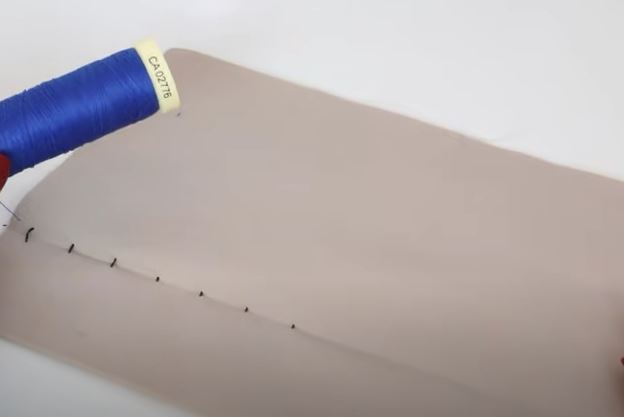
The blind hem stitch produces nearly invisible hemlines on jacket and pants legs where visible stitching detracts from professional appearance. This stitch catches only a few threads from the outer fabric face while securing the hem fold, leaving the exterior surface unmarked.
Frequently Asked Questions
Industrial Sewing Machines Under $150 for Outdoor Gear
Finding true industrial sewing machines under $150 requires exploring the second-hand market. Industrial machines (Juki DDL-8700, Siruba F007) appear in resale shops and online marketplaces at $75-150. These machines deliver 5,000+ SPM and last 20+ years with basic maintenance, but lack modern features like automatic needle threading and stitch selection displays.
Fabric Cutting Equipment Alongside Sewing Machines
Outdoor gear projects require fabric cutting before sewing begins. A 45mm rotary cutter with self-healing cutting mat handles most fabric cutting tasks faster and more accurately than scissors, especially on slippery nylon and coated fabrics. For straight cuts on thick materials, an electric rotary cutter reduces hand fatigue on large projects.
Heavy Nylon Fabric Sewing Techniques
Sewing 500-1,000 denier nylon requires a machine with at least 850 SPM and a walking foot. Use a size 100/16 or 110/18 needle (depending on fabric weight), a 40-weight bonded polyester thread, and a stitch length of 3.0-3.5mm. Reduce presser foot pressure by 20-30% to prevent the top layer from bunching.
Sewing Machines for Bag Making
Bag construction demands machines with strong motors (850+ SPM), walking foot capability, and throat depth exceeding 15cm for turning bag panels. The Singer 4452 and Juki TL-2010Q represent the strongest candidates in this roundup for bag-specific applications. Both handle 1,000 denier canvas and laminated fabrics without hesitation.
Nylon Gear Sewing Methods
Nylon gear construction requires rotary cutting before sewing. A rotary cutter prevents fraying edges on slippery nylon that scissors would pull and distort. Set machine speed to 400-600 SPM for initial seaming, increasing to full speed only after confirming stitch quality on scrap fabric of the same weight and finish.
Final Words
Selecting the right sewing machine for outdoor gear requires matching motor power, frame construction, and stitch capabilities to the specific demands of heavy fabrics. The five machines reviewed here represent the strongest options across price points and experience levels.
For beginners, the Singer 4423 and Brother CS6000i provide accessible entry points with sufficient capability for mid-weight projects. Intermediate builders benefit from the Singer 4452’s enhanced torque. Advanced sewists building expedition-grade gear should consider the Juki TL-2010Q’s industrial performance and throat depth.
References
- The following authoritative sources informed the specifications and recommendations in this guide:
- Wikipedia. (2026). Nylon. Wikimedia Foundation.
- Wikipedia. (2026). Polyester. Wikimedia Foundation.
- Wikipedia. (2026). Denier (unit). Wikimedia Foundation.
- Brother International. (2026). CS6000i Product Specifications. Brother Industries, Ltd.


