
Different Types of Sewing Beds and Their Application

Industrial sewing machines use six primary bed types—flat bed, raised bed, cylinder bed, feed-of-arm bed, post bed, and side bed—each engineered for specific fabric types, garment components, and production requirements. The machine bed, which is the flat working surface that supports fabric during sewing, determines the types of stitches, materials, and operations a machine can handle. Selecting the correct bed type is essential for achieving precision, speed, and quality in textile manufacturing.
| Bed Type | Key Feature | Typical Clearance / Size | Primary Use |
|---|---|---|---|
| Flat Bed | Work surface flush with tabletop | 12–18 in (30–46 cm) from needle to rear | Patch pockets, front plackets, general garment assembly |
| Raised Bed | Elevated platform on fixed plinth | 4 in (10 cm) above tabletop | Coverstitch hemming on T-shirt cylinders |
| Cylinder Bed | Cylindrical arm beneath needle | 3–5 in (7.5–12.5 cm) diameter | Collar stands, cuff bands, sleeve plackets |
| Feed-of-Arm Bed | Split/vanaishing arm with open throat | Arm diameter matches cylinder bed | Side seams, inseams, outseams on tubular parts |
| Post Bed | Vertical pillar with horizontal sewing surface | 4–8 in (10–20 cm) diameter at top | Shoe uppers, handbags, leather goods, canvas |
| Side Bed | Needle and feed along bed edge | Edge-aligned, no center obstruction | Overlock machines, trim-and-sew operations |
Different Types of Sewing Beds
Industrial sewing machines typically feature one of six primary bed configurations. Each design optimizes the machine for particular fabric types, garment components, and production requirements.
Flat Bed
| 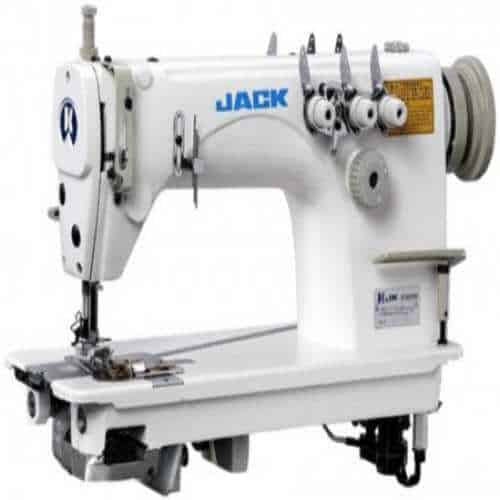 |
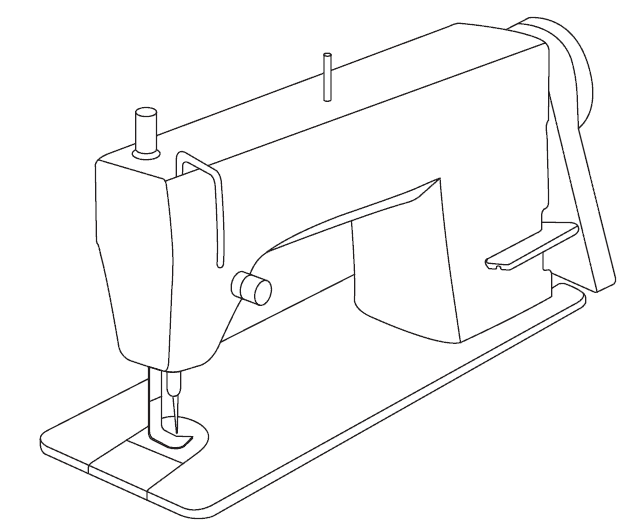
The flat bed is the most common sewing machine bed configuration found in commercial garment manufacturing. The work surface sits flush with the tabletop, creating an unobstructed workspace that extends approximately 12 to 18 inches (30 to 46 cm) from the needle toward the back of the machine.
This design excels at positioning large, flat garment panels where operators need to lay fabric completely flat while guiding it under the needle. The broad, even surface accommodates marking tools such as chalk pencils and fabric savers for precise pocket placement.
- The work surface sits flush with the machine tabletop, providing full fabric support
- The plain, open surface allows large garment parts to extend past the needle without obstruction
- Fabric lies completely flat during sewing, eliminating distortion on two-dimensional pieces
- The working area measures approximately 12–18 inches (30–46 cm) from needle to rear of bed
- Marking tools can be used directly on the bed surface for positioning adjustments
- Standard example: attaching patch pockets to shirt fronts requires a flat bed for stable, even seaming
Raised Bed
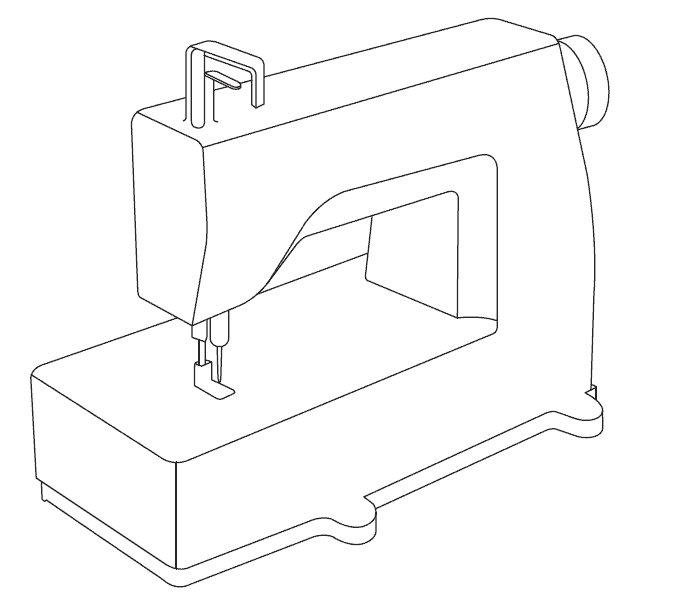 | 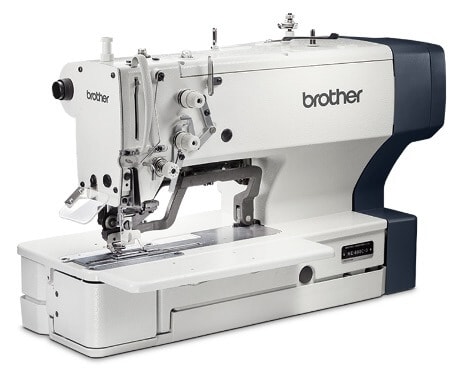 |
The raised bed machine elevates the work surface approximately 4 inches (10 cm) above the tabletop on a fixed plinth. This elevation serves a critical function: it provides the clearance needed to accommodate the loopers and thread paths found on overlock and coverstitch machines in the 400, 500, and 600 class series.
The elevated platform enables operators to maneuver large-diameter tubular goods—such as finished T-shirt cylinders—around the sewing head without removing the garment from its shape. This configuration is essential for high-volume hemming operations where speed and consistency are paramount.
- The bed raises 4 inches (10 cm) above the tabletop surface on a solid plinth base
- Loopers in 400, 500, and 600 class machines require this clearance for proper thread delivery
- Enables perimeter sewing of large-diameter tubular items without removing garments from forms
- Standard example: hemming T-shirt sleeves and body circumference using coverstitch machines
Cylinder Bed
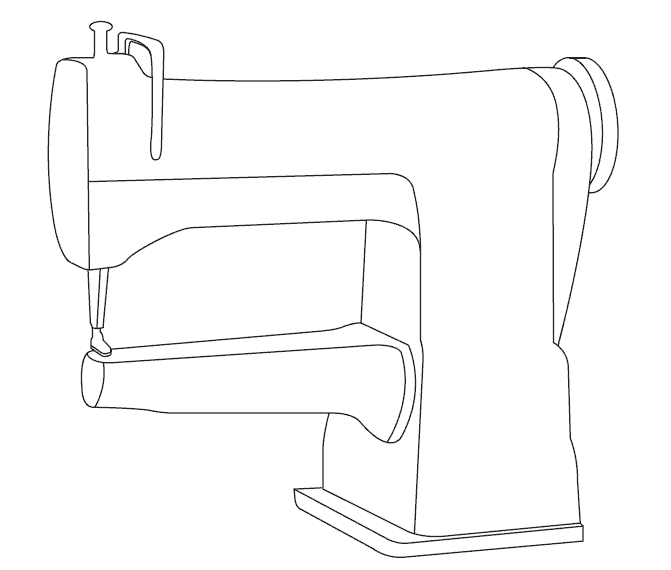 | 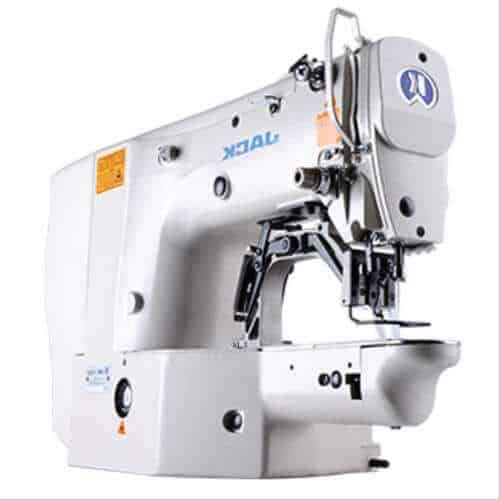 |
The cylinder bed features a cylindrical arm—typically 3 to 5 inches (7.5 to 12.5 cm) in diameter—that extends beneath the needle. This cylindrical shape allows continuous rotation of tubular workpieces, enabling operators to sew around the circumference of a garment component without stopping and repositioning.
The sewing direction runs parallel to the axis of the cylinder, allowing smooth, uninterrupted stitching along collar stands, cuff bands, and sleeve plackets. This design minimizes fabric handling and ensures consistent stitch quality on small, rounded parts.
- The cylindrical arm measures 3–5 inches (7.5–12.5 cm) in diameter beneath the needle
- The design allows 360-degree continuous rotation of tubular parts during sewing
- Sewing direction runs parallel to the cylinder axis for uninterrupted seaming
- Standard examples: sewing collar stands, shirt cuffs, and sleeve plackets in precision garment assembly
Feed of the Arm Bed
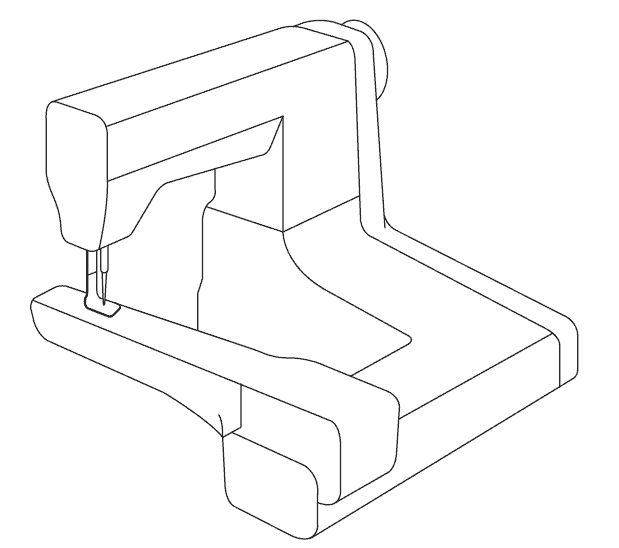 | 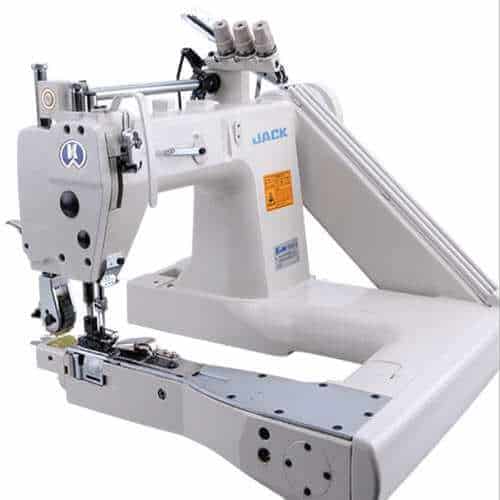 |
The feed-of-arm bed—also called a “split arm” or “vanishing arm”—features a cylindrical arm similar to a cylinder bed, but with an open throat area that permits the machine to join two opposite edges of a flat fabric and close them into a continuous cylinder. This produces a flat, felt seam running along the interior of the tube.
This configuration eliminates the need for operators to stop and reposition garments during side-seam sewing, significantly increasing throughput in high-volume trouser and jeans production. The resulting seam lies flat against the body and withstands repeated wash cycles without unraveling.
- The open arm throat allows flat fabric edges to be joined into a hollow cylindrical seam in a single pass
- Produces flat, felt seams with no exposed thread bulk on the garment interior
- Standard examples: shirt side seams, jeans inseams, and outseams on tubular parts such as workwear trousers
Post Bed
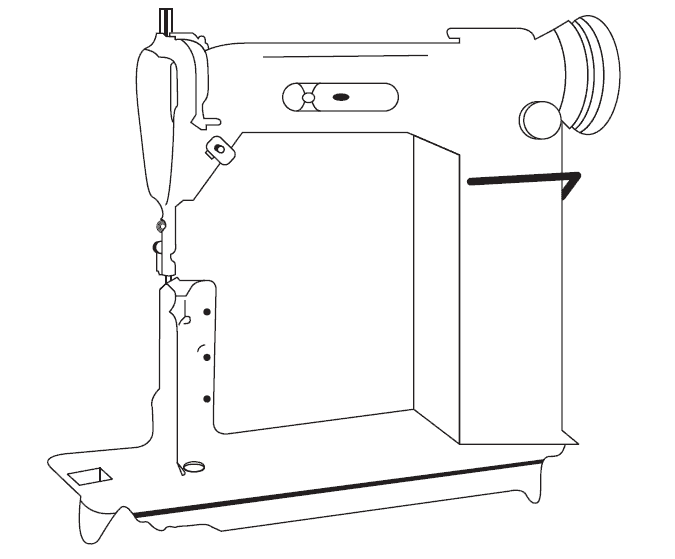 | 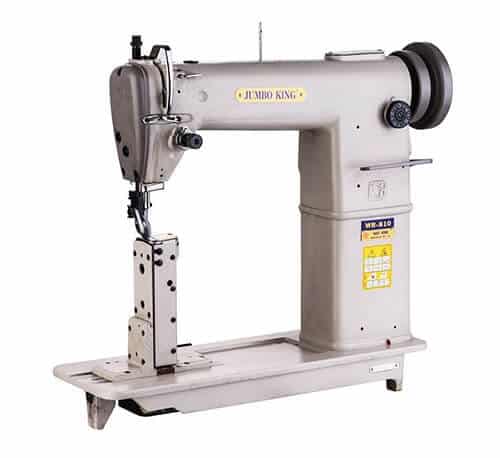 |
The post bed machine positions the sewing surface atop a vertical pillar, with the horizontal work area measuring approximately 4 to 8 inches (10 to 20 cm) in diameter at the top of the column. The vertical post provides unobstructed access to the needle from all angles, making it ideal for three-dimensional workpieces with convex or concave profiles.
The elevated post design delivers the clearance needed to accommodate thick, multi-layer assemblies typical of leather goods, footwear, and heavy canvas. Industrial post bed machines commonly sew materials ranging from 0.5 mm to 6 mm in combined thickness, depending on the machine class and needle size.
- The horizontal sewing surface sits atop a vertical pillar measuring 4–8 inches (10–20 cm) in diameter
- The vertical column provides 360-degree access for three-dimensional convex and concave items
- Standard example: shoe and boot uppers, handbags, travel bags, tents, awnings, and automobile upholstery assemblies
This type of bed is standard in upholstery sewing machine reviews for heavy-duty applications.
Side Bed
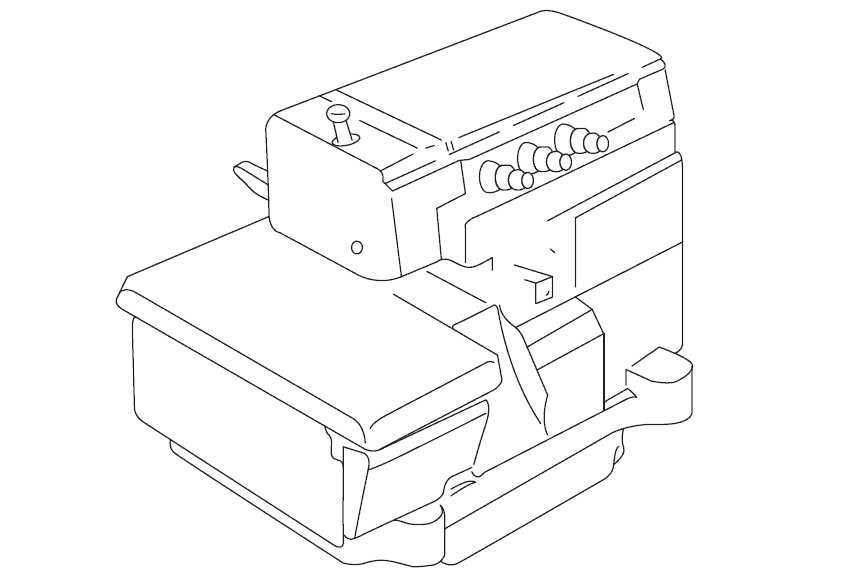 | 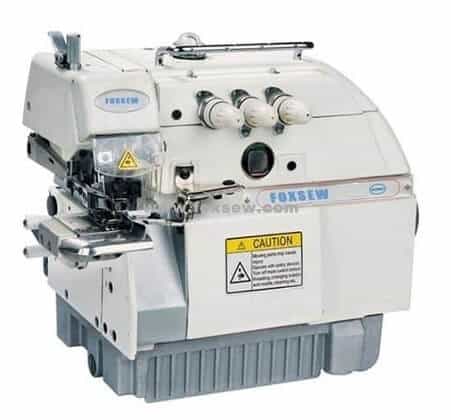 |
The side bed machine positions the needle and feed system along the edge of the work surface rather than at its center. This edge-aligned configuration gives operators direct visual access to the seam line and provides the clearance needed for trimming blades and folder attachments used in overlock operations.
Side bed machines are the defining configuration for overlock machines, which trim, sew, and encase fabric edges in a single pass. The edge positioning allows the knives and thread loopers to operate flush with the bed surface, producing clean, finished seams at production speeds exceeding 7,000 stitches per minute.
- The needle and feed system sit along the bed edge, not the center, maximizing operator visibility
- Side bed configuration is standard on overlock machines operating at 5,000–7,000+ stitches per minute
- The edge-aligned design accommodates trim knives and folder attachments for single-pass seam finishing
The sewing bed type determines the range of tasks a machine can perform. Industrial sewing machines for wig-making applications and thick fabric work typically require flat bed or post bed configurations respectively. Understanding the specific functions of each bed type allows manufacturers to optimize their production lines for quality, speed, and material compatibility.
REFERENCES
- Colovic, G. (2014). Garment Manufacturing Technology. Elsevier Science. Chapter 10: Sewing, Stitches and Seams.
- P. Jana (2014). Sewing Equipment and Work Aids. In Garment Manufacturing Technology. Elsevier Science. Chapter 11.
- AATCC (2022). American Association of Textile Chemists and Colorists Technical Manual. Research Triangle Park, NC.
- ISO 4915:1991. Textiles — Stitch Types — Classification and Terminology. International Organization for Standardization.


