
Why Are Prom Dresses So Expensive?

What Makes Prom Dresses Expensive To Buy?
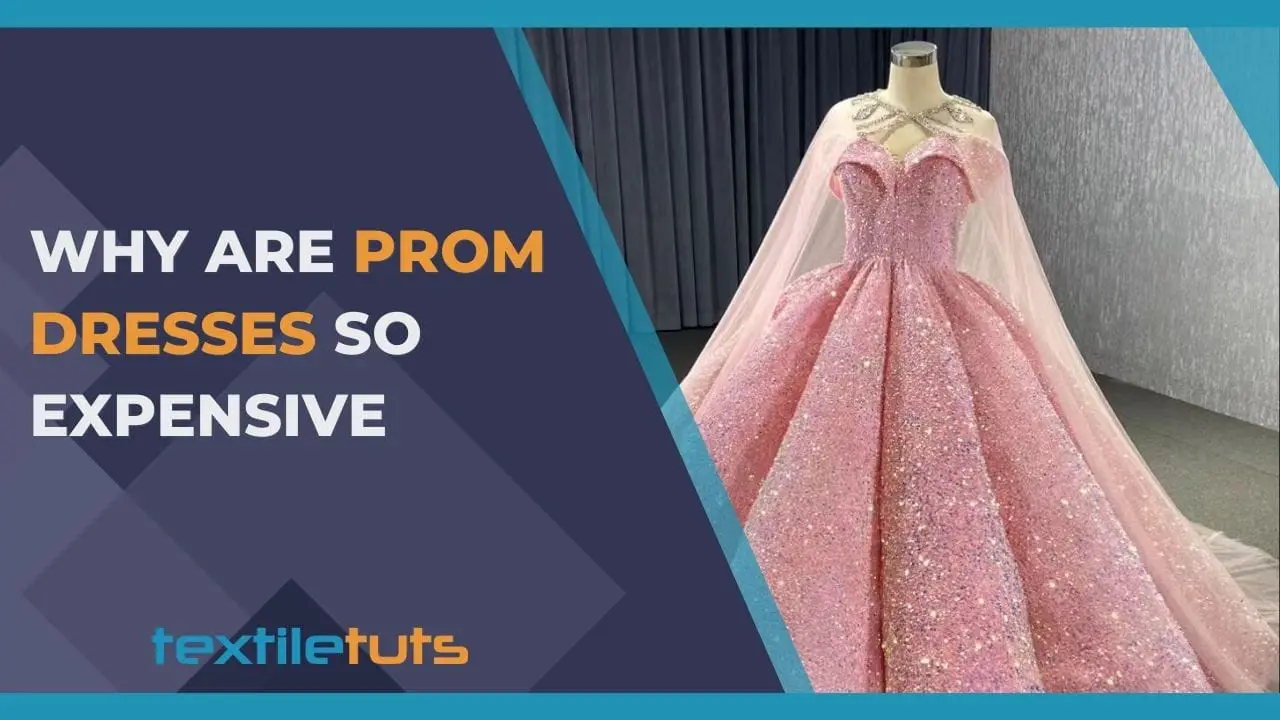
Prom dresses command premium prices for several interconnected reasons. The garments use high-quality textiles, intricate construction techniques, and designer branding that together justify price points ranging from $100 to over $2,000. Fabric costs alone can reach $500 per dress, while hand-applied embellishments add $75 to $200 in production expenses—and some designer gowns contain 5,000 to 15,000 individual sequins or crystals sewn by hand.
Prom is a milestone event in every high schooler’s life. The formal dress at the center of this occasion represents both personal expression and textile craftsmanship, which explains why the average prom dress costs between $400 and $600 while designer gowns easily exceed $1,500.
What Makes Prom Dresses Expensive To Buy?
Prom dresses are expensive because they combine luxury fabrics, specialized construction, and limited-use psychology. The average prom dress costs between $400 and $600, while designer gowns easily exceed $1,500. These prices reflect material costs, labor, brand markup, and the one-time nature of the purchase.
Designer Labels
Major fashion houses produce prom collections that command prices from $800 to $3,500. These designer satin and silk gowns feature hand-finishing, premium trims, and established brand recognition. Ready-to-wear formal dresses from quality manufacturers typically range from $200 to $600, offering accessible alternatives to runway labels.
Bling and Embellishments
Sequin application adds $75 to $200 to production costs per dress. Beaded embellishments, crystal appliqués, and embroidery require skilled labor—typically 15 to 40 additional hours of hand work. A dress with extensive beading may contain 5,000 to 15,000 individual sequins or crystals sewn by hand.
Fabric Quality
Premium prom dress fabrics include 100% silk charmeuse, duchess satin, and taffeta with fabric weights of 8 to 12 momme for silk. These materials cost $25 to $85 per yard, with full dresses requiring 6 to 12 yards. A single silk prom dress may use $150 to $500 in fabric alone.
Construction Complexity
Unique features such as cut-outs, lace-up backs, illusion panels, and one-shoulder designs require 8 to 15 additional construction hours compared to standard silhouettes. Corset back closures demand precise fitting and adjustable boning, adding $50 to $120 to tailoring costs.
Plus-Size Construction
Plus-size prom dresses (sizes 14W to 28W) require 20% to 35% more fabric than standard sizes. Extended sizing also demands pattern modifications and reinforced seams to ensure proper support and fit, adding $40 to $100 to production expenses.
Customization and Special Orders
Custom color matching adds $50 to $150. Made-to-measure orders require multiple fittings and extended production timelines of 6 to 12 weeks, with alteration costs of $75 to $250 for final adjustments.
Market Positioning
The prom dress market operates on perceived exclusivity. Limited-edition collections from established brands generate artificial scarcity, allowing manufacturers to command premiums of 40% to 200% above production costs.
How Much Does The Average Person Spend On Prom?
The average American family spends $919 on prom-related expenses, including the dress or tuxedo, shoes, accessories, transportation, and tickets. This figure represents a significant investment that has increased 250% over the past two decades.
Geographic location creates substantial variation in prom spending. In New York City, the average reaches $2,700 per family, while rural areas average $700. West Coast metropolitan areas average $1,100, and Midwestern cities typically fall between $750 and $900.
A typical prom budget breakdown includes: dress ($400 to $600), shoes ($75 to $150), accessories and jewelry ($50 to $125), hair and makeup ($100 to $250), transportation and limousine ($150 to $400), prom tickets ($50 to $100), and photography ($100 to $200).
Budget-conscious strategies can reduce total costs significantly. Renting formal wear cuts expenses by 60% to 75% compared to purchasing. Buying secondhand dresses typically saves 40% to 65% off retail prices.
What To Consider When Buying A Dress For Prom Night?
Selecting the ideal prom dress requires balancing personal style, practical constraints, and budget considerations. The right choice flatters your physique, matches the venue, and aligns with your financial comfort zone.
Budget Parameters
Before shopping, establish a clear spending limit including potential alteration costs. Allocate no more than 50% of your budget for the dress itself, reserving funds for accessories, dry cleaning, and emergency adjustments.
Body Type Compatibility
Different silhouettes flatter different figures. A-line dresses suit most body types. Mermaid or trumpet silhouettes emphasize curves on hourglass figures. Empire-waist designs elongate shorter torsos. Ballgown silhouettes create dramatic proportions for most heights.
Venue Dress Code
Confirm your school’s prom dress code before purchasing. Many formal events require floor-length gowns, while others permit knee-length or tea-length dresses. Outdoor venues may require shorter hemlines for terrain navigation.
Date Coordination
If attending with a date, coordinate color palettes and formality levels. Your dress should complement—rather than match exactly—their tuxedo or suit. Discussing preferences beforehand prevents miscommunication.
Climate and Season
Spring proms in warm climates demand breathable, lightweight fabrics. Venues with outdoor components may require layers for cooler evening temperatures. Heavier velvet or brocade fabrics work best in air-conditioned indoor venues.
Personal Style Expression
Choose a dress that reflects your authentic style rather than following trends blindly. Classic silhouettes in timeless fabrics provide better long-term value and photograph better than trendy alternatives.
The True Cost of Prom Dresses: Price Breakdown by Category
| Dress Category | Price Range | Typical Fabric | Construction Quality |
|---|---|---|---|
| Budget/Discount | $100–$200 | Polyester blends, acetate satin | Machine-sewn, minimal detailing |
| Mid-Range Department | $200–$400 | Polyester silk, moderate silk content | Machine-sewn with hand finishing |
| Premium/Bridge | $400–$800 | Silk blends, high-quality polyester | Hand finishing, quality embellishments |
| Designer | $800–$1,500 | 100% silk, duchess satin | Extensive hand work, custom details |
| Haute Couture | $1,500–$3,500+ | Italian silk, French lace | Bespoke construction, thousands of hours |
Ways To Save Money On Prom Dresses
With strategic planning and flexible expectations, you can secure a stunning prom dress while preserving your budget for other senior-year expenses. Here are proven approaches to reducing prom dress costs by 40% to 80%.
1. Shop Consignment and Thrift Stores
Formal wear consignment shops stock designer gowns at 40% to 70% below retail prices. Many dresses show minimal wear, having appeared at only one event. Inspect each dress carefully for loose seams, missing embellishments, or staining before purchasing.
2. Explore Online Retailers
Direct-to-consumer online retailers offer formal dresses at 50% to 65% below department store prices by eliminating middleman margins. Verify retailer reputation through independent reviews before ordering.
3. Rent Instead of Buy
Dress rental services provide designer gowns for $100 to $350, compared to purchase prices of $800 to $2,000 for the same garments. Rentals make haute couture accessible while eliminating storage concerns afterward.
4. Visit Discount Retailers
Major retailers including Target, ASOS, and Amazon offer formal dresses ranging from $60 to $180. These budget options work well for casual or semi-formal proms where extreme formality is not required.
5. Borrow from Friends or Family
Sisters, cousins, and family friends who wore formal dresses in previous years may have appropriate gowns available. Borrowing eliminates costs entirely and often includes professional cleaning.
6. Shop Off-Season
Prom dress retailers mark down inventory by 30% to 60% immediately after prom season ends in May and June. Shopping during back-to-school season (August through October) yields the deepest discounts.
7. Consider DIY Customization
A basic dress with minor flaws can become unique through DIY embellishment. Adding fabric flowers, ribbon trim, or sequin accents costs $15 to $50 and transforms simple garments into personalized statement pieces.
8. Invest in Professional Alterations
A $60 to $150 alteration on a $250 dress often produces better results than purchasing a more expensive pre-fitted gown. Tailoring transforms off-the-rack dresses into custom-fitted garments.
9. Watch for Holiday Sales
Major sales events around Valentine’s Day, Easter, and Memorial Day weekend offer 25% to 50% discounts at formal wear retailers. Combine sales with coupon codes for maximum savings.
10. Purchase Pre-Owned Designer
Designer resale platforms and Facebook Marketplace list new or like-new designer gowns at 50% to 75% below original retail prices. Verify authenticity and request detailed photographs before purchasing.
How To Find The Perfect Prom Dress
Finding the ideal prom dress combines preparation, patience, and willingness to explore multiple options. Starting early and maintaining flexibility dramatically improves outcomes.
1. Define Your Style Vision
Browse fashion magazines, Pinterest boards, and Instagram accounts to identify silhouettes, colors, and embellishment levels that appeal to your aesthetic. Save 5 to 10 reference images before beginning your search.
2. Set a Realistic Budget
Total prom costs extend beyond the dress alone. Factor in shoes, accessories, hair, makeup, and transportation when establishing your dress budget. A $300 dress with $150 in accessories exceeds a $350 dress with $50 in accessories.
3. Begin Shopping Early
Start your dress search 4 to 6 months before prom. Early shopping provides time for special orders, alteration appointments, and unexpected discoveries without last-minute stress.
4. Bring a Supportive Companion
Bring one or two trusted advisors whose opinion you value. Large shopping groups create conflicting feedback that complicates decision-making. Your companion should understand your vision and budget parameters.
5. Remain Open to Alternatives
The dress that photographs flawlessly may differ from your initial mental image. Trying multiple silhouettes often reveals unexpected options that exceed original expectations.
6. Trust Your Instincts
When you discover a dress that makes you feel confident and beautiful, trust that response. Overthinking leads to second-guessing and missed opportunities.
Where to Find Affordable Prom Dresses
Affordable prom dresses are available through diverse retail channels beyond traditional department stores. Success requires knowing where to look and when to shop strategically.
- ASOS, Lulus, and Revolve offer modern formal dresses from $75 to $300 with free return shipping.
- Amazon Formal and Nordstrom Rack provide brand-name dresses at 40% to 65% discounts.
- Consignment boutiques stock designer labels including Jovani, Mori Lee, and Sherri Hill at 50% to 75% below retail.
- Once Wed, PreOwnedWeddingDresses, and Trading Muses offer formal gowns previously worn once or twice.
- Sample sales at formal wear boutiques offer floor models and discontinued styles at 60% to 80% discounts.
Should I Rent A Dress For Prom?
Renting a prom dress makes financial sense for families seeking designer aesthetics without designer price tags. The decision ultimately depends on your priorities around ownership, reuse potential, and fitting requirements.
Benefits of Renting Prom Dresses
- Rental fees of $100 to $350 represent 75% to 85% savings compared to purchasing equivalent designer gowns at $800 to $2,000.
- Renters access current-season designer collections that would otherwise exceed their budget.
- No storage, preservation, or future-decision concerns arise after the event.
- Rental packages often include complementary accessories, shoes, and jewelry.
Drawbacks of Renting Prom Dresses
- Rental inventory offers limited size ranges, and rare availability for uncommon measurements may require compromises.
- Renters bear responsibility for damage fees ranging from $50 to $200 for stains, tears, or missing embellishments.
- Fit alterations are prohibited, meaning the dress must work as-is.
Decision framework: Rent if you prioritize designer access and budget certainty. Purchase if you need precise fit customization, want to keep the dress for future events, or have a specific garment in mind.
Frequently Asked Questions
1. Do parents usually pay for prom expenses?
A survey by the National Retail Federation found that 58% of parents cover prom dress costs, while 42% of teenagers pay partially or fully themselves. Parent contributions average $400 to $600 toward total prom budgets of approximately $919.
2. What is the average price for a quality prom dress?
A quality prom dress with durable construction and quality fabrics ranges from $250 to $600. Below $150, dresses typically feature lower-quality fabrics prone to damage and construction that may not withstand one wear. Above $800, prices reflect brand prestige and luxury materials rather than proportional quality improvements.
3. What should you avoid wearing to prom?
Casual attire including jeans, athletic wear, and shorts violates formal event expectations. Avoid overly revealing styles that conflict with school dress codes. White dresses may conflict with school traditions if senior class colors are established.
4. What are the formal dress code requirements for prom?
Prom typically requires formal attire: floor-length gowns, cocktail dresses, or sophisticated separates for women, and tuxedos, suits, or dress pants with formal shirts for men. Some schools permit semi-formal options including knee-length dresses and sport coats.
5. Which colors work best for prom dresses?
Trending prom colors include classic red, emerald green, royal blue, and blush pink. Dark florals, metallics, and jewel tones photograph exceptionally well under event lighting. Consider your skin undertone—warm tones complement gold and coral, while cool undertones pair with silver and sapphire.
6. What does prom represent in American culture?
Prom represents the transition from adolescence to adulthood, marking academic achievement and social milestone status. The tradition began in the 1920s as elaborate college debutante balls and evolved into high school formal celebrations by the 1950s. Today, prom symbolizes achievement, social belonging, and ceremonial closure to the high school experience.
Is There a Reason Behind the High Cost of Prom Dresses Similar to the Name Origin of Boyfriend Jeans?
Prom dress pricing follows the same psychological principles as fashion naming conventions. Like “boyfriend jeans” derive their name from their relaxed, borrowed aesthetic, prom dress prices reflect multiple value factors beyond basic manufacturing costs. Brand heritage, perceived exclusivity, and emotional significance elevate prices in both categories.
Final Words
Understanding why prom dresses cost what they do empowers better purchasing decisions. Focus on finding a dress that flatters your figure, suits your venue, and aligns with your budget rather than chasing designer labels.
Start your search 4 to 6 months before prom season. Explore rental options and pre-owned designer dresses before committing to full retail prices. Professional alterations costing $75 to $150 often produce better results than purchasing a more expensive dress that doesn’t fit properly.
Take photographs in your dress before the event to identify any fitting issues requiring last-minute adjustments. Share photos with your date to coordinate appearance and capture memories of this milestone occasion.
References
- National Retail Federation. (2024). Prom Spending Survey. NRF.
- Cosmopolitan. (2023). Prom Fashion Trends and Statistics. Hearst Magazine.
- Textile Exchange. (2024). Preferred Fiber & Materials Market Report. Textile Exchange.
- U.S. Bureau of Labor Statistics. (2024). Consumer Expenditure Survey – Apparel Sector. BLS.


