
Different Types of Sportswear Clothing

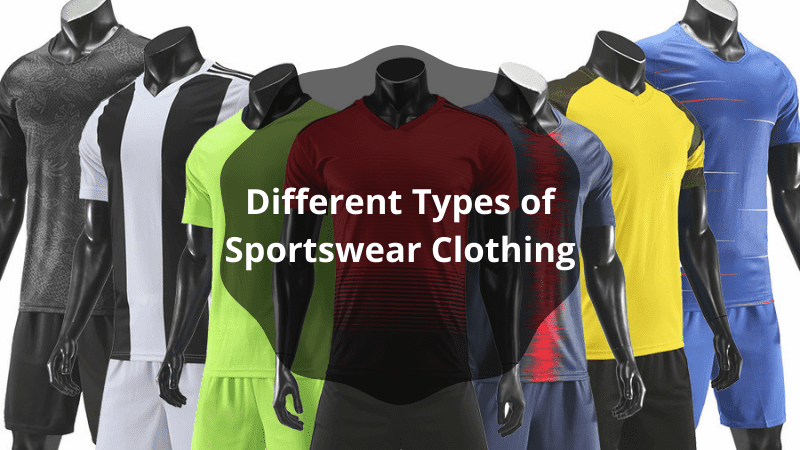
Sportswear clothing refers to specialized garments designed for physical activity, including tracksuits, t-shirts, shorts, football kits, cycling jerseys, running vests, baseball uniforms, ski clothing, and gym wear. The global activewear market was valued at $351,164 million in 2017 and is projected to reach $546,802 million by 2024, growing at a CAGR of 6.5% from 2018 to 2024 (Wikipedia). North America held 42.3% of total revenue in 2017, demonstrating strong demand for purpose-built athletic apparel.
Sportswear serves distinct purposes across different activities. The garments athletes wear directly impacts comfort, range of motion, and overall performance. Choosing the correct sportswear for your activity reduces injury risk and enhances endurance.
Sportswear Quick-Reference Guide
| Garment Type | Ideal Temperature Range | Best For |
|---|---|---|
| Tracksuits | Below 10°C (50°F) | Warm-up, cool-down, cold-weather running |
| T-Shirts and Shorts | 15°C to 30°C (59°F to 86°F) | Indoor/outdoor sports, general athletic use |
| Football Kits | Variable | Soccer, rugby, Australian rules football |
| Cycling Jerseys | Above 15°C (59°F) | Rides exceeding 30 minutes |
| Running Vests | Above 20°C (68°F) | Warm conditions, hydration runs |
| Baseball Uniforms | Variable | Baseball at all competitive levels |
| Ski Clothing | Below 0°C (32°F) | Alpine skiing, snowboarding, cross-country |
| Gym Clothing | Indoor (controlled) | Weightlifting, cardio, group fitness |
Why Should Athletes Use Purpose-Built Sportswear?
Performance sportswear incorporates technical fabrics engineered for specific athletic demands. These garments feature moisture-wicking properties that transfer sweat away from the skin, keeping athletes dry and comfortable during intense exertion.
For example, cyclists benefit from increased airflow in high-heat zones. Microfiber knickers provide superior moisture management through synthetic blends that repel water rather than absorbing it, unlike natural fibers such as cotton.
Fabric selection depends on the sport type, environmental conditions, and individual physiology. The three primary considerations are thermoregulation, freedom of movement, and moisture management.
Types of Sportswear Clothing: A Complete Overview
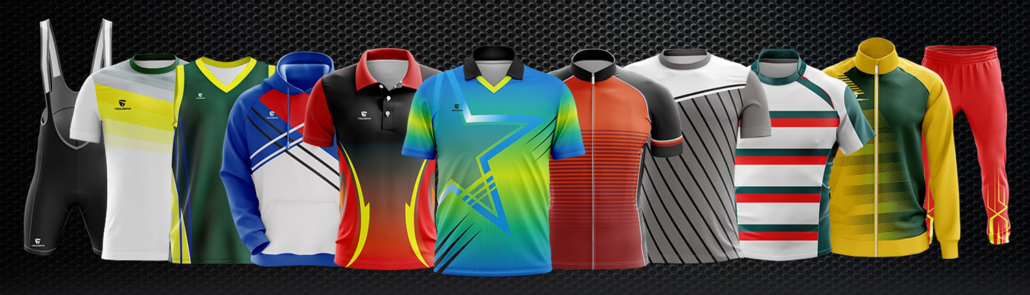
The most common sportswear categories include tracksuits, t-shirts, shorts, football kits, cycling jerseys, running vests, baseball uniforms, ski clothing, and gym wear. Each garment type serves a specific function based on the biomechanical and environmental demands of the sport.
Tracksuits
Tracksuits consist of a jacket and pants designed for warm-up activities, cool-down recovery, and casual athletic wear. Modern tracksuits use blended synthetic fabrics that provide warmth without restricting movement.
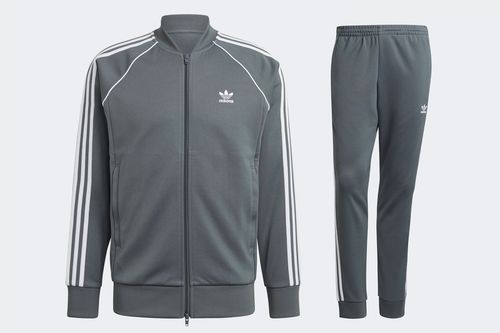
Tracksuits originated as uniform wear for track athletes in the early 20th century but now serve multiple purposes. They work exceptionally well for post-workout warmth retention when temperatures drop below 10°C (50°F).
When to Use Tracksuits
Tracksuits provide optimal warmth during outdoor running in cold weather. The full-length jacket and pants create a thermal barrier that maintains core muscle temperature, reducing the risk of strain injuries during warm-up phases. The relaxed fit allows unrestricted stride length, which is essential for proper running mechanics.
T-Shirts and Shorts
T-shirts and shorts form the foundation of most athletic wardrobes. These garments balance comfort with functionality across a wide range of sports and climate conditions.
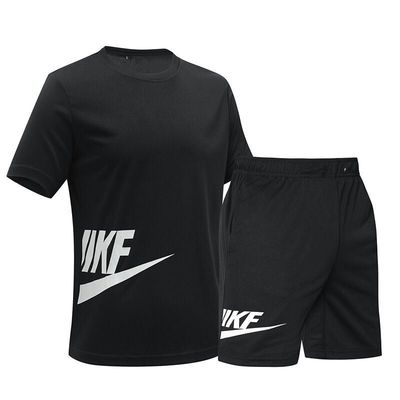
Athletic t-shirts typically use polyester blends rather than 100% cotton. Polyester provides moisture-wicking properties that cotton lacks, reducing fabric weight by up to 30% when saturated (Wikipedia). Tight-fitting shorts prevent fabric interference during dynamic movements.
When to Use T-Shirts and Shorts
T-shirts and shorts suit most indoor and outdoor sports where temperature regulation is manageable. They excel in environments ranging from 15°C to 30°C (59°F to 86°F) and dry significantly faster than cotton alternatives.
Football Kits
A football kit includes a short-sleeve jersey, shorts, knee-high socks, and cleated footwear. Each component serves a specific protective or performance function during match play.
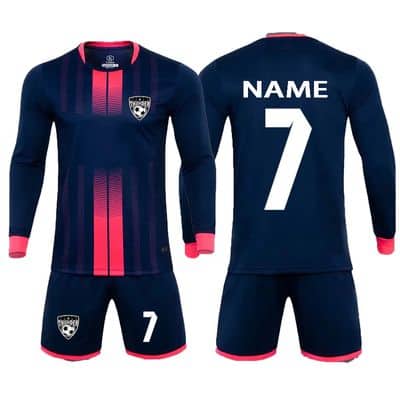
Football jerseys use synthetic polyester fabrics that weigh approximately 160-200 GSM (grams per square meter). This weight provides durability while maintaining breathability during high-intensity intervals lasting 90 minutes or longer.
Shorts incorporate padded impact zones at the hip and thigh areas. These padding sections typically measure 5-8mm in thickness and absorb collision energy during slides and tackles. Cleats feature studs ranging from 10mm to 15mm in length, providing traction on grass surfaces with varying moisture levels.
When to Use Football Kits
Football kits are essential for organized pitch sports including soccer, rugby, and Australian rules football. The integrated padding system reduces impact injury frequency by distributing collision forces across larger surface areas.
Cycling Jerseys and Bibs
Cycling jerseys feature a distinctive longer rear hem that extends to the waistband, preventing fabric from riding up during the forward-leaning cycling position. This design feature addresses a biomechanical challenge unique to cycling.
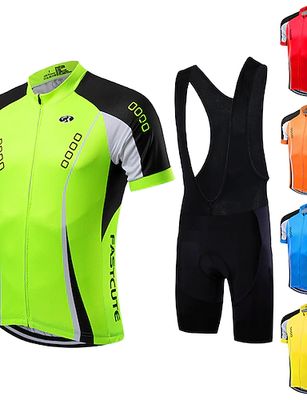
Modern cycling jerseys incorporate 4-way stretch fabrics containing 10-20% spandex content. Spandex fibers can stretch up to five times their original length while maintaining shape recovery after repeated extension cycles (Wikipedia). Side pockets typically accommodate items up to 500g without shifting during pedaling.
When to Use Cycling Jerseys
Cycling jerseys are designed for rides exceeding 30 minutes where aerodynamics and moisture management become significant performance factors. The compressive fit reduces muscle oscillation, which contributes to fatigue during extended efforts.
Running Vests
Running vests weigh significantly less than full-sleeve alternatives, typically between 40g and 120g depending on fabric density and pocket configuration. This minimal weight reduction accumulates over long distances.
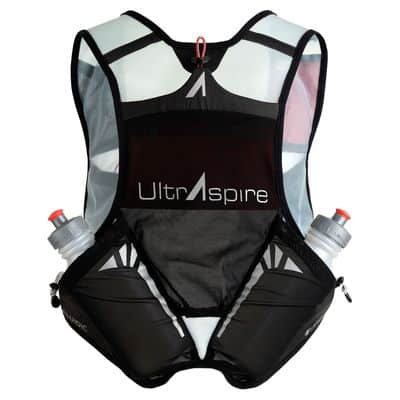
Unlike football kits, running vests contain no padding since runners face minimal collision risk. The sleeveless design maximizes shoulder mobility and allows superior heat dissipation through the upper arms during sustained efforts above 70% maximum heart rate.
When to Use Running Vests
Running vests perform best in warm conditions where temperature regulation determines performance sustainability. They integrate with hydration systems carrying 500ml to 1.5L of fluid without restricting breathing or stride length.
Baseball Uniforms
Baseball uniforms consist of a button-front jersey, belted pants, stirrup socks, and baseball cleats. The design prioritizes range of motion for swinging and throwing while maintaining professional appearance standards.
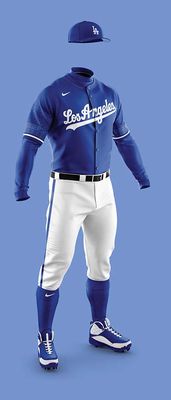
Baseball pants feature reinforced knees measuring 2-3mm thick to withstand repeated sliding contact with dirt and clay surfaces. The moisture-resistant polyester blend dries faster than cotton, maintaining appearance throughout nine-inning games that can exceed three hours in duration.
When to Use Baseball Uniforms
Baseball uniforms are standard equipment for organized baseball at all competitive levels. The stirrup socks and belted design meet league appearance requirements while the reinforced construction withstands the specific demands of base-running and fielding.
Ski Clothing
Ski apparel must address unique environmental challenges including temperatures dropping below -20°C (-4°F), wind speeds exceeding 50 km/h on exposed ridgelines, and UV radiation intensifying at altitude.
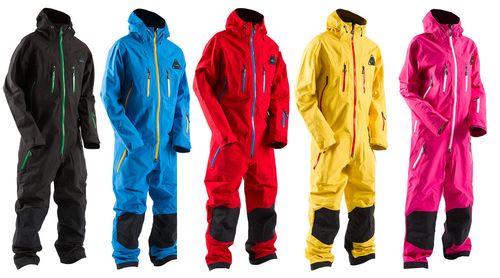
Ski jackets incorporate waterproof breathable membranes rated to 10,000mm hydrostatic head pressure, meaning the fabric withstands water column height before leakage occurs. Breathability ratings typically range from 5,000 to 20,000 g/m²/24hr, indicating moisture vapor transmission rates.
When to Use Ski Clothing
Dedicated ski apparel is essential for alpine skiing, snowboarding, and cross-country skiing when temperatures fall below freezing. The three-layer system (base, insulation, shell) allows athletes to adjust warmth based on exertion intensity and weather changes.
Gym Clothing
Gym wear encompasses resistance training, cardio machine work, and group fitness activities. These garments balance compressive muscle support with unrestricted range of motion for exercises ranging from squats to rowing intervals.
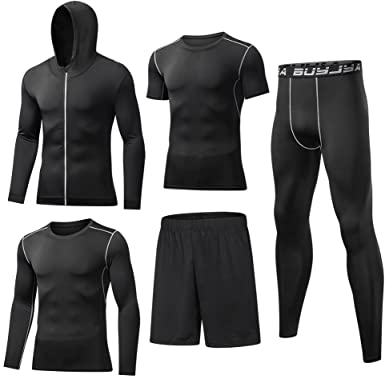
Modern gym shirts use synthetic blends—primarily polyester with 10-20% spandex content—that provide four-way stretch capability. Nylon fabrics used in high-quality gym wear offer excellent abrasion resistance, withstanding over 50,000 abrasion cycles on standard Martindale testing before visible wear appears (Wikipedia).
When to Use Gym Clothing
Gym clothing suits indoor fitness activities where temperature is controlled and collision risk is minimal. The compressive fit reduces muscle vibration during weightlifting, potentially decreasing next-day soreness intensity.
Sportswear Fabric Comparison
The table below summarizes key performance characteristics of common sportswear fabrics:
| Fabric | Elasticity | Moisture Wicking | Durability | Common Use |
|---|---|---|---|---|
| Polyester | Low (1-3% stretch) | Excellent (hydrophobic) | High | Running, cycling jerseys |
| Spandex/Elastane | Very High (up to 500% stretch) | Good | Moderate | Compression wear, leggings |
| Nylon | High (10-30% stretch) | Good | Very High | outerwear, swimwear |
| Cotton | Low | Poor (absorbs moisture) | Moderate | Casual wear only |
| Merino Wool | Low-Medium | Good (natural) | High | Cold-weather base layers |
Final Words
Selecting appropriate sportswear significantly affects athletic performance and recovery. Each garment category addresses specific biomechanical and environmental requirements that general clothing cannot satisfy.
The key selection criteria are fabric breathability, moisture management capacity, range of motion, and climate appropriateness. Matching these factors to your activity ensures optimal comfort and reduces injury risk during training and competition.
References
- Wikipedia. (2024). Sportswear. https://en.wikipedia.org/wiki/Sportswear
- Wikipedia. (2024). Spandex. https://en.wikipedia.org/wiki/Spandex
- Wikipedia. (2024). Nylon. https://en.wikipedia.org/wiki/Nylon


