
Fabric Dye vs. Tie-Dye: What’s the Difference?

No — fabric dye and tie-dye are not the same product, but they use nearly identical reactive dye chemistry. The key difference is that fabric dye is formulated for full immersion dyeing (immersing entire garments in a dye bath), while tie-dye contains additional additives that modify viscosity and flow for squeeze-bottle application. Both form covalent bonds with fiber molecules, but the process and dye-mix formulation differ substantially.
This guide breaks down exactly how they compare, what each is best suited for, and how to choose the right product for your next project.
What is Fabric Dye?
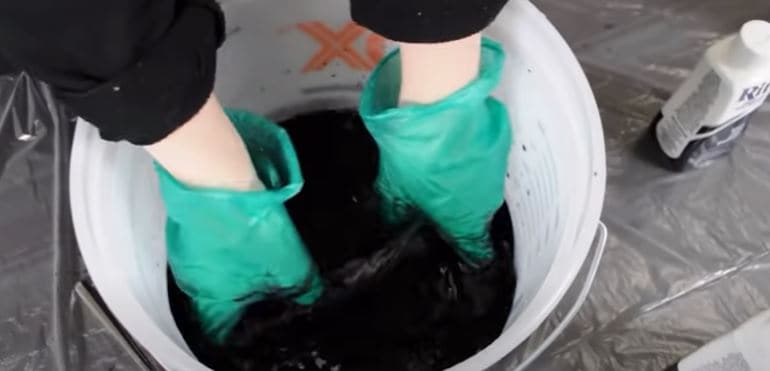
Fabric dye brings about a permanent color change for fabric. Fabric is soaked in the dye, which then sets into the fibers permanently through a chemical bonding process. The dye molecules form covalent bonds with the fiber polymers, and the dyes are water soluble.
For cotton and other cellulose fibers, fabric dyeing requires an alkaline dye bath with a pH between 10 and 11 to facilitate the dye-fiber reaction. The fixation temperature varies by dye type: dichlorotriazine dyes fix at 30°C, vinyl sulfone dyes at 40°C, and monochloro-triazine dyes at 80°C. This wide temperature range allows dyers to select the appropriate dye chemistry for their equipment and timeline.
What is Tie-Dye?
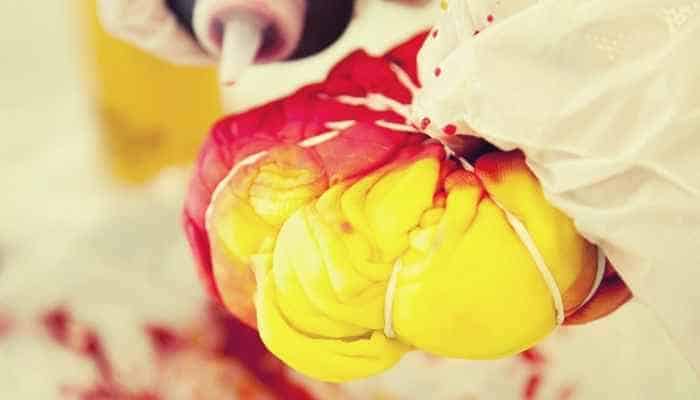
Tie-dye refers to a specific dying process applied to fabric. The dye is typically a powder that is mixed with water and then applied to the fabric in controlled patterns.
Once the water evaporates, it leaves behind an open weave structure in the fabric that is ideal for catching additional colors of dye. The pattern effect is temporary because once all of the water evaporates, the open weave closes and the fabric dyes uniformly like the rest of the piece.
Fabric Dye and Tie Dye Have Nearly Identical Chemistry

The dyes used for solid dyeing (fabric dyeing) and tie dyeing are essentially the same with nearly identical chemical composition. Both rely on reactive dye chemistry that forms covalent bonds with fiber molecules.
The difference lies entirely in the dyeing process and the dye-mix formulation. Dye manufacturers incorporate auxiliary chemicals into the mix they sell for tie-dye kits — these additives modify the viscosity, flow behavior, and setting time to suit the application method. If you are using reactive fabric dye for solid dyeing, you can use the same dye for tie dyeing with modifications to your dye-mix and process.
The Key Differences Between Tie-Dye and Fabric Dye
These differences arise from the variance in application method.
| Factor | Fabric Dye | Tie-Dye |
|---|---|---|
| Color Permanence | Grade 4–5 fastness, 50+ wash cycles | Fades in 3–6 months with standard washing |
| Application Method | Full garment immersion in dye bath | Squeeze bottle, rubber bands, patterns |
| Best Use Case | Solid colors, workwear, activewear | Multicolored patterns, casual garments |
| Color Range | Wide spectrum including deep/muted tones | Bright, saturated shades primarily |
| Max Wash Temp | 60°C (with minimal bleeding) | 40°C max to avoid color bleeding |
| Ease of Use | Ready from package, no pre-soak | Requires soda ash pre-soak, tools |
| Learning Curve | Beginner-friendly | Steeper — requires practice for consistent results |
| Dye Bath Reusability | Yes — reboil and reuse exhausted baths | No — mixed-color baths cannot be reused |
| Color Testing | Test swatch before full garment | Cannot be reliably test-predicted |
Permanency of Color
Fabric dye produces a more permanent color change than tie dye.
Tie-dye typically lasts 3 to 6 months before noticeable fading occurs in a standard wash regimen (one gentle cycle per week). Professional tie-dye artists report that their pieces maintain vibrancy for 6 to 12 months with cold-water washing and line drying.
Fabric dye is permanent because the entire fabric is immersed in an aqueous alkaline solution for an extended period — typically 30 to 60 minutes at 60°C — allowing the fixing chemicals (sodium carbonate for cotton) to fully react. The resulting colorfastness rating reaches Grade 4 to 5 on the ISO 105-C06 scale, indicating minimal fading over 50+ wash cycles.
Application and Use Case
Tie-dye works best on garments that do not undergo heavy wear and frequent washing, such as blouses, T-shirts, and casual wear. The dye sits closer to the fabric surface and is more susceptible to abrasion.
Fabric dye is suited for garments that require durability, including activewear, workwear, and items that undergo repeated laundering. Pants, skirts, and everyday clothing hold up better with deeply penetrated dye.
Design Variation
Tie-dye is predominantly available in bright, saturated shades because the technique targets vivid, contrasting patterns. Common tie-dye colors include fluorescent pink, electric blue, lime green, and sunburst yellow.
Fabric dyes offer a wider spectrum including deep, muted tones — navy, burgundy, forest green, charcoal, and brown — that are not achievable with standard tie-dye formulations due to the higher dye concentration and longer fixation time used in solid dyeing.
Washing at Boil Temperatures
Do not wash tie-dyed garments with other fabrics at high temperatures. Tie-dyed fabrics release unbound dye particles at temperatures above 40°C, causing color bleeding onto other garments in the same load. A single wash at 60°C can transfer enough dye to permanently stain light-colored clothing.
Fabric dyes achieve Grade 4-5 wash fastness and can withstand multiple wash cycles at 40°C without transferring color. Properly dyed fabric at the correct pH and temperature resists bleeding even at 60°C.
Ease of Application
Tie-dyeing requires additional tools and materials: rubber bands, squeeze bottles, plastic wrap, and plastic drop cloths. The process involves pre-soaking fabric in soda ash solution (pH 10.5 to 11), applying dye in patterns, and allowing 6 to 24 hours of dwell time before rinsing.
Most fabric dyes are ready to use directly from the package — you dissolve the dye in warm water (40 to 60°C depending on fiber type), add salt for cellulose fibers or acetic acid for protein fibers, and immerse the fabric. No pre-soaking or special tools are required.
Product Availability
Fabric dyes are widely available at craft stores, supermarket chains, and online retailers. Brands such as RIT and Dylon stock multiple dye types across major retailers.
Tie-dye kits are primarily sold at specialty quilting shops, craft supply stores, and through online marketplaces. Kits typically include rubber bands, dye powder in multiple colors, squeeze bottles, and instruction cards — priced between $10 and $30 depending on the number of colors.
Making Corrections
The shade produced by fabric dye can be tested on a scrap of the same fabric type before committing to the full garment. This test swatch confirms the final color before dyeing.
Tie-dye cannot be reliably tested before full application because the result depends on the absorption pattern, pleat placement, and dye concentration at each point — variables that differ between test pieces and final applications. Correction after tie-dyeing requires over-dyeing with a darker shade or removing the dye with a commercial dye remover.
Reusability of Dye Baths
Exhausted fabric dye baths still contain viable dye molecules and can be reboiled and reused for subsequent batches. Reusing dye bath extends cost efficiency and reduces wastewater.
Tie-dye baths cannot be washed and reused because they contain a mixture of multiple dye colors that would create muddy, unpredictable shades in subsequent applications. The one exception is a single-color black tie-dye bath, which can be reconstituted with additional dye powder.
Using Fabric Dye and Tie Dye Together on One Garment
To create a smooth gradation from white to color on one garment, the entire piece must be dyed in a single process. Applying fabric dye after tie-dyeing will over-dye the previously colored sections, causing the white portions to absorb the new color while the dyed regions undergo color mixing — producing muddy secondary tones.
Applying fabric dye before tie-dyeing works effectively: dye the garment solid with fabric dye first, then apply tie-dye patterns over the dried, dyed ground color. This technique creates depth by layering tie-dye patterns on top of a solid base color.
Fabric paint can be applied after all dye processes are fully dry and the garment has been rinsed. RIT fabric paint and Arteza fabric paint both bond well to dye-set fabric and provide a final decorative layer without affecting the underlying dye.
Choosing Between Fabric Dye and Tie-Dye Kit for Your Project
The primary factor in choosing a dye type is the desired final appearance.
If you want the distinctive circular or spiral patterns associated with tie-dye, a tie-dye kit is the correct choice — it delivers the multicolored, tie-dye aesthetic. If you want a uniform solid color or a subtle tonal shift, fabric dye is the better option.
Tie-dye kits require additional tools (rubber bands, squeeze bottles, plastic wrap, pre-soaking in soda ash) and have a steeper learning curve for consistent results. Fabric dye is ready to use straight from the package, making it suitable for first-time dyers who want to refresh a garment with solid color. Easy tie dye techniques for beginners can simplify the process and make it more approachable. By using basic folding methods and fewer colors, you can create stunning patterns without feeling overwhelmed. Remember to wear gloves and work in a well-ventilated space to ensure a safe and enjoyable dyeing experience.
Fabric dye kits commonly include a satisfaction guarantee, making them lower-risk for beginners who are unsure which product suits their project.
Buying Tips for Fabric Dye and Tie Dye
Check the Colorfastness Rating
Verify that the dye carries a colorfastness rating of Grade 3 or higher on the ISO 105 wash-care standard. Both RIT and Dylon publish wash-care test results on their websites, showing performance across different wash temperatures and fabric types.
For tie-dye specifically, look for fiber reactive dyes (not all-in-one kits) — they achieve wash fastness of Grade 4 or higher after proper fixation. RIT’s all-in-one formula is convenient but typically rates Grade 2-3, requiring more careful washing to maintain vibrancy.
Match the Dye to the Fiber Content
Dye selection must align with the fiber composition of your garment. Fiber reactive dyes (sodium carbonate activated) work on cellulose fibers: 100% cotton, linen, hemp, and rayon. Acid dyes work on protein fibers: wool, silk, and cashmere. Nylon takes acid dyes well.
Using a cotton-formulated dye on a 65% polyester/35% cotton blend will only color the cotton portion, resulting in a faded, mottled appearance. For polyester blends, use a dye specifically rated for synthetic fibers — typically disperse dyes that require temperatures of 100°C or higher to achieve adequate fixation.
Polyester cannot be dyed at home with standard fabric dyes — it requires disperse dyes and sustained heat at 100°C or above for 30+ minutes in a pressurized dyebath. Natural fiber blends with less than 50% cotton will produce weak, uneven color with standard home dyeing methods.
How to Use Each Type of Dye Effectively
There is no single best method — the optimal approach depends on your fabric type and equipment.
For 100% cotton and other cellulose fibers, fiber reactive dyes produce the best results: dissolve 2 to 5 tablespoons of dye in 500 mL of warm water, pre-soak the fabric in a soda ash solution (1 cup per gallon, pH 10.5 to 11) for 20 minutes, then apply the dye. Allow 6 to 24 hours of dwell time before rinsing in cold water until the runoff is clear.
For wool or silk, acid dyes require a water bath heated to 80 to 100°C for 30 to 60 minutes with acetic acid (vinegar) as the mordant. The fabric must be wet before entering the hot dye bath to ensure even absorption.
For polyester blends, verify that the dye label specifically states it works on polyester. Apply the dye at a minimum of 100°C for 30 minutes in a stainless steel pot with a close-fitting lid to maintain temperature. Heat-setting with a household iron at 150°C for 60 seconds provides a temporary bond for paints and pigments on polyester, but this is not a permanent dye fixation.
Always test your color on a fabric scrap before committing to the full garment. Cut a 10 cm by 10 cm swatch from the same fabric, dye it alongside the main garment, and compare the result to your target shade.
How Long Does Mixed Tie Dye Last Before It Degrades
Mixed fiber reactive dye remains viable for 24 to 48 hours when stored in a sealed container at room temperature. Beyond 48 hours, hydrolysis in the alkaline dye bath progressively deactivates the reactive dye molecules, reducing color yield with each subsequent use.
Reactive dyes undergo hydrolysis when the dye molecules bond with water molecules instead of fiber molecules — this is why fiber reactive dyes have a lower utilization rate (typically 60 to 70%) compared to other dye classes. Storing mixed dye in the refrigerator at 4°C slows hydrolysis significantly, extending usable shelf life to 5 to 7 days.
Acid dyes are more stable in solution and can last 2 to 4 weeks when refrigerated, making them preferable for projects where the dye bath may be reused across multiple sessions. However, acid dyes are formulated for protein fibers, not cotton, so their application is limited to wool, silk, and nylon.
Final Words
This article has clarified the key differences between fabric dye and tie dye. Their chemical composition is nearly identical — both use reactive dye chemistry to bond with fibers. The differences arise from the dye-mix additives and the application process.
Consider reading our next post on is fabric dye permanent.
Adios.
References
- Chakraborty, J.N. (2013). Fundamentals and Practices in Colouration of Textiles. Elsevier.
- Wikipedia contributors. (2024). Reactive Dye. Wikipedia.
- RIT Dye. (2024). How to Use RIT Dye. RIT Dye.


