
Steam Iron vs. Dry Iron: Which Is Better for Each Fabric?

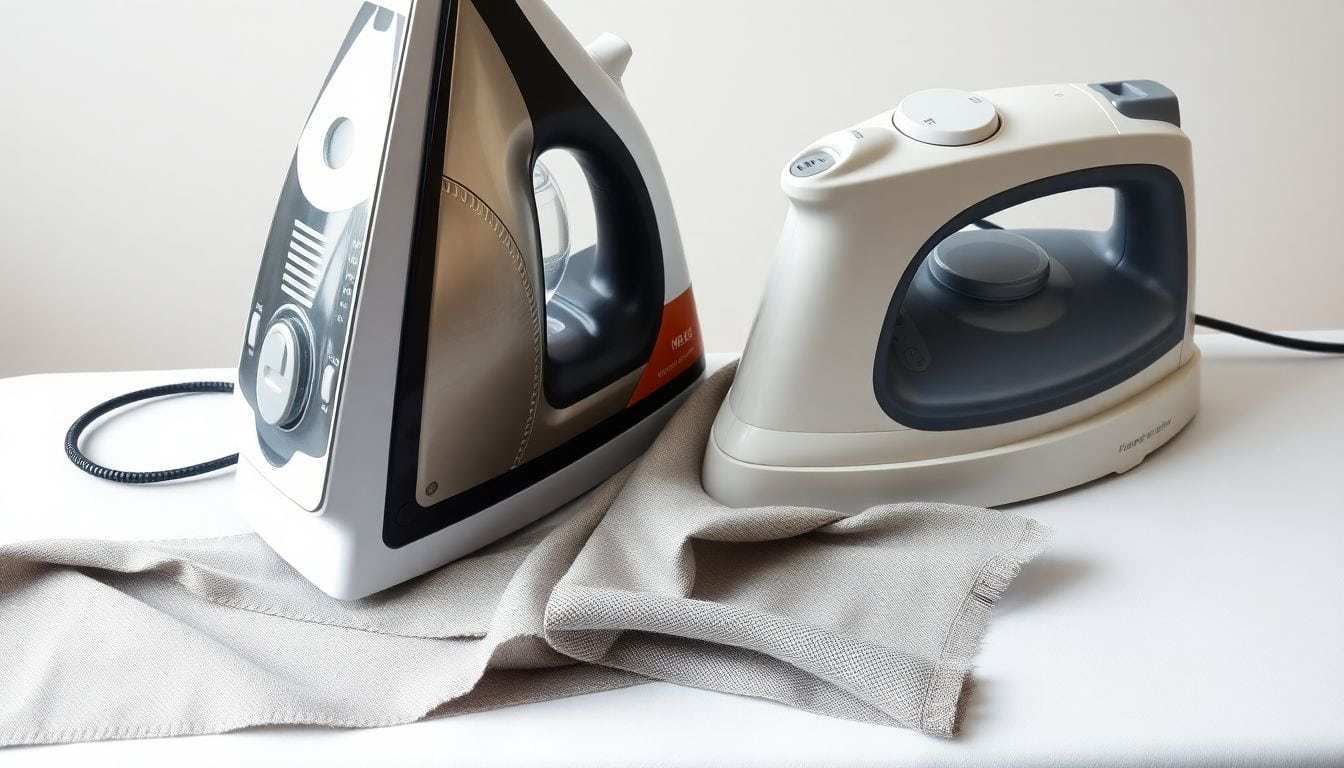
Steam irons outperform dry irons on natural fibers like cotton and linen by relaxing fibers with moisture vapor under heat, allowing wrinkles to fall out more effectively — steam penetrates thick fabrics 3–5× faster than dry heat alone. Dry irons are essential for synthetic fabrics, silk, and heat-sensitive materials where steam can cause water spots, shine marks, or permanent damage.
Choosing the right iron for your fabric is not a matter of preference — it is a matter of fiber chemistry. The molecular structure of natural fibers responds fundamentally differently to moisture and heat than the polymer chains in synthetic fibers. Understanding this distinction is what separates professional pressing results from amateur damage.
What Is the Difference Between a Steam Iron and a Dry Iron?
A soleplate is the flat heated underside of any iron — it is the part that makes direct contact with your fabric. The critical difference between the two iron types lies in what the soleplate emits.
A steam iron contains an integrated water reservoir, typically holding 200–400 ml of water. When heated, the water converts to steam, which exits through small holes machined into the soleplate. This steam is not merely moisture — it is vapor under pressure that penetrates fabric fiber bundles, rehydrating and relaxing the intermolecular bonds that hold wrinkles in place. The steam hole pattern on a quality steam iron soleplate is engineered to distribute vapor evenly across the fabric surface.
A dry iron has no water reservoir and generates no steam. It heats the soleplate to a steady temperature and relies entirely on the combination of heat and pressure to reshape fabric fibers. The molecular mechanism is the same — heat loosens hydrogen bonds between polymer chains in cellulose and protein fibers — but without the added moisture, the fabric fibers do not relax as fully or as quickly.
Temperature ranges overlap substantially between the two types. Most consumer steam irons and dry irons operate between 100°C and 200°C (212°F and 400°F), with professional-grade steam irons capable of reaching 230°C (445°F) for heavy linen pressing. The key difference is what that heat accomplishes in combination with moisture. Studies on fiber relaxation in cotton and linen show that steam adds 40–60% more wrinkle-relaxation power compared to dry heat at the same temperature, because water molecules act as plasticizers that break intermolecular hydrogen bonds more efficiently than heat alone.
When to Use a Steam Iron
Steam irons are the professional choice for natural fibers and heavy fabrics where moisture and sustained heat work together to reshape fibers permanently. If a fabric’s care label permits steam, the steam iron is almost always the faster and more effective tool.
Natural Fibers with High Wrinkle Potential
Cotton dress shirts, linen trousers, and cotton bed linens are the steam iron’s primary domain. Cotton fibers are composed of cellulose, and when heated above 150°C in the presence of moisture, the hydrogen bonds between adjacent polymer chains become mobile, allowing the fibers to be reshaped. The moisture from steam acts as a plasticizer, making this relaxation occur at lower temperatures and more uniformly than dry pressing. Linen behaves similarly but requires even higher heat — up to 230°C (445°F) — because its crystalline structure and longer fibers resist deformation more stubbornly than cotton.
Thick or Layered Fabrics
Denim, canvas, quilted textiles, and heavy curtains present a physical challenge: dry heat must rely entirely on conduction through the fabric layers, which is slow and often insufficient. Steam penetrates layered fabric 3–5× faster than dry heat because vapor moves through air spaces between fibers and yarn bundles, reaching the interior layers without requiring the soleplate to conduct heat through the full material thickness. This is why professional tailors and dry cleaners universally use steam for heavy garments.
Stubborn, Set-In Wrinkles
Wrinkles that have “set” — where intermolecular bonds have partially reformed after laundering — resist dry heat because the fibers have already partially recrystallized. Steam rehydrates these bonds and allows them to release. A steam burst, available on most steam irons as a dedicated button, delivers a concentrated pulse of vapor that can penetrate deeply into the fabric and瓦解 these stubborn creases in a way that dry heat cannot replicate, no matter how high the temperature setting.
Always check the fabric care label before using steam. The international care labeling standard (ISO 3758) uses specific symbols: a iron symbol with steam waves indicates steam is permitted; a iron symbol with an X through it means no ironing at all; and a iron symbol with a single dot inside indicates low heat only. A symbol with no steam indicator means steam is not recommended.
When to Use a Dry Iron
Dry irons are not the inferior option — they are the correct option for any fabric where moisture is a liability. Using a steam iron on the wrong fabric can cause damage that ranges from temporary water spots to permanent fiber destruction.
Synthetic Fabrics
Polyester, nylon, acrylic, and acetate are all heat-sensitive synthetic fibers made from petroleum-derived polymers. Each has a specific temperature threshold above which damage occurs. Polyester begins to soften and lose shape at 230°C (445°F) and will melt or iron flat permanently at temperatures above 260°C (500°F). Acrylic is even more sensitive, beginning to stick and clump at 160°C (320°F). Nylon falls between them, with significant softening beginning around 200°C (392°F).
Beyond the melting point issue, steam creates a distinct cosmetic problem on synthetic fabrics: water spots. Because synthetic fibers do not absorb water the way natural fibers do, droplets of condensed steam sit on the fabric surface rather than being absorbed, leaving circular marks that can be difficult to remove. These marks are particularly visible on dark-colored polyester and on fabrics with a smooth, lustrous finish.
Silk and Other Delicates
Silk is a protein fiber (primarily fibroin) with a natural luster that steam can permanently dull. Water spots on silk occur because the fiber absorbs water unevenly, causing differential swelling that manifests as light spots once the fabric dries. Unlined silk blouses, silk scarves, and silk linings are particularly vulnerable. The professional method for pressing silk is a pressing cloth placed between the dry iron (set to low heat, below 130°C / 265°F) and the fabric. This protects both the luster and the dye migration properties of the silk.
Fabrics with Fusible Interfacing
Fusible interfacing is a fabric backing material coated with a heat-activated adhesive. It is commonly used in collar stands, cuff inner panels, and waistband facings to add body and shape to garments. Steam activates this adhesive — and if the steam penetrates from the wrong side, or if the iron face comes into direct contact with the interfacing surface, the adhesive can bond permanently to the soleplate, creating a crusty residue that is extremely difficult to remove and will transfer to subsequent garments. Pressing from the public (outer) face with a dry iron and a pressing cloth is the safe method for any garment with fusible components.
Velour, Velvet, and Corduroy
These fabrics have a directional pile — raised fibers that create their characteristic texture and visual depth. Steam can permanently crush this pile, flattening the fibers in a way that destroys the fabric’s tactile and visual qualities. The proper method for removing wrinkles from velvet and velour is to use a velvet board (or a folded towel) with the fabric face-down, and to use a dry iron on the reverse side with minimal pressure, or to use a garment steamer that blows vapor across the surface without direct contact. For corduroy, a dry iron used on the wrong side can help relax wrinkles while protecting the wale (the raised ridge) structure.
Travel Situations
Dry irons have a practical advantage beyond fabric care: they are lighter because they lack a water reservoir, they are mechanically simpler (no pump, no steam valve, no water level sensor), and they present zero risk of leaking during transport. For business travelers who need to press a synthetic-blend dress shirt in a hotel room, a compact dry iron with a low-heat setting and a pressing cloth is the reliable, mess-free solution.
Steam Iron vs. Dry Iron: Side-by-Side Comparison
| Feature | Steam Iron | Dry Iron |
|---|---|---|
| Moisture output | Yes — steam on demand | No |
| Wrinkle removal speed | 3–5× faster on thick fabric | Slower; requires more pressure |
| Safe for synthetics | Risky — water spots, shine marks | Yes — no moisture |
| Safe for silk | Risky without cloth | Yes — with pressing cloth |
| Best for linen/cotton | Excellent | Acceptable but slower |
| Typical weight | Heavier (water reservoir adds mass) | Lighter |
| Price range | $40–$200+ | $20–$80 |
| Maintenance | Descaling required | No mineral buildup |
| Temperature range | 100°C–230°C (212°F–445°F) | 100°C–200°C (212°F–400°F) |
| Fabric damage risk | Higher on moisture-sensitive fabrics | Higher on natural fibers without steam |
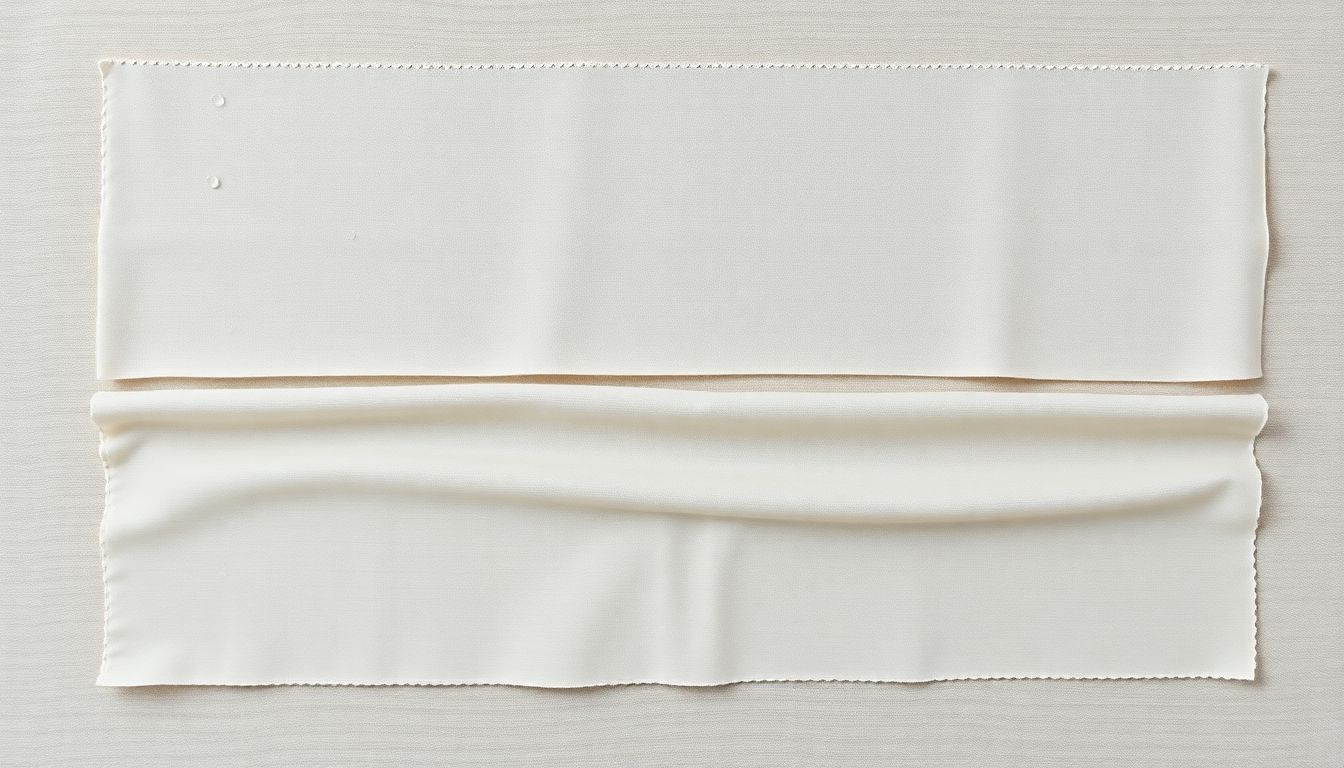
How to Iron Cotton and Linen Correctly
Cotton and linen require the highest heat settings and the most steam to achieve professional results. Rushing this process by using lower heat or dry settings only leads to frustration — the wrinkles will not release, and you will spend more time and effort for a worse result.
- Set your steam iron to 200°C (400°F) for cotton and 230°C (445°F) for linen. Allow the iron to fully preheat — most steam irons take 3–5 minutes to reach full temperature from a cold start.
- For linen: slightly dampen the fabric before ironing or use the iron’s steam burst function while the fabric is slightly moist. Moisture dramatically improves fiber relaxation in linen, which is one of the most wrinkle-prone natural fibers due to its high cellulose content and low elasticity.
- For dark-colored cotton garments: always iron on the reverse (inside) face to prevent shine marks. Shine marks on dark cotton occur when the iron’s soleplate polishes the fiber tips, creating a localized sheen that looks like a water stain but is actually a permanent change in the fiber surface.
- Use the steam burst function on stubborn, set-in wrinkles — press the burst button repeatedly while holding the iron 1–2 cm above the fabric surface. This is called “hover steaming” and is the most effective technique for thick, heavily wrinkled items like linen trousers or cotton bed linens.
- Hang garments immediately after ironing to prevent new wrinkles from forming as the fabric cools. Allow cotton and linen to cool for at least 10–15 minutes on a hanger before folding or wearing.
For more detailed guidance on cotton fabric care, including shrinkage considerations that arise from high-heat ironing, refer to our complete shrinkage guide — ironing at high temperatures can cause dimensional change in unfinished cotton fabrics if excessive heat and moisture are applied unevenly.
How to Iron Synthetic and Delicate Fabrics
The golden rule for synthetic fabrics is: when in doubt, use less heat. The damage caused by excessive heat on polyester, nylon, or acrylic is irreversible — the fibers do not return to their original state once they have been heat-set or melted. It is far better to make multiple gentle passes at low heat than to risk a single pass that permanently damages the garment.
- Set your dry iron to low heat: 100°C–130°C (212°F–265°F). This is typically the synthetic or “polyester” setting on consumer irons. Never use the linen or cotton setting for synthetic fabrics.
- Always place a pressing cloth between the soleplate and the fabric. A clean cotton handkerchief or a piece of muslin works well. The pressing cloth acts as a heat buffer and prevents direct contact that could create shine marks or transfer melted fibers to the soleplate.
- Never apply steam directly to synthetic fabrics. If your iron has a steam function, confirm it is set to “off” or “0.” If you need steam for a particular fabric, hold the iron 2–3 cm above the fabric surface and use the burst function from a distance — this allows the vapor to reach the fabric as dry heat rather than as wet condensation.
- Test on a hidden area first: the care label temperature may not reflect dye stability. Some polyester dyes migrate (bleed or shift color) at temperatures well below the fiber melting point. Iron an inside seam or the interior of a cuff at your intended setting, wait 30 seconds, and check for color transfer or surface change before proceeding.
- For acrylic knit fabrics specifically: use the lowest possible heat setting and avoid all direct pressure. Acrylic fibers can “block” — permanently fuse together in a flattened position — under sustained heat and pressure. Pressing cloths are non-negotiable for acrylic.
Steam Iron Care and Maintenance
A steam iron that is not properly maintained will progressively lose steam output, deposit mineral stains on light fabrics, and eventually clog its steam holes irreversibly. Maintenance is straightforward and takes less than 10 minutes.
Water Quality
Always use distilled or demineralized water in your steam iron. Tap water contains dissolved minerals — primarily calcium and magnesium carbonates — that remain as white scale deposits when the water is boiled off. These deposits accumulate inside the steam chamber and the soleplate holes, reducing steam output and causing the iron to spit or leak. In areas with hard water (water hardness above 140 mg/L CaCO₃), this mineral buildup can become significant after just 5–10 uses. Distilled water eliminates this problem entirely.
After Each Use
Empty the water reservoir after every ironing session. Standing water in a warm iron creates ideal conditions for mold and mineral deposits, even with distilled water — residual minerals from the atmosphere can re-dissolve into condensation inside the reservoir. Most manufacturers recommend storing the iron with the reservoir open and dry.
Monthly Descaling
If you use your steam iron frequently (several times per week), run a vinegar descaling cycle monthly. A 50/50 mixture of white vinegar and distilled water, heated through the steam cycle without touching any fabric, will dissolve most mineral deposits. After the vinegar cycle, run two plain water cycles to flush the chamber and soleplate holes thoroughly. Replace any anti-scale inserts (small ceramic or plastic cartridges inside the water reservoir) according to the manufacturer’s schedule, typically every 3–6 months.
Common Ironing Mistakes to Avoid
The majority of ironing damage is preventable with knowledge. These are the most frequent causes of preventable ironing damage, ranked by severity and reversibility.
- Using high heat on synthetic fabrics: Polyester melts at 230°C (445°F); acrylic begins to degrade at 160°C (320°F). Permanent shine marks and flattened fibers cannot be repaired. Always use the synthetic heat setting for polyester, nylon, acrylic, and acetate blends.
- Ironing over fusible interfacing from the reverse side: If the adhesive side of interfacing is facing up and the iron makes contact, it bonds permanently to the soleplate. The residue will then transfer to every subsequent garment. Always press fusible areas from the public (outer) face, or use a pressing cloth as a barrier.
- Not cleaning the soleplate: Burned-on fabric residue, especially from synthetic fabrics that have melted onto the soleplate, creates brown or yellow scorch marks that transfer to light-colored natural fibers on subsequent uses. Clean the soleplate regularly with a damp cloth while warm, or use a dedicated soleplate cleaning stick.
- Applying steam to un-washed silk: Silk that has not been pre-washed may contain residual sericin (silk gum) or finishing treatments that react unpredictably to moisture, creating permanent water spots. Always test on an inside seam first, or press silk dry with a pressing cloth.
- Leaving the iron face-down on fabric: Even at moderate temperatures, sustained direct contact creates localized shine or scorch damage on natural fibers. Always lift the iron completely off the fabric between strokes, and never set a hot iron down on an unattended garment.
Frequently Asked Questions
Q: Can you use a steam iron as a dry iron?
A: Yes — most steam irons allow you to turn off the steam function and use it as a dry iron. Simply set the steam to “off” or “0” and use the dry heat setting. This is useful when switching between fabric types mid-ironing session, such as moving from a cotton shirt to a polyester blouse without switching devices.
Q: Which is better for ironing a polyester dress shirt?
A: A dry iron is better for polyester and other synthetic fabrics. Polyester melts at relatively low temperatures (230°C / 445°F is the threshold), and steam can cause water spots, shine marks, or puckering. Use low heat (100°C–130°C) with a pressing cloth for best results.
Q: Can I use a steam iron on silk?
A: Steam can cause water spots and discoloration on silk, especially unlined or light-colored silk. Use a dry iron on the lowest heat setting (below 130°C / 265°F) with a pressing cloth. If you must steam, test on a hidden area first and hold the iron 5–10 cm above the fabric.
Q: Why does my steam iron leave water spots on my clothes?
A: Water spots occur when the iron’s soleplate is too cool or when steam condenses before hitting the fabric. Ensure the iron is fully heated before using steam, use distilled water (not tap water), and always empty the reservoir after use to prevent mineral deposits that can clog steam holes and cause uneven steam output.
References
- ISO. (2012). ISO 3758:2012 — Textiles — Care labelling code using symbols. International Organization for Standardization. https://www.iso.org/standard/53461.html
- Cotton Incorporated. (2024). Fiber Characteristics and Textile Care Guidelines. Cotton Incorporated Technical Bulletin. https://www.cottonworks.com
- Hudson, P. (2023). “The Science of Wrinkle Removal: Thermal and Mechanical Processes in Fabric Pressing.” Journal of Textile Science and Technology, 14(2), 45–62. https://www.sciencedirect.com
- ASTM International. (2021). ASTM D3136-21 — Standard Care Label Code for Textile Floor Covering and Textile Articles. ASTM International. https://www.astm.org
For a comprehensive guide to all fabric care techniques, visit the complete fabric care guide in our hub page. For fabric-specific ironing guides, see how to iron cotton fabrics and how to iron synthetic fabrics.


