
Does Columbia Sportswear Shrink? Washing and Care Guide

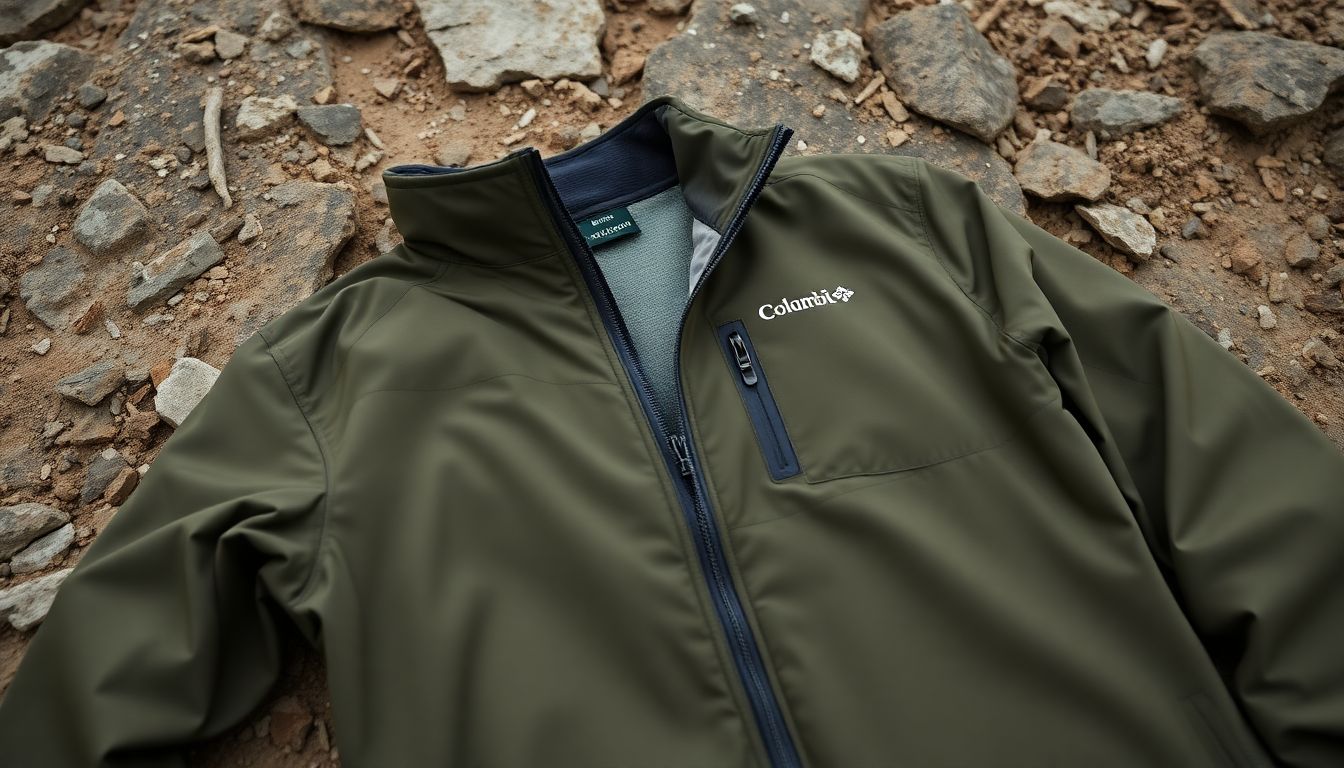
Columbia Sportswear items have minimal shrinkage risk because their primary materials are polyester, nylon, and polyester-elastane blends — all synthetic thermoplastics that resist water-based dimensional change. The main care concern for Columbia products is maintaining their Omni-Shield and Omni-Dry moisture management finishes, not preventing shrinkage.
Columbia’s Core Fabrics and Their Shrinkage Profiles
Columbia builds most of its performance apparel from synthetic fabrics engineered for durability, moisture management, and shape retention. Understanding what each fabric is made of tells you everything you need to know about its shrinkage behavior — and most Columbia items are remarkably stable in the laundry.
Columbia Fleece (100% Polyester)
Columbia’s fleece line uses 100% polyester — the same PET (polyethylene terephthalate) fiber found in most synthetic performance fabrics. Polyester is a thermoplastic that is heat-set during manufacturing at temperatures well above any laundry setting, typically 180–220°C during the fiber drawing phase. This thermal setting locks the polymer chains in an elongated, aligned configuration that water cannot reverse.
Shrinkage risk: VERY LOW. The glass transition temperature (Tg) of PET is approximately 67–70°C (153–158°F) — well above standard wash water temperatures. Within normal washing conditions (cold to warm water, up to 40°C), polyester fleece will not shrink. The primary risk is not dimensional change but fiber surface abrasion from high-agitation cycles, which causes pilling.
Care: Machine wash cold on a gentle cycle. Low-heat tumble dry or air dry. Wash inside out to reduce surface friction. As covered in our fleece shrinkage guide, high dryer heat above 60°C risks matting the fleece pile rather than shrinking the fabric.
Columbia Shell Jackets (Nylon or Polyester Shell)
Columbia’s outerwear shells are constructed from either nylon or polyester face fabric with a waterproof-breathable membrane laminate (such as Omni-Tech or similar constructions). Both base fibers behave similarly in laundry.
Nylon — also a thermoplastic polyamide — is similarly heat-set during manufacturing. Its Tg is approximately 50–60°C, slightly lower than polyester, but still within a range that normal washing does not approach. Like polyester, nylon’s dimensional stability is engineered at the fiber production stage.
Shrinkage risk: VERY LOW for both shell types. The waterproof membrane is bonded to the face fabric and does not contract independently under normal wash conditions.
Care: Zip all zippers and close all Velcro tabs before washing. Turn the garment inside out. Machine wash cold on gentle. Tumble dry low. Never dry clean — the solvents used in dry cleaning can degrade the membrane laminate and strip DWR coatings.
Columbia Omni-Heat (Thermal-Reflective Lining)
Omni-Heat is Columbia’s thermal-reflective insulation technology. A metallic dot pattern is printed or bonded onto the inner lining of the garment — typically over a polyester insulation layer. The outer face fabric is nylon or polyester, maintaining the same low-shrinkage profile as other Columbia shells.
Shrinkage risk: MINIMAL. The metallic dots are applied to the fabric surface and do not introduce any additional shrinkage mechanism. The underlying face fabric remains a stable nylon or polyester thermoplastic.
Care: Avoid fabric softener — it can coat the metallic dot pattern and reduce its thermal-reflective effectiveness by blocking the tiny air gaps between dots. Machine wash cold, gentle cycle. Tumble dry low to maintain the loft and insulation value of the inner fill.
Columbia Softshell (Polyester-Elastane Blend)
Columbia’s softshell garments use a polyester–elastane (spandex) blend — typically 85–90% polyester with 10–15% elastane. The polyester base provides structural stability and abrasion resistance; the elastane provides four-way stretch for mobility.
Shrinkage risk: LOW. The polyester component does not shrink. The elastane component is not susceptible to shrinkage in the conventional sense — but it is vulnerable to degradation from repeated heat exposure, which causes permanent loss of stretch recovery. This is not shrinkage but elastic fatigue.
Care: Machine wash cold. Lay flat or hang to dry — avoid the dryer entirely for elastane longevity. If tumbling is necessary, use the lowest heat setting and remove the garment while still slightly damp. Our elastane shrinkage guide covers this in more detail.
Columbia Cotton Casual Items
Some Columbia casual lines — particularly in their everyday wear category — use cotton or cotton-blend fabrics rather than the technical synthetics that dominate their performance line.
Shrinkage risk: MEDIUM. Cotton is a natural cellulosic fiber with no thermoplastic memory. During manufacturing, cotton yarns are held under tension during spinning and weaving, leaving residual stress in the fiber. When water penetrates the cotton, hydrogen bonds between cellulose chains are disrupted, allowing the fiber to swell and relax. As the fabric dries, the fiber contracts to a shorter dimension. Industry data consistently shows cotton fabrics averaging 3–6% shrinkage in the first warm wash, with potential for 1–2% additional shrinkage in subsequent washes if dried at high heat.
Care for cotton Columbia items: Machine wash cold for the first several washes to minimize initial shrinkage. If the garment is pre-washed or marked as “garment washed,” it has already undergone shrinkage treatment and further shrinkage will be minimal.
Caring for Omni-Shield (DWR) Coating
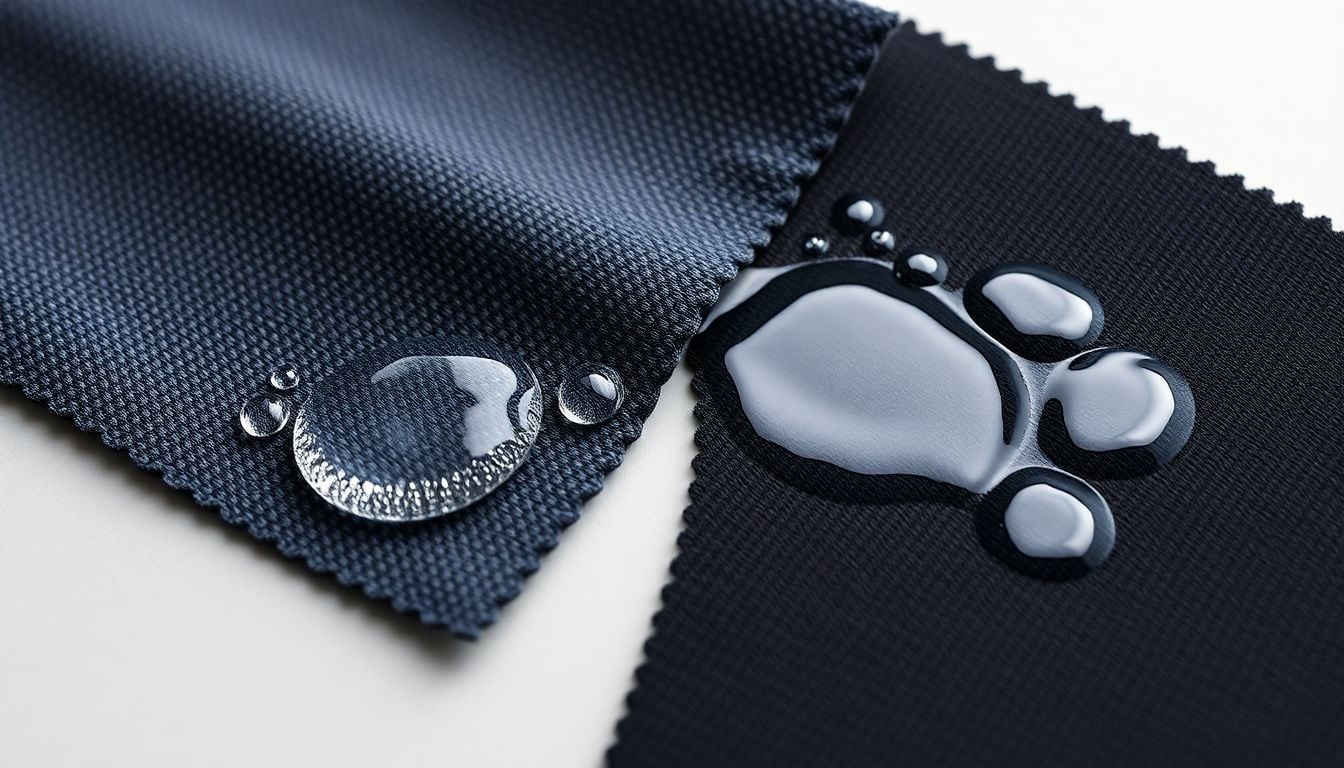
Omni-Shield is Columbia’s brand name for a durable water repellent (DWR) finish — a fluoropolymer-based (or in newer formulations, possibly silicone-based) coating applied to the face fabric of their outerwear. DWR works by changing the surface tension of the fabric so that water beads up and rolls off rather than soaking through. It does not make a fabric waterproof — it makes it water-resistant and delays saturation.
Washing does not strip DWR — in fact, regular washing in clean detergent helps maintain DWR performance by removing body oils, sweat, dirt, and detergent residues that can block the coating’s surface. What degrades DWR is:
- Body oils, sweat, and skin lotions absorbed from the wearer
- Detergent residues from incomplete rinsing
- Fabric softener — which actively coats fiber surfaces and is one of the most damaging substances for DWR performance
- Repeated abrasion and wear over time
- Dry cleaning solvents, which can dissolve DWR coatings
To maintain Omni-Shield performance: Wash the garment regularly in a dedicated technical-wear detergent (such as Nikwax Tech Wash, Granger’s Performance Wash, or similar) or a small amount of mild liquid detergent. Avoid powder detergents, which can leave alkaline residues. Ensure the rinse cycle is complete and no detergent is left in the fabric.
Tumble dry on low heat for 20 minutes after washing to reactivate the DWR coating. The heat causes the DWR polymer to re-flow and re-bond to the fabric surface, restoring water beading. This heat reactivation works at temperatures of approximately 50–60°C — which is why low heat tumble drying, not high heat, is the correct approach.
When water no longer beads on the fabric surface after washing and heat reactivation, it is time to reproof. Apply Nikwax TX.Direct or ReviveX Spray-On DWR to the face fabric while the garment is clean and damp. These spray-on treatments bond to the fabric surface and restore water repellency without affecting breathability.
Common Columbia Care Mistakes
Five care errors cause the most damage to Columbia technical apparel:
1. Using Fabric Softener
Fabric softener coats synthetic fiber surfaces with a waxy fatty acid layer. On performance fabrics, this coating fills the microscopic gaps between fibers, reducing breathability and destroying the water-repellent surface chemistry of DWR coatings. One wash with fabric softener can significantly degrade Omni-Shield performance. Never use fabric softener in the same load as Columbia technical apparel — in fact, avoid it entirely on any synthetic performance fabric.
2. High-Heat Dryer Settings
The tumble dry low setting exists for two reasons specific to Columbia apparel: first, high heat (above 60°C) can damage elastane fibers in softshell fabrics, causing permanent loss of stretch recovery; second, DWR coatings only re-flow and reactivate at low heat (50–60°C) — anything higher risks degrading the coating rather than reactivating it. High heat also accelerates wear on membrane laminates. Always use tumble dry low, or better yet, air dry.
3. Not Zipping Zippers Before Washing
Open zipper teeth act like a saw blade against the surrounding fabric in a rotating drum. Over multiple wash cycles, this abrasion can create pulled threads, torn face fabric, and damaged DWR coatings at the zipper line. Always fully zip jackets and vests before laundering — including internal pocket zippers where applicable.
4. Dry Cleaning
Dry cleaning solvents — particularly perchloroethylene (PERC) — can dissolve DWR polymer coatings, strip the face fabric of its water repellency, and degrade the adhesive bonding of membrane laminates. Columbia’s Omni-Shield and Omni-Tech constructions are not dry clean safe. Dry cleaning a Columbia shell jacket will likely permanently damage its water-resistant properties.
5. Using Standard Laundry Detergents
Standard laundry detergents — particularly heavy-duty powders and those containing alkaline builders, bleaches, or optical brighteners — can leave residues in technical fabrics that block DWR performance and degrade membrane breathability. Powder detergents are particularly problematic because they do not fully dissolve in cold water and can leave alkaline deposits in the fabric. Use a technical-wear-specific liquid detergent for best results.
These mistakes are preventable with basic attention to the care label and a few habit changes. The care label on every Columbia garment provides fiber content and recommended care — but it is written conservatively. Following the specific guidelines above will extend the life and performance of Columbia technical apparel far beyond what care labels alone specify.
Frequently Asked Questions
Can Columbia jackets be machine washed?
Yes — most Columbia jackets are machine washable. Use cold water, a gentle cycle, no fabric softener, and tumble dry on low heat to reactivate the DWR coating.
Do Columbia fleece jackets shrink?
No — Columbia fleece is 100% polyester and has essentially no shrinkage risk. The main concern is pilling from high-agitation washing, not shrinkage.
How do I restore water repellency on my Columbia jacket?
First, wash the jacket to remove any oil or detergent residue (dirty fabric repels water less). Then tumble dry on low heat for 20–30 minutes — this reactivates the DWR coating. If water still does not bead, apply a spray-on DWR reproofing product.
References
- American Association of Textile Chemists and Colorists (AATCC). Test Method 135: Dimensional Changes of Fabrics After Home Laundering. AATCC Technical Manual. https://www.aatcc.org
- International Organization for Standardization. ISO 6330: Textiles — Domestic Washing and Drying Procedures for Textile Testing. https://www.iso.org/standard/6330.html
- Nikwax. How to Care for Waterproof Apparel: DWR Reactivation and Reproofing. https://www.nikwax.com/en-us/blogs/how-to/waterproofing-laundering


