Does New Balance Shrink? Athletic Wear Care Explained
- Fabric: Polyester-spandex, typically 80/20 ratio
- Shrinkage risk: Low — spandex does not shrink, but heat degrades elastane recovery properties
- Care: Machine wash cold; air dry always to preserve elastane and maintain compression fit
New Balance NB DRY Technology
NB DRY is New Balance’s proprietary moisture management technology, functionally comparable to Adidas dryCELL or Nike Dri-FIT. The system relies on a hydrophobic polyester base — the same fiber family used across performance running apparel — treated with a hydrophilic finish that pulls perspiration away from the skin and distributes it across the fabric surface for rapid evaporation.
Because the NB DRY system is built on a polyester foundation, it inherits polyester’s dimensional stability: NB DRY fabrics do not shrink under normal home laundering conditions. Polyester is hydrophobic by nature, meaning it repels water rather than absorbing it, which contributes to the technology’s quick-dry performance. The fiber structure is set during manufacturing at temperatures well above any home laundry or drying environment.
A critical care consideration for NB DRY garments is fabric softener. Liquid fabric softeners and dryer sheets contain cationic surfactants that coat individual fibers with a waxy hydrophobic layer. On standard cotton or cotton-blend fabrics, this produces a softer hand feel. On moisture-wicking performance fabrics, however, the softener coating clogs the microscopic channels between fibers and the fabric’s hydrophilic finish, physically blocking the moisture transport pathway and reducing the garment’s ability to move sweat away from the skin.
- Fabric base: Polyester — inherently dimensionally stable, no shrinkage risk
- Technology: Hydrophilic finish on hydrophobic polyester base draws moisture outward
- Fabric softener warning: Blocks moisture channels; do NOT use fabric softener on NB DRY items
- Care: Machine wash cold; no fabric softener; air dry or tumble dry low heat
How to Wash New Balance Activewear
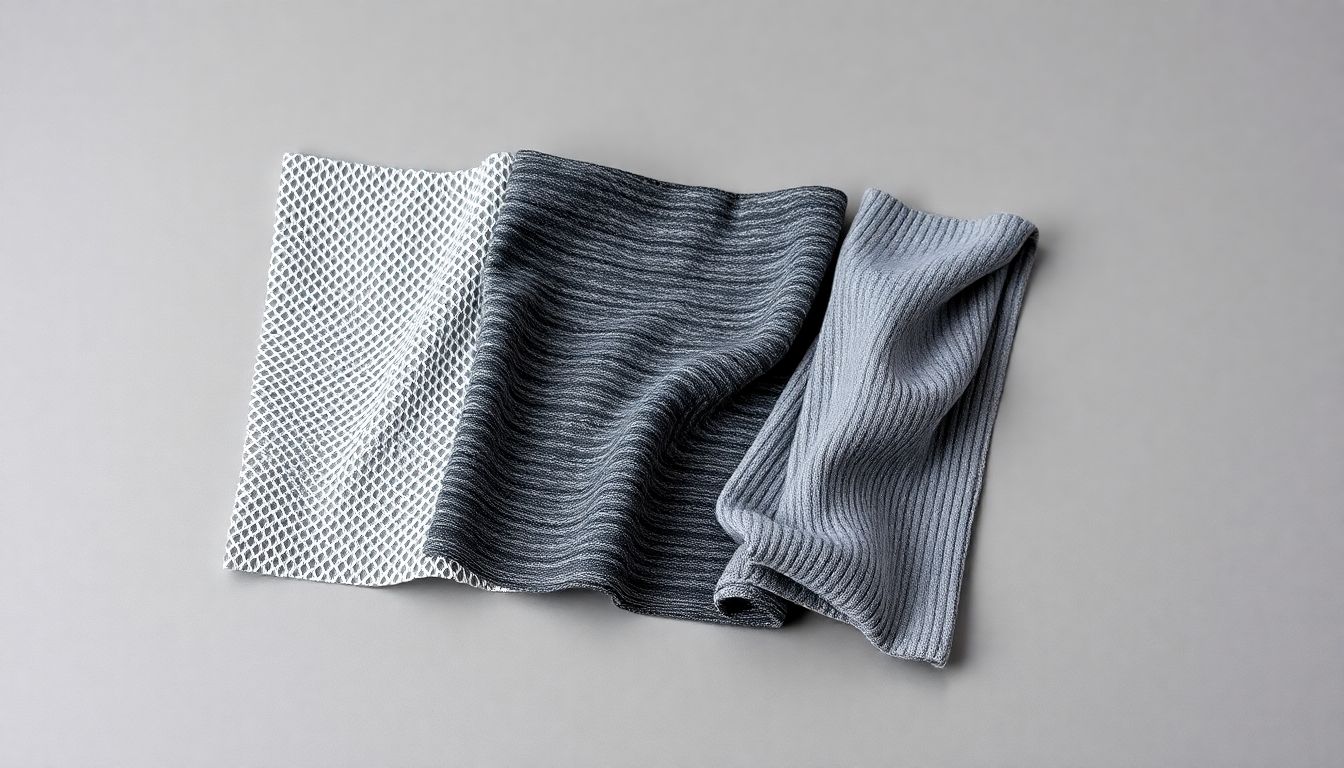
Correct washing methodology varies by product line because each uses different fiber compositions. Applying performance-fabric care to cotton items or cotton-fabric care to spandex garments will either damage the garment or fail to prevent shrinkage. Follow these line-specific guidelines.
Performance Apparel (N-Vent, Impact Run, Fresh Foam, NB DRY)
Turn performance garments inside out before washing to protect the exterior surface from abrasion in the drum. Use cold water (30–40°C / 85–105°F) and a gentle or delicate cycle. Avoid fabric softener entirely — it impairs moisture-wicking performance on all synthetic performance fabrics. If the washing machine has a sportswear or activewear setting, use it. For drying, air drying is preferred to preserve the fabric’s mechanical properties and extend garment lifespan; if tumble drying is necessary, use the lowest heat setting.
NB Athletics Cotton and Cotton-Blend Lifestyle Items
For NB Athletics sweatshirts, joggers, and cotton-blend tops, wash in cold water for the first three to five washes — this controls initial relaxation shrinkage in 100% cotton items and stabilizes the dimensions of blends. After the initial break-in washes, warm water (40–50°C / 105–120°F) is acceptable. Tumble dry on low heat. Remove garments promptly from the dryer to minimize wrinkling.
Sports Bras and Compression Garments
Fasten hooks and close any velcro closures before washing to prevent snagging. Hand washing is ideal but machine washing on a cold, delicate cycle is acceptable in a mesh laundry bag. Never place compression garments in the dryer — the heat progressively degrades the elastane fibers, causing the garment to lose its compression rating over time. Lay flat or hang to air dry. If you must use a dryer in an emergency, use the air-only, no-heat tumble setting.
| Product Line | Primary Fabric | Shrinkage Risk | Wash Temp | Dry Method | Special Notes |
|---|---|---|---|---|---|
| Performance Running (N-Vent, Impact Run, Fresh Foam) | Polyester or polyester-nylon blend | Very Low | Cold (30–40°C) | Air dry or low heat | No fabric softener |
| NB DRY | Polyester with moisture-wicking finish | None | Cold (30–40°C) | Air dry or low heat | NO fabric softener — blocks moisture channels |
| NB Athletics Lifestyle (Cotton items) | 100% cotton | 3–5% | Cold first washes, then warm (40–50°C) | Tumble dry low | Cold wash first 3–5 washes minimizes shrinkage |
| NB Athletics Lifestyle (Blend items) | Cotton-polyester blend | 2–3% | Cold | Tumble dry low | More dimensionally stable than 100% cotton |
| Sports Bras and Compression | Polyester-spandex (80/20) | Low | Cold delicate | Air dry only | Heat damages elastane — always air dry |
Frequently Asked Questions
Q: Do New Balance running shirts shrink?
A: New Balance performance running shirts are polyester and do not shrink under normal washing conditions. Cold washing and air drying maintains their moisture-wicking performance.
Q: Can New Balance sweatshirts go in the dryer?
A: NB Athletics lifestyle sweatshirts (cotton or cotton-poly) can go in the dryer on low heat. 100% cotton sweatshirts may shrink 3–5% in the first wash — cold washing minimizes this.
Q: Does NB DRY fabric shrink?
A: NB DRY polyester fabric does not shrink. Avoid using fabric softener as it reduces the moisture-wicking effectiveness of the NB DRY technology.
Related Articles
Understanding how New Balance garments behave in the laundry is part of a broader fabric care strategy. If you own garments made from other common athletic fabrics, these guides will help you apply the right care approach:
- Does Polyester Shrink? — Deep dive into polyester shrinkage thresholds, temperature limits, and how blending with natural fibers changes the behavior
- Does Spandex (Elastane) Shrink? — Why heat is the primary threat to spandex performance, not shrinkage — and how to protect your compression gear
- Fabric Shrinkage Complete Guide — Hub page covering shrinkage mechanisms across all major fabric types, from cotton to synthetics
For definitions of key technical terms used in this article, visit the Textile Glossary: moisture-wicking, polyester, elastane.
References
- AATCC. (n.d.). Test Methods and Procedures. American Association of Textile Chemists and Colorists. https://www.aatcc.org/standards/
- Wikipedia. (n.d.). Polyester. https://en.wikipedia.org/wiki/Polyester
- Wikipedia. (n.d.). Spandex. https://en.wikipedia.org/wiki/Spandex
- Wikipedia. (n.d.). Nylon. https://en.wikipedia.org/wiki/Nylon
- Fabric: Cotton or cotton-polyester blend
- Shrinkage risk: 3–5% for 100% cotton items; 2–3% for cotton-polyester blends
- Care: Machine wash cold for first several washes to stabilize the fabric; warm water acceptable after initial washes; tumble dry low
New Balance Sports Bras and Compression Garments
Sports bras and compression garments from New Balance are typically constructed from an 80/20 polyester-spandex blend. Spandex (also known as elastane) is a polyurethane-based synthetic fiber renowned for its exceptional elasticity — it can stretch up to five times its original length and return to its baseline dimensions after release. However, spandex is heat-sensitive. The polymer degrades and loseselastic recovery when exposed to temperatures above approximately 190°C (375°F), and repeated exposure to high heat in laundering accelerates gradual elastane degradation.
For this reason, New Balance and most athletic apparel manufacturers recommend air drying compression garments and sports bras. The spandex component is not at risk of thermal shrinkage in a home laundry context — it does not shrink the way cotton does — but high heat damages the elastane over time, causing the garment to lose its compression rating and fit.
- Fabric: Polyester-spandex, typically 80/20 ratio
- Shrinkage risk: Low — spandex does not shrink, but heat degrades elastane recovery properties
- Care: Machine wash cold; air dry always to preserve elastane and maintain compression fit
New Balance NB DRY Technology
NB DRY is New Balance’s proprietary moisture management technology, functionally comparable to Adidas dryCELL or Nike Dri-FIT. The system relies on a hydrophobic polyester base — the same fiber family used across performance running apparel — treated with a hydrophilic finish that pulls perspiration away from the skin and distributes it across the fabric surface for rapid evaporation.
Because the NB DRY system is built on a polyester foundation, it inherits polyester’s dimensional stability: NB DRY fabrics do not shrink under normal home laundering conditions. Polyester is hydrophobic by nature, meaning it repels water rather than absorbing it, which contributes to the technology’s quick-dry performance. The fiber structure is set during manufacturing at temperatures well above any home laundry or drying environment.
A critical care consideration for NB DRY garments is fabric softener. Liquid fabric softeners and dryer sheets contain cationic surfactants that coat individual fibers with a waxy hydrophobic layer. On standard cotton or cotton-blend fabrics, this produces a softer hand feel. On moisture-wicking performance fabrics, however, the softener coating clogs the microscopic channels between fibers and the fabric’s hydrophilic finish, physically blocking the moisture transport pathway and reducing the garment’s ability to move sweat away from the skin.
- Fabric base: Polyester — inherently dimensionally stable, no shrinkage risk
- Technology: Hydrophilic finish on hydrophobic polyester base draws moisture outward
- Fabric softener warning: Blocks moisture channels; do NOT use fabric softener on NB DRY items
- Care: Machine wash cold; no fabric softener; air dry or tumble dry low heat

How to Wash New Balance Activewear
Correct washing methodology varies by product line because each uses different fiber compositions. Applying performance-fabric care to cotton items or cotton-fabric care to spandex garments will either damage the garment or fail to prevent shrinkage. Follow these line-specific guidelines.
Performance Apparel (N-Vent, Impact Run, Fresh Foam, NB DRY)
Turn performance garments inside out before washing to protect the exterior surface from abrasion in the drum. Use cold water (30–40°C / 85–105°F) and a gentle or delicate cycle. Avoid fabric softener entirely — it impairs moisture-wicking performance on all synthetic performance fabrics. If the washing machine has a sportswear or activewear setting, use it. For drying, air drying is preferred to preserve the fabric’s mechanical properties and extend garment lifespan; if tumble drying is necessary, use the lowest heat setting.
NB Athletics Cotton and Cotton-Blend Lifestyle Items
For NB Athletics sweatshirts, joggers, and cotton-blend tops, wash in cold water for the first three to five washes — this controls initial relaxation shrinkage in 100% cotton items and stabilizes the dimensions of blends. After the initial break-in washes, warm water (40–50°C / 105–120°F) is acceptable. Tumble dry on low heat. Remove garments promptly from the dryer to minimize wrinkling.
Sports Bras and Compression Garments
Fasten hooks and close any velcro closures before washing to prevent snagging. Hand washing is ideal but machine washing on a cold, delicate cycle is acceptable in a mesh laundry bag. Never place compression garments in the dryer — the heat progressively degrades the elastane fibers, causing the garment to lose its compression rating over time. Lay flat or hang to air dry. If you must use a dryer in an emergency, use the air-only, no-heat tumble setting.
| Product Line | Primary Fabric | Shrinkage Risk | Wash Temp | Dry Method | Special Notes |
|---|---|---|---|---|---|
| Performance Running (N-Vent, Impact Run, Fresh Foam) | Polyester or polyester-nylon blend | Very Low | Cold (30–40°C) | Air dry or low heat | No fabric softener |
| NB DRY | Polyester with moisture-wicking finish | None | Cold (30–40°C) | Air dry or low heat | NO fabric softener — blocks moisture channels |
| NB Athletics Lifestyle (Cotton items) | 100% cotton | 3–5% | Cold first washes, then warm (40–50°C) | Tumble dry low | Cold wash first 3–5 washes minimizes shrinkage |
| NB Athletics Lifestyle (Blend items) | Cotton-polyester blend | 2–3% | Cold | Tumble dry low | More dimensionally stable than 100% cotton |
| Sports Bras and Compression | Polyester-spandex (80/20) | Low | Cold delicate | Air dry only | Heat damages elastane — always air dry |
Frequently Asked Questions
Q: Do New Balance running shirts shrink?
A: New Balance performance running shirts are polyester and do not shrink under normal washing conditions. Cold washing and air drying maintains their moisture-wicking performance.
Q: Can New Balance sweatshirts go in the dryer?
A: NB Athletics lifestyle sweatshirts (cotton or cotton-poly) can go in the dryer on low heat. 100% cotton sweatshirts may shrink 3–5% in the first wash — cold washing minimizes this.
Q: Does NB DRY fabric shrink?
A: NB DRY polyester fabric does not shrink. Avoid using fabric softener as it reduces the moisture-wicking effectiveness of the NB DRY technology.
Related Articles
Understanding how New Balance garments behave in the laundry is part of a broader fabric care strategy. If you own garments made from other common athletic fabrics, these guides will help you apply the right care approach:
- Does Polyester Shrink? — Deep dive into polyester shrinkage thresholds, temperature limits, and how blending with natural fibers changes the behavior
- Does Spandex (Elastane) Shrink? — Why heat is the primary threat to spandex performance, not shrinkage — and how to protect your compression gear
- Fabric Shrinkage Complete Guide — Hub page covering shrinkage mechanisms across all major fabric types, from cotton to synthetics
For definitions of key technical terms used in this article, visit the Textile Glossary: moisture-wicking, polyester, elastane.
References
- AATCC. (n.d.). Test Methods and Procedures. American Association of Textile Chemists and Colorists. https://www.aatcc.org/standards/
- Wikipedia. (n.d.). Polyester. https://en.wikipedia.org/wiki/Polyester
- Wikipedia. (n.d.). Spandex. https://en.wikipedia.org/wiki/Spandex
- Wikipedia. (n.d.). Nylon. https://en.wikipedia.org/wiki/Nylon
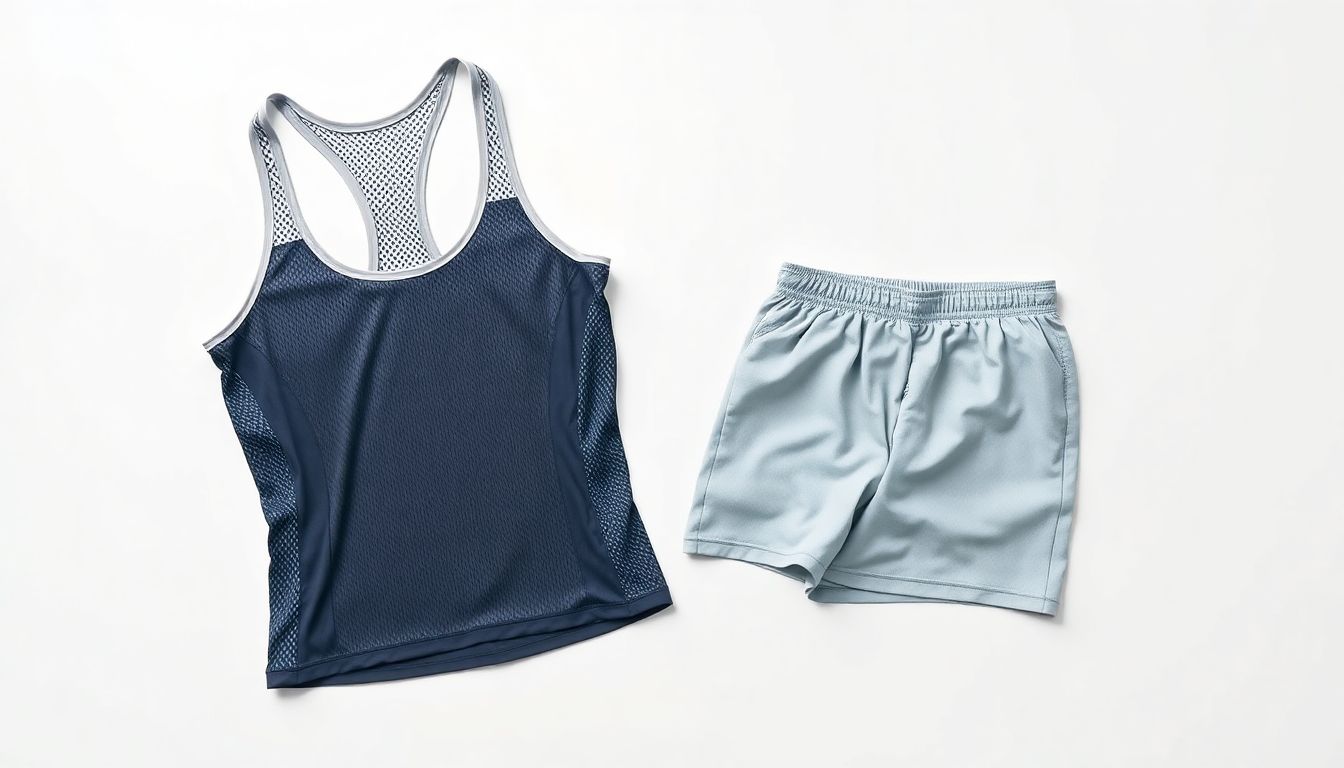
New Balance performance clothing — running tops, tights, athletic shorts — is primarily polyester or polyester-spandex blend and has minimal shrinkage risk. Their NB Athletics lifestyle line contains more cotton and cotton-blend items that shrink 3–5% in warm water. The care approach depends on which product category you own.
New Balance Product Lines and Their Fabrics
New Balance categorizes its apparel into distinct product lines, each engineered for different use cases and constructed from different fiber blends. Understanding which line your garment belongs to is the first step in applying the correct care method.
Performance Running (N-Vent, Impact Run, Fresh Foam Apparel)
New Balance performance running apparel — including the N-Vent, Impact Run, and Fresh Foam apparel lines — is engineered from 100% polyester or polyester-nylon blends, frequently with a small percentage of elastane for stretch recovery. Polyester is a thermoplastic synthetic fiber, meaning its structure is heat-set during manufacturing and remains dimensionally stable at home laundry temperatures up to 60°C (140°F). Under normal washing conditions, polyester does not shrink.
Nylon, used in some performance blends, is equally dimensionally stable in laundry conditions. Nylon is hygroscopic — it absorbs and releases moisture without significant dimensional change — and its tenacity and abrasion resistance make it well-suited to high-output athletic use. Both polyester and nylon are hydrophobic fibers that dry quickly and resist water-based shrinkage.
- Fabric: 100% polyester or polyester-nylon blend; may include elastane
- Shrinkage risk: Very low — synthetic thermoplastics are heat-set during manufacturing and remain dimensionally stable
- Care: Machine wash cold (30–40°C / 85–105°F); gentle or sport cycle; air dry or tumble dry low heat
NB Athletics Lifestyle Line
The NB Athletics lifestyle collection takes a different approach to construction, prioritizing comfort and everyday wearability over technical performance. Cotton and cotton-polyester blends predominate in this line. Unlike synthetic fibers, cotton is a cellulosic fiber that absorbs water and swells during laundering. When exposed to heat during drying, the fiber contracts — a phenomenon known as relaxation shrinkage.
Industry testing, drawing on AATCC standard test methods, consistently shows that 100% cotton fabrics shrink 3–5% on the first wash when laundered in warm water (40–60°C / 105–140°F). Cotton-polyester blends exhibit reduced shrinkage — typically 2–3% — because the synthetic component constrains the cellulosic fiber’s movement during laundering and drying.
- Fabric: Cotton or cotton-polyester blend
- Shrinkage risk: 3–5% for 100% cotton items; 2–3% for cotton-polyester blends
- Care: Machine wash cold for first several washes to stabilize the fabric; warm water acceptable after initial washes; tumble dry low
New Balance Sports Bras and Compression Garments
Sports bras and compression garments from New Balance are typically constructed from an 80/20 polyester-spandex blend. Spandex (also known as elastane) is a polyurethane-based synthetic fiber renowned for its exceptional elasticity — it can stretch up to five times its original length and return to its baseline dimensions after release. However, spandex is heat-sensitive. The polymer degrades and loseselastic recovery when exposed to temperatures above approximately 190°C (375°F), and repeated exposure to high heat in laundering accelerates gradual elastane degradation.
For this reason, New Balance and most athletic apparel manufacturers recommend air drying compression garments and sports bras. The spandex component is not at risk of thermal shrinkage in a home laundry context — it does not shrink the way cotton does — but high heat damages the elastane over time, causing the garment to lose its compression rating and fit.
- Fabric: Polyester-spandex, typically 80/20 ratio
- Shrinkage risk: Low — spandex does not shrink, but heat degrades elastane recovery properties
- Care: Machine wash cold; air dry always to preserve elastane and maintain compression fit
New Balance NB DRY Technology
NB DRY is New Balance’s proprietary moisture management technology, functionally comparable to Adidas dryCELL or Nike Dri-FIT. The system relies on a hydrophobic polyester base — the same fiber family used across performance running apparel — treated with a hydrophilic finish that pulls perspiration away from the skin and distributes it across the fabric surface for rapid evaporation.
Because the NB DRY system is built on a polyester foundation, it inherits polyester’s dimensional stability: NB DRY fabrics do not shrink under normal home laundering conditions. Polyester is hydrophobic by nature, meaning it repels water rather than absorbing it, which contributes to the technology’s quick-dry performance. The fiber structure is set during manufacturing at temperatures well above any home laundry or drying environment.
A critical care consideration for NB DRY garments is fabric softener. Liquid fabric softeners and dryer sheets contain cationic surfactants that coat individual fibers with a waxy hydrophobic layer. On standard cotton or cotton-blend fabrics, this produces a softer hand feel. On moisture-wicking performance fabrics, however, the softener coating clogs the microscopic channels between fibers and the fabric’s hydrophilic finish, physically blocking the moisture transport pathway and reducing the garment’s ability to move sweat away from the skin.
- Fabric base: Polyester — inherently dimensionally stable, no shrinkage risk
- Technology: Hydrophilic finish on hydrophobic polyester base draws moisture outward
- Fabric softener warning: Blocks moisture channels; do NOT use fabric softener on NB DRY items
- Care: Machine wash cold; no fabric softener; air dry or tumble dry low heat

How to Wash New Balance Activewear
Correct washing methodology varies by product line because each uses different fiber compositions. Applying performance-fabric care to cotton items or cotton-fabric care to spandex garments will either damage the garment or fail to prevent shrinkage. Follow these line-specific guidelines.
Performance Apparel (N-Vent, Impact Run, Fresh Foam, NB DRY)
Turn performance garments inside out before washing to protect the exterior surface from abrasion in the drum. Use cold water (30–40°C / 85–105°F) and a gentle or delicate cycle. Avoid fabric softener entirely — it impairs moisture-wicking performance on all synthetic performance fabrics. If the washing machine has a sportswear or activewear setting, use it. For drying, air drying is preferred to preserve the fabric’s mechanical properties and extend garment lifespan; if tumble drying is necessary, use the lowest heat setting.
NB Athletics Cotton and Cotton-Blend Lifestyle Items
For NB Athletics sweatshirts, joggers, and cotton-blend tops, wash in cold water for the first three to five washes — this controls initial relaxation shrinkage in 100% cotton items and stabilizes the dimensions of blends. After the initial break-in washes, warm water (40–50°C / 105–120°F) is acceptable. Tumble dry on low heat. Remove garments promptly from the dryer to minimize wrinkling.
Sports Bras and Compression Garments
Fasten hooks and close any velcro closures before washing to prevent snagging. Hand washing is ideal but machine washing on a cold, delicate cycle is acceptable in a mesh laundry bag. Never place compression garments in the dryer — the heat progressively degrades the elastane fibers, causing the garment to lose its compression rating over time. Lay flat or hang to air dry. If you must use a dryer in an emergency, use the air-only, no-heat tumble setting.
| Product Line | Primary Fabric | Shrinkage Risk | Wash Temp | Dry Method | Special Notes |
|---|---|---|---|---|---|
| Performance Running (N-Vent, Impact Run, Fresh Foam) | Polyester or polyester-nylon blend | Very Low | Cold (30–40°C) | Air dry or low heat | No fabric softener |
| NB DRY | Polyester with moisture-wicking finish | None | Cold (30–40°C) | Air dry or low heat | NO fabric softener — blocks moisture channels |
| NB Athletics Lifestyle (Cotton items) | 100% cotton | 3–5% | Cold first washes, then warm (40–50°C) | Tumble dry low | Cold wash first 3–5 washes minimizes shrinkage |
| NB Athletics Lifestyle (Blend items) | Cotton-polyester blend | 2–3% | Cold | Tumble dry low | More dimensionally stable than 100% cotton |
| Sports Bras and Compression | Polyester-spandex (80/20) | Low | Cold delicate | Air dry only | Heat damages elastane — always air dry |
Frequently Asked Questions
Q: Do New Balance running shirts shrink?
A: New Balance performance running shirts are polyester and do not shrink under normal washing conditions. Cold washing and air drying maintains their moisture-wicking performance.
Q: Can New Balance sweatshirts go in the dryer?
A: NB Athletics lifestyle sweatshirts (cotton or cotton-poly) can go in the dryer on low heat. 100% cotton sweatshirts may shrink 3–5% in the first wash — cold washing minimizes this.
Q: Does NB DRY fabric shrink?
A: NB DRY polyester fabric does not shrink. Avoid using fabric softener as it reduces the moisture-wicking effectiveness of the NB DRY technology.
Related Articles
Understanding how New Balance garments behave in the laundry is part of a broader fabric care strategy. If you own garments made from other common athletic fabrics, these guides will help you apply the right care approach:
- Does Polyester Shrink? — Deep dive into polyester shrinkage thresholds, temperature limits, and how blending with natural fibers changes the behavior
- Does Spandex (Elastane) Shrink? — Why heat is the primary threat to spandex performance, not shrinkage — and how to protect your compression gear
- Fabric Shrinkage Complete Guide — Hub page covering shrinkage mechanisms across all major fabric types, from cotton to synthetics
For definitions of key technical terms used in this article, visit the Textile Glossary: moisture-wicking, polyester, elastane.
References
- AATCC. (n.d.). Test Methods and Procedures. American Association of Textile Chemists and Colorists. https://www.aatcc.org/standards/
- Wikipedia. (n.d.). Polyester. https://en.wikipedia.org/wiki/Polyester
- Wikipedia. (n.d.). Spandex. https://en.wikipedia.org/wiki/Spandex
- Wikipedia. (n.d.). Nylon. https://en.wikipedia.org/wiki/Nylon