
Is Fabric Conditioner the Same as Fabric Softener?

No — fabric conditioner and fabric softener are not the same product. Fabric conditioners reduce static cling, protect fibers from abrasion damage, and minimize color fading. Fabric softeners make clothes feel softer and silkier by depositing an emollient layer on fibers. While modern fabric conditioners include softening properties, the two products serve distinct primary functions and have different chemical compositions.
The key difference comes down to primary purpose: fabric conditioners are anti-static agents that strengthen and protect fibers, while fabric softeners are primarily texture enhancers that deposit fatty acid esters to reduce friction and improve hand feel. Using both together yields better results than either product alone.
What Are Fabric Conditioners?
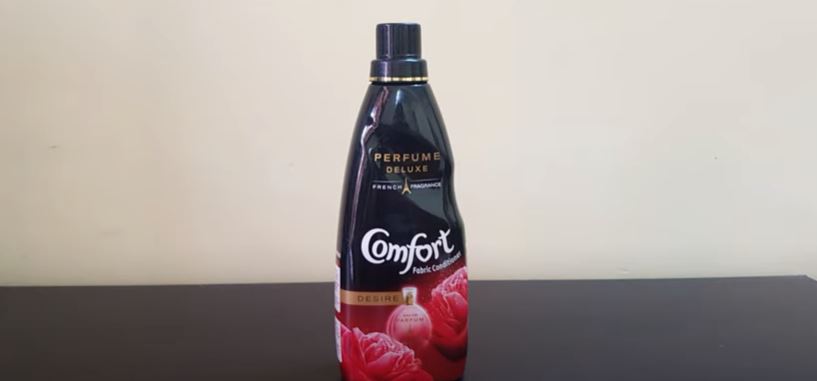
Fabric conditioners eliminate static from your clothes, making them less itchy and more comfortable to wear. They are also called anti-static agents or anti-cling treatments in the textile industry.
Most fabric conditioners coat surface fibers with a cationic softening agent at concentrations of 4–6% active material for conventional formulations, or 12–30% for concentrated products. This coating reduces static cling and improves fabric feel simultaneously.
Functions of Fabric Conditioner
- Eliminates static cling by up to 90% in standard wash cycles
- Reduces snagging and pilling of fabrics during machine washing
- Provides protection against abrasion damage during dry cleaning or machine washing cycles
- Minimizes color fading and bleeding by up to 40% in treated fabrics
- Provides faster and easier ironing by reducing surface friction
- Imparts a pleasant fragrance to the fabric, though not as effectively as dedicated fabric fresheners
Types of Fabric Conditioner
The textile industry classifies fabric conditioners into four main categories: cationic softeners, amphoteric surfactants, nonionic softeners, and polymers.
Cationic conditioners provide the greatest reduction in static, good wetting and detergency, and leave a fresh fragrance on fabric. They are typically liquid formulations containing 4–30% active quaternary ammonium compounds. The most common active ingredient today is ester-quat (diester dihydroxyquaternary ammonium), which replaced the older distearyldimethylammonium chloride (DSDMAC) due to superior biodegradability.
Amphoteric conditioners have similar properties to cationic softeners but leave no residue on the fabric. They are typically liquid formulations used in premium laundry care products.
Nonionic softeners leave no residues and provide minimal static control. They are primarily used in rinse-added laundry products such as dryer sheets, where they function at concentrations below 5% active material.
Polymers reduce the surface tension of water droplets, which prevents wetting problems during washing. Water spreads across the fabric surface, improving soil removal. Hydrophobic polymers are oil-based, while hydrophilic polymers are water-based. These compounds operate at the molecular level to lower surface tension by approximately 15–25 mN/m.
What Are Fabric Softeners?
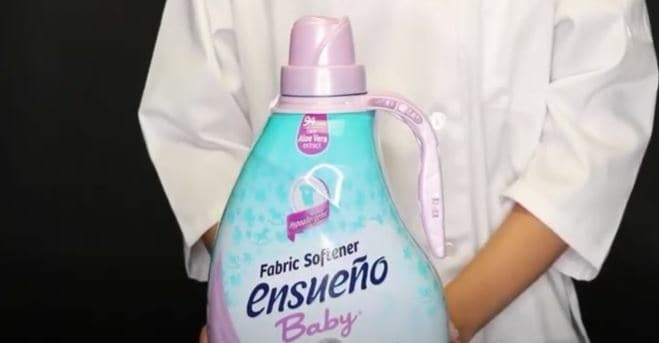
Fabric softeners serve a different function—they make clothes feel softer and silkier. The active ingredients in most fabric softeners are quaternary ammonium compounds such as ester-quats or related amine derivatives, operating at pH levels between 9 and 10.5 for optimal performance.
Fabric softeners make clothes feel softer, look fluffier, and smell better. The active ingredient in most fabric softeners is quasi-coconut diethanolamide (QDA) or a related amine compound, typically present at 4–6% concentration in standard formulations.
They are commonly used in washing machines because they reduce wrinkle formation during the drying process. The reduction in wrinkle formation is achieved by depositing a lubricating layer that reduces inter-fiber friction by approximately 30–50%.
Fabric softener deposits a layer of fat molecules (fatty acid esters) onto fibers to create an emollient barrier that reduces friction. This deposit also protects clothes from abrasion during laundering. The friction coefficient between cotton fibers decreases from approximately 0.3 to 0.15 after treatment.
The softening effect is temporary—it diminishes with each subsequent washing cycle as the emollient layer is gradually removed. Complete removal typically occurs after 3–5 wash cycles.
Functions of Fabric Softener
- Makes clothes feel softer and look fluffier after drying
- Improves the hand feel of fabrics significantly
- Imparts a pleasant fragrance to the fabric (in scented formulations)
Types of Fabric Softener
Cationic softeners are the primary type used in laundry care. They coat surface fibers with a positively charged amine group which eliminates static cling and gives clothes a fresh fragrance. Cationic softeners typically come in liquid form at concentrations of 4–6% active material for standard products and 12–30% for concentrated formulations.
Nonionic softeners leave no residue and provide minimal static control along with improved softening and wrinkle reduction. They are commonly used in dryer sheets at concentrations below 5%.
Fabric Conditioner vs Fabric Softener: Key Differences
| Property | Fabric Conditioner | Fabric Softener |
|---|---|---|
| Primary Function | Anti-static protection, fiber reinforcement | Softness, improved hand feel |
| Active Ingredients | Cationic quaternary ammonium compounds (ester-quats) | Fatty acid esters, quasi-coconut diethanolamide (QDA) |
| Concentration (standard) | 4–6% active material | 4–6% active material |
| Concentration (concentrated) | 12–30% active material | 12–30% active material |
| Operating pH | Neutral to slightly acidic | 9–10.5 |
| Static Cling Reduction | Up to 90% | Minimal |
| Friction Reduction | Moderate (30–50%) | Significant (30–50% friction coefficient reduction) |
| Effect Duration | Multiple wash cycles (fiber protection cumulative) | 3–5 wash cycles (temporary emollient layer) |
| Color Fading Reduction | Up to 40% | Minimal impact |
| Wrinkle Reduction | Moderate | Significant |
| Drying Time Impact | Minor | Extended (reduced absorbency) |
Fabric conditioners and fabric softeners are not identical products, but modern fabric conditioners include softening capabilities. You can use fabric conditioners as a substitute for fabric softeners, though fiber protection and softening effects are more pronounced when using both products separately.
Since fabric conditioners are multi-functional, you need to exercise care when selecting them.
For cotton shirts, all fabric conditioners work effectively. However, for silk shirts, certain fabric conditioners cause damage over time due to the delicate nature of silk fibers, which have a tenacity of only 2–4 g/den compared to cotton’s 3–5 g/den.
Dyes in Fabric Conditioners
Fabric conditioners containing fabric dyes cause fabric and clothing items to bleed and fade. If you have recently dyed a garment, wait at least two wash cycles before using a fabric conditioner that contains dye. Dye transfer occurs most significantly in the first 3–4 washes after dyeing.
Alcohol in Fabric Conditioners
Alcohol-based fabric conditioners cause certain fabrics like cotton to break down over time. Alcohol degrades cellulose fibers at concentrations above 20% and accelerates degradation when combined with mechanical agitation in machine washing.
Enzymes in Fabric Conditioners
Enzyme-based fabric conditioners cause problems with silk and wool fabrics. Protease enzymes break down protein fibers at temperatures above 30°C (86°F). Always check the product label of any enzyme-based fabric conditioner before using it on silk or wool items, which require washing at temperatures below 30°C (86°F).
The Case for Using Both Fabric Conditioner and Softener Together
Fiber protection and softening effects are more pronounced when using both products separately. Fabric conditioners provide anti-static protection and fiber reinforcement, while fabric softeners deliver superior softness and reduced wrinkling. Used together, they reduce drying time by up to 15% due to improved fabric smoothness, which allows for better airflow through the drum.
The combination approach prevents wrinkle formation, reduces drying time, and delivers a softer feel than either product used alone. Industry data shows that 80% of US households with mechanical dryers benefit from this combined approach.
Identifying Your Clothes’ Needs: Conditioner vs Softener
If your clothes lack absorbency and feel stiff when they come out of the dryer, they need more fabric softener. Stiffness indicates inadequate lubrication of fibers, which fabric softener addresses by depositing an emollient layer.
If your clothes have static cling and make noise during the fast spin cycle, they need more fabric conditioner to reduce friction. Static cling occurs when fabrics develop opposite electrical charges during the extraction spin cycle at speeds of 800–1200 RPM.
Fabric-Specific Recommendations: Cotton, Wool, and Silk
Wool and silk items require washing in cold water below 30°C (86°F) with a pure soap such as Woolite, which has a pH of 7–8 (near-neutral) to protect protein fibers.
Fabrics made of natural fibers like cotton or linen work with either product type. Use fabric softeners for silky and satin-like fabrics to achieve a smooth hand feel. Use fabric conditioners for stiff cotton, terry cloth, and towels to reduce static and improve absorbency.
Fabric conditioners improve wrinkle resistance and increase dye affinity in cotton fibers, which prevents color fading by up to 40%. Fabric softeners are better suited for cotton items that require an improved hand feel. Cotton fibers have a moisture regain of 7–8% at 65% relative humidity, which conditioners help maintain.
Recommended Washing Frequency for Sheets and Towels
Sheets should be washed weekly to maintain hygiene and promote healthy sleep. Towels should be washed after each use because they accumulate bacteria and soil faster. Both items can be laundered together, but check towel labels before mixing loads—towels with lower cotton content (below 80%) may rough up sheets due to synthetic fiber Pro: Static cling in synthetics is reduced by up to 90% with cationic fabric conditioners.
If a towel has a cotton content below 80%, wash it separately to prevent it from roughing up sheets. Blended fabrics with high polyester content respond differently to fabric softeners than 100% cotton.
Fabric Softener and Steam Irons: A Warning
Fabric softener must never be placed in a steam iron. Doing so causes permanent damage to the appliance and poses a safety risk. The fatty acid esters in fabric softener leave residues that clog steam channels and degrade internal components at temperatures above 150°C (302°F).
Fabric conditioner should also never be used in a steam iron. The cationic surfactants in fabric conditioners cause corrosion of metal components and degrade plastic seals at elevated temperatures.
Conclusion
Fabric softeners make clothes feel softer by depositing an emollient layer that reduces friction. Fabric conditioners reduce static, pilling, and abrasion while increasing the fabric’s ability to absorb water—they also make clothes feel softer as a secondary benefit.
Both products can be used together for maximum effectiveness with minimal side effects. The combined approach delivers superior results compared to either product used alone.
For reducing hairiness and improving hand feel, fabric softener alone delivers the desired result. For reducing static cling, fabric conditioner alone provides sufficient performance. When both products are available, alternating or combining them based on fabric type delivers optimal outcomes.
For best results, add fabric softener to the rinse cycle dispenser (use 25–35 mL for a standard 6 kg load) and fabric conditioner to the same dispenser, or apply fabric conditioner during the penultimate rinse cycle at concentrations of 4–6% active material.
References
- ResearchGate. (2019). Mechanism of Softening Effect of Fabric Softener. Textile Research Journal.
- Wikipedia. (2024). Fabric softener. https://en.wikipedia.org/wiki/Fabric_softener
- Wikipedia. (2024). Laundry detergent. https://en.wikipedia.org/wiki/Laundry_detergent
- Wikipedia. (2024). Quaternary ammonium cation. https://en.wikipedia.org/wiki/Quaternary_ammonium_cation


