
Wool vs. Cashmere: Is Cashmere Worth the Price?

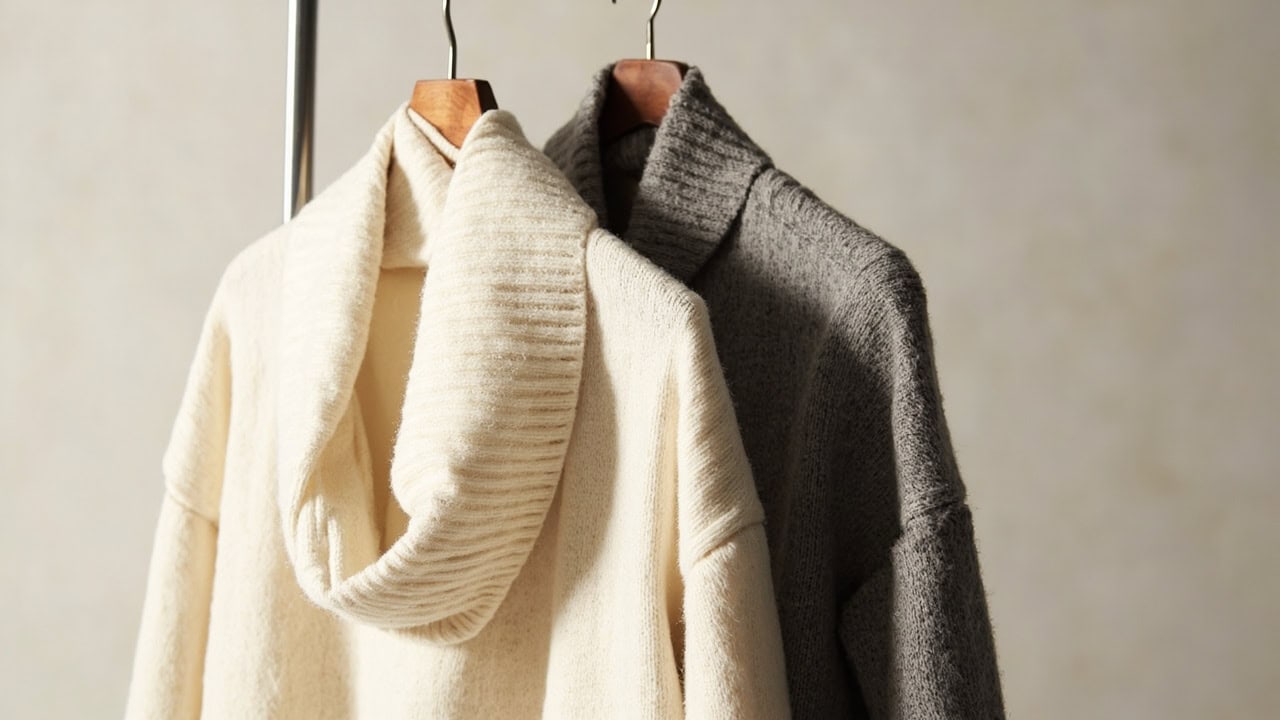
Cashmere costs 3–5× more than standard wool because each cashmere goat produces only 150–200 grams of usable fiber annually versus a sheep’s 3–5 kilograms, making the supply inherently limited. However, cashmere’s 15–19 micron fiber diameter delivers 3× the insulation-to-weight ratio of wool’s 20–24 microns, meaning a cashmere sweater provides the same warmth as a heavier wool sweater while weighing significantly less.
What Makes Cashmere Different from Wool?
Cashmere and wool come from entirely different animals and climates, and that difference starts at the source. Cashmere derives from the soft undercoat of Capra hircus goats raised in the harsh plateau regions of Mongolia, China, Iran, and Afghanistan — areas where temperatures plummet to −40°C in winter. Wool, by contrast, comes from sheep bred worldwide, from the rolling pastures of New Zealand and Australia to the high deserts of the American West.
The yield gap is staggering. A single cashmere goat produces only 150–200 grams (0.33–0.44 lbs) of usable undercoat fiber per year after dehairing — the process that separates the soft undercoat from the coarse guard hairs. A sheep, by contrast, yields 3–5 kilograms of raw fleece annually. That is a 15–25× difference in output per animal, and it explains why cashmere commands a premium at every stage of the supply chain.
The fiber structure itself is fundamentally different. Cashmere fibers measure 15–19 microns in diameter with a length of 34–41mm, and their cuticle scales are far fewer and smoother than those on wool fibers. Standard sheep wool ranges from 20–24 microns for fine merino up to 35–45 microns for coarser carpet-grade fibers. The U.S. Wool Products Labeling Act defines true cashmere as having an average fiber diameter not exceeding 19 microns with no more than 3% of fibers exceeding 30 microns. This smooth-scale structure is what gives cashmere its characteristic softness — fewer rough edges means less fiber-on-fiber friction and a gentler feel against skin.
Processing adds further cost. Because cashmere fibers are mixed with coarse guard hairs of similar length, dehairing requires specialized machinery and often manual finishing, making it far more labor-intensive than wool processing, which primarily involves shearing, cleaning, and carding. The scarcity of raw material combined with processing complexity creates the 3–5× price premium that defines the cashmere market.
Side-by-Side Comparison
| Property | Cashmere | Wool |
|---|---|---|
| Fiber diameter | 15–19 microns | 20–24 microns (merino) |
| Warmth-to-weight | 3× insulation ratio | 1× baseline |
| Softness | Exceptional | Good (merino), average (standard) |
| Durability | 2–3 years average | 3–5 years with care |
| Pilling tendency | High initially | Moderate |
| Breathability | Excellent | Very good |
| Moisture wicking | Good | Very good |
| Sustainability impact | Higher (land degradation in source regions) | Lower (more abundant) |
| Price per garment | $80–$300+ | $30–$120 |
When to Choose Wool
Wool remains the practical choice for a wide range of everyday applications, and there are clear scenarios where it outperforms cashmere. Budget-conscious shoppers find wool’s price-to-durability ratio compelling — a well-made merino sweater at $60–$80 can last 3–5 years with proper care, delivering excellent cost per wear for everyday garments.
For high-activity use, wool has functional advantages. Merino wool’s moisture-wicking properties are particularly effective, pulling perspiration away from skin while naturally resisting odor-causing bacteria. This makes wool the fiber of choice for base layers, hiking socks, and activewear where laundry frequency is a concern. Wool fibers can absorb up to 30% of their weight in moisture without feeling damp, making them thermally regulating across a wide temperature range.
Items subject to heavy, daily wear call for wool’s resilience. Workwear, everyday socks, and children’s clothing see abrasion and washing frequencies that would quickly degrade finer cashmere. Wool also has the edge in machine-washability: while pure cashmere almost always requires hand washing, many modern wool garments — particularly those made from superwash-treated merino — can safely go through a cold-water wool machine cycle, reducing care labor significantly.
For larger items where cashmere cost would be prohibitive — blankets, heavy coats, upholstery — wool provides warmth and durability at a fraction of the price. A wool blanket at $80–$150 offers comparable warmth to a cashmere blanket that might cost $400–$800.
When to Choose Cashmere
Cashmere earns its price in specific use cases where its properties are irreplaceable. Next-to-skin luxury garments — scarves, lightweight sweaters, loungewear — showcase cashmere’s exceptional softness where its fineness becomes an advantage rather than a durability liability. The absence of itch-causing coarse fibers makes cashmere comfortable for people with sensitive skin who find standard wool irritating.
In cold climates where layering weight matters, cashmere’s warmth-to-weight ratio becomes decisive. A 200-gram cashmere sweater provides equivalent insulation to a 500–600 gram wool sweater, reducing pack volume and weight for travelers, commuters, and anyone layering for extreme cold. This makes cashmere particularly valued for travel clothing where luggage space is limited.
For dress clothing and special occasions, cashmere’s elegant drape and fine hand are unmatched. A cashmere v-neck sweater under a blazer creates a refined silhouette that bulkier wool cannot achieve. Investment pieces intended for decade-long service — a high-quality cashmere overcoat, a classic crewneck sweater — justify their initial cost when properly maintained.
The fiber also excels in temperature-variable environments. Its excellent breathability prevents the overheating common with heavier wool garments, making cashmere suitable for transitional seasons where morning chill gives way to midday warmth. This versatility extends garment utility across a longer wearing season.
Price and Value Analysis
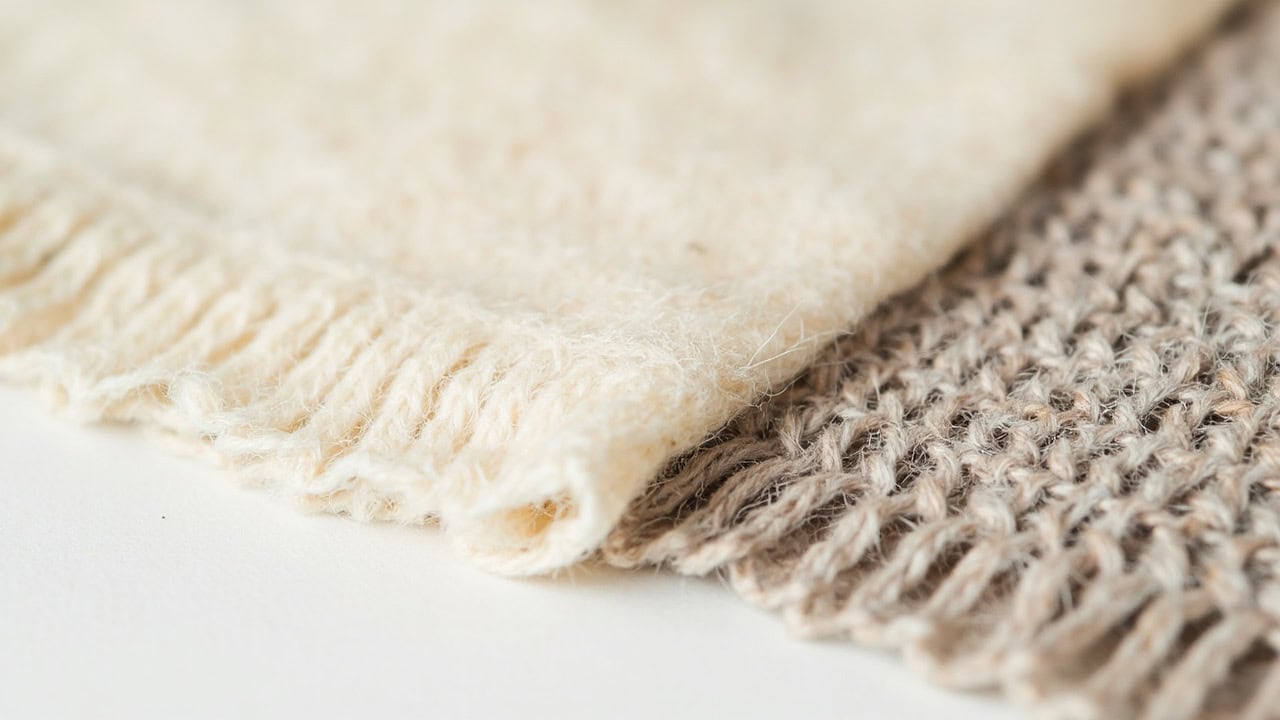
The global cashmere market produces approximately 15,000–20,000 metric tons of raw fiber per year, which yields only about 6,500 metric tons of pure processed cashmere after dehairing. Wool production, by contrast, exceeds 2 million metric tons annually. This supply asymmetry is the fundamental driver of cashmere’s price premium — demand is global but supply is constrained by biology and geography.
Raw cashmere fiber trades at $80–$200 per kilogram depending on grade and origin, while raw wool averages $3–$15 per kilogram. This 10–20× price differential at the raw material level translates directly to finished goods pricing. A basic cashmere sweater at retail typically costs $150–$300, while a comparable wool sweater runs $40–$100.
The per-wear calculation favors quality cashmere in the long run. A $150 grade-A cashmere sweater worn 200 times over five years costs $0.75 per wear. A $50 merino wool sweater worn 150 times over three years costs $0.33 per wear initially, but grade-A cashmere retains its softness and shape far better than budget cashmere, which pills excessively and loses loft after one season. Mixing lower-grade cashmere with wool is a false economy — it combines cashmere’s cost with wool’s tendency to pill, delivering neither fiber’s best performance.
Grade indicators matter enormously. Look for 2-ply yarn construction, which creates a stronger, more pill-resistant fabric than single-ply. Fiber length of 38mm+ indicates quality that resists pilling and maintains shape. Brands that disclose source regions — Mongolia, Inner Mongolia, Afghanistan — are typically more transparent about their supply chain. A simple friction test works: rub cashmere between your hands for 30 seconds; high-quality cashmere warms slightly from the friction due to its fineness and fiber structure.
The best strategy is to invest in core wardrobe pieces — neutral crewnecks, v-necks, and cardigans in timeless colors — while avoiding cashmere for high-stain situations like children’s clothing, kitchen work, or activities where frequent washing is unavoidable.
Care Comparison
Both fibers require more attentive care than cotton or synthetic alternatives, but the specifics differ meaningfully. Cashmere demands gentler handling throughout: hand wash in cold water (30°C maximum) using shampoo or specialized cashmere detergent, never wringing or twisting, and lay flat to dry on a clean towel away from direct sunlight. Wool tolerates slightly warmer washing — hand wash in cold or a dedicated wool machine cycle at 30–40°C — and also requires flat drying to maintain shape.
Storage practices diverge most significantly. Cashmere must always be folded — hanging causes irreversible stretching even within hours. Wool is more forgiving but still benefits from folding or wide-shoulder hangers that distribute weight. Both fibers attract moths; cedar blocks or lavender sachets provide deterrent scent, though they must be refreshed periodically as fragrance dissipates.
Pilling is an expected characteristic of cashmere, especially in the first season. High-quality cashmere pills initially as loose fibers surface, then stabilizes after de-pilling with a cashmere comb. This initial pilling is actually a quality indicator — it shows the fibers are long enough to hold together. Wool pills less severely but still develops pills on friction points like underarm areas and sleeve cuffs; a sweater stone works well for wool.
With proper care, cashmere delivers 2–3 years of regular use or 5–7 years of occasional use before showing significant wear. Quality merino wool lasts 3–5 years with regular use and can exceed 10 years when well-maintained. The longer lifespan of quality wool reflects its coarser, more abrasion-resistant fiber structure.
Frequently Asked Questions
Q: Is cashmere actually worth the higher price?
A: Cashmere is worth the price when quality is verified (look for grade A, 2-ply, 38mm+ fiber length) and the garment receives proper care. High-quality cashmere outlasts wool 2–3× in softness retention, but low-grade cashmere mixed with wool pills after one season — making wool the better value in that case.
Q: Does cashmere pill more than wool?
A: Yes, cashmere pills more initially due to its shorter fibers and finer diameter. This is normal for high-quality cashmere and resolves after the first few wears and de-pilling treatments. Wool pills less but can still develop pills on friction points. Use a cashmere comb on cashmere and a sweater stone on wool.
Q: How do I know if cashmere is high quality?
A: High-quality cashmere has: 2-ply yarn construction, fiber length of 38mm+, diameter of 15–16 microns (grade A), brand disclosure of source region, and a price point typically above $100 for a basic sweater. Rub the fabric between your hands — good cashmere warms slightly from the friction.
Q: Can you machine wash cashmere and wool?
A: Machine washing risks felting and shrinkage for both, but modern wool machine cycles (cold water, slow spin, wool detergent) are safer than hand washing for everyday care of both fibers. Always check the care label — some treated superwash wools are genuinely machine safe; cashmere almost always requires hand washing.
References
- Wikipedia. (2025). Cashmere wool. Wikimedia Foundation.
- Wikipedia. (2025). Wool. Wikimedia Foundation.
- U.S. Wool Products Labeling Act Standards. Federal Trade Commission.


