
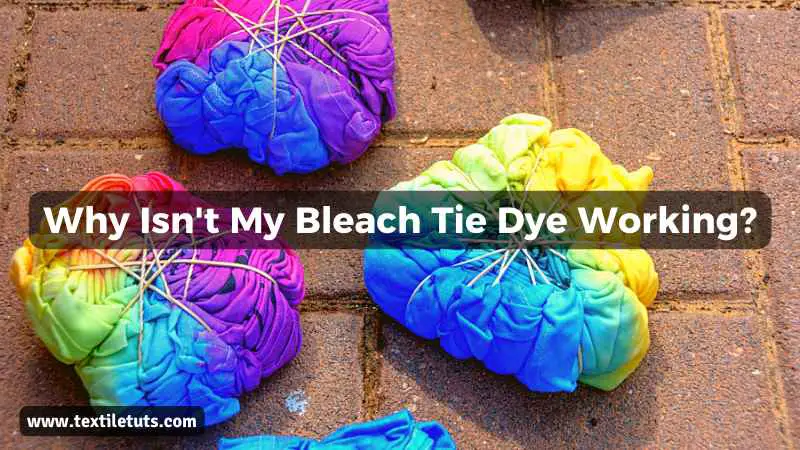
Why Isn’t My Bleach Tie Dye Working?

Your bleach tie dye fails primarily because of fabric incompatibility — polyester, acrylic, and nylon are immune to sodium hypochlorite (bleach) since they contain no cellulosic fibers. Unlike natural fibers such as cotton, linen, or rayon, synthetic polymers lack the hydroxyl groups that NaOCl targets during the oxidation reaction that breaks down dye chromophores. Beyond fabric type, insufficient bleach concentration, inadequate fabric absorbency, and unfavorable yarn structure are the other primary causes of bleach failure.
This article addresses each issue systematically, with actionable steps to overcome it. Understanding the chemistry behind bleach discoloration helps dyers diagnose and fix their process.
What is Bleach Tie Dye or Reverse Tie Dye?
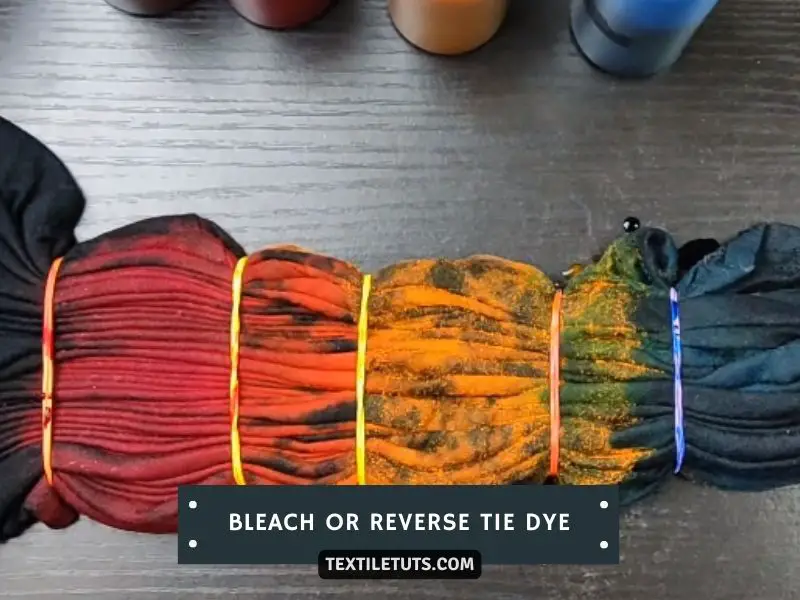
Reverse tie dye uses bleach to remove color from fabric, unlike traditional tie dye which adds color. The process requires only a bleach solution and a colored garment. Bleach (sodium hypochlorite, NaOCl, at 5.25% concentration in household bleach) breaks down the chromophore molecules in dye, effectively bleaching the fabric.
For crafters seeking to lighten a dark shirt or create interesting tie dye patterns, reverse tie dye delivers distinctive white and light-colored effects with vibrant remaining color accents.
Tie Dye vs. Bleach Tie Dye
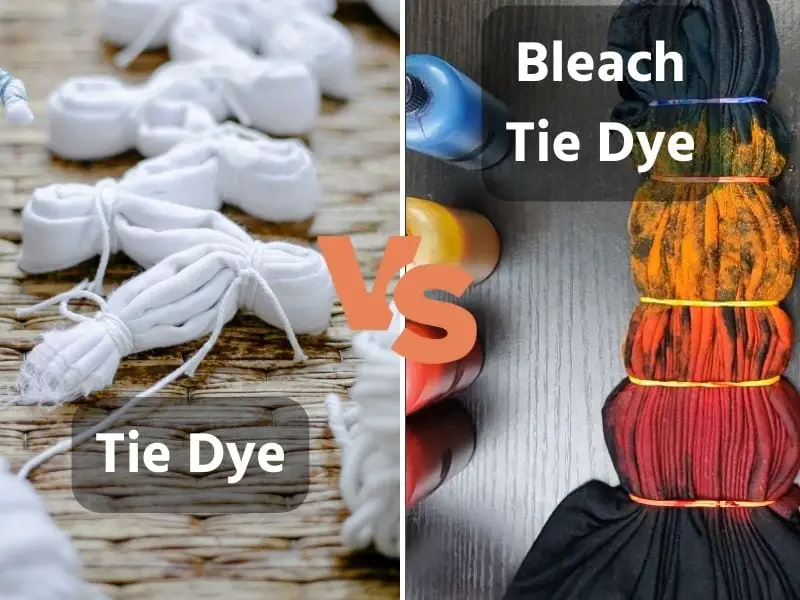
| Feature | Tie Dye | Bleach Tie Dye |
|---|---|---|
| Process | Dye is added to fabric tied or folded in specific patterns. | Color is removed from fabric tied or folded in specific patterns. |
| Result | Bright, colorful patterns on white or light fabric. | White or light-colored patterns with vibrant remaining color accents. |
| Fabric | Natural fibers like cotton, rayon, and linen work best. | Dark-colored fabrics containing at least 50% cellulosic fibers. |
| Chemical | Fabric dye (fiber-reactive, acid, or disperse). | Sodium hypochlorite (NaOCl) at 5.25% or diluted concentration. |
| Tools | Rubber bands, dye, water, squeeze bottles. | Bleach, water, spray bottle or bucket, rubber bands. |
| Processing Time | 30 minutes to 24 hours (depending on dye type). | 20 minutes to 2 hours (depending on bleach strength). |
| Difficulty | Easy to moderate. | Easy to moderate. |
6 Reasons Your Bleach Tie Dye Fails and Their Solutions
Six specific factors cause bleach tie dye failure. Each has a documented cause and a proven solution based on textile chemistry principles.
Incompatible Fabric Type
Polyester, acrylic, and nylon do not respond to bleach under any conditions. These synthetic polymers lack the cellulose molecular structure that sodium hypochlorite targets during the oxidation-reduction reaction that breaks down dye chromophores.
Reductive bleaches like sodium hypochlorite (NaOCl) work exclusively on cellulosic fibers: cotton, linen, hemp, viscose rayon, and lyocell. Applying bleach to 100% polyester, acrylic, or nylon produces no visible change regardless of concentration or exposure time.
The chemical mechanism requires hydroxyl groups (-OH) present in cellulose molecules. Synthetic fibers composed of petroleum-derived polymers (polyethylene terephthalate, polyacrylonitrile, nylon-6, nylon-6,6) contain no these groups, making them chemically immune to oxidative bleaching.
Solution
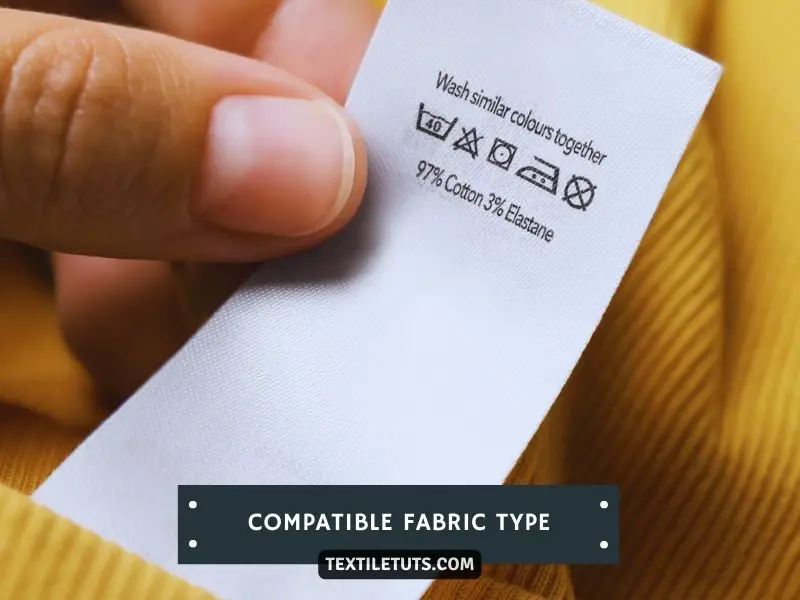
Use only fabrics containing at least 50% cellulosic fiber content. Acceptable fabrics include:
- 100% cotton (ideal — highest cellulose content and bleach responsiveness)
- Linen (100% flax fiber — excellent bleach compatibility)
- Hemp (high cellulose content, durable)
- Viscose rayon (regenerated cellulose — very responsive to bleach)
- Lyocell (Tencel — high wet strength, bleaches evenly)
- Cotton-polyester blends with 60% or higher cotton content
Insufficient Bleach Concentration
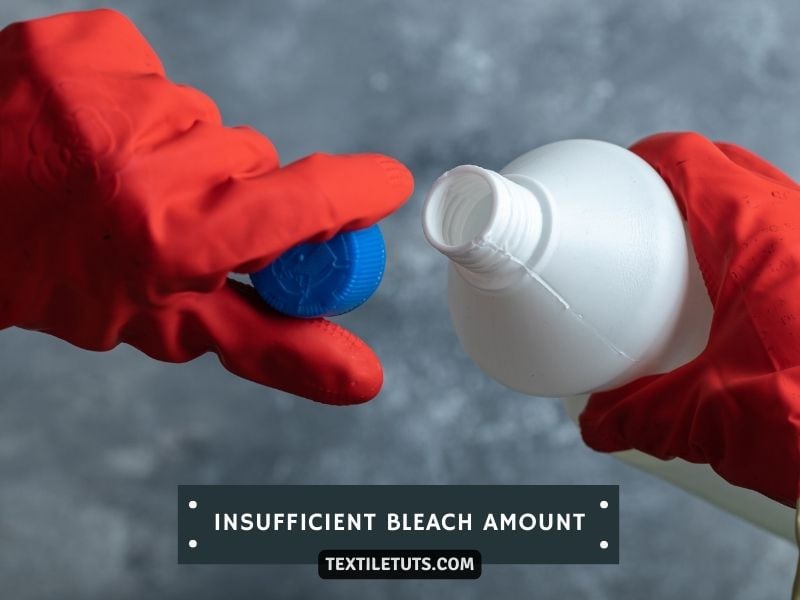
Household bleach contains 5.25% sodium hypochlorite (NaOCl). This concentration produces visible lightening on cotton within 20-30 minutes at room temperature (20-25°C / 68-77°F). Diluting below a 1:1 ratio (bleach to water) significantly slows the reaction and may produce uneven results.
Solution
Use undiluted household bleach (5.25% NaOCl) for the fastest results. For spray bottle application, mix at a 1:1 ratio with water to produce a 2.625% NaOCl solution — this remains effective and reduces fabric damage risk. Standard bucket soaking uses full-strength bleach.
- Full strength (5.25% NaOCl): 20-30 minutes for visible lightening on cotton
- 1:1 dilution (2.625% NaOCl): 30-45 minutes for similar results
- 1:3 dilution (1.31% NaOCl): 1-2 hours — use only for delicate fabrics
Fabric Lacking Absorbency
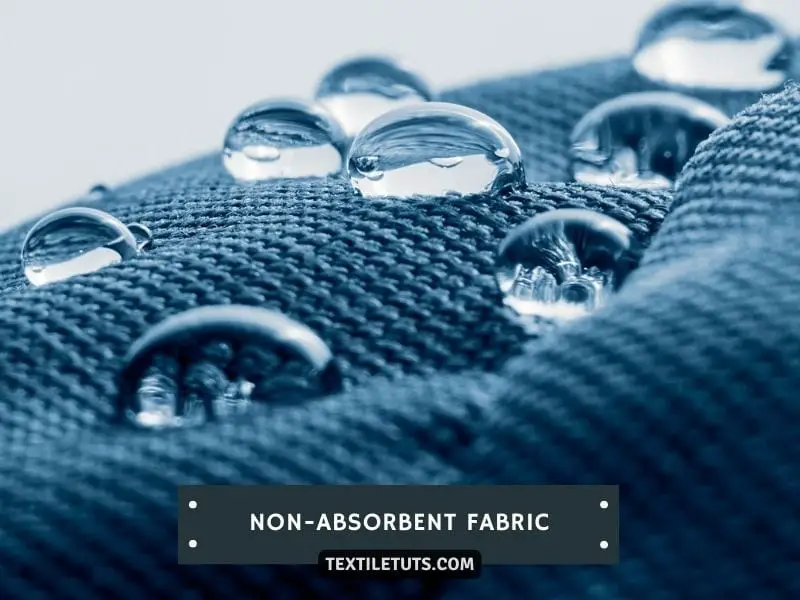
Fabrics treated with hydrophobic finishing chemicals repel water, preventing bleach solution from penetrating the fiber structure. Durable water repellents (DWR), silicone-based fabric finishes, and stain-resistant coatings create a barrier that blocks NaOCl from reaching the dye molecules inside fibers.
These finishing chemicals bond to fiber surfaces at the molecular level. When applied, they reduce fabric surface tension below 30 mN/m — the threshold required for aqueous solutions to penetrate fiber bundles.
Solution
Boil the fabric in a solution of 3-5% acetic acid (white distilled vinegar) for 30-45 minutes before bleaching. This removes hydrophobic finishes by hydrolyzing the silicone or fluorocarbon bonds. Rinse thoroughly with clean water after desizing treatment.
Commercial desizing agents containing alpha-amylase enzymes also work effectively for starch-based finishes, though acetic acid treatment is sufficient for most hydrophobic coatings.
Fabric Blend Contains Insufficient Cellulosic Fiber
Consider a black T-shirt labeled as 80% polyester and 20% cotton. Applying bleach destroys the dye in the cotton fibers only. The 80% polyester portion retains its original color completely, producing minimal visible change overall.
The bleaching action occurs only on the cellulosic portion because NaOCl oxidation targets the 1,4-beta-glycosidic bonds in cellulose polymers. Polyester fibers have no such bonds — they consist of ethylene terephthalate repeating units impervious to oxidative bleaching.
Solution
The fabric blend must contain at least 50% cellulosic fiber for visible bleaching results. Blends at exactly 50/50 cotton-polyester produce muted effects. Optimal results require 65% or higher cotton content, where the synthetic portion bleaches to a lighter shade that blends with the whitened cotton.
Yarn Structure Renders Cotton Inaccessible
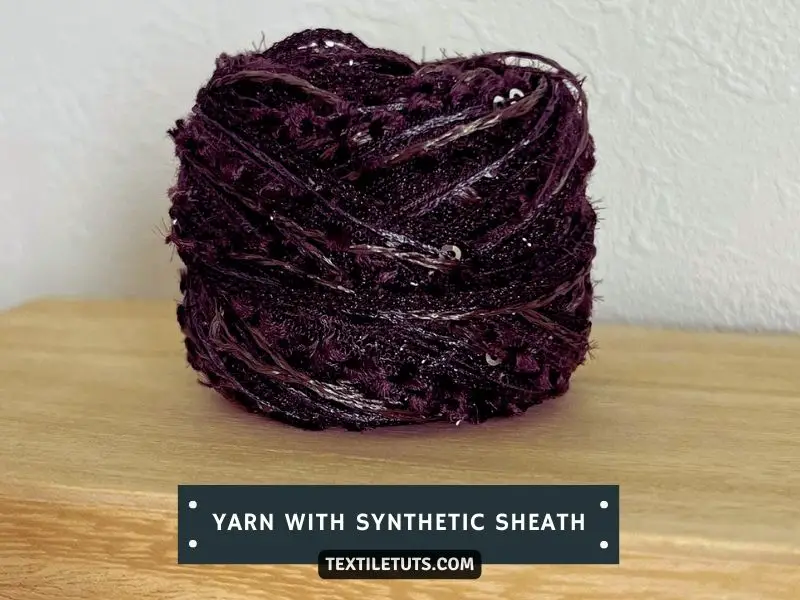
Certain fancy blend yarns use cotton as the core fiber with a synthetic sheath wrapped around it. From the fabric surface, only the synthetic outer layer is visible. The cotton core — which would react with bleach — remains completely hidden.
Core-spun yarns are common in budget blended fabrics and some athletic wear. They provide specific performance characteristics (stretch, durability) but are incompatible with surface-based chemical treatments like reverse tie dye.
Solution
Check the yarn structure before purchasing fabric. Examine a frayed edge or unravel a small section to verify cotton fibers are present at the surface. Fabrics with surface-exposed cotton fibers are suitable for reverse tie dye.
Fabric Damage from Excessive Bleach Exposure
Viscose rayon and lyocell are highly susceptible to oxidative degradation. Applying full-strength bleach at elevated temperatures (above 40°C / 104°F) causes the cellulose polymer chains to hydrolyze, reducing tensile strength by up to 60% and causing the fabric to develop a brittle, papery texture.
Over-bleaching manifests as fiber embrittlement, where the fabric loses 40-70% of its original tear strength. This damage is irreversible — the fabric cannot be restored to its original physical properties.
Solution
Limit bleach exposure to 20-30 minutes maximum for viscose rayon and lyocell. Use the 1:1 diluted solution (2.625% NaOCl) rather than full strength. Keep temperature below 30°C / 86°F. Neutralize immediately after achieving the desired lightening effect using 3% hydrogen peroxide solution for 15-20 minutes.
Optimal Bleach Tie Dye Timing and Temperature
Standard processing conditions for cotton fabric use full-strength household bleach (5.25% NaOCl) at room temperature (20-25°C / 68-77°F). Under these conditions, visible lightening appears within 15-20 minutes. Maximum color removal occurs at 30-45 minutes.
Higher temperatures accelerate the reaction significantly. At 40°C (104°F), the reaction proceeds 2-3 times faster, reducing required exposure to 10-15 minutes. However, temperatures above 50°C (122°F) risk thermal degradation of cotton fibers alongside oxidative damage.
Damp vs. Dry Fabric for Reverse Tie Dye
Dampen fabric slightly before applying bleach. Light moisture improves solution penetration into the fiber structure, allowing NaOCl to reach dye molecules more efficiently.
When bleach dissolves in water, it releases oxygen radicals that oxidize and break down chromophore molecules. Dry fabric repels the aqueous solution, causing it to sit on the surface without penetrating. Over-wetting dilutes the bleach concentration below effective levels.
The optimal moisture level is uniform dampness — fabric that feels wet but does not release water when squeezed. Achieved by thoroughly wetting the fabric, then wringing out excess water until the dripping stops.
Using 50/50 Cotton-Polyester Blends for Reverse Tie Dye
Reverse tie dye works on 50/50 cotton-polyester blends, but the results differ from 100% cotton. The cotton fibers bleach to white or cream while the polyester portion retains some color, creating a muted, heathered appearance rather than crisp white.
The minimum effective cellulosic content is 50%. Below this threshold, bleaching produces negligible visible change. Start with the lowest effective bleach concentration (1:1 dilution) to minimize polyester surface damage, which manifests as fiber pitting and reduced luster.
How Bleach Works on Tie-Dyed Fabric
Bleach is effective on tie-dyed fabric only when the original dye was applied to cellulosic fibers. Fiber-reactive dyes (used on cotton, rayon, linen) are susceptible to oxidation by NaOCl. The dye molecules lose their conjugated double-bond structure, eliminating the color-absorbing properties.
Acid dyes used on nylon and wool, and disperse dyes used on polyester, are generally resistant to household bleach concentrations. Attempting to bleach these fibers produces no change or, in some cases, deepens the color through dye reduction.
Reverse Tie Dye on Hoodies and Heavy Fabrics
Hoodies present specific challenges for reverse tie dye. The heavy, loop-back cotton construction (typically 280-400 gsm) absorbs more bleach solution and requires extended processing time. Additionally, hoodies often contain 60-80% cotton with polyester reinforcement in collar and cuff areas.
Expect processing times 2-3 times longer than standard T-shirts. Use full-strength bleach and allow 45-90 minutes for visible results. Expect muted, imperfect effects compared to lighter single-layer fabrics.
Neutralizing Bleach After Reverse Tie Dye
Stop the bleaching reaction immediately upon achieving the desired effect. Residual NaOCl continues reacting even after rinsing, potentially over-processing the fabric. Neutralize with 3% hydrogen peroxide solution mixed at 1:10 ratio (one part hydrogen peroxide to ten parts water). Soak for 15-20 minutes, then rinse thoroughly.
Vinegar (5% acetic acid) neutralization is less effective but acceptable as a secondary rinse. The standard textile industry approach uses hydrogen peroxide for complete NaOCl decomposition into sodium chloride and water.
Summary: Bleach Tie Dye Troubleshooting
| Problem | Cause | Solution |
|---|---|---|
| No change after 1 hour | 100% polyester, acrylic, or nylon fabric | Switch to 100% cotton or 65%+ cotton blend |
| Uneven lightening | Insufficient absorbency due to fabric finish | Treat with 3-5% acetic acid boil for 30-45 min before bleaching |
| Muted results on blend | Less than 50% cellulosic fiber | Use fabric with 65%+ cotton content for clearer effects |
| Minimal change on expensive blend | Core-spun yarn (cotton hidden by synthetic sheath) | Verify surface cotton accessibility before purchase |
| Fabric feels brittle after rinsing | Over-bleaching or excessive temperature | Limit to 20-30 min, keep below 30°C, neutralize promptly |
References
- Wikipedia. (2025). Bleach — Sodium hypochlorite concentration, textile bleaching mechanism, and temperature effects. Wikipedia.
- PBurch.net. (2025). Dyeing FAQ — Fabric compatibility with bleach on cotton vs. synthetic fibers. PBurch.net.
- Rit Dye. (2025). Fabric Dyeing Instructions — Bleach tie dye techniques and solution preparation. Rit Dye.
- ASTM International. (2025). ASTM D5489 — Standard Guide for Care Symbols for Care Instructions on Textile Products. ASTM International.


