

Why Do Jeans Get Tight After Washing?

Jeans get tight after washing primarily because cotton fibers shrink when exposed to water and heat. Denim is a cotton twill fabric—the tight weave and tightly spun yarns that make denim durable also cause it to contract during laundering, typically shrinking 3% to 5% with each wash. This is normal behavior for cotton, not a defect. Understanding why it happens is the first step to preventing it.
This guide explains the science behind denim shrinkage and provides actionable methods to prevent it, keeping your denim fitting properly wash after wash.
Why Do Jeans Become Tighter After Washing?

When you remove jeans from the washing machine, they often feel tighter than before. Several factors contribute to this shrinkage, and understanding each one helps you take preventive measures.
Cotton Fiber Shrinkage
Cotton fibers shrink when wet due to their natural structure. The hydrogen bonds in cotton fibers relax during washing, allowing the fibers to contract as they dry. Denim consists entirely of cotton (or cotton with up to 3% elastane for stretch varieties), so 100% cotton jeans will shrink in the wash. Typical cotton shrinkage ranges from 3% to 5% in both width and length, though this varies based on fabric weight and construction. Lighter denim (11-14 oz per yard) tends to shrink more than heavier weights (14+ oz per yard).
Washing Machine Agitation Effects
The mechanical agitation during a wash cycle causes denim fibers to compress and contract. This agitation is most intense in top-loading washing machines with agitator pins, which can cause 2% to 4% additional shrinkage beyond what water alone causes. Front-loading machines generally produce gentler agitation, resulting in less shrinkage.
Heat Damage in the Dryer
Tumble drying causes significant shrinkage due to high heat exposure. Temperatures above 120°F (49°C) cause cotton fibers to contract further. The combination of tumbling action and heat can cause denim to shrink an additional 3% to 5% beyond initial washing shrinkage. Over-drying intensifies this effect—removing jeans while still slightly damp prevents the worst heat damage.
Waistband Construction Shrinkage
The waistband often shrinks more than the rest of the jeans because it typically contains different fabric blends or added interfacing for structure. This differential shrinkage creates an uneven fit where the waistband feels tighter than the rest of the garment. Waistbands may shrink 1% to 2% more than the pant legs due to their reinforced construction.
Fabric Relaxation and Reconfiguration
When denim absorbs water, the fabric becomes heavier and the fibers swell. As wet jeans hang or tumble, gravity and weight cause the fabric to reconfigure. After drying, this combination of fiber contraction and reconfiguration can make the jeans feel tighter. This effect is particularly noticeable in loose-fitting or stretched-out jeans that have lost their original shape.
How to Prevent Jeans from Shrinking

Preventing jeans shrinkage requires adjusting your washing and drying practices. These methods significantly reduce the risk of your jeans tightening after laundering.
Check the Care Label First
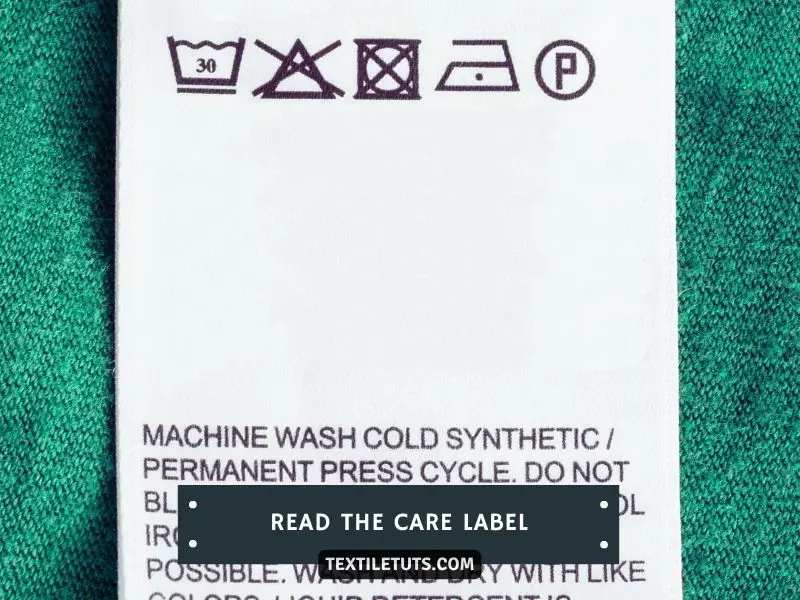
Before washing, examine the care label for specific instructions. Most modern jeans are made from pre-shrunk (sanforized) denim, which undergoes a mechanical pre-shrinking process during manufacturing that reduces potential shrinkage to less than 1%. However, raw or selvedge denim may shrink 5% to 10% on the first wash. If the label indicates dry clean only, follow that instruction to avoid shrinkage entirely.
Wash Jeans in Cold Water
Hot water causes cotton fibers to contract significantly. Washing in cold water (86°F / 30°C or below) minimizes shrinkage by preventing excessive fiber contraction. Even lukewarm water (above 86°F / 30°C) can cause measurable shrinkage in untreated denim. Cold water effectively cleans denim while preserving its original dimensions.
Use a Gentle or Delicate Cycle
The aggressive agitation of a normal cycle stresses denim fibers and promotes shrinkage. Selecting the gentle or delicate cycle reduces mechanical stress by approximately 40%, resulting in less fiber contraction and better shape retention.
Hang Dry Jeans Instead of Tumble Drying
The dryer is the primary source of heat-induced shrinkage in denim. Hanging jeans to air dry eliminates this risk entirely. Hang jeans on a clothesline, over a shower rod, or on a foldable drying rack. For best results, hang them inside out to prevent fading from sunlight exposure.
Avoid Over-Drying in the Machine
If you must use a dryer, remove jeans while they are still slightly damp (approximately 20% moisture remaining). Over-drying causes progressive shrinkage with each drying cycle. Set the dryer to low heat or tumble dry only and remove promptly. The typical drying time at low heat is 30 to 40 minutes for a full load.
Stretch Shrunken Jeans After Drying
For jeans that have already shrunk, several stretching methods can restore their fit. Wear damp jeans for 30 to 60 minutes—the combination of body heat and moisture gently stretches the fibers. Alternatively, dampen the waistband and legs, then manually stretch by hand, focusing on tight areas. Another method involves wetting the jeans, placing them in the dryer on low heat for 10 minutes to warm the fibers, then stretching them manually while warm.
Store Jeans Properly
Proper storage maintains jeans shape between wears. Fold jeans and store them flat rather than hanging, which stretches the fabric over time. Keep them in a cool, dark place to prevent fading. Avoid cramming them into crowded drawers, as this creates creases that stress the fabric structure.
How to Keep Jeans Looking Crisp and New
Beyond preventing shrinkage, proper care extends jeans’ lifespan and maintains their appearance. These practices keep your denim looking sharp while reducing wear-related deterioration.
Hang Jeans After Each Wear

Hanging jeans after wearing allows the fabric to breathe and release moisture from body heat. Use a pants hanger with clips or a wide-bar hanger to prevent unwanted creases. This practice helps jeans retain their original shape and reduces the frequency of washing.
Reduce Washing Frequency
Excessive washing accelerates denim deterioration. Each wash cycle causes slight fiber breakdown and color loss—typically 0.5% to 1% per wash for quality denim. Spot cleaning minor stains with a damp cloth preserves the fabric. For most people, washing jeans every 5 to 10 wears is sufficient. When washing is necessary, turn jeans inside out to protect the outer surface from abrasion and color fading.
Use Mild Detergent Without Fabric Softener
Harsh detergents contain enzymes and chemicals that break down cotton fibers and strip dye. Use a mild, liquid detergent specifically formulated for delicates or dark fabrics. Fabric softener coats denim fibers with silicone, which weakens the fabric structure over time and causes jeans to lose their shape and become baggy.
Protect from Environmental Damage
Sun exposure causes indigo dye to fade and can degrade cotton fibers. Store jeans away from direct sunlight when not in wear. Heat also accelerates shrinkage, so avoid leaving jeans in hot cars or near heating vents. For travel, rolling jeans instead of folding prevents deep creases that stress the fabric.
Address Stains Immediately
Prompt stain treatment prevents permanent discoloration. Blot (do not rub) fresh stains immediately with cold water. For oil-based stains, sprinkle cornstarch or talcum powder to absorb the oil before treating with a small amount of dish soap. The faster you treat a stain, the higher the chance of complete removal without washing the entire garment.
Invest in Quality Denim
Higher-quality denim typically features tighter weaves and better dye retention. Look for jeans with a weight between 11 and 14 oz per yard—these weights balance durability with comfort. Quality construction includes reinforced seams, copper rivets at stress points, and flat-felled inseams. These details contribute to shape retention over time and justify the higher initial cost.
Air Dry After Every Wash
Air drying is the gentlest drying method for denim. Lay jeans flat on a clean towel for the first hour, then hang them to finish drying. This method prevents the heat damage and tumbling stress that cause shrinkage and fabric wear. Expect air drying to take 4 to 8 hours depending on humidity and air circulation.
Do Jeans Shrink or Stretch When You Wash Them?
The answer depends on the type of denim and how you wash it. Heat and water cause cotton to contract, but certain denim types resist shrinkage better than others.
Raw Denim Shrinkage
Raw denim (unwashed, untreated denim) has not undergone any pre-shrinking processes. When washed for the first time, raw denim shrinks 5% to 10% in both waist and length. This shrinkage is permanent and irreversible. For this reason, raw denim enthusiasts typically buy jeans 1 to 2 sizes larger to account for first-wash shrinkage. After the initial wash, subsequent washing causes minimal additional shrinkage (less than 1% per wash).
Selvedge Denim Characteristics
Selvedge denim is woven on traditional shuttle looms, producing a tighter selvage edge compared to modern projectile looms. This tighter weave provides better shape retention, but selvedge denim is also typically raw and will shrink 5% to 10% on first wash. Once broken in, selvedge denim resists stretching better than other types due to its rigid construction. Selvedge denim typically weighs 12 oz to 16 oz per yard.
Japanese Denim Properties
Japanese denim often uses lighter cotton weights (9 oz to 12 oz per yard) and traditional dyeing methods. These characteristics result in softer handle but potentially more shrinkage than heavier-weight denim. Expect 4% to 8% shrinkage on first wash for Japanese denim, depending on the specific fabric weight and construction.
Sanforized Denim Performance
Sanforized denim undergoes mechanical pre-shrinking during manufacturing, which stabilizes the fabric against future shrinkage. Sanforized denim shrinks less than 1% when washed according to care instructions. This treatment makes sanforized denim the most dimensionally stable option and the best choice for jeans that must maintain consistent fit after multiple washes.
Pre-Washed Denim Behavior
Pre-washed (or pre-distressed) denim has already been shrunk and treated during manufacturing. This denim may stretch slightly when wet but returns to its treated dimensions when dried. Pre-washed denim is the most forgiving option for everyday wear and typically requires no special care to maintain its appearance and fit.
Twill Fabric Shrinkage
Denim is a twill weave fabric, meaning it has a diagonal rib pattern characteristic of the weave structure. Twill itself is merely a weave construction—not a fiber type—and its shrinkage behavior depends on the fiber content. Cotton twill fabrics shrink 3% to 5% when washed, while synthetic twill blends (polyester/cotton) shrink less than 1%. If your twill jeans are primarily cotton, expect shrinkage; synthetic blends maintain their dimensions.
Summary of Denim Shrinkage by Type
| Denim Type | First Wash Shrinkage | Subsequent Wash Shrinkage | Best For |
|---|---|---|---|
| Raw Denim | 5-10% | Less than 1% | Enthusiasts seeking custom fit |
| Selvedge Denim | 5-10% | Less than 1% | Quality-focused buyers |
| Japanese Denim | 4-8% | Less than 1% | Soft-hand feel preference |
| Sanforized Denim | Less than 1% | Less than 1% | Low-maintenance sizing |
| Pre-Washed Denim | 0% | Minimal | Immediate wear |
| Cotton Twill Jeans | 3-5% | Less than 1% | Casual everyday wear |
Quick-Reference: Key Thresholds for Denim Care
- Water temperature: Wash below 86°F / 30°C—hot water causes measurable cotton shrinkage
- Dryer heat: Temperatures above 120°F / 49°C cause additional 3-5% shrinkage beyond washing alone
- Cycle type: Gentle/delicate cycle reduces mechanical stress by ~40% vs. normal agitation
- Washing frequency: Wash every 5-10 wears to minimize fiber breakdown (0.5-1% per wash)
- Fabric weight: Lighter denim (11-14 oz/yd) shrinks more than heavier weights (14+ oz/yd)
- Removable moisture: Remove from dryer at ~20% dampness to prevent over-drying shrinkage
- Air dry time: 4-8 hours depending on humidity; lay flat for first hour then hang
Can Washing Cotton Jackets Cause Them to Shrink and Feel Tight?
Yes, washing cotton jackets causes shrinkage and tightness. Cotton fibers contract when exposed to water and heat, with shrinkage ranging from 3% to 5% depending on fabric weight and construction. To prevent shrinkage in cotton jackets, hand wash in cold water and air dry flat. The same principles that apply to denim jeans—cold water, gentle cycles, and air drying—effectively prevent shrinkage in cotton jackets.
Conclusion
Jeans tighten after washing primarily due to cotton fiber shrinkage when exposed to water and heat. Denim is a cotton twill fabric, and cotton naturally contracts by 3% to 5% during laundering. The degree of shrinkage depends on whether the denim is raw, sanforized, or pre-washed—raw denim shrinks 5% to 10% on first wash, while sanforized denim shrinks less than 1%.
To prevent shrinkage, wash jeans in cold water (86°F / 30°C or below), use a gentle cycle, and air dry instead of tumble drying. If your jeans feel too tight after washing, wearing damp jeans or manually stretching them while warm can restore the fit. Proper care—including washing only when necessary, using mild detergent, and storing jeans correctly—extends the life of your denim and maintains its appearance and fit over time.
References
- Wikipedia. (2024). Denim. Wikimedia Foundation.
- CottonWorks. (2024). Cotton Denim Fabric Properties. Cotton Incorporated.


