
Why Do White Clothes Turn Yellow and How Can You Prevent It?

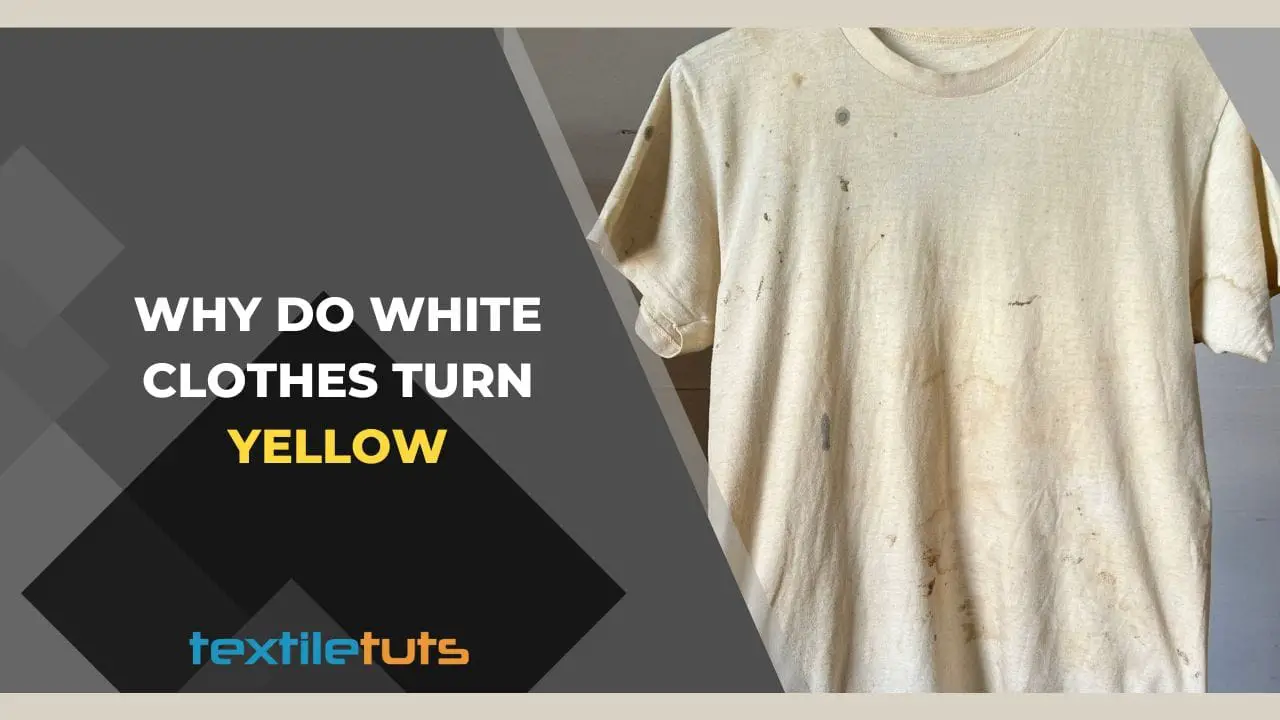
White clothes turn yellow due to oxidation, sweat residue, fabric softener buildup, and improper storage. These chemical reactions in fabric fibers cause visible discoloration over time, but understanding the specific mechanisms behind each cause helps you prevent and reverse yellowing effectively. Immediate action with the right treatment—vinegar soaking, oxygen-based bleach, or specialized detergents—restores brightness to most yellowed garments.
Keep reading to learn the science behind why white clothes turn yellow and how to keep your clothing looking bright and new for years to come.
The Factors Behind Why White Clothes Turn Yellow
Oxidation ranks as the primary reason white clothes turn yellow. When fabric is exposed to oxygen and ultraviolet light, a chemical reaction occurs that alters the optical properties of textile fibers. This photochemical degradation causes the fabric to appear yellowed. Research shows that cotton stored in direct sunlight loses whiteness measurably faster than fabric stored in dark, cool environments.
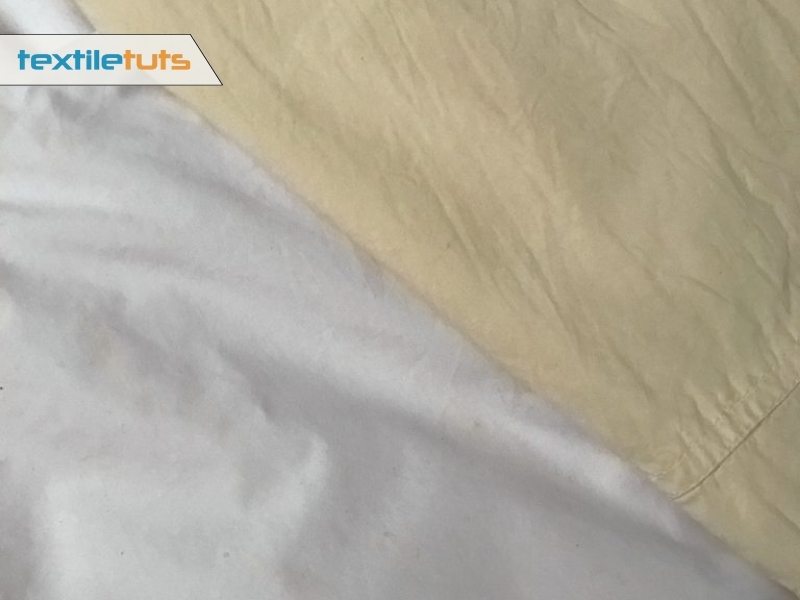
Bleaching damage also causes yellowing. Chlorine bleach degrades the natural pigments in cotton fibers when used at high concentrations or left on fabric for extended periods. Additionally, hydrogen peroxide breaks down at temperatures above 75°C (167°F), reducing its effectiveness as a whitening agent and potentially causing oxidative damage to synthetic fibers.
Sweat and body oils accumulate in fabric fibers and react with the textile surface over time. These organic compounds create ideal conditions for bacterial growth and chemical discoloration. Cotton’s hydrophilic nature—carrying a natural negative surface charge in water with an optimum detergency pH range of 9–10.5—makes it particularly susceptible to absorbing and retaining these compounds.
How to Prevent Your White Clothes from Turning Yellow
Preventing yellowing requires understanding laundry science and following specific care protocols for white fabrics. The following methods significantly extend the brightness life of white garments.
Avoid Fabric Softener
Fabric softeners coat textile fibers with cationic compounds that reduce absorbency and create waxy buildup over repeated wash cycles. This buildup not only causes yellowing but also reduces fabric breathability and moisture-wicking properties. Switch to white vinegar as a natural softening alternative—use ½ cup (120ml) per rinse cycle.
Use White Vinegar in the Rinse Cycle
White vinegar (acetic acid, CH₃COOH) at 5–8% concentration neutralizes alkaline residues from detergent and removes odors effectively. Adding ½ cup to the rinse cycle lowers wash water pH and helps dissolve mineral deposits that contribute to fabric dullness.
Do Not Overload the Washing Machine
Overloading reduces mechanical agitation and prevents proper soil removal. When drums are packed beyond 80% capacity, water circulation decreases, leading to inadequate detergent distribution and increased fabric-to-fabric friction that damages fibers. The recommended load size for a 7kg machine is 3.5–4kg of laundry.
Add Baking Soda to the Wash
Baking soda (sodium bicarbonate, NaHCO₃) acts as a natural builder that softens water and increases detergency. Adding ½ cup (100g) per load raises the wash water pH, which research indicates optimizes between 9–10.5 for removing hydrophobic soils like body oils from cotton fibers.
Dry Whites in Indirect Sunlight
Hang white clothes to dry in indirect sunlight. Direct UV exposure for extended periods accelerates photochemical oxidation in cotton fibers, causing progressive yellowing. Indirect sunlight provides gentle bleaching action without the damaging effects of direct rays. Limit sun drying to 2–3 hours maximum.
Use Low Heat When Machine Drying
Machine drying at temperatures above 60°C (140°F) causes thermal oxidation in synthetic fibers and accelerates yellowing in cotton. Set dryers to low heat (maximum 50°C / 122°F) and remove items while slightly damp to prevent over-drying damage.
Clean the Washing Machine Monthly
Residual detergent, fabric softener, and organic matter accumulate in washing machine drums and hoses, creating bacterial growth and mineral deposits. Run monthly maintenance cycles using hot water at 60°C (140°F) with 2 cups (480ml) of white vinegar or ¼ cup (60g) of baking soda to remove buildup.
Store White Clothes in a Cool, Dark Place
Heat and light accelerate oxidation in stored white garments. Keep white clothes in airtight, acid-free tissue paper within plastic-free containers in temperatures below 25°C (77°F). Avoid cardboard boxes, which contain acids that migrate into fabrics over time.
Use Breathable Storage Bags
Avoid sealed plastic bags and non-breathable containers when storing white clothes long-term. Oxygen deprivation combined with trapped moisture creates anaerobic bacterial growth that causes yellowing and fiber degradation. Use cotton storage bags or breathable fabric totes instead.
Treat Yellowing Immediately
Fresh yellowing responds best to treatment within 48 hours. The longer discoloration sets into fabric fibers, the more extensive the oxidation damage becomes and the harder it is to reverse. Soak yellowed items immediately upon discovery for best restoration results.
Ways to Fix Yellowing Clothing
Yellowed white clothes can often be restored to their original brightness using the following proven methods.
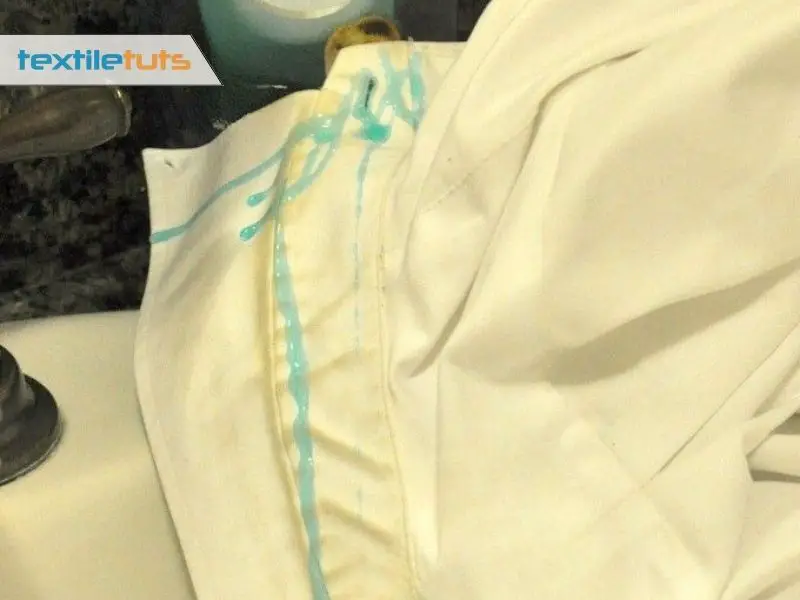
Soak in Vinegar Solution
Mix 1 cup (240ml) of white vinegar with 4 liters (1 gallon) of warm water at 30–40°C (86–104°F). Soak yellowed clothing for 30–45 minutes. The acetic acid breaks down alkaline mineral deposits and detergent residue while the mild acidity neutralizes yellowing compounds.
Use Oxygen-Based Bleach
Sodium percarbonate (2 Na₂CO₃ · 3 H₂O₂) releases hydrogen peroxide when dissolved in water and is the active whitening agent in products like OxiClean. Mix according to package directions and soak for 30–60 minutes in warm water at 40–50°C (104–122°F). This method is safe for most machine-washable fabrics including cotton and polyester blends.
Sun-Bleach with Care
Hang wet, freshly washed yellowed items in bright indirect sunlight for 2–3 hours. Direct sunlight works faster but increases fiber degradation risk. The UV radiation activates residual hydrogen peroxide from the wash cycle for additional bleaching effect. Rinse and dry immediately after sun exposure.
Apply a Commercial Whitening Agent
Commercial whitening agents containing sodium percarbonate or sodium perborate work at concentrations of 30–35% hydrogen peroxide equivalence. Follow product instructions precisely—typically 1 scoop per gallon of water at 40°C (104°F) for 30 minutes. Avoid mixing chlorine bleach with these products.
Quick Reference: Water Temperatures for White Fabric Care
| Purpose | Temperature | Notes |
|---|---|---|
| Washing white cottons | 40–60°C (104–140°F) | Maximizes soil removal; safe for bleach |
| Oxygen bleach activation | 40–50°C (104–122°F) | Optimal for sodium percarbonate |
| Machine maintenance cycles | 60°C (140°F) | Removes detergent buildup monthly |
| Chlorine bleach washing | 20–30°C (68–86°F) | Cold prevents accelerated oxidation |
| Machine drying (max) | 50°C (122°F) | Low heat prevents thermal damage |
| Safe ironing temperature | 200°C (392°F) | Cotton setting; check fabric label |
Tips for Keeping Your White Clothes Looking New Longer
Preventive care extends the brightness lifespan of white garments significantly. Follow these maintenance practices consistently for long-lasting whiteness.
Wash Whites Separately from Colored Items
Wash white clothes in a dedicated load using hot water at 40–60°C (104–140°F) to maximize soil removal. Mixing with colored items risks dye transfer and reduces effective washing temperature due to color-safety restrictions.
Use Detergent Formulated for White Fabrics
Laundry detergents labeled for white fabrics contain optical brighteners that deposit fluorescent compounds on fibers to reflect more blue light, creating a whiter appearance. These work synergistically with the surfactant and builder system at pH 9–10.5 to remove both hydrophilic and hydrophobic soils.
Use Non-Chlorine Bleach Regularly
Oxygen-based bleaches like sodium percarbonate are effective at concentrations of 0.05–0.5% hydrogen peroxide in the wash liquor. Use them every 3–4 washes to maintain whiteness without the fiber damage risk associated with chlorine bleach at concentrations above 0.1%.
Limit Sun Exposure During Drying
While moderate UV exposure provides natural bleaching benefits, excessive direct sunlight causes cumulative photochemical oxidation in cotton fibers. Limit outdoor drying to 2–3 hours in filtered light, or dry indoors on a rack in a well-ventilated area.
Avoid Wearing White Clothes During Physical Activity
Sweat contains uric acid, sodium chloride, and fatty compounds that penetrate cotton fibers and create ideal conditions for bacterial discoloration. Change into work or athletic clothes immediately after exercise and launder within 24 hours to prevent sweat buildup.
Which Fabrics Are Most Susceptible to Yellowing
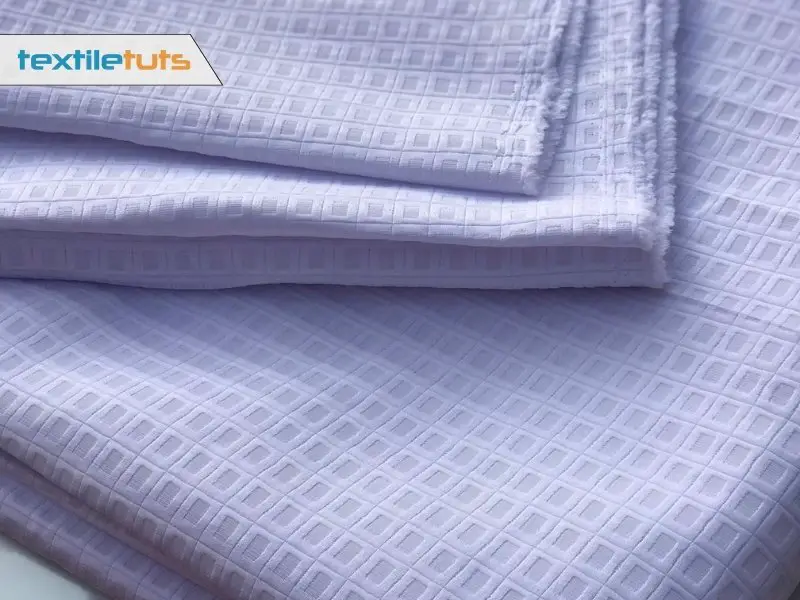
Cotton exhibits the highest yellowing susceptibility among common textiles due to its hydrophilic nature and natural fiber structure. The hydroxyl groups in cellulose (C₆H₁₀O₅)n attract and retain water, providing sites for chemical reactions that cause discoloration. Polyester and nylon resist yellowing due to their hydrophobic, synthetic polymer structure.
Fabric Yellowing Susceptibility Comparison
| Fabric Type | Yellowing Risk | Primary Cause | Resistance Factors |
|---|---|---|---|
| Cotton | Very High | Hydrophilic cellulose fibers; absorbs sweat and oils | None natural |
| Linen | High | Cellulose-based; similar to cotton | Slightly stronger fibers |
| Cotton-Polyester Blend (65/35) | Medium | Blended properties | Polyester reduces absorbency |
| Polyester | Low | Thermal damage above 150°C | Hydrophobic synthetic structure |
| Nylon | Low-Medium | Chlorine or UV exposure | Resists water absorption |
| Silk | Medium | Protein fiber degradation | Requires dry cleaning typically |
| Wool | Medium | Protein oxidation; moisture retention | Natural lanolin provides some protection |
Linen follows cotton in susceptibility due to similar cellulose-based fiber composition. Blends combining natural and synthetic fibers offer intermediate resistance—cotton-polyester blends (65/35 ratio) resist yellowing better than pure cotton while retaining comfort properties.
Synthetics like polyester (polyethylene terephthalate) resist yellowing effectively but can suffer thermal damage at temperatures above 150°C (302°F). Nylon (polyamide) yellows when exposed to chlorine bleach or prolonged UV light at concentrations above 0.1% available chlorine.
Whitening Methods Compared: Pros and Cons
| Method | Pros | Cons | Best For |
|---|---|---|---|
| White Vinegar Soak | Inexpensive, natural, safe for most fabrics, removes odors | Requires soaking time, mild smell dissipates after drying | Regular maintenance, light yellowing |
| Oxygen-Based Bleach (Sodium Percarbonate) | Color-safe for most fabrics, effective at moderate temps, no chlorine damage | Requires correct water temperature, longer soak times | Most yellowing scenarios, colored trim whites |
| Sun-Bleaching | Free, natural, effective on wet fabric, no chemicals needed | Weather-dependent, risk of over-bleaching, slower results | Light yellowing, eco-conscious users |
| Commercial Whitening Agents | Concentrated formula, fast results, engineered for whites | Cost, potential for overuse, chemical ingredients | Stubborn yellowing, large loads |
| Chlorine Bleach | Strong and fast acting, inexpensive | Damages cotton fibers over time, yellows synthetics, hazardous fumes | Avoid—use oxygen bleach instead |
What to Do If Bleach Causes Yellowing
Bleach-induced yellowing results from oxidative degradation of fiber polymers or excessive chemical stripping of natural pigments. The following steps address both causes.
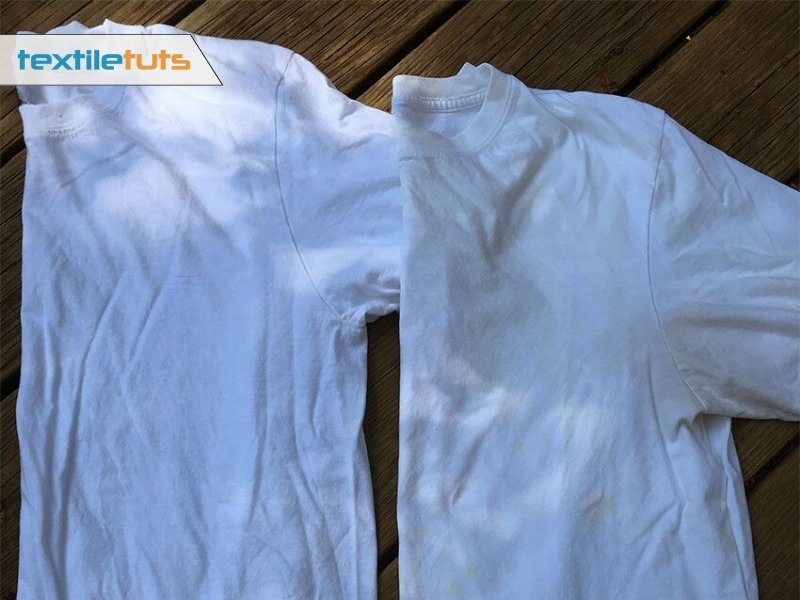
Rinse the garment immediately in cool water at 15–20°C (59–68°F) to stop the bleaching reaction. This halts further oxidative damage and prevents the bleach from continuing to strip color from fibers.
Soak in a solution of 1 cup (240ml) white vinegar mixed with 4 liters (1 gallon) of water for 30 minutes. The mild acidity neutralizes residual alkaline bleach compounds and helps restore fiber surface integrity.
Apply an oxygen-based bleach product (sodium percarbonate) at the manufacturer’s recommended concentration to remove residual yellowing without causing further oxidative damage. Soak for 30–60 minutes in water at 40°C (104°F).
Sun-treat the rinsed item by hanging it in indirect sunlight for 1–2 hours. The UV-activated residual oxygen from the percarbonate treatment provides additional gentle bleaching to even out the color.
How to Keep White Clothes from Turning Yellow in Storage
Storage yellowing results from three primary factors: trapped moisture promoting bacterial growth, oxidation from air exposure, and chemical transfer from storage materials. Addressing each factor prevents closet yellowing.
Poor air circulation causes moisture to accumulate in stored garments, creating conditions for bacterial and fungal growth that produces yellow-brown stains. Store items in breathable cotton bags rather than sealed containers, and maintain at least 2.5cm (1 inch) of space between items on closet shelves.
Dye transfer from colored items stored nearby causes gradual yellowing as fugitive dyes migrate through the air and redeposit on adjacent white fabrics. Store white clothes in a dedicated section of the closet, separated from colored items by at least 15cm (6 inches), or use garment bags for added protection.
Cardboard and wood contain木质酸 (lignin acids) and volatile compounds that migrate into fabric over time, causing yellowing and fiber degradation. Use acid-free tissue paper (pH 7.0–8.5) and plastic-free storage containers made from polypropylene (recycling code #5) or polyethylene (recycling code #2, #4) to protect stored whites.
Frequently Asked Questions
Can too much bleach turn white cloth yellow
Yes. Chlorine bleach at concentrations above 0.1% available chlorine causes oxidative degradation in cotton and linen fibers, breaking down cellulose polymers and creating carbonyl groups that absorb light at 420nm, producing a yellow appearance. Synthetic fibers like polyester, microfiber, and nylon yellow when exposed to chlorine bleach due to surface polymer oxidation.
Why do clothes develop yellow stains when stored unwashed
Uric acid from dried sweat, fatty acids from body oils, and residual skincare products accumulate in fabric and undergo oxidation during storage. These compounds react with airborne nitrogen oxides to form yellow-brown chromophores. Laundering within 48 hours of wearing prevents these compounds from setting and causing permanent staining.
Does baking soda remove yellowing from clothes
Yes. Baking soda (sodium bicarbonate, NaHCO₃) raises wash water pH to approximately 8.3, creating conditions that emulsify fatty compounds and suspend soil particles in suspension. For treatment, make a paste with 3 parts baking soda to 1 part water and apply to yellowed areas. Let sit for 30 minutes before washing as normal at 40°C (104°F).
Does vinegar damage white clothes
No. White vinegar (acetic acid at 5–8% concentration) is safe for white cotton and most synthetic fabrics. It effectively removes alkaline detergent residue, neutralizes odor-causing bacteria, and dissolves mineral deposits without damaging fiber structure. Avoid using vinegar on silk, acetate, or items with special finishes—the mild acidity may degrade these materials.
What water temperature should I use for bleaching white clothes
Use cold to lukewarm water at 20–30°C (68–86°F) for chlorine bleach to prevent accelerated oxidation. Oxygen-based bleaches (sodium percarbonate) activate most effectively at 40–50°C (104–122°F). Temperatures above 60°C (140°F) accelerate fiber degradation and can set protein-based stains permanently.
Why do white clothes turn pink instead of yellow
White clothes turn pink when dye transfer from colored items (often red or pink garments) redeposits on white fabric during washing. This occurs when wash water temperature is too low to set the dye, when items are overloaded, or when non-colorfast items are washed without appropriate precautions. Separate laundry by color and test new colored items for colorfastness before mixing with whites.
Final Words
White clothes require consistent preventive care to maintain their brightness over time. Oxidation, sweat residue, fabric softener buildup, and improper storage are the primary causes of yellowing. By following proper washing protocols, using oxygen-based bleaches instead of chlorine, and storing items correctly, you significantly extend the wear-life of white garments.
References
- Wikipedia. (2025). Laundry detergent. Wikimedia Foundation.
- Wikipedia. (2025). Fabric softener. Wikimedia Foundation.
- Wikipedia. (2025). Sodium percarbonate. Wikimedia Foundation.
- American Cleaning Institute. (2025). How to Use Bleach. ACI.


