

Why Are Levi Jeans So Expensive?

Levi’s commands premium prices through a combination of factors: a multi-generational reputation for quality craftsmanship, investments in sustainable cotton sourcing (83% of their cotton came from Better Cotton, organic, or recycled sources as of 2020), and Water<LESS® manufacturing technology that has saved nearly 13 billion liters of water since 2011. Their 501 Original Fit Jeans retail for around $200, reflecting the durability and construction quality built into each pair.
When it comes to denim, Levi Strauss & Co. is one of the most well-known and respected brands in the world. The company has operated for over 170 years, and their jeans are synonymous with quality and durability.
So buckle up and get ready to learn about the history, quality, and construction that make Levi’s jeans worth their price tag.
The History and Quality Behind Levi’s Jeans

Levi Strauss & Co. was founded on May 1, 1852, by Bavarian immigrant Levi Strauss. At the time, the California Gold Rush was in full swing, and Strauss saw an opportunity to provide sturdy clothing for the thousands of prospectors flocking to the state. He began selling canvas tents and wagon covers made from a tough cotton fabric known as “denim”—a fabric typically weighing 11 to 14 ounces per square yard (310 to 400 g), making it significantly more durable than standard cotton weaves.
By 1873, Strauss had partnered with tailor Jacob Davis to create the first pair of blue jeans. Davis had developed the idea of using copper rivets to reinforce key stress points on the jeans (like the pockets), and the new style was an instant hit with workers in the West. The duo received U.S. Patent 139,121 for their copper rivet design on May 20, 1873. Levi’s jeans became a household name.
Over the years, Levi’s has continued to innovate, introducing new styles and fits to appeal to different audiences. But one thing has remained constant: their commitment to quality. Levi’s jeans are still made from tough denim fabric and reinforced with copper rivets at key stress points. Modern denim typically contains 100% cotton, though some styles incorporate up to 3% elastane (such as Spandex or Lycra) for stretch and comfort.
Their rigorous manufacturing process ensures that each pair meets Levi’s high standards for fit, comfort, and durability. The company reported $6.28 billion in revenue in 2025, operating 3,300 company-owned stores globally with 19,000 employees.
Why Levi’s Jeans Cost More Than Other Brands
The company’s significant investments in sustainable cotton and advanced manufacturing technologies represent key drivers of their higher price point. Additional contributing factors include:
Premium Brand Status
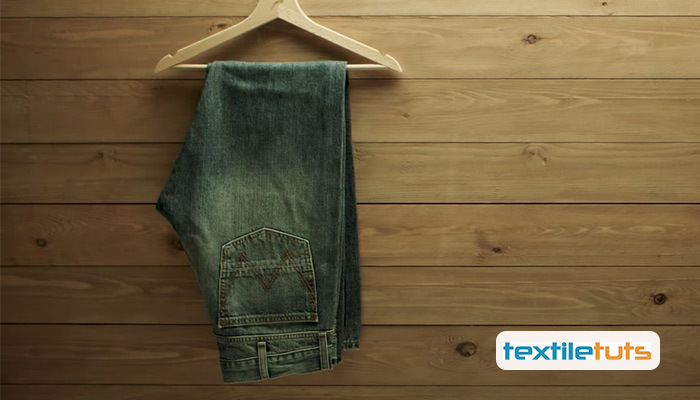
Levi’s has served consumers for more than 170 years, building a reputation grounded in consistent quality craftsmanship. Their long-standing brand recognition and heritage differentiate them from non-branded competitors, allowing them to command premium pricing. Unlike generic alternatives, consumers associate Levi’s with a specific standard of construction and durability.
Heavy Investment in Sustainable Cotton Production
Levi’s invests substantially in cotton sourced from more sustainable channels. According to their 2020 reporting, 83% of their cotton came from Better Cotton, organic cotton, or recycled cotton sources. Their proprietary Water<LESS® technology has saved nearly 13 billion liters of water since the program launched in 2011, significantly reducing the environmental footprint of each pair of jeans compared to conventional denim manufacturing processes that use up to 40 liters of water per garment.
Their quality control protocols screen for harmful chemicals and dyestuffs, exceeding standard industry compliance thresholds. This costly production process contributes directly to the higher retail price of Levi’s jeans worldwide.
Materials and Production Process
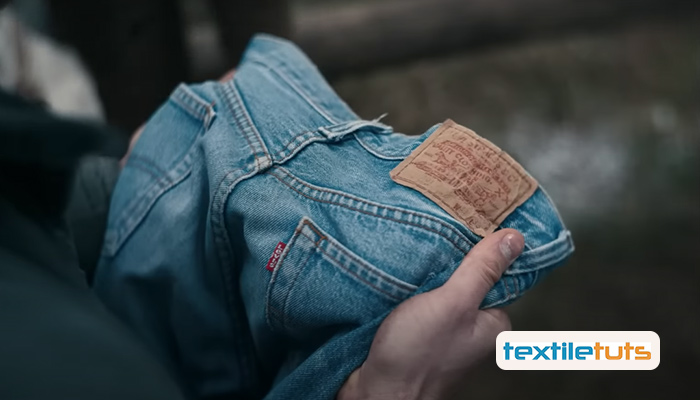
Levi’s jeans are constructed from premium denim weighing 11 to 14 oz per square yard, significantly heavier than the 9 oz minimum for workwear-grade denim. The more technologically advanced production method requires specialized equipment and skilled labor, increasing manufacturing costs. Levi’s Sanforized denim undergoes pre-shrinking treatment, ensuring the fabric retains its dimensions after washing—a process that adds cost but protects the consumer from unexpected shrinkage of 3-5% that untreated cotton can experience.
How Levi’s Jeans Are Made: The Process and Materials
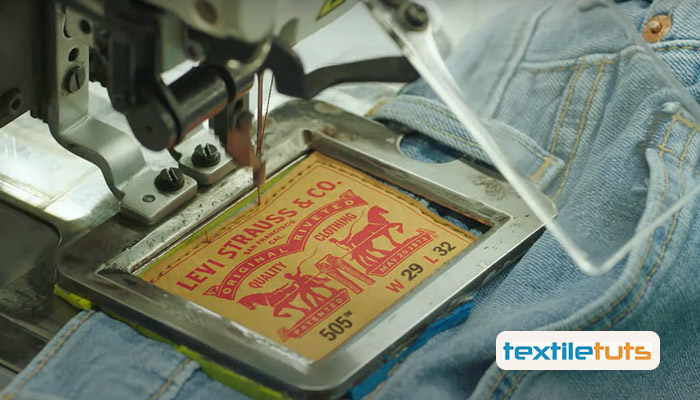
So how exactly are Levi’s jeans made? It all starts with the fabric. Levi’s uses a type of denim known as “Sanforized,” meaning the fabric has been pre-treated to prevent shrinkage so your jeans retain their size and shape after washing.
Next, the denim is cut and sewn into Levi’s signature styles, such as the 501 Original Fit or the 511 Skinny Fit. Once assembled, the jeans undergo a process called “stone washing,” which softens the fabric and creates a broken-in appearance without compromising the denim’s structural integrity.
After stone washing, the jeans are hung to dry, then inspected for quality. Any imperfections are repaired by hand, ensuring each pair meets Levi’s high standards. Finally, the jeans are pressed and packaged for sale.
Find Your Levi’s Waist Size and Length

For information on your Levi’s waist size and length, see the table below. To find the right size and fit, visit the size guide here, where you will also find instructions on how to determine your size.
| Size | Waist (In) | Seat (In) | Thigh (In) | Inseam | Height |
|---|---|---|---|---|---|
| 28 | 26.5-27 | 32.5-33 | 20.5-21 | 30 | 5’6" – 5’8" |
| 29 | 27.5-28 | 33.5-34 | 21-21.5 | 32 | 5’8" – 6′ |
| 30 | 28.5-29 | 34.5-35 | 21.5-22 | 34 | 6′ – 6’4" |
| 31 | 29.5-30 | 35.5-36 | 22-22.5 | 36 | 6’4" – 6’6" |
| 32 | 30.5-31 | 36.5-37 | 22.5-23 | 38 | 6’4" – 6’8" |
Levi Jeans Price Ranges
In Europe and many other nations, Levi’s jeans have become a wardrobe essential. The fit is consistent, and the brand offers a wide range of sizes and prices. The table below summarizes price ranges across several popular Levi’s jean styles.
| Jeans Style | Price Range (USD) |
|---|---|
| Skinny Jeans for Men | $36 – $70 |
| Slim Fit Jeans for Men | $50 – $250 |
| Baggy Jeans for Men | $50 – $90 |
| Men’s Tapered Jeans | $48 – $68 |
| Men’s Bootcut Jeans | $48 – $68 |
| 501 Original Fit Jeans | $98 – $200 |
Why Levi’s Jeans Cost More in Europe
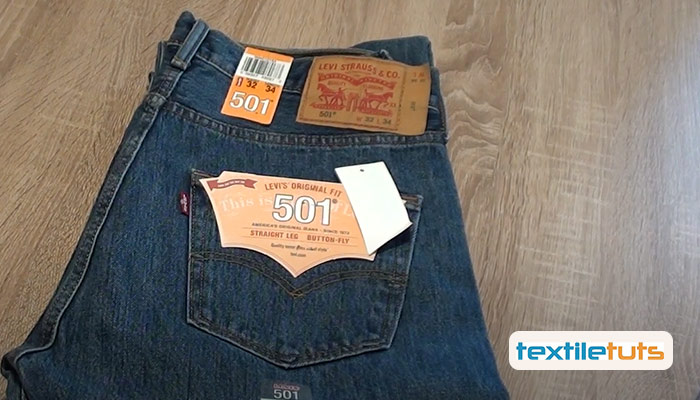
In addition to the production factors already described, several Europe-specific dynamics contribute to higher Levi’s pricing in that region.
First, Levi’s is a global brand, and their European pricing reflects the added costs of international distribution, import duties, and regional marketing. Second, the cost of labor and materials in Europe is higher than in many other manufacturing regions, which increases the base cost of each garment even before distribution markups.
Third, currency exchange rates—particularly the relative strength of the euro against other major currencies—can make Levi’s jeans appear more expensive when priced in euros for consumers accustomed to other markets.
Levi Jeans Prices in the USA and Other Regions
Pricing for Levi’s Jeans varies significantly by country and region. The table below provides approximate retail prices across several markets for comparison.
| Country | Approximate Price (USD) |
|---|---|
| Switzerland | $108 |
| Russia | $90 |
| United Arab Emirates | $56 |
| Bangladesh | $20 |
| Ghana | $9 |
What Sets Levi’s Apart From Other Jeans Brands
Several core factors distinguish Levi’s jeans from competing brands: their innovative history, material quality, manufacturing rigor, and timeless style.
An Innovative History
Levi’s holds the distinction of being the first denim brand in the world. In 1873, they received U.S. Patent 139,121 for copper rivet reinforcement—a innovation that redefined workwear durability. They also pioneered pre-shrunk (Sanforized) denim, eliminating the surprise shrinkage that plagued earlier jeans. These 150+ years of continuous innovation have established Levi’s as the blueprint for how denim should look and feel.
Superior Material Quality and Manufacturing Process

Their jeans are made from 100% cotton denim weighing 11 to 14 ounces per square yard, significantly exceeding the 9-ounce minimum threshold for workwear-grade fabric. Every pair undergoes a rigorous quality control process, including hand inspection for imperfections after stone washing and finishing. This level of quality control adds manufacturing time and labor cost, but ensures a consistently durable product.
Unique Style
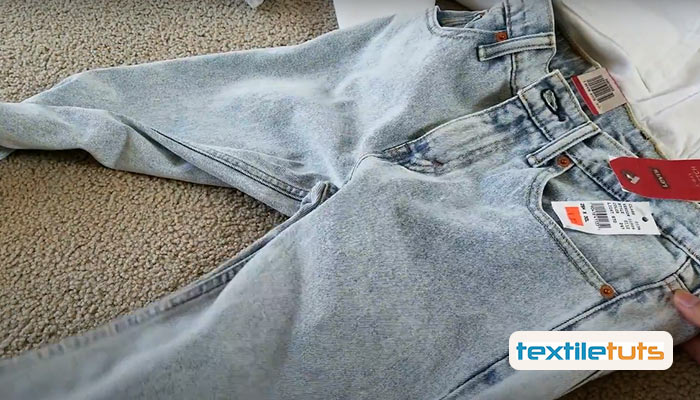
Their signature styles—such as the 501 Original Fit and the 511 Skinny Fit—have been refined over more than a century to deliver a comfortable and flattering fit across all body types. The brand continuously expands its design range while maintaining the classic aesthetic that has defined Levi’s for generations.
Other brands may imitate Levi’s style, but they cannot replicate the quality of construction or the heritage-backed design expertise built into every pair. For consumers seeking a durable, well-fitting pair of jeans that will outlast cheaper alternatives, Levi’s remains the definitive choice.
Levi’s vs. Budget Jeans: The True Cost Comparison
While Levi’s jeans cost more upfront, the cost-per-wear calculation tells a different story. Here’s how Levi’s compare to typical budget alternatives over a two-year period:
| Factor | Levi’s Jeans | Budget Denim ($30-$50) |
|---|---|---|
| Average Price | $98 – $200 | $30 – $50 |
| Average Lifespan | 5-7 years | 1-2 years |
| Pairs Needed (5 years) | 1 pair | 3-4 pairs |
| Total Cost (5 years) | $98 – $200 | $90 – $200 |
| Cost Per Wear (2x/week) | $0.38 – $0.77 | $0.58 – $1.92 |
Are Levi Jeans Worth the Investment?
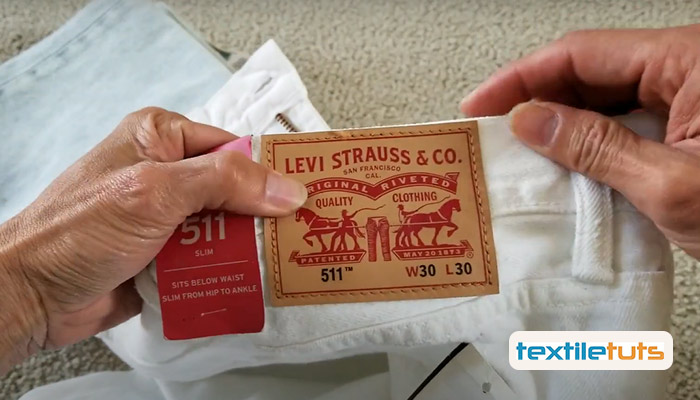
Given Levi’s history and the quality of their jeans, the brand delivers genuine value for the price. If you need a pair of jeans that will fit well and last significantly longer than budget alternatives, Levi’s represents a sound investment. Although Levi’s jeans carry a higher upfront cost than some other brands, the durability, comfort, and timeless style provide superior value over the garment’s lifespan.
Vintage Levi’s have also demonstrated strong collector value. A pair of 1880s-era Levi’s jeans sold at auction for over $75,000, demonstrating the brand’s enduring cultural and material worth.
Why Levi’s Jeans Rank Among the Best
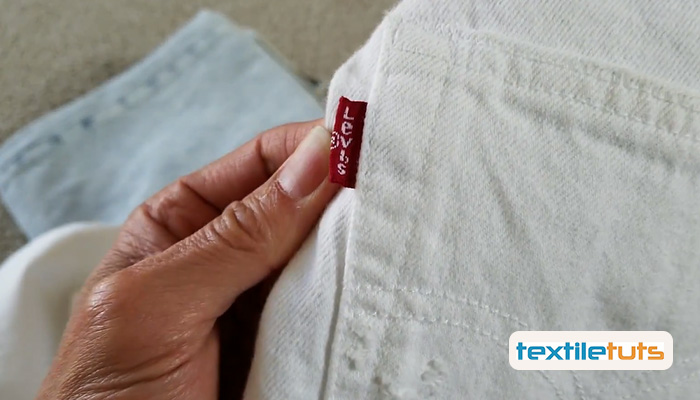
Several factors establish Levi’s as one of the world’s leading denim brands:
The First Denim Brand in the World
Levi’s created the original blueprint for the modern denim industry. Their 1873 copper rivet patent and their 501 waist overall design set standards that the entire global denim industry still follows today.
Superior Quality
Levi’s denim fabric is thicker and more durable than most competing brands, typically weighing 11 to 14 oz per square yard. The stitching uses higher-grade threads and more密集 stitching per inch than mass-market alternatives, making the seams less likely to rip or tear under stress.
Better Fit
Levi’s jeans are designed to flatter all body types, with patterns refined over more than 150 years of feedback. Their sizing system accounts for proportional differences across waist, seat, thigh, and inseam measurements.
Timeless Style
The classic design of Levi’s jeans has remained relevant for decades. The 501 Original Fit and 511 Skinny Fit transcend seasonal trends, making Levi’s jeans a versatile wardrobe foundation.
Better Value for Money
Although Levi’s jeans cost more than some alternatives upfront, their superior durability means they outlast cheaper options. A single pair of Levi’s can replace two or three pairs of budget jeans over the same time period, providing better long-term value.
A Sound Investment
Levi’s jeans retain their value better than most clothing items. Vintage pairs from the 1800s and early 1900s have sold at auction for tens of thousands of dollars, demonstrating that Levi’s jeans hold their worth over decades.
Pioneering Innovation
Levi’s has a documented history of industry firsts: copper rivets (1873, U.S. Patent 139,121), pre-shrunk Sanforized denim, and Water<LESS® sustainable manufacturing. This ongoing commitment to innovation keeps Levi’s at the forefront of denim technology.
A Symbol of Americana
Levi’s jeans represent strength, durability, and grit—values rooted in American frontier history and the California Gold Rush era. This cultural resonance adds intangible value beyond the garment’s functional attributes.
Celebrity Endorsement Legacy
Icons including James Dean, Marilyn Monroe, and Elvis Presley have been photographed wearing Levi’s jeans, cementing the brand’s association with cool, timeless style across multiple cultural generations.
The Standard-Bearer for Quality Denim
Levi’s jeans are constructed from superior materials, offer a consistent fit, and are available in enduring styles. The brand’s combination of heritage, innovation, and quality control sets the benchmark against which all other denim brands are measured.
Frequently Asked Questions
How Do I Find the Right Fit and Size?
Levi’s has refined fit standards over more than a century, iterating on the original 501® Jeans since 1890. Use the brand’s online size guide to compare your measurements against the size chart before purchasing. When between sizes, Levi’s recommends sizing up for a more relaxed fit or down for a slimmer silhouette.
How Should I Clean or Care for My Levi’s Garments?
Denim longevity depends heavily on proper care. Wash Levi’s jeans as infrequently as possible—typically every 10 to 15 wears under normal use. Turn jeans inside out before washing, use cold water (30°C / 86°F or cooler), and avoid tumble drying. Line drying preserves the fabric’s shape and extends garment life.
Can I Return a Customized Product Purchased Online?
According to Levi’s policy, customized or personalized online purchases are not eligible for return. Review all customization options before ordering to ensure accuracy.
Why Do Consumers Choose Levi’s?
Consumers choose Levi’s for a combination of reasons: the brand’s 170+ year history of denim innovation, consistent fit quality across size ranges, durable 11-14 oz denim construction, and the timeless aesthetic of styles like the 501 Original Fit.
Do Factories in Bangladesh Manufacture Levi Jeans?
Bangladesh is one of the world’s leading exporters of ready-made garments, including Levi’s products. The country accounts for more than 80% of its total exports through the garment sector. Levi’s production in Bangladesh meets the brand’s global quality standards and serves markets across Europe, North America, and beyond.
Which Levi Jeans Styles Are the Most Expensive?
The 501 Original Fit Jeans represent the premium end of Levi’s range, retailing for approximately $98 to $200 depending on the finish and wash. Prices vary by style, with specialty washes and limited editions commanding the highest retail prices.
Final Words
Levi’s jeans are among the most enduring and well-regarded denim products available. Purchasing a pair is a sound investment in durable, well-constructed clothing. Since sizing and pricing are listed on the Levi’s website, researching specific measurements and current prices before ordering ensures a satisfying purchase.
Additionally, purchasing from an authorized retailer allows you to try multiple fits and styles before committing. Every pair of Levi’s is cut to consistent sizing standards, so once you know your ideal fit, you can confidently order online in the future.
So if you are looking for a pair of jeans that delivers on fit, durability, and timeless style, Levi’s remains the definitive choice. What do you think—are Levi’s jeans worth the price tag? Let us know in the comments below!
References
- Levi Strauss & Co. Our History. https://en.wikipedia.org/wiki/Levi%27s
- Wikipedia Contributors. Denim. https://en.wikipedia.org/wiki/Denim
- Levi Strauss & Co. Sustainability. https://www.levis.com/US/en_US/features/sustainability
- Textile Exchange. About Us. https://textileexchange.org/about/
- NPR. (2022). Vintage Levi’s Jeans From 1880s Sell For Thousands. https://www.npr.org/2022/10/14/1128843922/vintage-levis-jeans-1880s-sold-thousands-racist-anti-chinese
Meta title: Why Are Levi’s Jeans So Expensive? [Ultimate Guide]
Meta description: Discover why Levi’s jeans cost more than other brands. Learn about the quality, craftsmanship, sustainable cotton, and manufacturing that justify the Levi’s price tag.


